Identifying the various aromas and flavors present in beer not only enhances the drinking experience but also provides a deeper understanding of the brewing processes and the unique characteristics of each beer style.


Identifying the various aromas and flavors present in beer not only enhances the drinking experience but also provides a deeper understanding of the brewing processes and the unique characteristics of each beer style.

Writer, scientist, composer, and physician, among other things, Hildegard of Bingen (1098-1179) was a brilliant German woman who first documented the qualities of hops as a beer ingredient in her book “Physica sive Subtilitatu”.

They are leaders, innovators, and visionaries who have left an indelible mark on the Chilean and Latin American beer industry, influencing not only those who brew it but also how it is perceived and enjoyed worldwide.
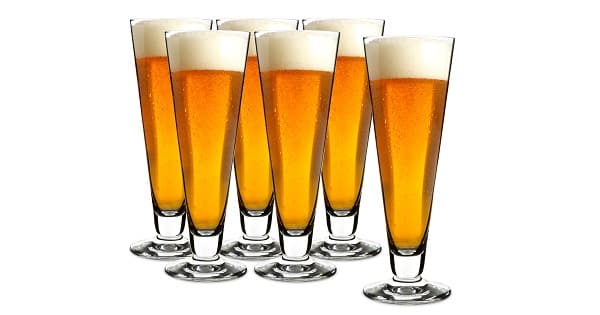
The Pilsner glass is used for many types of clear, bright beers. Its classic trumpet shape is narrow at the base and widens toward the top, maintaining carbonation, showcasing color and enhancing foam retention.

Not many people—not even the most seasoned and passionate cannabis enthusiasts—know how or why the number 420 became linked to marijuana culture. Here’s the real story.

The close relationship between cannabis and hops is well known, but obtaining replicable and efficient results from a finished beer infusion with marijuana remains a technique in full development.

The controversial theory claiming that Christ lived in a beer-centric culture—and that his deeds and miracles involved this beverage rather than wine, as traditionally believed.

Historically, brewers around the world have used locally available water to brew their beer, leading to the development of beer styles associated with specific mineral water profiles found in those places.

This holiday, which began as a religious celebration, has evolved into a global event honoring Irish culture with parades, music, food, and of course, beer.

Discover the Origin of the Word “Cerveza” and Its Various Variations by Exploring the Main Theories About Its Etymology and Its Relationship with Different Cultures in This Fascinating Linguistic Journey.

The British tradition of Cask Ale predates even the appearance of beer as we know it today on the islands. Surely when Shakespeare went to his favorite pub, they served his favorite ale this way.

For early humanity, beer was perhaps the most important staple in their diet—a valuable source of protein and vitamins, and a crucial milestone in ensuring our survival as a species.


