Indio is one of Mexico’s most iconic beers, with a rich history dating back to 1893. It emphasizes the use of local ingredients and traditional brewing techniques.
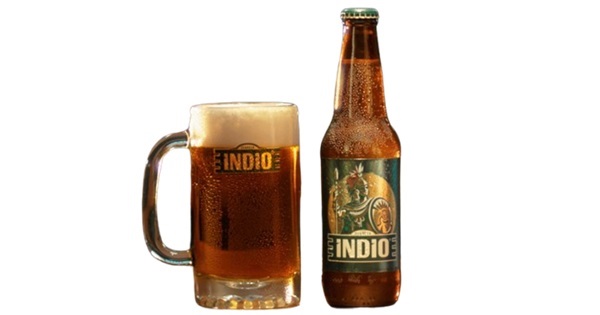

Indio is one of Mexico’s most iconic beers, with a rich history dating back to 1893. It emphasizes the use of local ingredients and traditional brewing techniques.

The rise of non-alcoholic or low-alcohol beers has led the brewing industry to explore new yeast strains and fermentation techniques.

Craft breweries in the United States, known for their creativity, quality, and connection to local communities, face a new and significant challenge that could jeopardize their economic viability.

This measure will affect U.S.-produced beers, ciders, wines, and spirits, which will no longer be available in stores, bars, restaurants, and supermarkets.
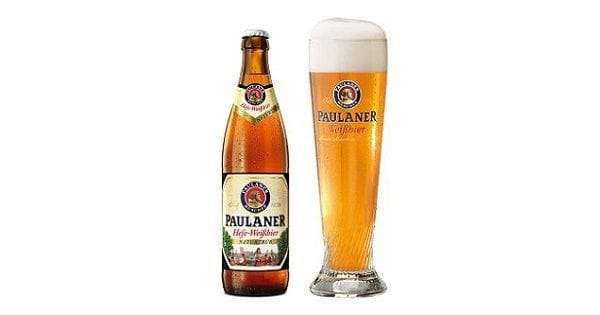
Paulaner Hefe-Weissbier, a German wheat beer with notes of banana, clove, and citrus, is perfect for pairing with Bavarian dishes, fresh cheeses, roasted vegetables, and citrus desserts. Its unique flavor and versatility make it ideal for any occasion.

Far from being a simple alternative to traditional beer, non-alcoholic beer presents itself as a versatile and sophisticated option, suitable for a wide variety of social contexts.
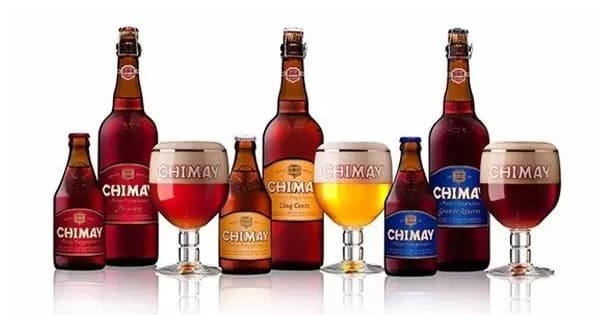
Although the origin of these names cannot be stated with absolute certainty, one of the most common explanations relates to how alcoholic beverages were historically identified.

A refractometer is an optical instrument that measures the sucrose concentration of a solution based on the refractive index produced by light in that solution.
The alliance already includes associations from countries such as Germany, France, the United Kingdom, Austria, Italy, the Netherlands, Finland, Poland, Switzerland, and the Czech Republic.
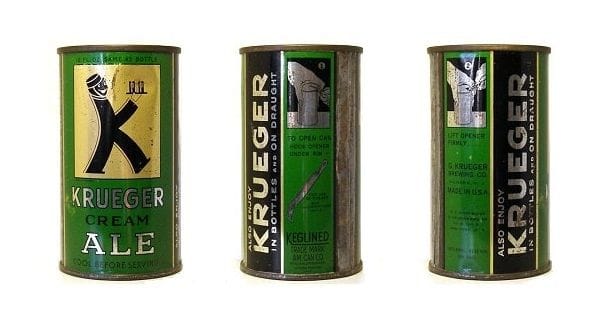
On January 24, 1935, the first canned beer went on sale after decades of experiments and more than ten years of Prohibition, thanks to the Gottfried Krueger Brewing Company in Richmond, Virginia.
The Brewer’s Star, also known as Bierstern or Brauerstern, is an iconic symbol that has accompanied humanity for over 500 years, representing the art, tradition, and passion behind beer brewing.

Gushing is an undesirable phenomenon in beer characterized by an excessive and violent release of carbon dioxide (CO₂) when opening a bottle or can, leading to an uncontrollable overflow of foam and liquid.


