Gushing is an undesirable phenomenon in beer characterized by an excessive and violent release of carbon dioxide (CO₂) when opening a bottle or can, leading to an uncontrollable overflow of foam and liquid.


Gushing is an undesirable phenomenon in beer characterized by an excessive and violent release of carbon dioxide (CO₂) when opening a bottle or can, leading to an uncontrollable overflow of foam and liquid.

Science had just emerged as a profession, yet it was a self-taught textile merchant who became one of the greatest scientific celebrities in all of Europe.
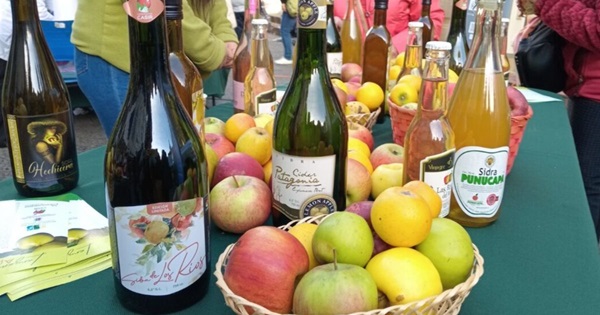
Cider is a fermented beverage made from apples, with a long and rich history intertwined with the introduction of apple trees (Malus domestica) to the Americas by the Spanish.
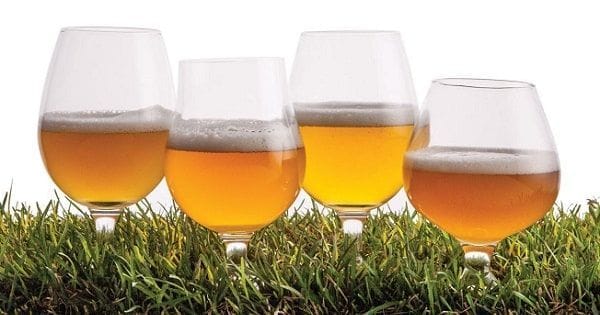
Saison beers were an early form of “fuel” in pre-industrialized Belgian farms, a crucial component for the success of the harvest season in the old farmhouses of the country.

Astringency is a tactile sensation that causes dryness and roughness on the tongue, palate, and gums. It originates from the interaction of tannins and other polyphenols with the proteins in saliva.

A tasting, whether of beer, wine, or any other beverage, is a sensory experience designed to analyze, identify, and enjoy its characteristics and development.

Explore the physical and biochemical effects of sound frequencies on beer production, their impact on yeast activity, the formation of aromatic compounds, and the stability of the final product.
Acetaldehyde is one of the most relevant chemical compounds in beer production, both for its impact on the sensory profile and for its role as an indicator of fermentation quality.

The Egyptian scribe Amennajet narrates concisely, in an impersonal tone, unprecedented conduct unanimously adopted by the workers of the Pharaoh’s Tomb due to the poor working conditions that existed.

The human sensory system, though sophisticated, has clear limits. Prolonged exposure to certain aromatic and gustatory stimuli can lead to sensory fatigue or adaptation.

In the world of beer, few terms evoke as much respect and admiration as “noble hops.” But what makes a hop noble? Its flavor, its history, or simply its reputation?
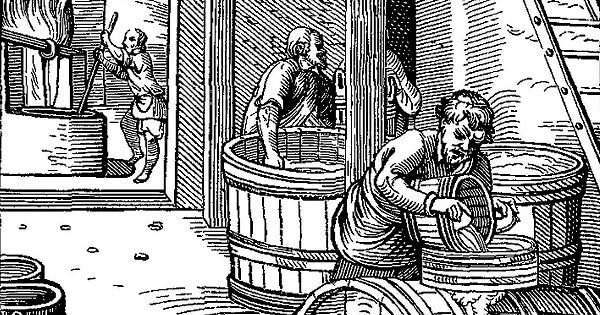
Parti-gyle brewing can be defined as the process of making two or three different beers from a single mash, obtaining two or three worts of different gravity, which are then boiled separately.


