Mead — sometimes also called honey wine — is an ancient fermented beverage that combines water, honey, and yeast, with a versatility that makes it one of the most fascinating drinks in the world.


Mead — sometimes also called honey wine — is an ancient fermented beverage that combines water, honey, and yeast, with a versatility that makes it one of the most fascinating drinks in the world.

The story of Santa Claus, far from being a children’s tale, emerges as a complex tapestry weaving shamanic practices, a millennia-old symbiosis between humans and reindeer, and a profound connection with the natural cycles of the Arctic.

Duvel Moortgat is a family brewery founded in 1871 by Jan-Leonard Moortgat in the town of Breendonk, being one of the more than 3,000 breweries operating in Belgium at that time.

From ingredient selection to final fermentation, chemistry is essential to understanding how flavors and aromas develop, allowing brewers to adjust the process for specific results.
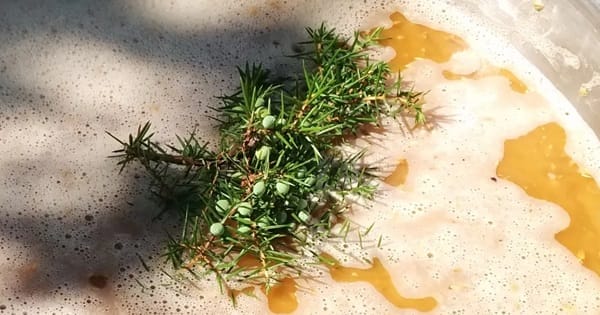
Sahti is an ancient beer originating from Finland, recognized for its unique flavor, traditional brewing process, and rustic character, with juniper playing a prominent role.

Cider (from Late Latin sicĕra, ‘intoxicating liquid’) is an alcoholic beverage obtained through the fermentation of apple juice, though in some regions pears are also used (known as perry or ‘poiré’ in French).

Michael Jackson was far more than perhaps the greatest beer writer who ever lived. He was an educator and ambassador who revived interest in beer at its lowest point in quality, variety, and appreciation.

The distinctive character of Rauchbier dates back to a time when smoky flavor was not a stylistic choice, but an inevitable consequence of the production method in brewing beer.
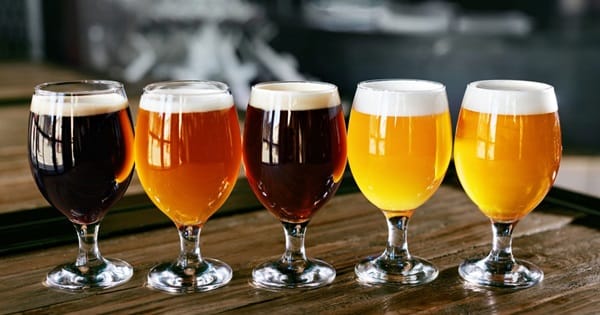
From the first fermentations in Mesopotamia to the craft beer revolution in the United States, beer has evolved and diversified into a variety of styles and traditions that vary enormously from one region to another.
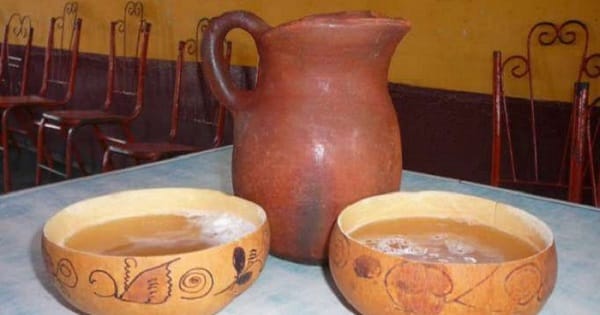
Chicha de jora (from the Quechua “Aqha” or “fermented liquid”) is a South American beverage created during the Inca Empire, widely consumed in Peru, Bolivia, and Ecuador.
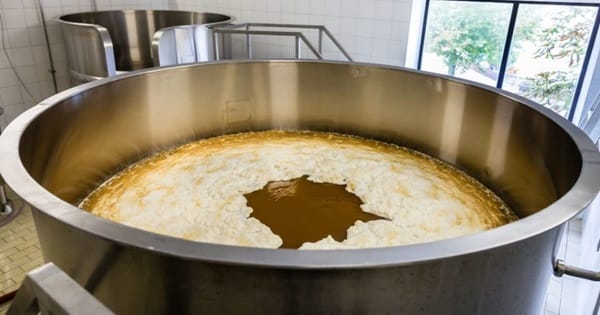
Kettle souring has revolutionized sour beer production, establishing itself as a modern, controlled technique that delivers a pronounced acid profile in significantly less time than traditional fermentation methods.
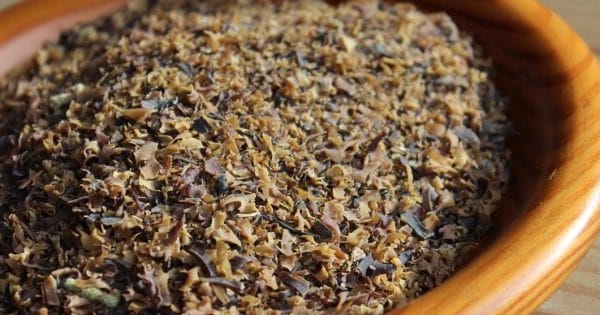
Irish moss, or carrageenan, is a red seaweed used to clarify and stabilize beer during the boil. Learn how it works, how to use it, and how it compares to other fining agents.


