This post is also available in:
 Español
  Português
Beer, one of humanity’s oldest alcoholic beverages, has a history as rich as it is fascinating — spanning thousands of years and leaving a deep mark on the cultures that have embraced it.
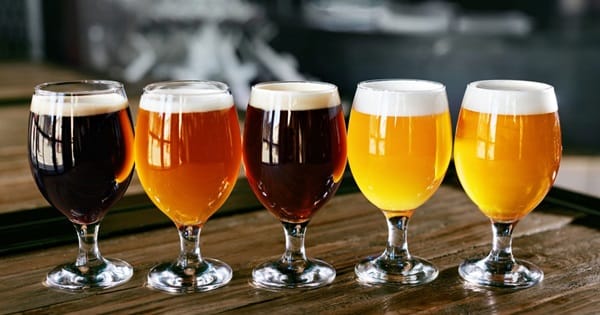
From the first fermentations in Mesopotamia to the craft beer revolution in the United States, beer has evolved and diversified into a variety of styles and traditions that vary enormously from one region to another.

In this article, we will explore the world’s great brewing schools, each with its own philosophy, approach and legacy.
We will delve into the Belgian tradition of complexity and diversity, German purity, American innovation, British simplicity, and the Czech influence — all of which have shaped the global brewing industry as we know it today.
The Belgian brewing school
Belgium is, without a doubt, one of the most important beer hubs in the world, renowned for its incredible diversity of styles and its ability to balance tradition with innovation — so much so that its beers have been declared part of humanity’s intangible cultural heritage by UNESCO.
In Belgium, beer is far more than a drink: it is a way of life passed down from generation to generation, celebrated for the complexity and depth of its flavors, which arise from highly specialized fermentation techniques and the use of unique yeast strains.
Belgian monasteries were also key in the development of some of the country’s most iconic beers — such as Trappist ales — with the “Authentic Trappist Product” certification being one of the most respected seals in the brewing world.

Some of the most representative styles are:
Belgian Tripel
With its golden color, robust body, and remarkable flavor complexity, Belgian Tripels feature a spicy yeast profile and a fruity touch, balanced by a gentle alcoholic warmth.
Lambic
Spontaneous fermentation is the soul of lambics, produced through a natural fermentation process where microorganisms from the surrounding environment directly shape the development of complex, acidic flavors.
Saison
Saisons are refreshing beers with spicy, fruity notes and a dry finish — ideal for hot days — with a tradition directly tied to the agricultural practices of the region.
Gueuze
A blend of young and old Lambic, Gueuze produces a highly effervescent and complex beer with an acidic, fruity flavor that enriches its profile.
The German brewing school
The German brewing tradition is the birthplace of the Reinheitsgebot or “Purity Law” of 1516, which defines German beer by its adherence to four basic ingredients: water, malt, hops and yeast.
This focus on purity and quality has made Germany a global benchmark for precision and brewing technique.
The German brewing tradition is influenced by the country’s geography: the north is distinguished by its lager beers, while the south — particularly Bavaria — is known for its ales and wheat beers.
Moreover, the Reinheitsgebot not only regulated ingredients, but also drove the development of highly refined and specialized production techniques.
Some of the most representative styles are:
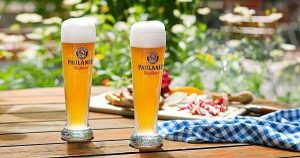
Hefeweizen
A cloudy wheat beer with aromas of banana and clove, celebrated for its freshness and lightness — perfect for warm-weather drinking.
Bock
Bocks are strong, high-alcohol beers known for their sweet, malty profile, with variations such as Doppelbock and Eisbock that add further complexity to the style.
Märzen
A malty lager style characterized by its sweet flavor, medium body, and its status as the traditional beer of Munich’s Oktoberfest.
The British brewing school
The United Kingdom has a brewing history deeply shaped by the Industrial Revolution and the expansion of the British Empire.
British beers — especially ales — have always been distinguished by their complexity and their ability to pair perfectly with the country’s cuisine.
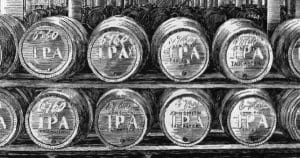
Britain is also the birthplace of the India Pale Ale (IPA), a style said to have originated from the need to send more robust, heavily hopped beers to India to withstand the long sea voyage.
Industrialization also gave rise to new beer varieties, such as Porter and Stout, which were enormously popular among the working class during the Industrial Revolution.
These dark beers were more robust, with a deep, full flavor that made them perfect for accompanying long working hours in factories and dockyards.

Some of the most representative styles are:
Bitter
With its amber color and characteristic bitterness, the Bitter is one of the most iconic styles of British pubs — known for being easy-drinking yet very flavorful.
Porter and Stout
Both dark beers share a strong, malty profile with notes of coffee and chocolate, with numerous variations in alcohol intensity and flavor complexity.
English IPA
Although the India Pale Ale became famous in the United States, its origins are British — and the English version tends to be more balanced, with less bitterness than its American counterparts.
Barleywine
This high-alcohol ale style is malty, fruity and full-bodied, with a complexity that improves with aging.
The Czech brewing school
The Czech Republic is renowned for its deep brewing tradition and for being the birthplace of the original pilsner — the most widely produced beer style in the world.
Czechs are also the largest per capita beer consumers on the planet, and Czech lagers are recognized for their exceptional quality and balanced flavor.
The Czech brewing tradition has roots reaching back to medieval monasteries; however, its true golden age came in the nineteenth century with the creation of the Pilsner style in the city of Plzeň, which became a model for lager beers worldwide.
Over the years, Czech breweries have maintained a focus on lager production, perfecting the style and cultivating a deep sense of national pride in their beer.

Some of the most representative styles are:
Bohemian Pilsner
The Czech pilsner is probably the country’s most iconic beer, known for its perfect balance between malt and hops, with a fresh, dry, and slightly bitter flavor.
Czech Dark Lager
A dark lager with a malt complexity ranging from caramel and toffee to hints of chocolate, balanced by a moderate bitterness.
The American brewing school
America’s brewing history is relatively short compared to the great European traditions, but it has been one of the most revolutionary.
Since the 1970s, the United States has undergone a genuine beer revolution, driven by the rise of craft brewing.
American brewers have embraced an experimental and creative approach — combining local and even unconventional ingredients, and adapting classic styles with a bolder twist.
The result has been an impressive variety of beers that break with traditional rules.
The American craft movement was born as a response to the monopoly of large industrial beer brands.
Driven by a desire to return to quality and authenticity, American craft brewing focused on experimentation with hops, malts and yeasts — sparking an explosion of new styles and flavors.
Some of the most representative styles are:
American IPA
The American IPA is known for its hop intensity and its citrusy, tropical flavor profile — so popular that it has influenced the evolution of many new styles around the world.
Barrel-Aged Beer
American brewers have taken barrel aging to new heights, using casks previously used for bourbon, rum or wine to impart extra complexity to their beers.
New England IPA
This version of the IPA is known for its hazy appearance, softness and fruity flavor, with lower bitterness than other IPAs, characterized instead by a juicier mouthfeel.
A world of styles and traditions
Each of these brewing schools has its own identity and brings something unique to the world of beer.
Whether through American innovation, German purity, Belgian diversity, British tradition, or Czech balance, all of them continue to offer a unique experience that reflects both their history and their culture.
Beer remains one of the most innovative and varied beverages in the world, with an endless array of styles and approaches that invite us to keep exploring and enjoying.

Recommended
- Chicha de jora recipe: the ancient beer of the Incas
- How to make carbonated hop water: Ingredients and step-by-step guide