
This post is also available in:
 Español
  Português
  Français
In recent years we have seen a revolution in the world of beer, and yet lager is still the number one beer on the planet. Want to know the best?

These days, walking into a bar means finding endless choices, from West Coast IPA to Breakfast Stout, especially if you visit beer-focused venues. Even so, about 90% of the beer drunk worldwide is lager.

What Is a Lager Beer?
A lager is a bottom-fermented beer, brewed with Saccharomyces pastorianus yeast that works cold, between about 7 and 13 °C, and then matured for weeks at temperatures close to 0 °C. That cold rest, called lagern (to store) in German, gives the beer its name and explains its clean, refreshing profile.
Unlike ales, which ferment warm with Saccharomyces cerevisiae and produce more fruity esters, lagers let the malt and hops speak. That is why the term covers everything from a light pale beer to a dark Doppelbock above 7% alcohol.
According to a study from Aarhus University using 2016 MarketLine data (Madsen, 2017), standard and premium lagers account for about 90% of global beer consumption. It is by far the most widely drunk beer family on the planet.
What Is the Origin of Lager Beer?
Storing beer cold in cellars and caves was common practice in Bavaria from the late Middle Ages. In 1553 Duke Albert V of Bavaria banned brewing between April 23 and September 29, which forced brewers to ferment in the cold months and favored yeasts that worked at low temperatures.
Lager yeast is a hybrid of Saccharomyces cerevisiae and a cold-adapted species, Saccharomyces eubayanus, which an Argentine team identified in the forests of Patagonia in 2011 (Libkind et al., PNAS). A 2023 study places the birth of that hybrid most likely at the Hofbräuhaus in Munich, between 1602 and 1615. The full story is in the origins of lager yeast.
The big leap came in the 19th century. In 1842 the Bavarian brewer Josef Groll brewed the first golden lager in Plzeň, Pilsner Urquell, and a few decades later two breakthroughs made it possible to brew lager anywhere and in any season.
In 1873 Carl von Linde designed a refrigeration machine for the Spaten brewery in Munich that allowed cold fermentation without natural ice. And in 1883 Emil Christian Hansen isolated a pure culture of lager yeast at the Carlsberg laboratory, which eliminated off-flavors and made consistent quality possible.
What Are the Types of Lager Beer?
The 2021 BJCP Style Guidelines devote their first nine categories to lagers and some cold-fermented ales. They can be grouped into four families by color and strength.
| Family | Main styles | Commercial example |
|---|---|---|
| Pale lagers | American Lager, International Pale Lager, Munich Helles, German Pils, Czech Premium Pale Lager | Budweiser, Heineken, Pilsner Urquell |
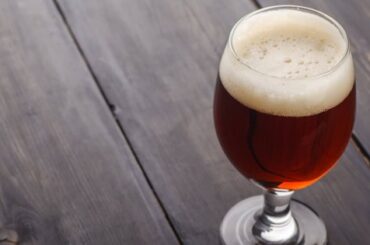
| Amber lagers | Vienna Lager, Märzen, Rauchbier, Czech Amber Lager | Negra Modelo, Paulaner Oktoberfest Märzen |
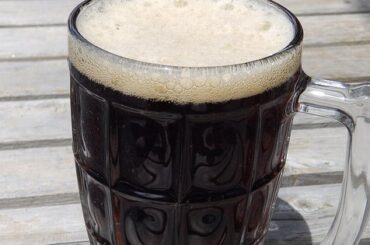
| Dark lagers | Munich Dunkel, Schwarzbier, Czech Dark Lager | Ayinger Altbairisch Dunkel, Köstritzer Schwarzbier |
| Strong lagers (Bock) | Helles Bock, Dunkles Bock, Doppelbock, Eisbock | Einbecker Mai-Ur-Bock, Paulaner Salvator |
Pale Lager
It could easily be called the most popular beer in the world. This is no doubt due to its delicate flavor and low alcohol content, usually between 4 and 5% ABV.
These beers are designed to be served very cold and well carbonated. American Lager, Pilsner, Dortmunder and Munich Helles belong to this family. Even so, the first name that probably comes to mind when you hear “lager beer” is Heineken.

This Dutch beer has spread around the world to become one of the most universal drinks, and its tasting notes are a good starting point for understanding the style. Its story is told at the Heineken Experience in Amsterdam, the brand’s old brewery turned museum.
On the Czech side, Budweiser Budvar is another classic example of a pale lager with more body and bitterness. And the dry, clean sensation all of them aim for is what tasters describe as a crisp beer.
Amber Lager
In this family you will find Märzen or Oktoberfest, Vienna Lager and Rauchbier. As you can see, this type belongs mainly to the tradition of German-speaking countries, with toasted malt and caramel flavors, and in the case of Rauchbier a pronounced smokiness.
Vienna Lager also has a Mexican story, because it arrived in the country in the 19th century and lives on in beers such as Negra Modelo.
Dark Lager
Dark lagers such as Munich Dunkel and Schwarzbier prove that a black beer does not have to be heavy. Their color comes from roasted malts, but their body is medium and their finish clean, without the burnt bitterness of a Stout.
Bock
Bocks are strong lagers of German origin, maltier and more intense than the rest of the family. Their name comes from the town of Einbeck, and they are not golden, except for Helles Bock or Maibock, because Dunkles Bock, Doppelbock and Eisbock range from amber to dark brown.
Doppelbock was born with the Paulaner monks of Munich, and Paulaner Salvator is its classic example. Watch out for names, because the Portuguese Super Bock, the most popular beer in Portugal along with Sagres, is not a Bock but a pale lager.
Frequently Asked Questions (FAQ)
1. What Does Lager Mean?
Lager comes from the German verb lagern, which means to store. The name refers to the cold maturation, lasting weeks at temperatures close to 0 °C, that these beers undergo after a slow fermentation with bottom-fermenting yeast.
2. What Is the Difference Between a Lager and an Ale?
Lager ferments cold, between about 7 and 13 °C, with Saccharomyces pastorianus yeast and then matures at low temperature, which gives it a clean profile. Ale ferments warm with Saccharomyces cerevisiae and produces more fruity esters and yeast flavors.
3. What Are the Best-Known Lager Brands?
Among the best-known lagers in the world are Heineken, Budweiser, Corona, Stella Artois, Carlsberg and Pilsner Urquell. Almost all the big industrial brands are pale lagers, the most widely consumed style on the planet.
4. What Is a Pale Lager?
It is a pale or golden lager, light, highly carbonated and with an alcohol content between 4% and 5%. It includes styles such as American Lager, Munich Helles, German Pils and Czech Premium Pale Lager, and it is the most widely drunk beer in the world.
5. When Was Lager Beer Invented?
Cold fermentation was practiced in Bavaria from the late Middle Ages, and lager yeast probably emerged in Munich in the early 17th century. The first golden lager, Pilsner Urquell, was brewed in 1842 in Plzeň.

Recommended
- The Origins of Lager Yeast and Its Transatlantic Journey from South America
- History and Origin of the Vienna Lager Style: The Beer That Found a New Home in Mexico