Rinsing the glass is the last of multiple equally important stages for beer service, but it is completely irrelevant if the glass being rinsed has not been properly washed beforehand.


Rinsing the glass is the last of multiple equally important stages for beer service, but it is completely irrelevant if the glass being rinsed has not been properly washed beforehand.
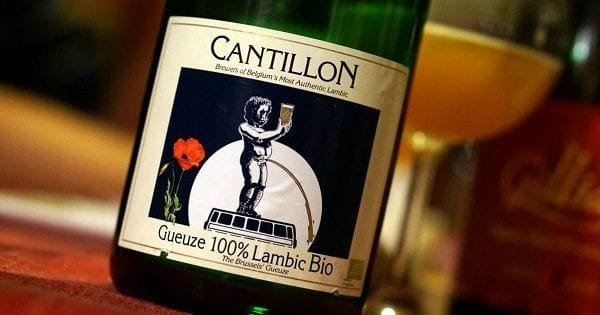
Lambic, Gueuze, and their various variants are a living relic of a time when all beer was fermented at the mercy of nature.

Fermentation is the heart of the beer brewing process: through it, wort made from malted grains is transformed into alcohol and carbon dioxide by yeast. Beer fermentation is generally divided into three stages: primary fermentation, secondary fermentation, and conditioning.
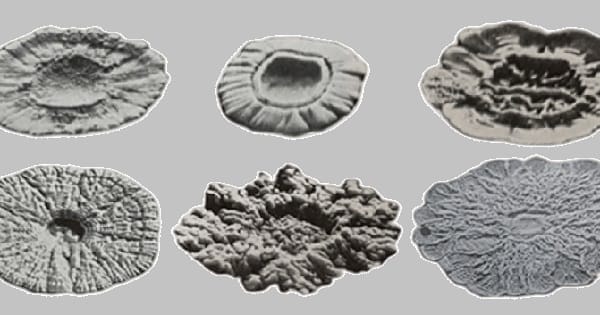
A characteristic feature of beer history is that for almost its entire existence, it was produced with Ale yeast, until the early 20th century when brewing with Lager yeast was massively introduced.
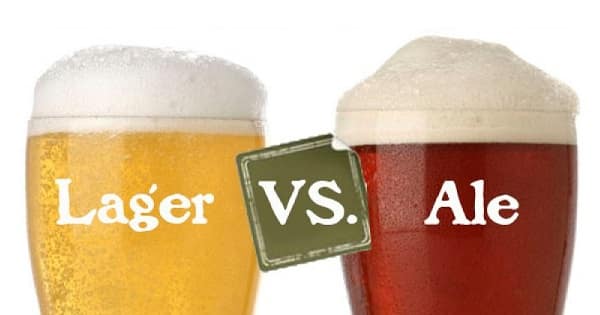
For the average beer consumer, the difference between Ale and Lager usually comes down to appearance, aromas and flavors, where the former tend to be darker and fruitier, while the latter are usually clearer and have cleaner flavors.

“The Beer Hunter” is a late-1980s series featuring journalist and writer Michael Jackson as he travels the world in search of the finest beers.

Marijuana and hops are genetically “cousins,” as both are members of the Cannabaceae family, sharing more similarities than we commonly believe.

Pilsner Urquell ensures that wherever their beer is available on draft, a certified tapster is trained to serve it correctly. Discover the three traditional Czech service styles: Hladinka, Šnyt, and Mlíko.

Whether you are a beer lover or a fan of Peruvian food, the following 10 pairing proposals will help you create a journey of flavors, ranging from ceviche to lomo saltado, that you will never forget.

On December 11, 2014, the liso was officially declared Intangible Cultural Heritage of the city of Santa Fe by the Honorable Municipal Council of this emblematic Argentine city.

Pierre Celis was the man who put the small Belgian village of Hoegaarden on the world beer map when in the 1960s he revived a beer style made with wheat, spices, and fruit known as Witbier (white beer).
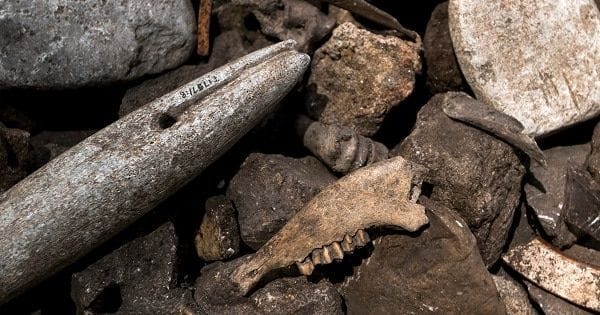
There is nothing archaeologists love more than mounds of rubbish from hundreds of years ago. Ancient bones and stones from waste heaps can tell complex stories.


