Discover the versatility of beer and food pairing, where the wide range of beer styles fuses with a great variety of dishes, offering a unique and unforgettable gastronomic experience.
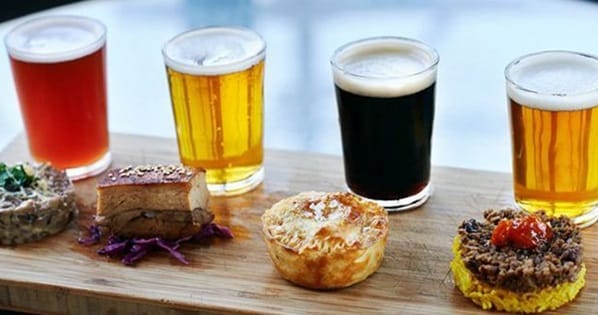

Discover the versatility of beer and food pairing, where the wide range of beer styles fuses with a great variety of dishes, offering a unique and unforgettable gastronomic experience.

The sense of taste is so important that it is connected to the brain through three separate pathways, so that if one is damaged, there are still two backups to continue the job — the same amount of redundancy built into a spacecraft.

Despite their popularity among brewers, these events are not always perceived by the market as a showcase of innovation and quality, but rather as a mirror that mainly reflects the industry’s limitations.
The coloring and browning of food is a topic highly valued within the community of chemists who study this scientific field, since the pigmentations and the reactions that form them tend to be very complex.
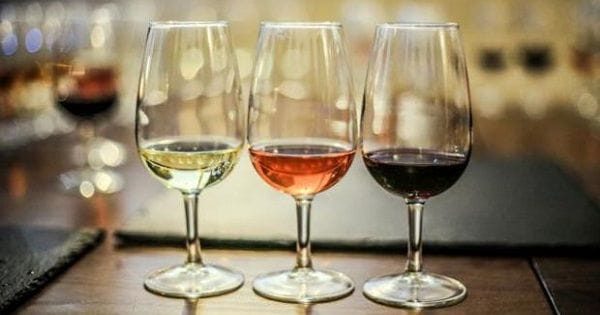
The AFNOR glass — also known as the ISO glass — was originally developed in France to standardize a vessel for sensory analysis of wines and fermented beverages. Today it is also used for professional beer tasting.

They are leaders, innovators, and visionaries who have left an indelible mark on the Chilean and Latin American beer industry, influencing not only those who brew it but also how it is perceived and enjoyed worldwide.

We invited Rob Tod, founder of Allagash Brewing Co., to share 20 practical lessons for brewery success learned over 25 years of activity. This was his response.
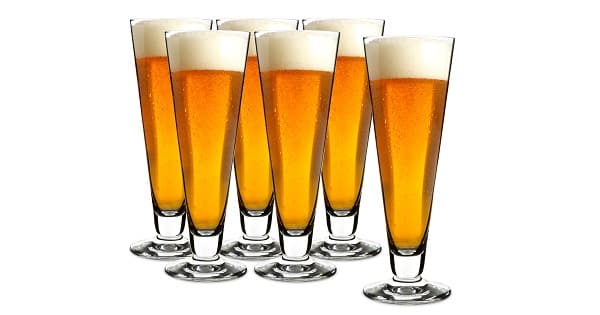
The Pilsner glass is used for many types of clear, bright beers. Its classic trumpet shape is narrow at the base and widens toward the top, maintaining carbonation, showcasing color and enhancing foam retention.
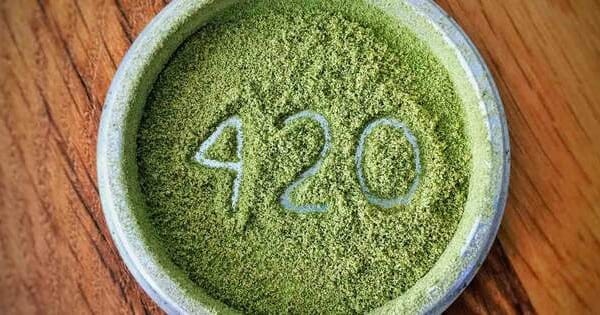
Not many people—not even the most seasoned and passionate cannabis enthusiasts—know how or why the number 420 became linked to marijuana culture. Here’s the real story.
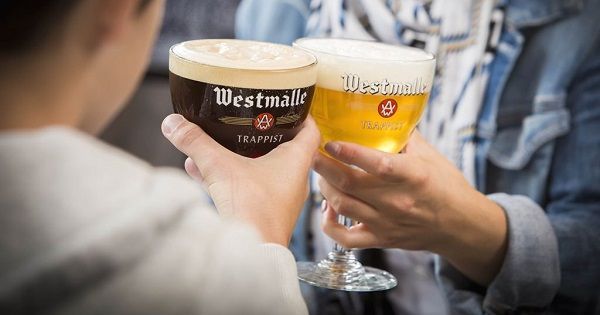
The Trappist monastery of Malle, founded in 1794, achieved abbey status on April 22, 1836. The monks were authorized to drink the most famous beverage of Flanders — beer — during meals.

The controversial theory claiming that Christ lived in a beer-centric culture—and that his deeds and miracles involved this beverage rather than wine, as traditionally believed.
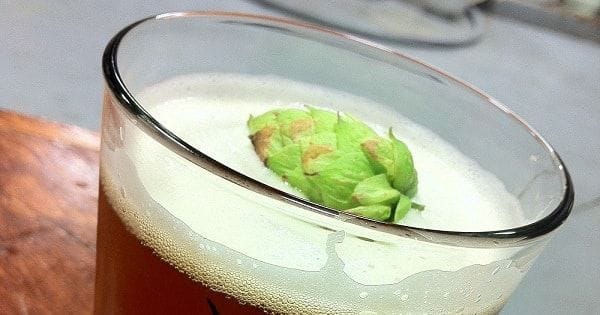
Bitterness is an acquired taste, clearly evident when we see someone discovering the world of craft beer, but there is a good evolutionary reason for it: bitterness is a signal to consider in potentially poisonous compounds.


