Almost everyone agrees that the tradition of consuming green-tinted beer on St. Patrick’s Day is not an Irish tradition; however, very few know the true story of the origin of this custom, where and how it began.
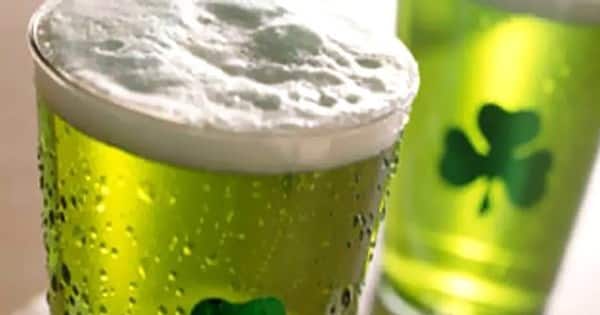

Almost everyone agrees that the tradition of consuming green-tinted beer on St. Patrick’s Day is not an Irish tradition; however, very few know the true story of the origin of this custom, where and how it began.

Historically, brewers around the world have used locally available water to brew their beer, leading to the development of beer styles associated with specific mineral water profiles found in those places.

This holiday, which began as a religious celebration, has evolved into a global event honoring Irish culture with parades, music, food, and of course, beer.
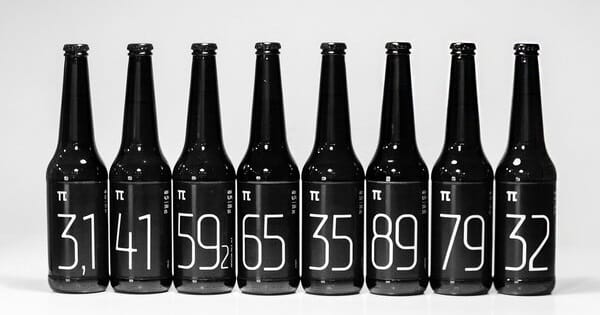
However, as we delve into the engineering and science behind beer production, we discover a fascinating relationship between π and beer, especially relevant today, March 14, when we celebrate Pi Day.

The world of beer is as vast and diverse as the personalities that inhabit it. From meticulous brewmasters to passionate homebrewers, each individual brings their unique stamp to the brewing process.
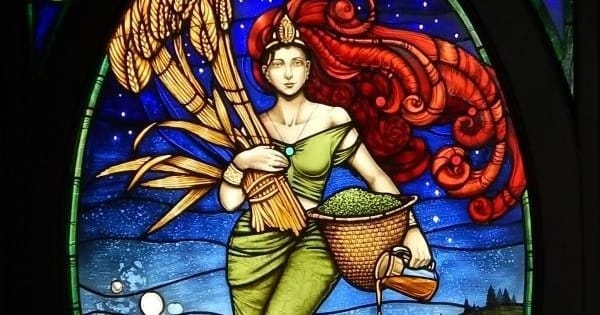
For early humanity, beer was perhaps the most important staple in their diet—a valuable source of protein and vitamins, and a crucial milestone in ensuring our survival as a species.
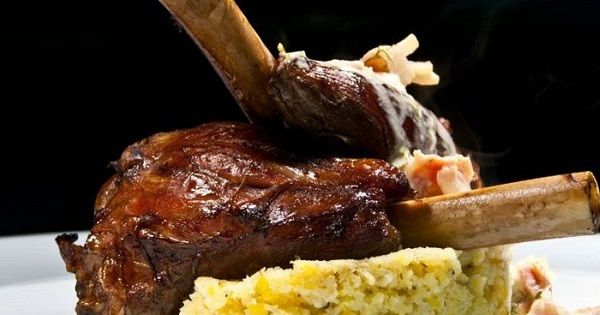
Lamb is one of the stars of international cuisine. This dark beer lamb recipe — braised for three hours in a Porter, Stout or Schwarzbier reduction with honey, soy sauce and aromatic vegetables — delivers melt-off-the-bone tenderness.

The STC-1000 temperature controller lets you manually program a precise temperature range for your fermenter inside a refrigerator, freezer, or appropriately sized cooler.
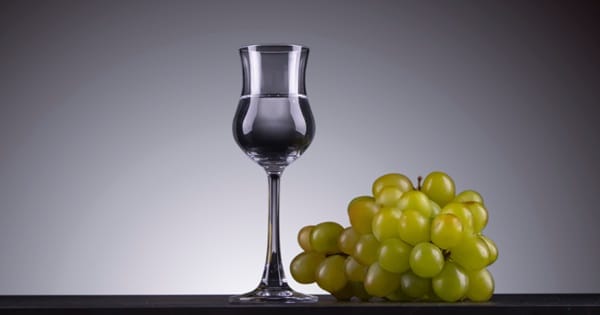
The history of Chilean Pisco is not easy to recount. Many original documents from the 16th and 17th centuries were lost due to the frequent natural disasters that have struck the country.
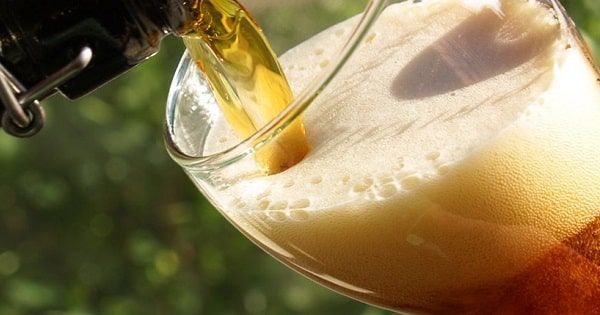
Beer is a beverage that is ‘alive’, that changes over time, because from the very moment it leaves the brewery, its characteristics evolve, sometimes positively and often undesirably.

When religion permeated everything, major transformations appeared even in the most mundane matters. When the Protestant Revolution reduced the Catholic Church’s power, beer was much more than a pleasure drink.
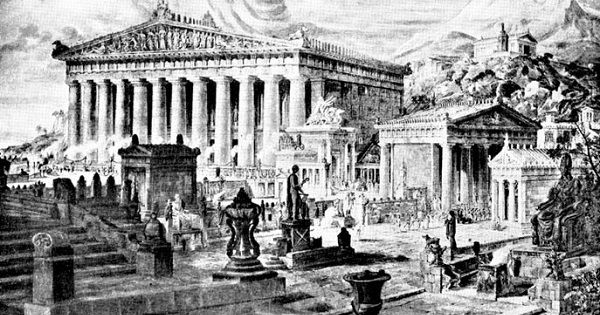
An essential part of the Eleusinian rites was the consumption of a beverage called ‘Kykeon,’ an infusion made from sacramental water, barley, and mint, which is also believed to have contained ergot fungus, a precursor to LSD.


