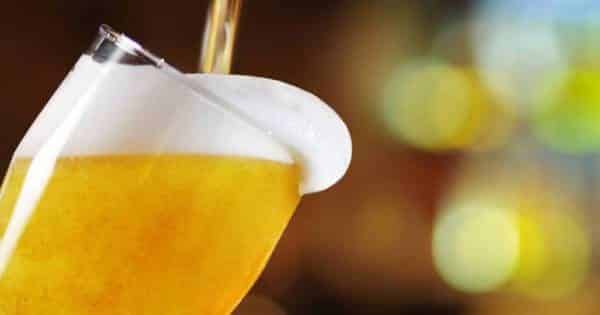
Beer foam (collar or head) is one of those things that has a specific name that most people are unaware of: ‘Giste’, a word that comes from the German ‘Gischt’, which precisely means foam.
Two men have mainly been proposed as the primary inspirations for the appearance of Gambrinus: Jan Primus (John I), Duke of Brabant, and Jean Sans Peur (John the Fearless), Duke of Burgundy.
The history of the St. Bernardus Brewery is strongly linked to two Trappist abbeys since the monks of Catsberg Abbey (Mont des Cats) decided to move to Belgium and settle in the small town of Watou.
Sendechó is a Mexican fermented beverage of pre-Hispanic origin that seeks to be revitalized as an innovative and artisanal alternative within the modern world of low-alcohol beverages with functional properties.
Identifying the various aromas and flavors present in beer not only enhances the drinking experience but also provides a deeper understanding of the brewing processes and the unique characteristics of each beer style.
Nothing beats a good beer to accompany good sushi, but even today, unfortunately, most sushi bars do not have a very varied selection of beers on offer.
Excerpt: Beer tasting is not strictly a professional exercise or reserved only for competitions, but an activity that can be everyday, and with study, training, and practice, anyone can perfect it.
Although today any golden, transparent beer is called a ‘blonde,’ there was a time when there was only one: Pilsner Urquell (Plzeňský Prazdroj), the first beer of its kind in history.
Not many people—not even the most seasoned and passionate cannabis enthusiasts—know how or why the number 420 became linked to marijuana culture. Here’s the real story.
The controversial theory claiming that Christ lived in a beer-centric culture—and that his deeds and miracles involved this beverage rather than wine, as traditionally believed.
Almost everyone agrees that the tradition of consuming green-tinted beer on St. Patrick’s Day is not an Irish tradition; however, very few know the true story of the origin of this custom, where and how it began.
Throughout history, brewers worldwide have relied on local water sources to craft their beers, giving rise to distinct beer styles intrinsically linked to specific regional water profiles.