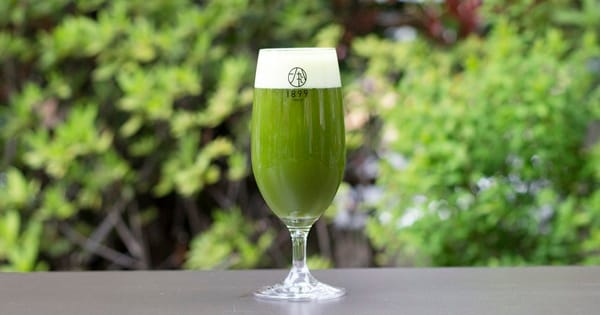
Traditional Japanese green tea known as matcha is no longer just a trend in specialty cafés, tea rooms, and restaurants. What happens when you mix it with beer?
Law No. 21.363, published on August 6, 2021, introduced significant changes to Chile’s regulations on the commercialization, labeling and advertising of alcoholic beverages.
Identifying the various aromas and flavors present in beer not only enhances the drinking experience but also provides a deeper understanding of the brewing processes and the unique characteristics of each beer style.
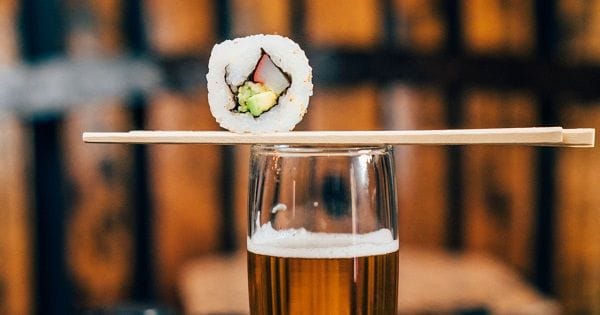
Nothing beats a good beer to accompany good sushi, but even today, unfortunately, most sushi bars do not have a very varied selection of beers on offer.
Excerpt: Beer tasting is not strictly a professional exercise or reserved only for competitions, but an activity that can be everyday, and with study, training, and practice, anyone can perfect it.
Although today any golden, transparent beer is called a ‘blonde,’ there was a time when there was only one: Pilsner Urquell (Plzeňský Prazdroj), the first beer of its kind in history.
Discover the versatility of beer and food pairing, where the wide range of beer styles fuses with a great variety of dishes, offering a unique and unforgettable gastronomic experience.
The sense of taste is so important that it is connected to the brain through three separate pathways, so that if one is damaged, there are still two backups to continue the job — the same amount of redundancy built into a spacecraft.
The coloring and browning of food is a topic highly valued within the community of chemists who study this scientific field, since the pigmentations and the reactions that form them tend to be very complex.
The AFNOR glass — also known as the ISO glass — was originally developed in France to standardize a vessel for sensory analysis of wines and fermented beverages. Today it is also used for professional beer tasting.
The Pilsner glass is used for many types of clear, bright beers. Its classic trumpet shape is narrow at the base and widens toward the top, maintaining carbonation, showcasing color and enhancing foam retention.
Not many people—not even the most seasoned and passionate cannabis enthusiasts—know how or why the number 420 became linked to marijuana culture. Here’s the real story.