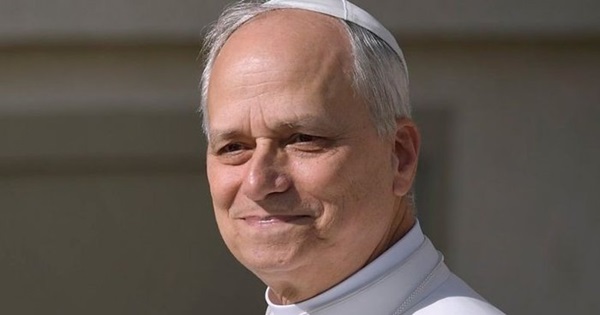
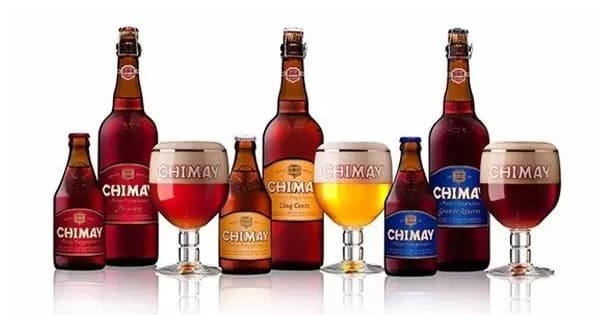
From sacramental wine regulations to Vatican duty-free shops and Trappist monasteries, the Catholic Church has shaped the alcohol industry in ways most drinkers never consider. The story spans canon law, papal certification of wine producers, and brands that wear the monastic habit without living it.
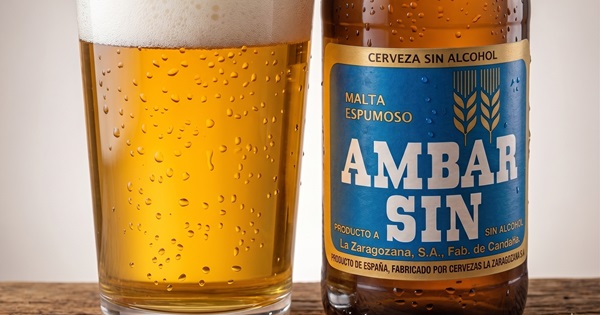
In 1976, La Zaragozana launched Ambar SIN, Spain’s first non-alcoholic beer. Fifty years later, the country leads European consumption at 14% of the market. The story of the inventor, the blue label, and the journey from 4,000 small bottles to global stardom.
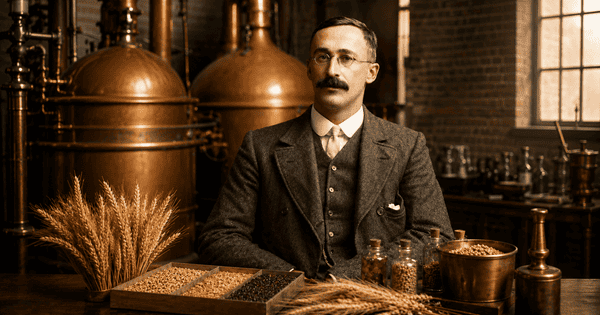
The history of science is filled with characters who worked in the shadows, far from the academic spotlight, but whose contributions ended up transforming entire disciplines. William Sealy Gosset is one such case.
A comprehensive new resource for beer enthusiasts, The Beer Tasting Practical Guide: How to Truly Appreciate Any Beer in the World, is now available for readers and listeners worldwide.
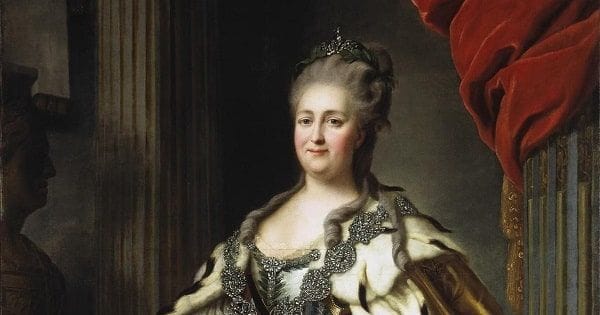
The legend of the Russian Imperial Stout style tells that the future Tsar of Russia, Peter the Great, was captivated by Porter-style beers during a visit to England in the late 17th century.
Although the origin of these names cannot be stated with absolute certainty, one of the most common explanations relates to how alcoholic beverages were historically identified.
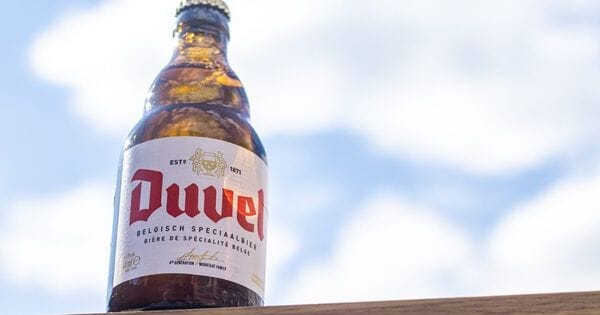
Duvel Moortgat is a family brewery founded in 1871 by Jan-Leonard Moortgat in the town of Breendonk, being one of the more than 3,000 breweries operating in Belgium at that time.
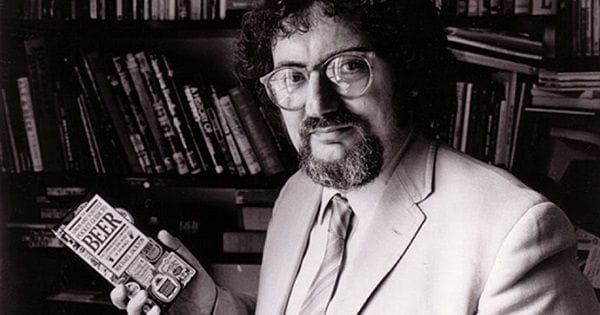
Michael Jackson was far more than perhaps the greatest beer writer who ever lived. He was an educator and ambassador who revived interest in beer at its lowest point in quality, variety, and appreciation.
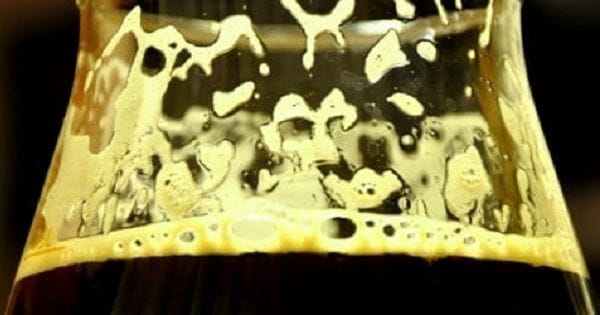
Beer foam (collar or head) is one of those things that has a specific name that most people are unaware of: ‘Giste’, a word that comes from the German ‘Gischt’, which precisely means foam.
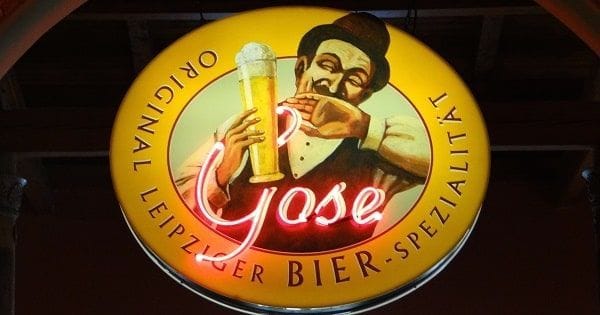
The brewing of the Gose style was established during the 16th century in the then-prosperous mining city of Goslar, in the north-central region of Germany (present-day Lower Saxony), which had built its wealth through silver extraction.
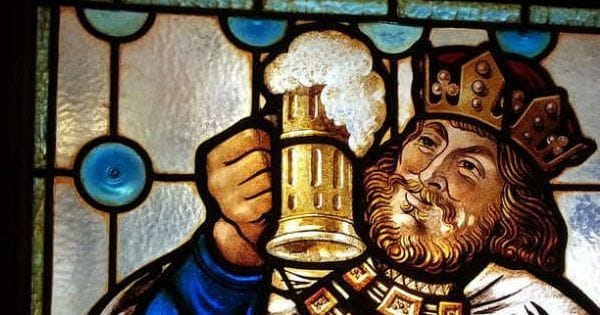
Two men have mainly been proposed as the primary inspirations for the appearance of Gambrinus: Jan Primus (John I), Duke of Brabant, and Jean Sans Peur (John the Fearless), Duke of Burgundy.
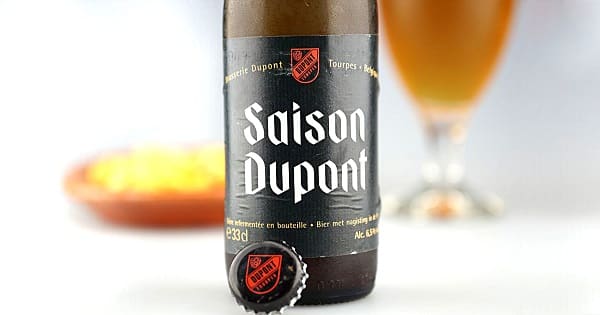
About 40 years ago, Saison Dupont was the beer with the lowest sales figures at Brasserie Dupont, less than 2%, so it was destined to disappear from the catalog, until Michael Jackson stepped in