Almost everyone agrees that the tradition of consuming green-tinted beer on St. Patrick’s Day is not an Irish tradition; however, very few know the true story of the origin of this custom, where and how it began.
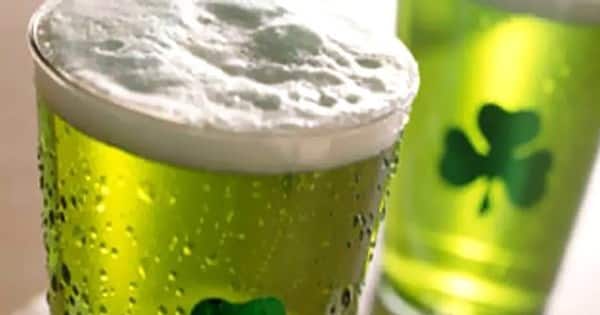

Almost everyone agrees that the tradition of consuming green-tinted beer on St. Patrick’s Day is not an Irish tradition; however, very few know the true story of the origin of this custom, where and how it began.

This holiday, which began as a religious celebration, has evolved into a global event honoring Irish culture with parades, music, food, and of course, beer.
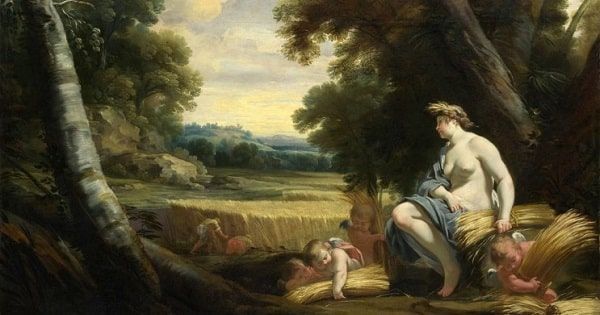
Discover the Origin of the Word “Cerveza” and Its Various Variations by Exploring the Main Theories About Its Etymology and Its Relationship with Different Cultures in This Fascinating Linguistic Journey.
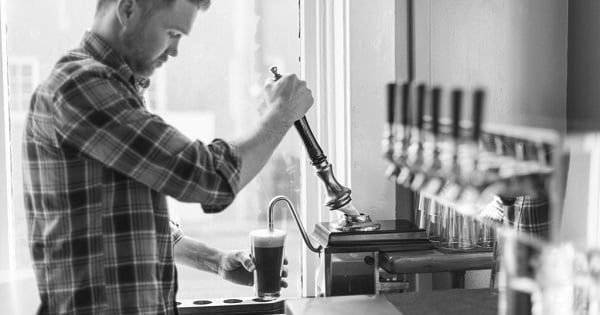
The British tradition of Cask Ale predates even the appearance of beer as we know it today on the islands. Surely when Shakespeare went to his favorite pub, they served his favorite ale this way.
For early humanity, beer was perhaps the most important staple in their diet—a valuable source of protein and vitamins, and a crucial milestone in ensuring our survival as a species.
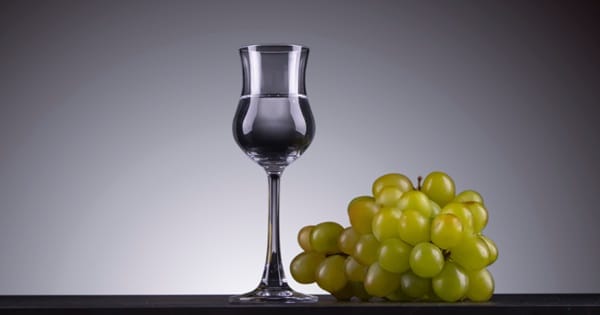
The history of Chilean Pisco is not easy to recount. Many original documents from the 16th and 17th centuries were lost due to the frequent natural disasters that have struck the country.
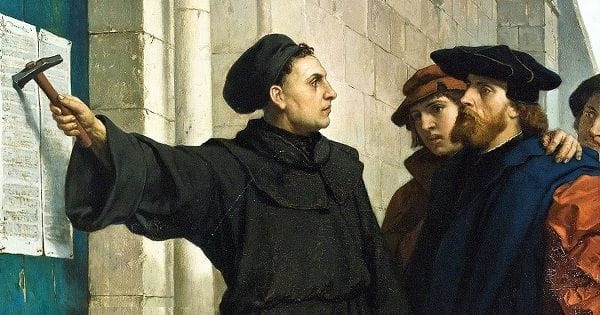
When religion permeated everything, major transformations appeared even in the most mundane matters. When the Protestant Revolution reduced the Catholic Church’s power, beer was much more than a pleasure drink.
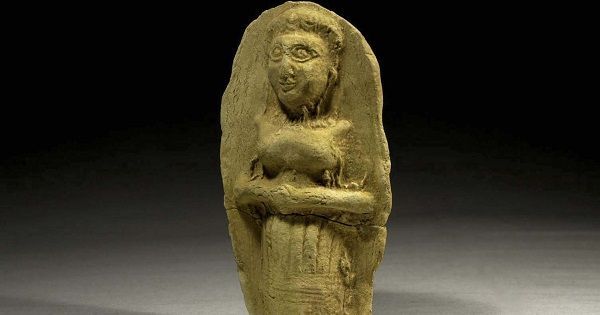
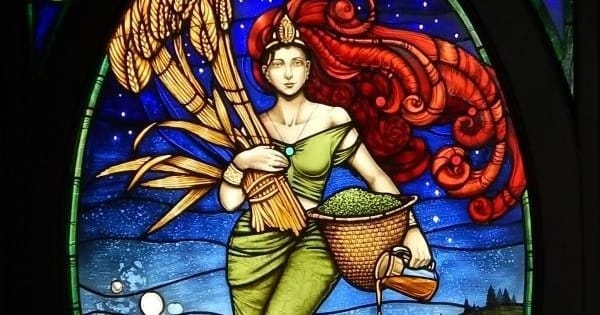
Beer became so important to ancient Mesopotamian culture that the Sumerians created a goddess for beer and its brewing, Ninkasi, to whom an anonymous poet wrote a hymn containing the oldest beer recipe in history.

Morten Meilgaard is an unsung hero in the world of beer. Born in Denmark in 1928, he was a brilliant chemical engineer and beer lover who basically invented the language we use today to describe it.
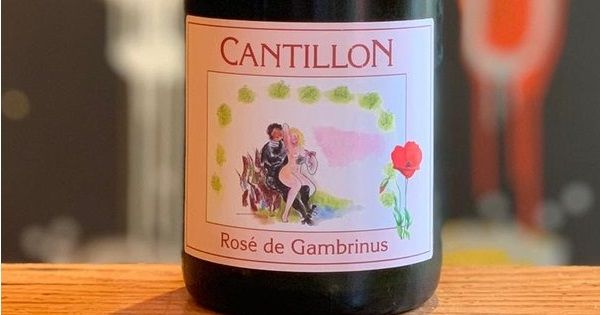
Cantillon Rosé de Gambrinus is a traditional raspberry lambic (framboise) brewed annually in Brussels since 1909, although the current name was only first used in 1986.

In the early days of history, there were no hierarchies or private property — just a vast savanna to explore and a new world to discover with seemingly endless natural resources: such were the beginnings of what we today understand as humanity.
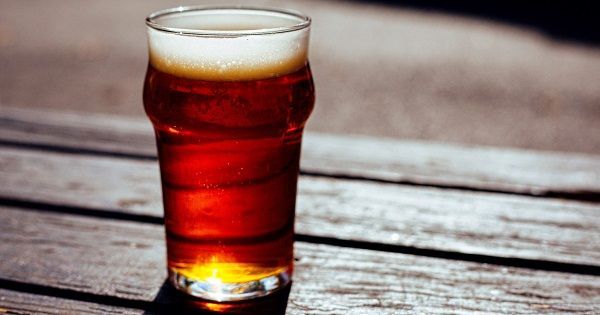
In simple words, beer is an alcoholic beverage made from starches obtained from cereals and other grains, flavored and aromatized with hops, which are then fermented in water with yeasts of the genus Saccharomyces.
