Lambic, Gueuze, and their various variants are a living relic of a time when all beer was fermented at the mercy of nature.
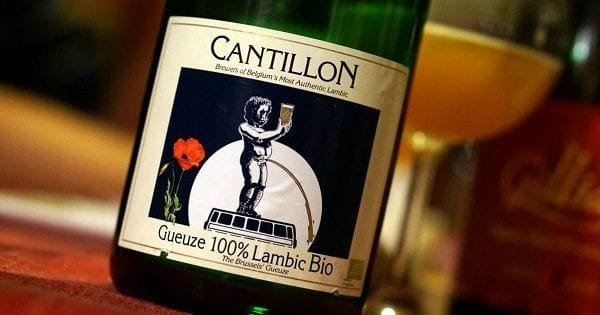

Lambic, Gueuze, and their various variants are a living relic of a time when all beer was fermented at the mercy of nature.

Fermentation is the heart of the beer brewing process: through it, wort made from malted grains is transformed into alcohol and carbon dioxide by yeast. Beer fermentation is generally divided into three stages: primary fermentation, secondary fermentation, and conditioning.

For a long time, a growing waistline has been associated with our passion for trying various beer styles, even though the same is rarely said about wine and spirits.

Nowadays, hops are a primary ingredient in beer brewing, but this wasn’t always the case. Throughout history, they were just one of many different herbs and spices used to flavor and preserve beer.

A characteristic feature of beer history is that for almost its entire existence, it was produced with Ale yeast, until the early 20th century when brewing with Lager yeast was massively introduced.
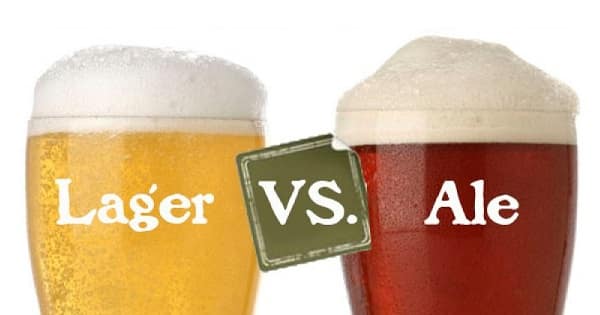
For the average beer consumer, the difference between Ale and Lager usually comes down to appearance, aromas and flavors, where the former tend to be darker and fruitier, while the latter are usually clearer and have cleaner flavors.

“The Beer Hunter” is a late-1980s series featuring journalist and writer Michael Jackson as he travels the world in search of the finest beers.

On April 23, 1516, Duke Wilhelm IV of Bavaria issued a decree regulating the price of beer, the times of production, and the ingredients permitted in its manufacture.

Marijuana and hops are genetically “cousins,” as both are members of the Cannabaceae family, sharing more similarities than we commonly believe.

Pilsner Urquell ensures that wherever their beer is available on draft, a certified tapster is trained to serve it correctly. Discover the three traditional Czech service styles: Hladinka, Šnyt, and Mlíko.

In South Korea, the two most popular alcoholic beverages are soju and beer. This is why the smooth and delicious beer cocktail known as “somaek” has gained immense popularity, creating a perfect combination of both.

On December 11, 2014, the liso was officially declared Intangible Cultural Heritage of the city of Santa Fe by the Honorable Municipal Council of this emblematic Argentine city.


