This post is also available in:
 Español
  Português
The Campaign for Real Ale (CAMRA) has launched a political pressure campaign calling on the UK government to raise the minimum mandatory fruit juice content in cider and perry from 35% to 50%.
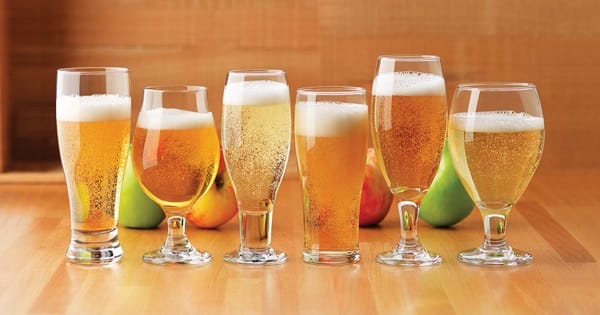
At present, a bottle of cider can legally consist of up to 65% sweetened water with alcohol.

The organisation argues that this standard protects the margins of large industrial producers at the expense of quality and craft producers.
The Standard CAMRA Wants to Change
The UK’s current regulatory framework is one of the most permissive in the world in this category. Only 35% of a cider’s content needs to come from apple or pear juice.
The remaining 65% can be water mixed with fermented sugar and alcohol, and the product still retains the legal name “cider”. Gillian Hough, CAMRA’s chair, did not hesitate to describe the result:
In the UK, cider and perry can legally contain 65% alcoholic sweetened water. This cheap, sugary mess is added for profit, not quality, and it undermines the real cider and perry made by our independent producers.
The organisation has set up a citizen pressure system allowing anyone to contact their local MP directly and request the legislative change.
The model is proven, as CAMRA has used this approach for decades to defend the interests of traditional cask ale against industrial production.
From 35% to 50%, with 85% as the Final Target
CAMRA has asked for 50% as a political negotiating position, but its documented preference is more ambitious. In public statements, the organisation has indicated that the ideal level of requirement should be 85% juice content.
The YouGov survey commissioned by the organisation reinforces the argument: 87% of British consumers surveyed said they were in favour of raising the minimum juice content in cider.
It is broad public support that gives the campaign a base that is hard to ignore politically. Hough was direct:
The government raising the minimum juice content to 50% is desperately needed to stop the flood of ‘industrial cidre’, diluted products made by global giants.
The EU, United States and Germany Have Already Acted
The UK is lagging behind compared to other relevant markets. The United States and Germany already apply 50% juice content as a mandatory minimum.

The standard CAMRA is asking the UK to adopt is already in force in two of the most important markets for fermented fruit beverages.
The European Union is debating going further with a three-tier classification system. The proposal envisions that drinks with 100% juice receive the “premium cider” designation, those above 50% be called “cider”, and those containing between 20% and 50% be renamed “cider-based drink”.
If the EU adopts that system, the gap between its standards and post-Brexit UK standards will become more visible and harder to sustain for British producers wishing to export.
The Impact on Craft Producers
The craft sector is the biggest loser under the current standard. A producer making cider with high proportions of fruit juice competes on shelves with industrial products that can be sold under the same name “cider” at a fraction of the raw material cost. Without regulatory differentiation, the consumer has no tools to distinguish between them.
CAMRA emphasises that independent producers who use high juice proportions are “increasingly popular and valued by consumers”, but that market trend is not enough to offset the competitive disadvantage created by a standard that equates, on the label, products with radically different compositions.
A shift to 50% would not eliminate industrial cider, but it would create a regulatory separation allowing consumers and the market to distinguish between categories.
It is the same argument that led the EU to introduce differentiated designations for other fermented beverages according to their degree of craft production versus mass manufacturing.
Frequently Asked Questions (FAQ)
1. What is CAMRA?
The Campaign for Real Ale (CAMRA) is the largest consumer organisation in the beer and fermented beverages sector in the United Kingdom. Founded in 1971 to defend traditional cask ale against industrialisation, it has more than 165,000 members and has expanded its scope to include craft cider and perry.
2. What is the current minimum juice content required by UK law for cider?
35% of the content of cider and perry must come from fruit juice. The remaining 65% can consist of water, fermented sugar and alcohol without the product losing the legal designation of “cider”.
3. What standard do the United States and Germany apply to cider?
Both countries require a minimum of 50% juice content for a drink to be called cider. This is the same percentage CAMRA is calling on the UK to adopt as a first legislative step.
4. What classification system is the European Union proposing for cider?
The EU is studying a three-tier system: “premium cider” for drinks with 100% juice, “cider” for those above 50%, and “cider-based drink” for products containing between 20% and 50% fruit juice.

Recommended
- What are Cask Ale or Real Ale beers? Everything you need to know
- The revival of Chilean cider: a journey from its origins