If you love beer, you have probably heard some of the long, complicated names of the yeasts and bacteria used specifically to brew sour beers.


If you love beer, you have probably heard some of the long, complicated names of the yeasts and bacteria used specifically to brew sour beers.
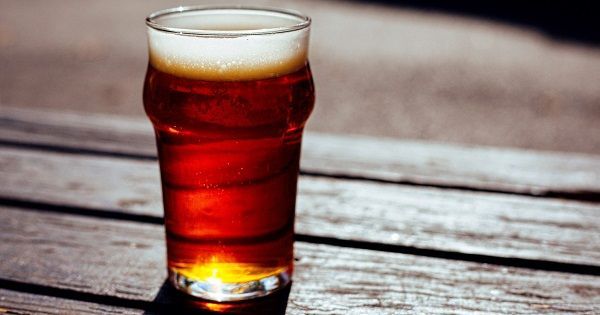
In simple words, beer is an alcoholic beverage made from starches obtained from cereals and other grains, flavored and aromatized with hops, which are then fermented in water with yeasts of the genus Saccharomyces.
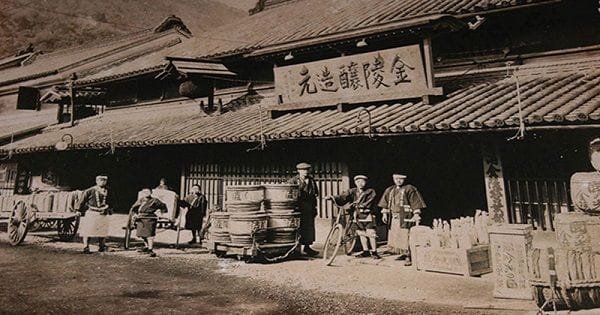
When one thinks of Japanese alcoholic beverages, sake is undoubtedly the first that comes to mind, but despite its foreign origins, beer is today without a doubt the most popular drink in Japan.
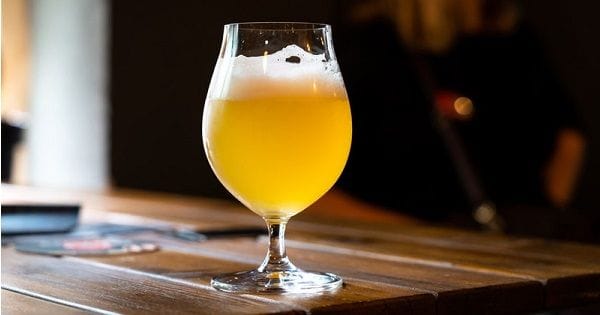
The difference between Session, Seasonal and Saison beers is a common source of confusion among beer enthusiasts and professionals alike — an understandable doubt we’ll try to clear up right here.
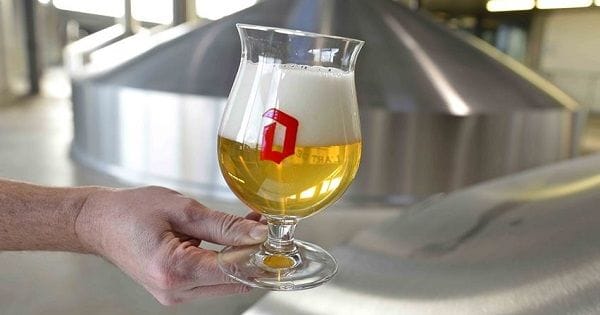
The tulip glass is very similar to the snifter, but larger, with a longer stem and a curve that flares at the top, ideal for full-bodied, aromatic and complex beers.

The Teku glass is an original design developed in 2006, and its name is an acronym drawn from the names of its creators, Teo Musso of Baladin and the sensory analyst Lorenzo Dabove (Kuaska).

The yeast Saccharomyces cerevisiae is found in beer, wine, and bread, but also in research laboratories, as it is the organism that initiated modern biochemistry and molecular biology and remains a fundamental testing ground for science.

Belgian Saisons are historically beers rooted in farm life, whereas Belgian Grisettes are beers intrinsically rooted in mining and the Industrial Revolution.

Chile’s SAG is backing family farming by recognizing traditional “Pipeño” as a unique alcoholic beverage distinct from wine.

Saint Arnold is recognized for “the miracle of the beer,” which is why both the Catholic Church and the Orthodox Church consider him the Patron Saint of this beloved drink.

The Benedictio Cerevisiae, the Catholic blessing of beer, appears in the Rituale Romanum, the liturgical book promulgated under Pope Paul V in 1614. Here is its Latin text and an accurate translation.
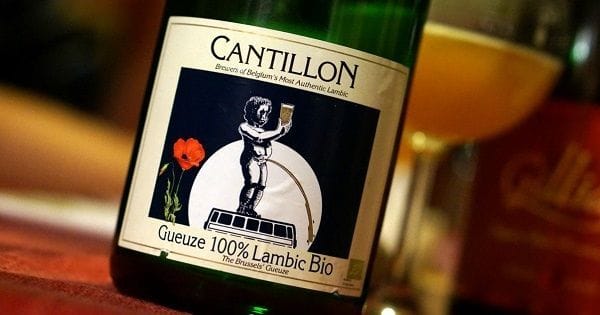
Lambic, Gueuze, and their various variants are a living relic of a time when all beer was fermented at the mercy of nature.


