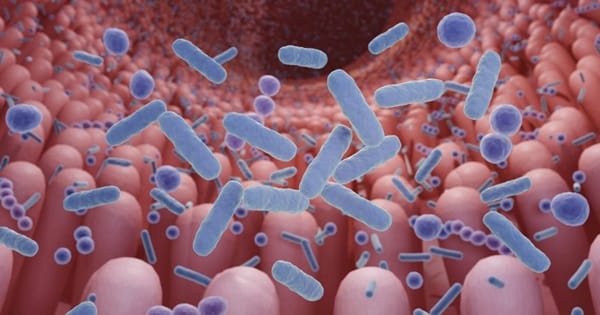
This ecosystem, formed by billions of microorganisms that reside in the digestive tract, is key for numerous physiological functions, such as digestion, nutrient synthesis, the immune response, and the production of serotonin.
Our ancestors drank beer, but so did the Sumerians, who prepared it over 5,000 years ago and even had a goddess dedicated to it named Ninkasi.
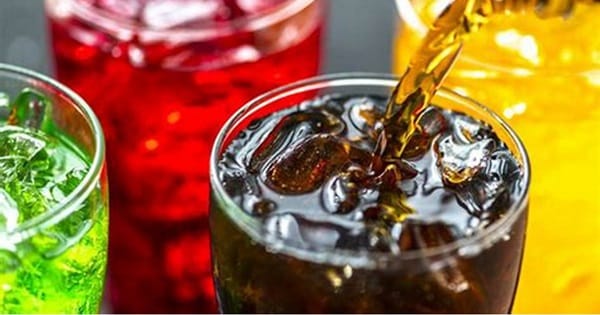
A recent study published in Nature Medicine analyzed data from 184 countries and found that sugar-sweetened beverages contributed to 2.2 million new cases of type 2 diabetes and 1.2 million new cardiovascular disease cases in 2020 alone.
The interaction between alcohol and dopamine is a neurological phenomenon that explains the immediate effects of alcohol consumption, as well as the underlying mechanisms of addiction and mood disorders.
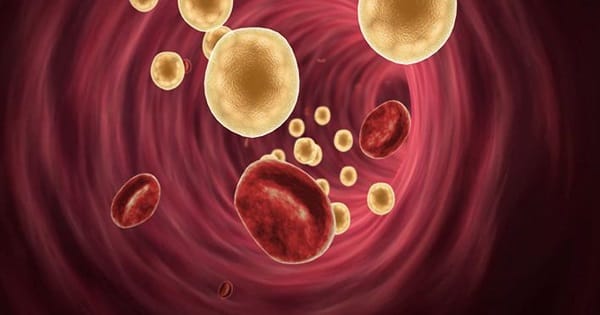
Did you know that beer can affect your good and bad cholesterol levels? Discover its impact on your cardiovascular health and what science says about it.
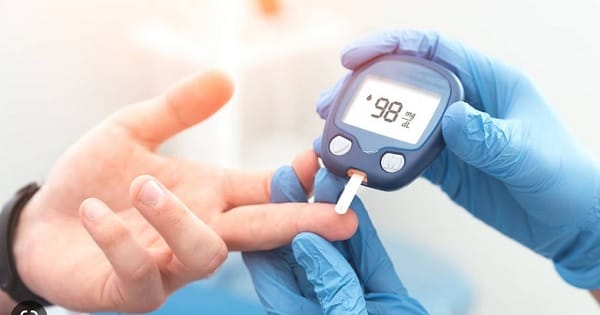
The ADA allows people with diabetes one beer a day for women and two for men. How beer affects blood glucose and the risk of delayed hypoglycemia.
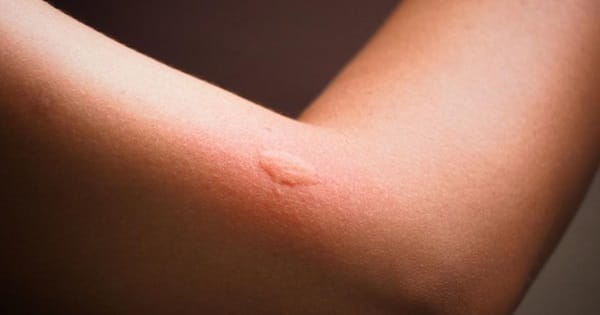
Three studies, one with 465 people at a festival, show that drinking beer makes us more attractive to mosquitoes, although it is still unknown why.
Drinking beer is a very common social activity, especially when enjoyed with friends. However, after having a couple of beers, it is common to notice that bathroom visits increase significantly.
Moderate consumption of beer can have beneficial effects on women’s health at different stages of their lives, such as pregnancy, breastfeeding, menopause, and the prevention of osteoporosis or Alzheimer’s.
Making an electrolyte hydration boost at home is relatively simple, and it is a better alternative to commercial options loaded with flavorings, artificial colors and preservatives. Here is the recipe.
A person’s reaction to alcohol can vary significantly from one individual to another, and some people seem to get intoxicated faster than others.
Beer was considered a medicine in the old European tradition. In the Middle Ages, monks fortified themselves with “barley juice” and drank between three and five “measures” of beer a day.