This post is also available in:
 Español
  Português
A person’s reaction to alcohol can vary significantly from one individual to another, and some people seem to get intoxicated faster than others.
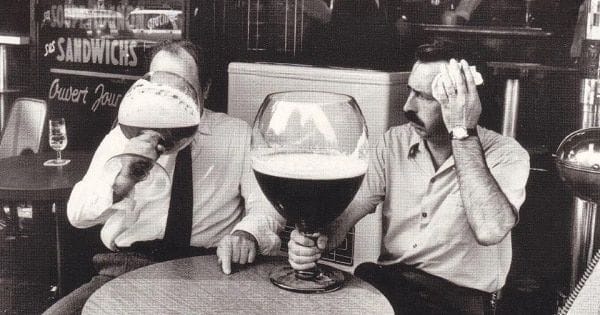
This phenomenon is due to a combination of genetic, physiological, and behavioral factors. Let’s explore the reasons why some people get drunk faster than others.

Alcohol Metabolism
One of the main factors that influence how quickly a person gets drunk is their alcohol metabolism. Alcohol metabolism involves the breakdown and removal of ethanol (alcohol) from the body.
The liver is the primary organ responsible for this process. Two key enzymes in alcohol metabolism are alcohol dehydrogenase (ADH) and aldehyde dehydrogenase (ALDH).
1. Alcohol Dehydrogenase (ADH)
This enzyme breaks down alcohol into acetaldehyde, a toxic substance. Some people have a genetic variant that produces ADH faster, allowing them to break down alcohol more rapidly.
2. Aldehyde Dehydrogenase (ALDH)
ALDH converts acetaldehyde into acetate, a less toxic substance. Some people have a genetic variant that produces ALDH more slowly, causing acetaldehyde to accumulate in the body, resulting in unpleasant symptoms such as facial flushing and nausea.
3. Alcohol Tolerance
Alcohol tolerance also plays an important role. People who consume alcohol regularly may develop a higher tolerance, meaning they need more alcohol to feel the same effects as someone with lower tolerance.
However, tolerance does not necessarily protect against the negative effects of alcohol on the body, such as liver damage and other health problems.
Weight and Body Composition
Body weight and body composition are factors that influence how a person responds to alcohol.
Larger people have more body tissue to distribute alcohol, which can lead to a lower concentration of alcohol in the blood and, in some cases, slower intoxication.
Additionally, body fat content can affect alcohol absorption; people with less body fat may get drunk faster.
Hydration Level and Gastric Emptying
A person’s hydration level and the state of their gastric emptying (stomach emptying) are also influencing factors.
Dehydration can increase alcohol concentration in the blood, while an empty stomach allows alcohol to be absorbed more quickly.

Drinking water and eating before consuming alcohol can help reduce the rate of intoxication.
Psychological and Behavioral Factors
Psychological and behavioral factors play a role in how a person gets drunk.
The speed at which alcohol is consumed, the amount of alcohol consumed, and personal tolerance to alcohol are important factors.
Additionally, emotions and mood can influence how a person experiences the effects of alcohol.
General Conclusions
The speed at which a person gets drunk depends on a number of factors, including their alcohol metabolism, tolerance, body weight, hydration level, and behavior.
It’s important to remember that alcohol affects each person differently, and rapid intoxication is not necessarily a sign of alcohol tolerance or the ability to drink excessively safely.
Responsibility and moderate alcohol consumption are fundamental to maintaining health and safety. It’s always advisable to know your personal limits and seek help if you have problems with alcohol.
Frequently Asked Questions (FAQ)
1. Does facial flushing indicate that I will get drunk faster?
Facial flushing is a sign that your body is rapidly accumulating acetaldehyde due to the slow variant of the ALDH2 enzyme. While the accumulation of this toxin causes nausea, discomfort, and an illness that “forces” you to stop consumption quickly, the flushing itself does not predict your blood alcohol concentration (BAC) peak. Rather, it indicates a higher risk of esophageal cancer and other health problems by exposing the body to high levels of a toxic byproduct.
2. Is it possible to “train” or improve the speed of my alcohol metabolism?
No. The ability of ADH and ALDH enzymes to process alcohol is a fixed genetic characteristic. It’s impossible to “train” the liver to produce these enzymes more quickly. What can be “trained” is neurological tolerance, which is dangerous, as it allows drinking more, exposing the body to higher levels of toxicity without feeling the alcohol intoxication alarm.
3. Do medications like antidepressants or antacids affect the rate of intoxication?
Yes. Many medications (including some antidepressants, antihistamines, and analgesics) interact with liver enzymes (cytochrome P450) or affect the central nervous system. Antacids (H2 blockers) can slightly inhibit the action of gastric ADH, which can potentially increase the amount of alcohol entering the bloodstream, increasing the rate of intoxication. Always consult a doctor about interactions between medications and alcohol.

We Recommend
- The best selection of natural medicine recipes with beer, hops and barley
- What are the yeasts and bacteria used to make sour beers