Hops are vital to the brewing industry due to their diverse organoleptic personalities: German noble hops, woody British strains, spiced American varieties, and hybrids with tropical fruit profiles.


Hops are vital to the brewing industry due to their diverse organoleptic personalities: German noble hops, woody British strains, spiced American varieties, and hybrids with tropical fruit profiles.
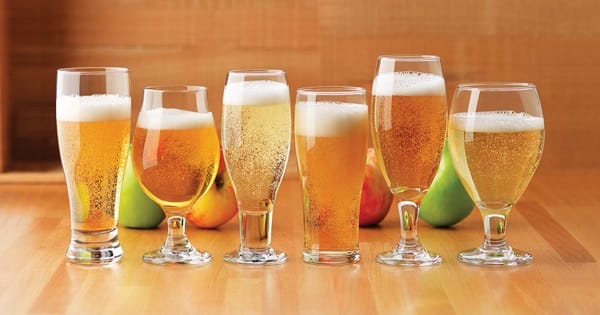
Cider (from Late Latin sicĕra, ‘intoxicating liquid’) is an alcoholic beverage obtained through the fermentation of apple juice, though in some regions pears are also used (known as perry or ‘poiré’ in French).

The distinctive character of Rauchbier dates back to a time when smoky flavor was not a stylistic choice, but an inevitable consequence of the production method in brewing beer.
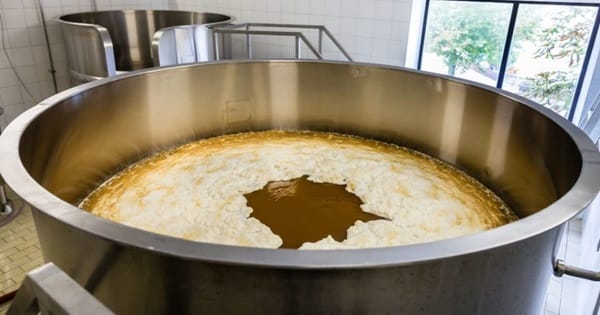
Kettle souring has revolutionized sour beer production, establishing itself as a modern, controlled technique that delivers a pronounced acid profile in significantly less time than traditional fermentation methods.
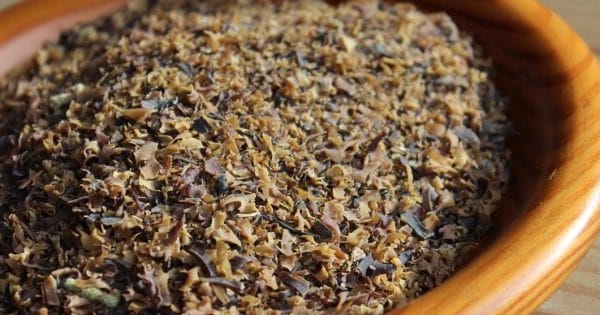
Irish moss, or carrageenan, is a red seaweed used to clarify and stabilize beer during the boil. Learn how it works, how to use it, and how it compares to other fining agents.

The brewing of the Gose style was established during the 16th century in the then-prosperous mining city of Goslar, in the north-central region of Germany (present-day Lower Saxony), which had built its wealth through silver extraction.

Chinese food is one of the oldest and most diverse cooking styles in the world, with an enormous variety of options available depending on the region of the country where they originate.

Its composition was subject to local variations and in many cases a jealously guarded secret, but the general consensus reveals that the gruit blend is historically linked to 3 herbs.

Stange (German for “rod” or “stick”) is a tall, narrow, cylindrical glass traditionally used to serve Kölsch-style beers from Cologne, Germany — full of history and tradition.

Chimay Bleue is an iconic beer from the Belgian abbey of the same name that, with its wealth of flavors and complexity, has earned a special place in the hearts of beer lovers around the world.
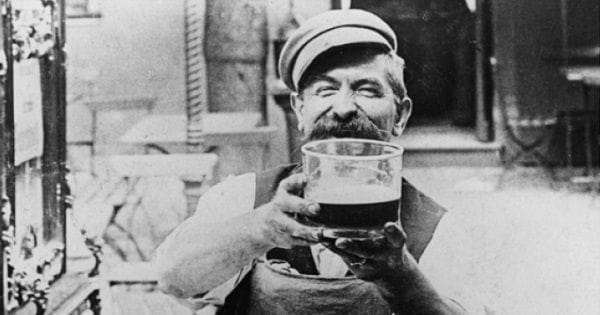
The Berliner Weisse style, also known as the “Champagne of the North,” is a beer with more than 500 years of history, originating in Germany, that today is experiencing a revival through diverse interpretations by brewers around the world.

Bubbles are small packets of carbon dioxide (CO2) seeking to escape the liquid, pushed upward by the buoyancy force described by Archimedes.


