When we talk about craft beer, there is an infinite array of aromas and flavors to enjoy, yet the same words are used far too often without distinction.


When we talk about craft beer, there is an infinite array of aromas and flavors to enjoy, yet the same words are used far too often without distinction.
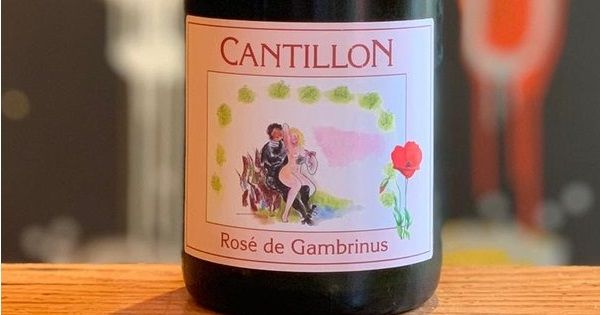
Cantillon Rosé de Gambrinus is a traditional raspberry lambic (framboise) brewed annually in Brussels since 1909, although the current name was only first used in 1986.

In the early days of history, there were no hierarchies or private property — just a vast savanna to explore and a new world to discover with seemingly endless natural resources: such were the beginnings of what we today understand as humanity.

If you are a beer lover, you have probably heard some of the long and complicated names of the yeasts and bacteria specifically used in sour beer production. We break them all down.

In simple words, beer is an alcoholic beverage made from starches obtained from cereals and other grains, flavored and aromatized with hops, which are then fermented in water with yeasts of the genus Saccharomyces.
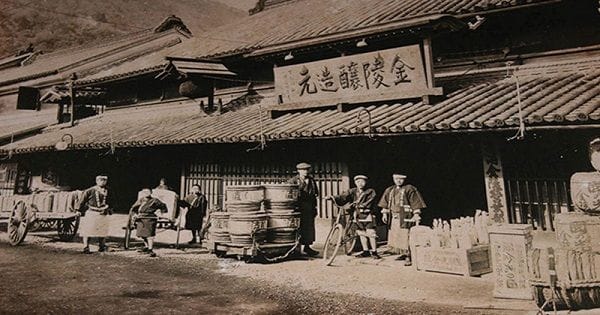
When one thinks of Japanese alcoholic beverages, sake is undoubtedly the first that comes to mind, but despite its foreign origins, beer is today without a doubt the most popular drink in Japan.
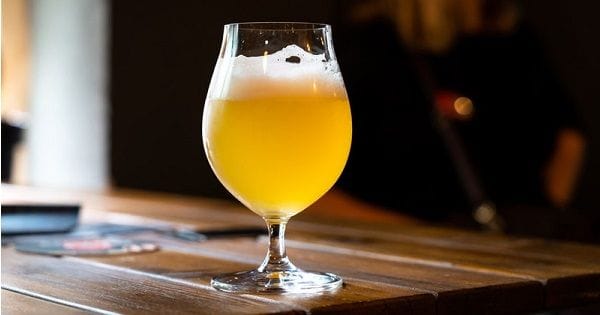
The difference between Session, Seasonal and Saison beers is a common source of confusion among beer enthusiasts and professionals alike — an understandable doubt we’ll try to clear up right here.

The yeast Saccharomyces cerevisiae is found in beer, wine, and bread, but also in research laboratories, as it is the organism that initiated modern biochemistry and molecular biology and remains a fundamental testing ground for science.

Chile’s Agricultural and Livestock Service (SAG) has taken an initiative to promote the development of Family Farming (AFC) and recognize the traditional “Pipeño” as a unique alcoholic beverage distinct from wine.

Saint Arnold is recognized for “the miracle of the beer,” which is why both the Catholic Church and the Orthodox Church consider him the Patron Saint of this beloved drink.
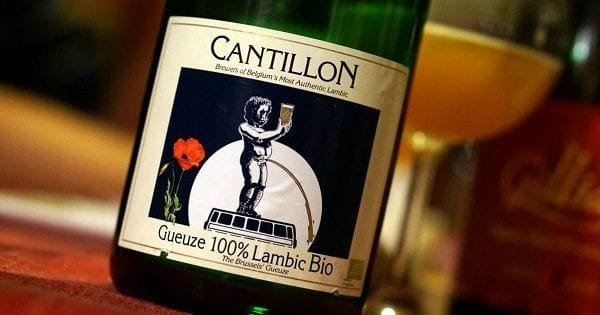
Lambic, Gueuze, and their various variants are a living relic of a time when all beer was fermented at the mercy of nature.

Fermentation is the heart of the beer brewing process: through it, wort made from malted grains is transformed into alcohol and carbon dioxide by yeast. Beer fermentation is generally divided into three stages: primary fermentation, secondary fermentation, and conditioning.


