This post is also available in:
 Español
 Português
 Français
Braggot is a hybrid of beer and mead, fermented from honey and malt, with a history as long as that of its two relatives.

Fitting every braggot under one description is hard, because there are almost as many versions as there are beer styles. The only thing they all share is the use of honey and malt in the same drink.

The BJCP mead guidelines, in their 2026 edition, define it as a mead made with malt or beer. It must come across as a mead and not simply as a beer with honey, although no specific ratio between the two is required.
History and origin of braggot
For centuries honey was a main source of sugar in the diet and a way to strengthen fermented drinks, which is why mead ranks among the oldest drinks known. Braggot is not far behind.
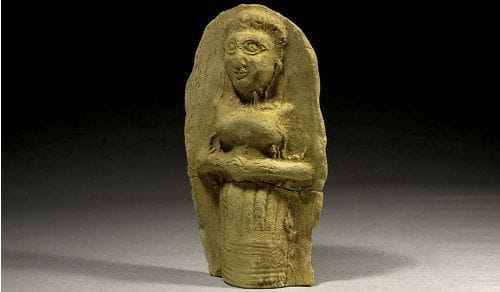
The Hymn to Ninkasi, dedicated to the Sumerian goddess of beer, already mentions honey in brewing. Much later, the Gordion tomb attributed to King Midas, excavated in the 1950s, held the remains of a drink made with malted barley, honey and grapes.
It remained part of European life for centuries, so much so that Chaucer compares a sweet mouth to bragot in “The Miller’s Tale.” In Wales it stayed a common drink until the 19th century.
Its many names hint at that geography, since bragget, bragaut, bracket, bragot and bragawd come from Irish and Welsh roots, brach and brag, that refer to the sprouting of the grains used in the drink.
Ingredients for making braggot
A good recipe is not about pouring a generous dose of honey into a beer, even if luck sometimes helps. The goal is to balance a recipe in which the honey comes through alongside the malt, hops or yeast, without all of them carrying the same weight.
If you already brew beer at home, almost everything will feel familiar, except perhaps finding a good honey. The general rule is to look for a local one, without preservatives or excessive heat during processing, and with a flavor you enjoy on its own.

The character of honey changes with the flowers the bees visit, so it pays to taste it carefully and imagine which beer it might work with. If you want to go deeper, it is worth reading up on the ingredients used to make mead.
Malt is the other star. The first braggots were most likely made with pale malts, sometimes with a smoky touch from kilning over fire, although today they range from very pale to as dark as a stout.
A good starting point is to think about the beers you already brew or your favorite styles, then adjust through trial and error.
Hops matter less than honey and malt, so much so that some versions leave them out. In the past they were often replaced by local herbs and spices.

Their main job is to counter the sweetness, which is why varieties high in alpha acids or with very aggressive aromas are usually avoided. Keep in mind that honey can ferment down to a fairly dry drink, so the final sweetness may be lower than you expect.
Yeast offers several options, because mead can be fermented with wine strains or with ale, lager or wild beer yeasts. What matters is alcohol tolerance and the character you are after.
Above a gravity of 1.120 you will probably need a very tolerant strain, otherwise fermentation may stall halfway, leaving a drink that is too sweet and lower in alcohol. From there you can add spices, herbs, fruit or vegetables.
How is braggot made?
Braggot is brewed as a single drink, not as a blend of mead and beer fermented separately. In the past, honey was added during the boil or just before fermentation.
Current mead practice moves away from heating honey, because boiling drives off much of its aroma, just as happens with hops. If your braggot is a lower-strength one, add the honey as soon as the wort has cooled.
In stronger versions, honey can be added in stages to feed fermentation instead of overloading the yeast all at once. Very fast, vigorous fermentations can also carry off part of the aroma.
To boost the honey character, you can sweeten with a small amount of raw honey at the end. Do it very carefully if the drink is going into bottles, because that sugar can ferment again and make them explode.
Braggot can be served carbonated or still, although carbonation helps offset the sweetness and lift the honey aromas. If you want to brew one, a Viking Braggot recipe is a good place to start.
This article is based on the Homebrewers Association guide to braggot.
Frequently asked questions (FAQ)
1. What is braggot?
It is a fermented drink made with honey and malt, halfway between mead and beer. The 2026 BJCP mead guidelines classify it as a mead made with malt or beer, which must come across as a mead and not simply as a beer with honey added.
2. What is the difference between braggot and mead?
Traditional mead ferments mainly from honey and water, while braggot adds malt, which brings grainy flavors and more body. It can also include hops, although they are not essential. The BJCP guidelines place it among specialty meads, in category M4A, without setting a required ratio.
3. Are bragot, bragget and braggot the same thing?
Yes, they are variants of the name of the same drink, as are bracket, bragaut and bragawd. All of them come from Irish and Welsh roots, brach and brag, related to the sprouting of grain. Today braggot is the most widespread form, the one used for example in the BJCP style guidelines.
4. How much honey goes into a braggot?
There is no fixed amount, because the BJCP guidelines do not require any ratio between honey and malt. What they ask is that the result comes across as a mead, with noticeable honey. The dose therefore depends on the intensity you want, the honey you choose and the profile of the base beer.
5. Which commercial braggots can you try?
The 2026 BJCP guidelines list as examples Atlantic Brewing Brother Adam’s Bragget Honey Ale, Kuhnhenn Braggot Mead, Meadow Vista Pictish Beast, Staropolskie Miodne and Tributary Biére de Miel. They are not easy to find outside their home markets, so brewing one at home is usually the simplest way to try it.

Recommended
- What Is Mead and How Do You Make It at Home? A Step-by-Step Guide With Recipes
- Types of Mead: Main Characteristics and Step-by-Step Tasting Guide