The story of Negra Modelo goes beyond the beer itself; it is a narrative that combines tradition, innovation, and deep cultural roots in Mexico.


The story of Negra Modelo goes beyond the beer itself; it is a narrative that combines tradition, innovation, and deep cultural roots in Mexico.
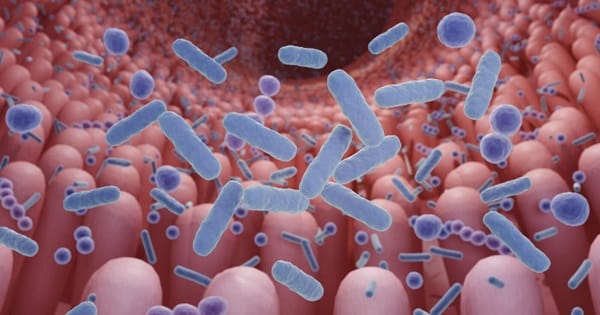
This ecosystem, formed by billions of microorganisms that reside in the digestive tract, is key for numerous physiological functions, such as digestion, nutrient synthesis, the immune response, and the production of serotonin.
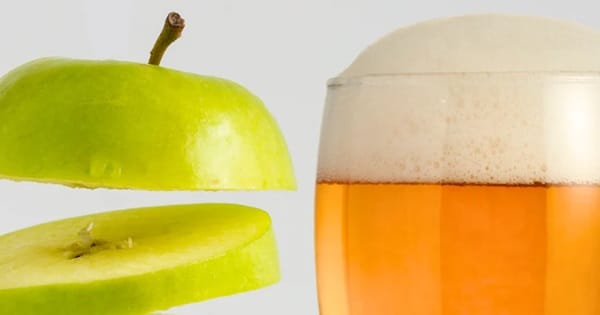
Acetaldehyde is one of the most relevant chemical compounds in beer production, both for its impact on the sensory profile and for its role as an indicator of fermentation quality.

Beer crème brûlée is a French pastry classic reinvented with Belgian Blonde Ale. A rich custard with a perfectly caramelized sugar crust — ready in under an hour.

The Egyptian scribe Amennajet narrates concisely, in an impersonal tone, unprecedented conduct unanimously adopted by the workers of the Pharaoh’s Tomb due to the poor working conditions that existed.

Discover how Mathilde Schneider defied the laws of her time and, influenced by European feminism, decided to lead a brewery and create the iconic Aventinus, a beer that revolutionized the industry at the beginning of the 20th century.

The pinnacle of the St. Bernardus portfolio is a dark-colored, ivory-foamed, top-fermented beer that is easy to drink due to its smooth flavor and fruity aroma.
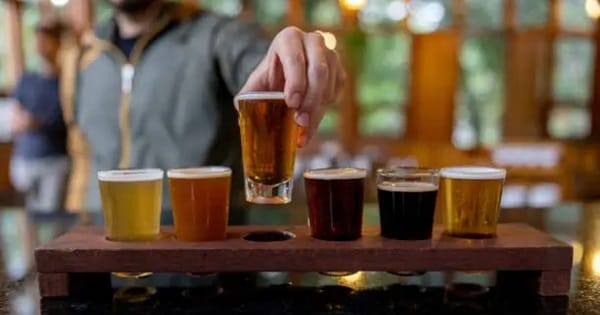
The human sensory system, though sophisticated, has clear limits. Prolonged exposure to certain aromatic and gustatory stimuli can lead to sensory fatigue or adaptation.

Parti-gyle brewing can be defined as the process of making two or three different beers from a single mash, obtaining two or three worts of different gravity, which are then boiled separately.

Our ancestors drank beer, but so did the Sumerians, who prepared it over 5,000 years ago and even had a goddess dedicated to it named Ninkasi.
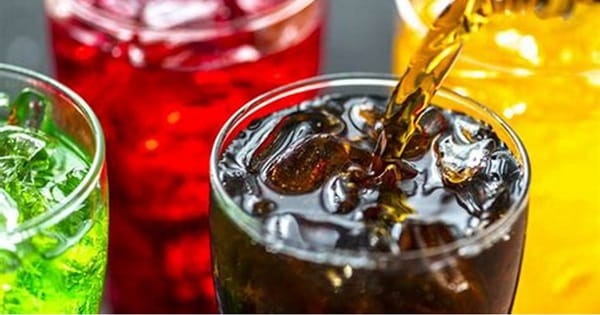
A recent study published in Nature Medicine analyzed data from 184 countries and found that sugar-sweetened beverages contributed to 2.2 million new cases of type 2 diabetes and 1.2 million new cardiovascular disease cases in 2020 alone.

The interaction between alcohol and dopamine is a neurological phenomenon that explains the immediate effects of alcohol consumption, as well as the underlying mechanisms of addiction and mood disorders.


