The Belgians point to fishermen from the Meuse River, who fried potato strips when the waters froze in the 17th century. The French point to street vendors at Paris’s Pont Neuf, who popularized them in the late 18th century.
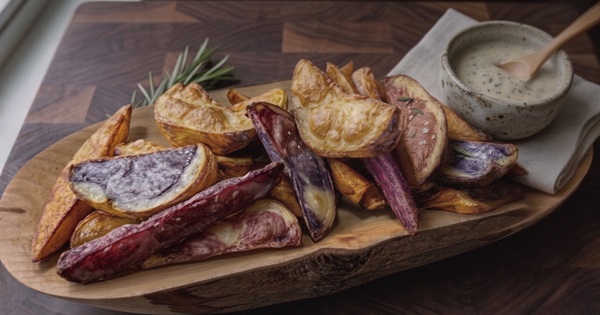

The Belgians point to fishermen from the Meuse River, who fried potato strips when the waters froze in the 17th century. The French point to street vendors at Paris’s Pont Neuf, who popularized them in the late 18th century.

The idea was born with the help of social media in 2011, with Ashley Routson and Ryan Ross as its main promoters, quickly spreading globally as one of the most important beer style celebrations.

The PERP framework offers a structural model for understanding how global warming alters the biological cycles of barley and hops, with concrete responses to maintain quality and economic viability.

Google’s algorithm doesn’t always prioritize specialized beer media, but now it allows you to add The Beer Times as a preferred content source in Google Discover in less than a minute.

Tradition holds that Pythagoras, the celebrated mathematician and philosopher who founded his school in Croton, in southern Italy, grew tired of watching some of his disciples abuse wine during symposia.

In Tusheti, a remote region of the Georgian Caucasus, the sacred drink is not wine but aludi: a beer brewed with sun-malted barley and wild hops whose recipe has been passed down from grandmother to granddaughter for centuries.

A clay tablet from the Ur III period decoded in Copenhagen records more than 120 liters of beer distributed over two consecutive days in ancient Mesopotamia, distinguishing between good beer and ordinary beer. The oldest administrative document known to formally classify beer quality.

This year’s new feature is a new category, Women Collective of the Year, sponsored by CAMRA. The deadline for submissions closes on August 30.

Behind those three numbers lies a brewing story that starts in Colorado in 1978 and a production process that sets it apart from every other lager in the mass market.
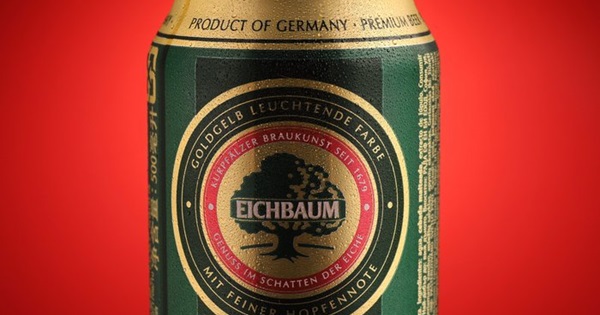
Eichbaum, founded in 1679 in Mannheim, closes in 2026 after failing to find an investor. The rescue failed and around 270 employees lose their jobs at the city’s oldest brewery.
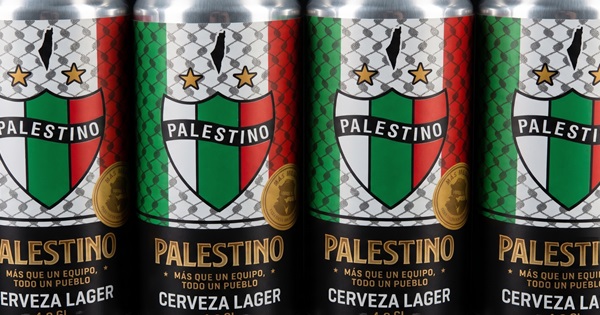
Over 500,000 people of Palestinian descent live in Chile today, where second, third, and fourth-generation families keep alive the language, traditions, and memory of a territory many have never been able to return to.
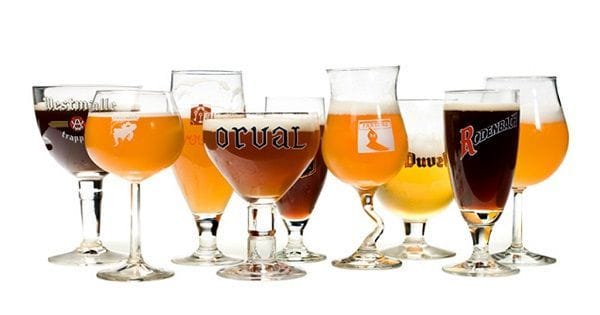
Brussels celebrates that recognition with a richer and more diverse beer scene than ever, with over 1,500 varieties, new experience spaces, and entire neighborhoods that have made beer part of their urban identity.


