This post is also available in:
 Español
  Português
  Français
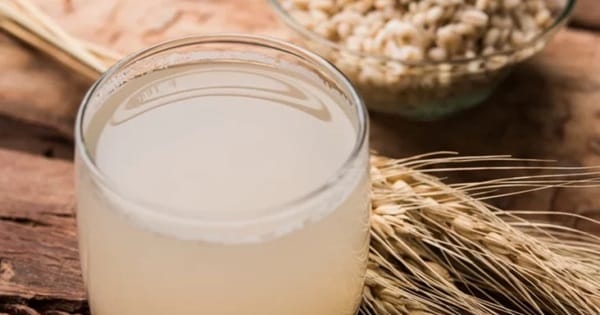
Muday is a traditional drink of the Mapuche people of Chile and Argentina, an ancestral beer made from cooked wheat that is fermented after part of the grain has been chewed. It is low in alcohol, milky white in color and plays an important role in ceremonies and community gatherings.
How to Make Mapuche Wheat Muday
Wheat muday is made by fermenting cooked grain after chewing part of it. The preparation takes patience, because every step affects the result.

Prep time: 30 minutes
Cooking time: 90 minutes
Fermentation: 24 to 48 hours
Servings: 6 people
Ingredients
- 2 cups of hulled wheat
- 5 liters (1.3 gallons) of water
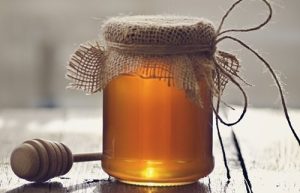
- Honey (optional)
- Mint leaves (optional)
Preparation
- Put the clean wheat in a large pot, cover with water, bring to a boil and cook for about 60 minutes or until tender, adding water if needed so it does not dry out. Remove from the heat, drain carefully and let it cool uncovered.
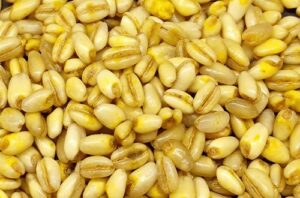
- Take about 4 tablespoons of the cooked wheat and chew it for about 30 seconds, so that saliva mixes with the grains and provides the enzyme that turns starch into sugars. Process the rest of the wheat in a food processor with 10 to 15 two-second pulses until it is partly ground.
- Boil 3 liters of water and let it cool until it can be touched without burning. Add the ground and the chewed wheat, stir until the mixture looks milky and transfer it to a jug or water dispenser covered with a clean cloth.
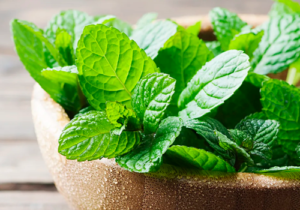
- Leave it at room temperature for 24 to 48 hours, depending on the level of fermentation you want. Serve the muday in medium glasses and, if you like, sweeten it with a little ulmo honey or add a few mint leaves.
Why Chew Part of the Grain?
Saliva contains ptyalin, or salivary amylase, an enzyme that breaks down the starch in wheat into simpler sugars, mainly maltose. Yeasts cannot ferment starch directly, so without this step the drink would have almost no sugars available.
Salivary amylase works best at body temperature and is deactivated by heat. That is why the chewed wheat must be added to lukewarm water, not boiling water. Once the sugars are available, the yeasts and bacteria present in the environment and in the containers begin to multiply and ferment the mixture.
It is the same principle other cultures of the Americas used before malting, as explained in The Beer Times article on how saliva was used to make beer.
The Preparation of Muday in Mapudungun
The following text is an excerpt from Lecturas araucanas, the collection of Mapuche narratives and customs published in 1910 by Friar Félix José de Augusta. It describes the communal preparation of wheat (kachilla) muday, in which all the women took part, from cleaning and grinding the grain to fermenting it in large vessels.
- Itrokom domó, ülcha, kusé, itro chumnechi domó nepe rumé konkei muskatun meu. Futake kütral llemai deumanekei, itro werá ká. Wichuke nieipün challák puke domó; anükefinün ka wadkükunufinün ukelelfinün kachilla tañi muskayael llemai.
- Kumelelu kachilla, lepukunukefinun ta ruka tani elam kudí. Elam kudi, uné elnekei ta chukum ka elnekei metrül kudi ka fulmalelnekei ta kuü. Fei meu mai, trür entukeinün ta domo ñi puke challá ka waichilfkefinün (takukununekei pichi rali meu) tañi tripayael ko, ka wenu purankefinün ta tufeichi kachilla tañi tripayael arem.
- Falen meu yenekei challa kudi plé. Lukutukei mai puke domó ka ültrunkunoael reké lemnekei ta kachilla. Fei meu mai itro trür ülkantukeinün pu domo: psei, passe’i, fséi, fsséi, etc. Petú mültrüntunei kachilla nülaleikei. Rupan nülalelu tofkúlen tukulnekei kiñee pichi metawe meu. Metawe meu chi tukuel fürelkefin ta muska; femuechi deumanenoel chi muska kochikellelai, kümekelai mai.
- Rupan mültrünnyekelu ta kachilla anükununekei ta challa küitral meu. Pichintu wadkülu tukulelnekei kom mültrün ka tufeichi metawe meu mülelu; ka tañi küme deifükunuael tuaikununekei. Fentrentu wadkülu flan lewetui ko; fei ula yenskei futake metawe meu meseñ pinelu tañi kochifureael lle mai. Meseñ meu epuwentu meu ta kümei ta tufeichi muska tañi putukoneael.
- Tufa-ula aimeñ winkaulu chi che tukulelkefi ta challa ñi muskapel re mültrün ka tañi kochi-füreael tukulelnekei ta lakan manchana. Femnechi mai kimnekei muska ta nielu tofkü ñi mülemünun lakan; ülemunun lakan nelai tofkü lle mai. Femnichi deumanekei muska trawun meu putuel.
The Importance of Muday in Mapuche Culture
Muday is both a nourishing and a ceremonial drink. It is used in Mapuche celebrations to bless and mark important events, and its preparation is considered an act that brings the community together.
Frequently Asked Questions (FAQ)
1. How much alcohol does muday have?
Traditional muday is low in alcohol, because its fermentation is short, 24 to 48 hours. It is drunk mainly as a nourishing, refreshing drink rather than for its alcoholic effect.
2. Can chewing be replaced with barley malt?
Chemically, barley malt provides enzymes that also turn starch into sugars. The result would no longer be traditional muday, because the cultural character of the process would be lost and the drink would in practice be a wheat and barley beer.
3. Why is ulmo honey often used?
Ulmo honey, typical of southern Chile, adds sweetness and a floral aroma that complements the flavor of the cooked wheat. It is added when serving, once the drink has reached the desired level of fermentation.
4. Which microorganisms are involved in the process?
Besides environmental yeasts, lactic acid bacteria usually take part in muday. The result is a mixed fermentation that gives it a slightly sour touch and helps preserve the drink for a short time.
5. How can you tell if muday has over-fermented?
If the aroma becomes sharp and vinegar-like, or if a thick, dark film forms on the surface, acetic fermentation has taken over. Good muday smells of fresh grain, bread and yeast.

Recommended
- Chicha de Jora Recipe, How to Make the Ancient Inca Corn Beer
- How Was Saliva from Your Mouth Used to Make Beer Before Malting and Mashing?