This post is also available in:
 Español
  Português
Although the idea of banning frozen beer glasses might sound like something out of a hipster bar campaign, the truth is there are very good reasons why you should never order — or allow — your beer to be served in a frozen glass.
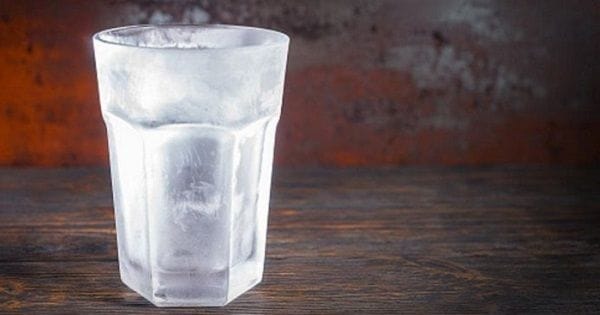
The main reason to avoid frozen glasses is that extreme cold “destroys” the aromas and flavors of the beer.

The ideal serving temperature for most beers is between 4 and 10°C. When you lower the temperature even further, you begin to mute and mask the beer’s true organoleptic characteristics.
Don’t believe me? Try comparing in real time a beer served in a frozen glass and another in a glass at room temperature.
You will detect far more flavor in the slightly chilled beer in the regular glass than in the one poured into the frozen glass. That’s just a fact.
If you are drinking a craft beer for which you spent a little more money than usual, it is presumably because you wanted to experience the true character of the beer — so don’t ruin it with a frozen glass that will strip away all its nuances.
Considering that your glass was almost certainly washed shortly before being placed in the freezer, there is a good chance that the “ice layer” on the inside surface of your glass actually contains residues of the detergent used to clean it.
That is something you definitely do not want to be drinking.
Moreover, many times these glasses are rinsed with water before being frozen, so once the inner ice layer melts, you will end up drinking your beer diluted with water. Not great, right?
On top of that, a frozen glass will absorb a whole range of aromas and flavors you do not want in your beer.

Think about the bar’s freezer. Would you eat a sandwich that had been stored in there without any protection? Certainly not. Beer is a food product too.
Whatever was in that freezer is now frozen into the ice layer coating the walls of your glass — including the essence of leftover food the bartender stored there or the cleaning product used the night before.
The same applies to your home freezer. What does food that has been kept in the ice too long actually taste like? Would you really want to do that to your beer? Again, no.
Finally, because of the extremely low temperature of the glass, far less foam will form than it should, turning your beer into a flat and lifeless product.
If what you want is a really cold beer, then consider using a beer tap, a proper beer fridge, or some fast and effective chilling method.
Frequently asked questions
1. What is the best way to chill a beer glass without freezing it?
The technique most recommended by sommeliers is rinsing with cold water just before serving (using a glass rinser or under the tap). This removes residues of dust or glass brightener, reduces friction for better foam formation, and slightly lowers the temperature of the glass without reaching the freezing point that numbs the taste buds.
2. Which beer styles benefit from higher serving temperatures?
While commercial lagers are served around 4°C, high-fermentation beers such as Imperial Stouts, Barleywines, or Belgian Strong Ales reveal their complexity between 12°C and 15°C. Serving them in frozen glasses prevents the fruity esters and malt notes from volatilizing, ruining a premium experience.
3. How does thermal shock affect foam retention?
The extreme cold of a frozen glass causes a sudden release of carbon dioxide when it comes into contact with the liquid. This generates a momentary effervescence but prevents the formation of a stable, creamy foam crown, which is vital for protecting the beer from oxidation while it is being consumed.
4. Why are thin crystal glasses better than thick frozen mugs?
Thin crystal allows for more controlled heat transfer and better visibility of carbonation and color. Thick mugs, while retaining cold for longer, tend to be made of porous glass that more easily traps freezer odors, irreversibly altering the sensory profile of the drink.
5. What is “gushing” and how does it relate to glass cleanliness?
Gushing is the sudden expulsion of foam when a beer is opened or poured. Although it is usually a brewing defect, in a glass that was frozen with detergent residues or impurities, these act as nucleation points, causing the gas to release in an uncontrolled manner and leaving the beer flat within seconds.

We recommend
- 10 strategies to implement sustainability at beer events
- The myth of beers over 100 IBU: Everything you need to know