From cereal already being fermented 13,000 years ago to the end of Prohibition, this is how beer changed human history, with its facts and its myths.


From cereal already being fermented 13,000 years ago to the end of Prohibition, this is how beer changed human history, with its facts and its myths.
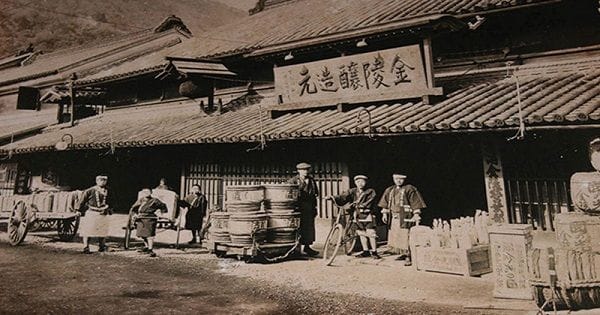
When one thinks of Japanese alcoholic beverages, sake is undoubtedly the first that comes to mind, but despite its foreign origins, beer is today without a doubt the most popular drink in Japan.
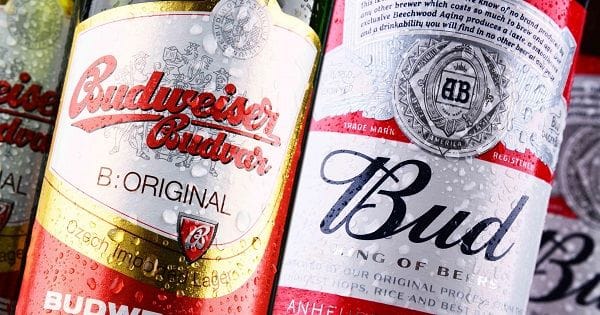
The most widely told version of this dispute says that the original Budweiser comes from the Czech city of České Budějovice, a town in southern Bohemia filled with spire-topped towers that Germans traditionally called “Budweis”.

Pierre Celis was the man who put the small Belgian village of Hoegaarden on the world beer map when in the 1960s he revived a beer style made with wheat, spices, and fruit known as Witbier (white beer).
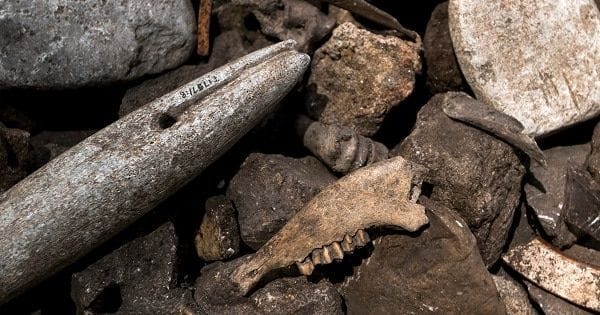
Few things delight archaeologists like centuries-old rubbish heaps. Ancient bones and stones from waste piles can tell complex stories.
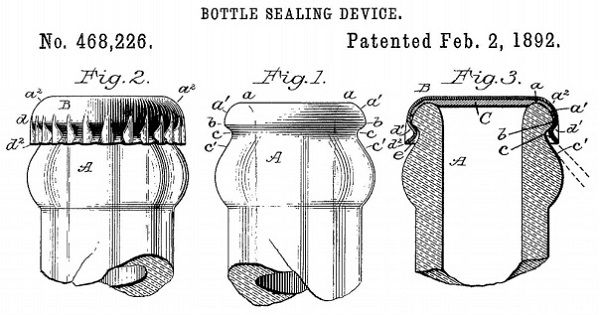
Bottle openers have become part of our personal toolkit, whether attached to our key ring, in our backpack, or as a basic kitchen utensil when going camping.
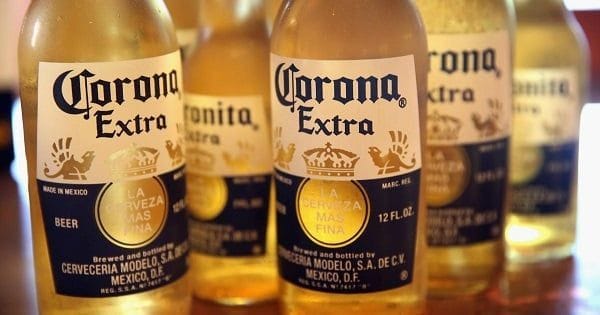
Corona Extra beer comes from Mexico and was created by Cervecería Modelo in 1926. Its history, global expansion, the Coronita case and the origin of the lime.
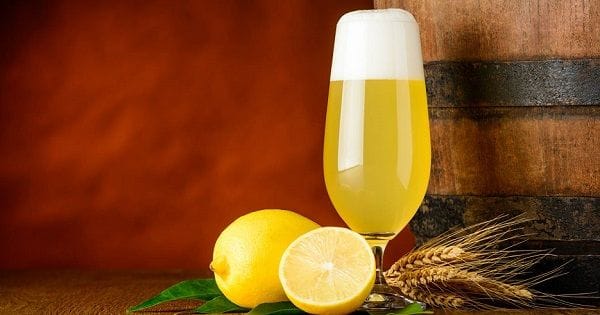
The term Radler means cyclist in German. As we delve into its history, the origins of these beers date back to 1900, as it may have been created at a bicycle club at the end of the 19th century.

The balance ratio, or BU:GU ratio (Bitterness Unit:Gravity Unit), is an original idea from brewing math first presented by beer writer Ray Daniels in his book “Designing Great Beers”.

The Netflix series tells the story of Curt Prank, a young brewer facing a dark secret. But who was his real-life inspiration?
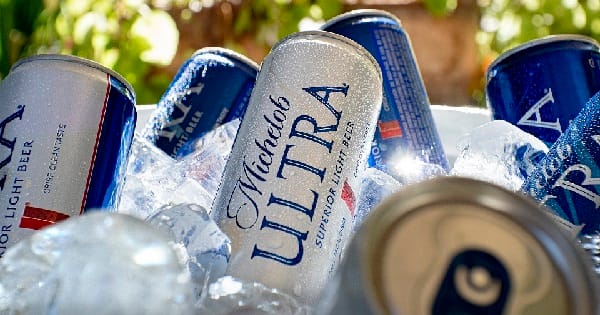
After its debut in 2002, Michelob Ultra positioned itself as the new light beer for health-conscious drinkers, fitness enthusiasts, and even athletes.

Pumpkin Ale beers are products developed from the colonization of the North American continent, as part of the discovery of new fruits and vegetables, among them the pumpkin.


