This post is also available in:
 Español
  Português
  Français
DMS in beer (Dimethyl Sulfide) is a chemical compound generated during fermentation and it is not always counterproductive; in fact, sometimes its presence is desirable.
Thus, lagers usually contain low levels of DMS, with German beers having the highest concentrations (50-175 parts per billion, ppb).
American beers, on the other hand, contain less than 100 ppb, while British ales have the lowest concentration (10-20 ppb).
However, there are occasions when the presence of DMS in beer is not appropriate for a specific style. Furthermore, our perception threshold for this chemical compound is very low (10-150 ppb).
For these two reasons, knowing how and why DMS originates in beer is vital if you are truly dedicated to brewing. Now we will go into detail.
Where Does DMS in Beer Come From?
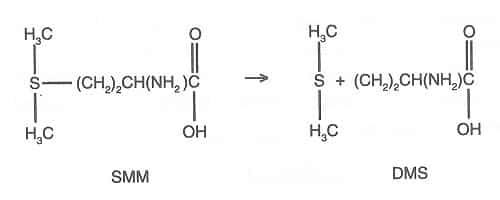
All malts contain in their chemical composition the amino acid known as SMM (S-Methylmethionine), responsible for DMS in beer.
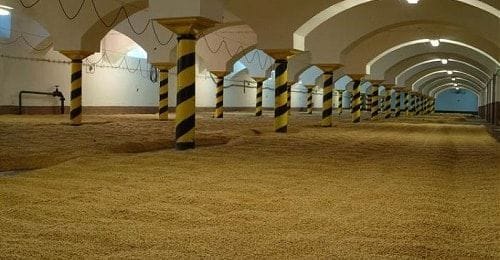
This amino acid is generated during the germination and kilning of barley. Although a malt house could slightly reduce its levels with a simple temperature adjustment, brewers can do little or nothing about it.
What we can do is find various ways to reduce the concentration of SMM, since its concentration is directly proportional to the greater or lesser presence of DMS in the wort.
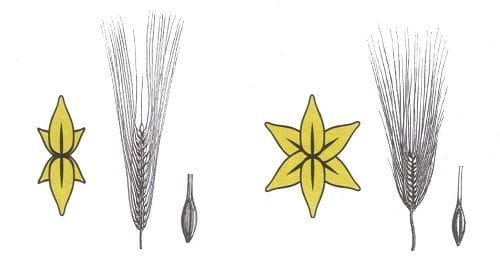
Something simple you can keep in mind is the choice of malt. Two-row malts have a lower SMM level than the concentration of six-row malts. Therefore, you can reduce the SMM concentration by choosing the right malt.
It should also be noted that the malt known as Pale Lager, used mainly for making lagers, has slightly higher SMM levels. The reason lies in the low kilning temperatures.
How Is SMM Converted to DMS?
The conversion process from SMM to DMS takes place when the SMM present in the malt is heated.
Specifically, the amino acids break down into both DMS and a variant called DMSO (Dimethyl Sulfoxide), composed of DMS and an oxygen atom.
Thus, after mashing you have a wort with DMS, DMSO, and a residual presence of SMM.
The good news? DMS is highly volatile, so part of it will disappear quickly during the wort boil. Therefore, it is during boiling that we must focus all our attention.
To give you an idea, the half-life of DMS is 40 minutes, so we could say that half of the DMS will evaporate in that time.
Following that rule, if you apply a 60-minute boil, you will eliminate 65% of the DMS. And if you extend the boil to 90 minutes, you will reduce the presence of DMS by up to 80%.
Now you know the reason why the most experienced brewers recommend boiling the wort for at least an hour and a half.
This statement, however, will be valid as long as you do not completely cover the pot where you boil the wort. If you cover it, the DMS will not evaporate.
DMS Production After Boiling
Although the main production of DMS takes place during the boil, you should not let your guard down.
DMS production continues at higher temperatures, so good advice is to cool the wort quickly after boiling.
In fact, it is said that for every hour that passes while the wort is hot, a 30% increase in DMS is produced.
The adversity is that, after boiling, there is no longer an option to evaporate the DMS, so rapid cooling of the wort is really important.

Likewise, some yeast strains tend to produce DMS during fermentation, mainly from the conversion of DMSO, which does not evaporate during boiling.
Lager yeasts or those fermented at low temperatures tend to produce more DMS, while more vigorous ale fermentations produce lower levels.
DMS Smell During Fermentation?
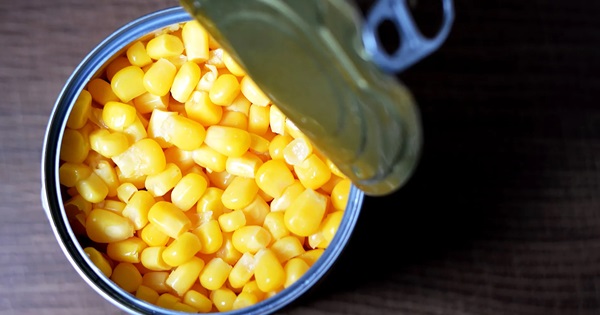
DMS aromas are reminiscent of cooked corn or even rotten eggs. However, if we perceive these aromas during fermentation (especially in lagers), do not dismiss the beer. Part of this aroma will fade naturally during lagering.
DMS in Beer by Style
Although DMS is perceptible at very low thresholds, its aroma is often camouflaged behind the robust and powerful flavors of some beer styles.
This is the case with dark beers or Strong Ales that mask DMS with toastiness or chocolate or caramel notes.
Strategies to Control DMS
Controlling the presence of Dimethyl Sulfide (DMS) in beer is essential to ensure a clean, balanced profile typical of each style.
Although small amounts may be desirable in certain types of lager, an excess can be considered a defect.
1. Proper Selection of Base Malt
The type of malt directly influences the initial concentration of S-Methylmethionine (SMM), the precursor of DMS.
Two-row malts contain less SMM than six-row malts, which translates into less DMS formation during brewing.
Likewise, pale or lightly kilned malts tend to generate more DMS, so it is advisable to adjust their proportion according to the beer style.
2. Avoid the Use of Adjuncts That Enhance DMS
Corn and other adjuncts rich in sulfur compounds can intensify the perception of DMS in the final product. If your beers present notes of cooked corn or vegetables, consider eliminating or reducing these ingredients from the recipe.
3. Prolonged and Vigorous Boiling
DMS is highly volatile, so an intense and prolonged boil (minimum 90 minutes) is key to its elimination. This time allows most of the DMS to evaporate before the wort cools.
4. Do Not Cover the Boiling Pot
Keep the pot uncovered during boiling. Covering it will cause the condensed steam, rich in DMS, to return to the wort, increasing its concentration instead of reducing it.
5. Cool the Wort Quickly
After boiling, the wort should be cooled as quickly as possible. While the wort remains hot, SMM will continue to break down into DMS, which can no longer evaporate. This step is crucial to avoid an unwanted accumulation of the compound.
6. Control During Fermentation and Maturation
During fermentation, especially in lagers, some yeast strains can continue generating DMS from DMSO.
However, in most cases, this aroma dissipates naturally during lagering (cold maturation).
That is why it is not a cause for alarm if you perceive a slight smell of cooked corn or vegetables during the early stages of fermentation.
Frequently Asked Questions (FAQ)
1. Can DMS in beer be harmful to health?
DMS (Dimethyl Sulfide) is not harmful to health at the typical concentrations found in beer. It is a natural compound that mainly affects aroma and flavor. Its control is a matter of quality and style profile, not food safety.
2. What other common off-flavors in beer can be confused with DMS?
DMS is often confused with acetaldehyde (green apple or pumpkin), which is a common byproduct of immature fermentation. It can also overlap with the flavor of rancid grain husk (humidity), although the latter is more due to a problem in mashing or milling. An experienced brewer learns to distinguish them through sensory training.
3. Is there any beer style where the presence of DMS is considered characteristic?
Yes, in certain traditional European styles, especially some German Pilsners and Helles, a very low concentration of DMS is sometimes tolerated or even slightly desired, as it can contribute to a sensation of malt “freshness.” However, in general, the modern trend in most styles is to seek a clean profile with barely perceptible DMS.
4. If my homebrew smells strongly of DMS after bottling, can I still save it?
Once the beer is bottled, it is very difficult to eliminate DMS, since there is no further evaporation possible. However, in the case of lagers, prolonged cold conditioning (lagering) can allow the yeast and time to slightly reduce the compound. In ales, if the smell is very strong, the best strategy is to prevent it in future batches by optimizing boiling and rapid cooling.
5. Do wheat or oat malts also contain SMM?
All cereal malts contain it, since this amino acid is formed during the germination process. However, concentrations can vary. DMS control remains primarily a problem related to the time and temperature of the boil and the cooling of the wort.
We Recommend
- Beer Consumption and Testosterone: How Does Alcohol Consumption Affect Your Hormone Levels?
- How Do Beer and Gut Microbiota Interact? A Fascinatingly Beneficial Relationship