
This post is also available in:
 Español
 Português
 Français
Germany has one of the richest brewing traditions in the world, with regional styles ranging from Bavarian Hefeweizen to Cologne’s Kölsch. These are 10 classic German beers worth trying at least once, each representative of a style and a region. Many are served in glasses and mugs designed for each style.
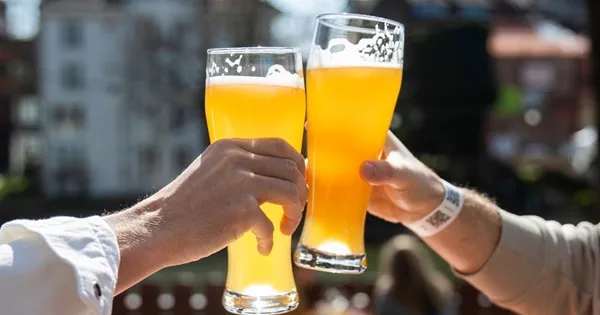
Choosing the best German beers always depends on personal taste. This selection brings together 10 of the most popular and representative.

1. Weihenstephaner Hefe Weissbier
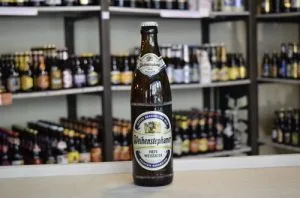
Weihenstephan is considered the oldest operating brewery in the world, with a tradition dating back to 1040 in Bavaria. Its Hefeweizen is a cloudy Bavarian-style wheat beer with sweet yeast notes and aromas reminiscent of ripe banana. It is refreshing and works well before a meal or with a light dinner.
2. Spaten Oktoberfest
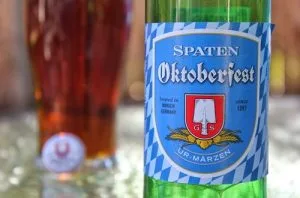
In 1872, Josef Sedlmayr brought to the Oktoberfest an amber lager brewed in March to be drunk in autumn, the Ur-Märzen, considered the first Märzen-style Oktoberfest beer. Today’s Spaten Oktoberfest continues that recipe.
Oktoberfestbier can only be brewed by six Munich breweries, Augustiner, Hacker-Pschorr, Hofbräu, Löwenbräu, Paulaner and Spaten. Spaten’s version is amber, with malty sweetness and light toasty notes.
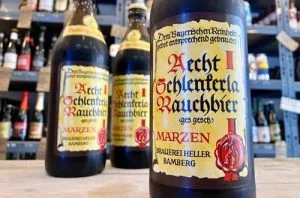
3. Aecht Schlenkerla Rauchbier
It is harder to find than the previous ones, and Schlenkerla Rauchbier is well worth it if you get the chance to buy a bottle.
Schlenkerla is a brewery tavern in Bamberg documented since 1405 that still brews this intense beer with smoked malt.
Its smoky aromas recall leather and dried meat, and it pairs very well with a hot dish of Franconian cuisine.
4. Paulaner Salvator Doppelbock
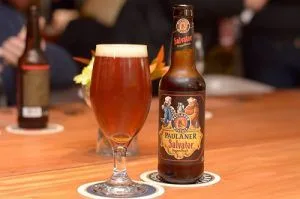
It is one of the best-known German beers in Europe.
Paulaner is a brewery with a long tradition, and its Salvator is a bottom-fermented Doppelbock full of flavor, with aromas of toasted spices, caramel and burnt sugar.
5. Schneider Weisse Aventinus Eisbock
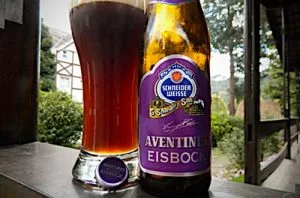
This beer made with wheat and dark malts has been brewed by Schneider Weisse since 2002 by concentrating its Aventinus. Eisbock is made by freezing part of the beer and removing the ice, which is mostly water, so the result is more concentrated.
Aventinus Eisbock reaches 12% ABV, with a full body and notes of dark fruit, caramel and spice. It pairs well with strong cheeses and chocolate desserts.
6. Augustiner Hell
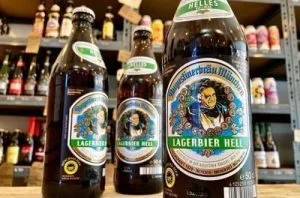
Augustiner, founded in 1328, is the oldest brewery in Munich, and its Hell is the favorite beer of many of the city’s residents.

It is foamy and smooth, refreshing and dry at the same time, and very easy to drink. Malt and hops balance out in a crisp, clean profile, ideal for quenching your thirst at any time.
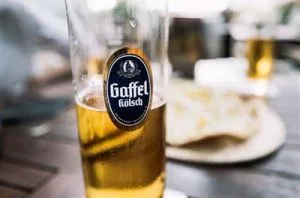
7. Gaffel Kölsch
Kölsch is a refreshing, light German beer typical of Cologne’s terraces, where it is drunk round after round.
Only beer brewed in Cologne and its surroundings can be called Kölsch. It has a soft fruity aroma, moderate hops and is served in narrow 200 ml glasses called Stange.
8. Berliner Kindl Weisse
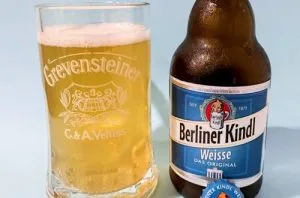
Berliner Kindl Weisse is one of the best-known brands of the Berliner Weisse style, a light, sour wheat beer that is a summer classic in Berlin.
The style has a long history. According to an often-repeated anecdote, Napoleon’s troops who occupied Berlin in 1806 called it “the Champagne of the North” because of its sparkling, elegant character.
9. Radeberger Pilsner
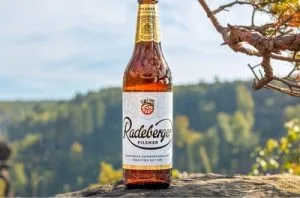
Radeberger is a clean, refreshing German Pilsner, easy to drink and a good match for almost any meal.
It is a classic Pilsner that delivers what the style promises, with a pronounced hop bitterness that leaves a dry, well-defined finish.
10. Ayinger Celebrator Doppelbock
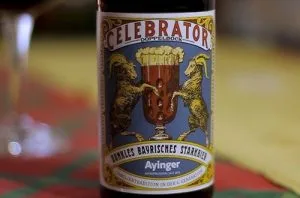
Celebrator is an almost black Doppelbock with reddish highlights and a creamy beige head.
Its flavor combines caramel, coffee, cocoa, licorice and dark fruit, the result of a balance between different malts, alcohol and restrained hops. It is one of the Doppelbocks most appreciated by tasters.
Frequently Asked Questions (FAQ)
1. What is the Reinheitsgebot or German Purity Law?
It is a rule decreed in Bavaria in 1516 that stated beer could only be made with water, barley and hops. Yeast was added later, once its role in fermentation became known. Current legislation is more flexible, and many traditional German breweries still present their beer as brewed according to that standard.
2. At what temperature should German beer be served?
It depends on the style. Light varieties such as Helles and Pilsner are served at 6 to 8 °C (43 to 46 °F), wheat beers at 8 to 10 °C (46 to 50 °F), and dark or strong beers such as Doppelbocks show their complexity best at 10 to 12 °C (50 to 54 °F).
3. Why do Germans look each other in the eye when toasting?
In the German toast, or Prost, it is customary to keep eye contact with the other person while clinking glasses. Looking away is considered impolite, and according to a popular superstition it brings seven years of bad luck in love.
4. What is the difference between a Helles and a Pilsner?
Both are pale lagers with different profiles. Helles was born in Munich and has a malty profile, with body and a soft sweetness that dominates the bitterness. Pilsner is drier and crisper, with a more pronounced hop bitterness, and is more popular in the north and west of the country.
5. Is German beer stronger than beer from the rest of Europe?
Generally not. Everyday beers such as Pilsner, Weizen or Helles have between 4.5% and 5.5% ABV, similar to the European average. The reputation for strong beer comes from styles such as Bock, Doppelbock or Eisbock, which exceed 7% and, in the case of Aventinus Eisbock, reach 12%.

Recommended
- 5 Brewing Schools You Should Know, A Journey Through Their Most Notable Traditions
- Paulaner Salvator Doppelbock, Tasting Notes and Recommended Pairings