This post is also available in:
 Español
  Português
Beer, one of the oldest and most universally appreciated beverages, raises many questions about its shelf life, and one of the most common is whether beer really expires or goes bad over time.

Like most food products, beers carry an expiration date on their packaging — but how decisive is that date when it comes to the quality and safety of the product?

When Does Beer Expire?
The date printed on beer bottles or cans is, in essence, the manufacturer’s guide to the period during which the product should maintain its best flavor and freshness.
However, this date should not be seen as a strict dividing line between quality and unsuitability for consumption.
Unlike highly perishable foods, beer has a greater tolerance for being kept past the indicated date, provided it is stored under proper conditions.
Key Factors to Consider
Storage is crucial for the longevity and quality of beer. To preserve its characteristics, beer should be stored in a cool, dark place away from direct sunlight.
Extreme temperatures and light exposure can accelerate the deterioration of beer, altering both its flavor and appearance.
Beer Types and Their Shelf Life
The durability of a beer can vary significantly depending on its type and brewing characteristics:
1. High-Alcohol Beers
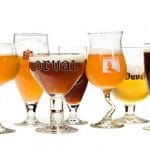
Strong beers with a high alcohol content, such as abbey ales or barrel-aged beers, can benefit from a maturation period.
Similarly to some wines, these beers can develop more complex flavors over time.
2. Light and Fresh Beers
Beers with lower alcohol content, such as lagers and light ales, are at their best when consumed fresh.
These beers typically lose their desirable qualities if stored for extended periods.
Signs of Spoilage
Although most beers do not deteriorate in the same way as perishable foods, there are several signs that may indicate a beer has lost its freshness or started to go off:
1. Altered Flavor
A vinegary, stale, or metallic taste can be an indicator that the beer has lost its quality.

These flavors are often the result of prolonged oxidation or inadequate fermentation.
2. Change in Appearance
The presence of sediment, changes in color, or unusually high effervescence can signal storage problems or excessive aging.
Sediment formation can be common in unfiltered or craft beers, but noticeable changes in clarity or color may be cause for concern.
3. Unpleasant Smell
A musty, stale, or any other unusual aroma can indicate that the beer has passed its best. Unpleasant odors are usually the result of unwanted microbial activity or inadequate exposure to air.
The Value of Freshness
The expiration date on beers provides guidance on the optimal period to enjoy the beverage at its best.
However, it is essential to understand that this date does not mark a rigid limit, as freshness and proper storage play a crucial role in maintaining beer quality.
Enjoying a beer before its recommended date will guarantee an optimal flavor experience, but a correctly stored beer can still offer a good experience beyond that date.
In short, beer rarely “expires” in the same way as perishable products, and the date on the label should be seen more as a recommendation than a strict rule.
Correct preservation and sensory evaluation are key to ensuring a satisfying experience when enjoying this venerated beverage.
Frequently Asked Questions (FAQ)
Does pasteurization affect the best before date?
Yes, pasteurization extends the shelf life of beer. This process eliminates most of the microorganisms that could cause refermentation or spoilage, allowing the manufacturer to set a longer best before date for pasteurized beer compared to unpasteurized beer, which depends more strictly on the cold chain.
What is the impact of sunlight on hop compounds that creates a “skunky” smell?
Ultraviolet (UV) light, especially sunlight, rapidly breaks down isohumulones (bitter hop compounds) in beer. This reaction produces 3-methyl-2-butene-1-thiol molecules, a chemical compound also found in the defensive secretion of skunks, which is where the name comes from. This process occurs within minutes and is the main reason brown bottles (which block UV light) are used instead of transparent ones.
Is it safe to freeze and then thaw beer to extend its shelf life?
No, freezing beer is not recommended. Although freezing would halt flavor deterioration, the process would cause the water to expand inside the liquid. This can not only break the bottle or can, but can also permanently damage the foam structure and cause protein precipitation upon thawing, resulting in a hazy beer with a watery flavor.
What could a bulging can bottom indicate?
A bulging can is a serious warning sign. It indicates unwanted secondary fermentation or contamination by wild yeasts or bacteria that have produced excess CO2 inside the sealed container. This not only creates the risk of the container exploding, but can also be an indication of dangerous microbial activity that makes the beer unfit for consumption.
How can you tell if a lager has lost its freshness before the recommended date?
Loss of freshness in a lager or light ale first manifests as a reduction in hop aroma (it loses its brightness and fruity/citrus notes) and a decrease in carbonation liveliness. If malt flavors become excessively dominant or if faint honey or toasted bread notes appear (early signs of oxidation), the beer has passed its best drinking window.