This post is also available in:
 Español
  Português
Why is a slice of lemon placed on the neck of clear glass beer bottles and not on others? It is a mystery that has never really been clear until now.
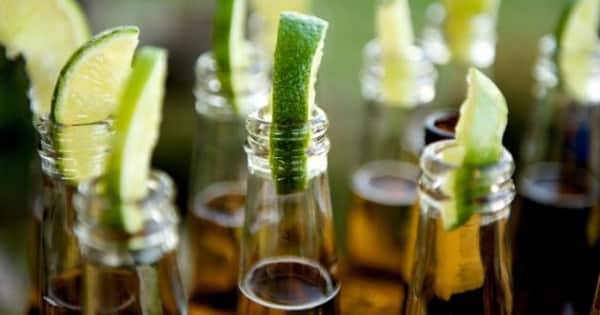
There are many reasons put forward and many questions as well, but there is only one scientific reason that somehow supports this unusual fact: the photochemical degradation of beer.
The photochemical degradation of beer
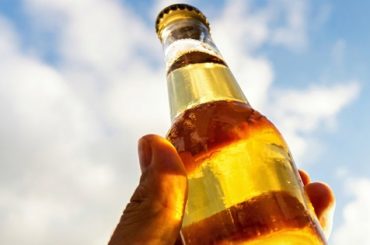
Both sunlight and artificial fluorescent light irreversibly damage the quality of beer.
Brewers have documented the problem at least since 1875, and it is for this reason that beers are generally packaged in amber or green bottles, as they have the ability to filter up to 85% of ultraviolet rays.
This simple measure is necessary and essential, because otherwise, in a very short time, ultraviolet rays will damage the fine and elegant aroma from the hops, transforming it into an unpleasant aroma resulting from a photochemical reaction that generates sulfurous components.
You may have noticed it when opening a clear glass beer that was left in the sun, as the intensity of the deterioration caused by lighting depends on the distance and power of the light source.
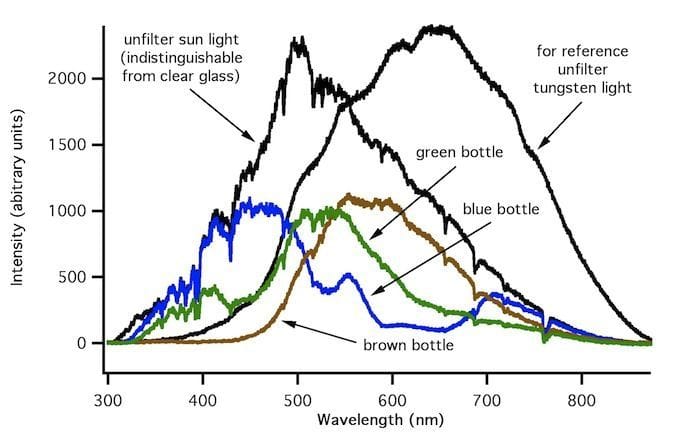
That is why, in refrigeration units that have lighting, beer should be placed as far away from the lights as possible.
Lemon, in these cases of degradation, is just an excellent weapon to improve the aroma and taste of this type of beer, a taste that, by the way, usually pleases young people a lot but not brewers, who describe it as “a soft drink with alcohol.”
It was in 2001 when chemists at the University of North Carolina at Chapel Hill discovered the details of why beer deteriorates with light.
Using high-tech equipment, they were able to explain the precise chemical reactions that occur when isohumulones undergo photodegradation.
Humulones and isohumulones
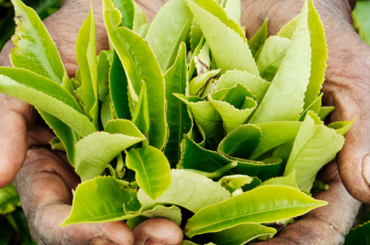
Hops contain a group of compounds called humulones that are highly insoluble in water, but during wort boiling they undergo a chemical rearrangement, forming a new group of compounds called isohumulones, which are soluble in water.

These compounds give beer its characteristic bitterness and also its “bacteriostatic” effects. In other words, they prevent bacteria from growing during storage.
Before refrigeration and pasteurization arrived, the only way to prevent beer from spoiling was to use alcohol and hops.
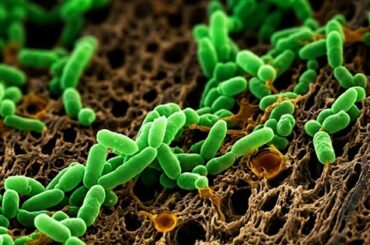
Alcohol provided an unfavorable environment for microbial action, and the isohumulone content of hops inhibited the growth of bacteria such as Lactobacillus.

Thus, high alcohol content or a high hopping rate could protect beer and prevent it from turning sour due to long storage periods.
To test how isohumulones photodegraded with light, the chemists at the University of North Carolina decided to experiment.
They fired 3 laser beams at three isohumulones and used an electron paramagnetic resonance device to measure the compounds created in the process.
Thiols and skunky odor
The focused laser light broke down the isohumulones, producing thiols, a compound with an extremely unpleasant odor, the sulfur analogs of alcohols.
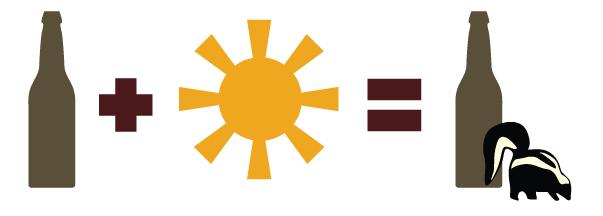
Specifically, it degraded into 3-methyl-1-butanethiol and 2-butene-1-thiol, which are the components that give the bad smell to skunk spray.
Natural gas and liquefied propane also have small amounts of volatile, low molecular weight thiols added to them as an easily detectable warning agent in case of leaks.
Brewing companies are beginning to understand the importance of this research, always looking for ways to reduce costs through methods such as packaging beer in clear bottles, which is cheaper.
Since taste is an important factor in driving sales, companies must find methods to preserve flavor against this degradation effect.
In fact, there are already some brands that apply these protection techniques by adding chemically modified hops.
Frequently Asked Questions (FAQ)
1. How are the thiols generated by light related to natural gas and liquefied propane?
Thiols are a family of organic chemical compounds that contain sulfur, also known as mercaptans. The thiols responsible for the bad smell in beer are 3-methyl-1-butanethiol and 2-butene-1-thiol. In turn, volatile, low molecular weight thiols are intentionally added to natural gas and liquefied propane (which are odorless themselves) to serve as an easily detectable warning agent in case of leaks due to their extremely strong and unpleasant odor.
2. What is the chemical difference between humulones and isohumulones?
Humulones are bitter acids naturally found in hops and are insoluble in water. During the wort boiling process, they undergo a chemical rearrangement called isomerization. This process converts them into isohumulones, which are soluble in water, provide beer’s characteristic bitterness, and have bacteriostatic effects (against Lactobacillus), which is essential for beverage stability and preservation.
3. What other factors negatively affect beer aroma and quality?
Oxidation (excessive exposure to oxygen) causes cardboard or sherry-like flavors. Excessive heat accelerates aging and produces sweet or honey-like flavors. Finally, light action in certain beers can generate diacetyl (butter/popcorn flavor) or produce undesirable compounds if fermentation was incomplete or poorly managed.
4. What strategies are brewers implementing to use clear glass without affecting flavor?
Using clear bottles is cheaper than amber or green. To take advantage of this savings without compromising quality, the brewing industry has developed chemically modified hops. Specifically, they are using reduced isohumulones or derivatives that have been altered to be photostable; that is, laser light cannot break their chemical bonds to form thiols, preserving flavor and allowing the use of transparent containers.
5. How was beer preserved before the invention of refrigeration and pasteurization?
Before the arrival of refrigeration (late 19th century) and pasteurization (mid-19th century), brewers relied on two key elements for preservation. First, high alcohol content provided an unfavorable environment for microbial action. Second, a high hopping rate ensured a high isohumulone content in the beer, whose bacteriostatic effects inhibited the growth of bacteria that could sour or spoil the beverage during long storage periods.
Recommended
- 6 tips for brewing sour beers at home by Michael Tonsmeire
- 20 beer cocktail recipes to prepare and enjoy at home