This post is also available in:
 Español
  Português
Lager-style beers, one of the most widely consumed styles in the world, have traditionally been valued for their balance of bitterness, sweetness, and refreshing body.
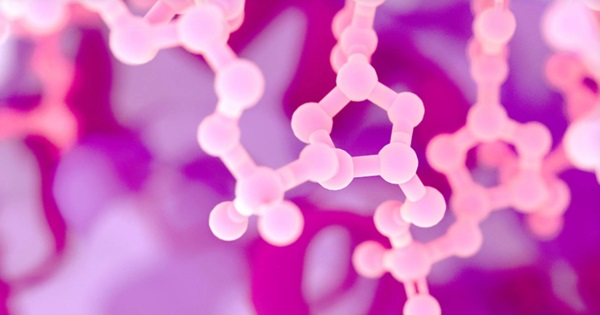
This study, published in Foods (Wu et al., 2025), represents the first systematic analysis of umami peptides present in lager beer and their multidimensional effects on the sensory properties of the beer body.

Peptide identification and methodology
The work combined advanced liquid chromatography coupled to mass spectrometry (LC-MS/MS) techniques and machine learning to identify peptides with umami potential in lager beer samples at 8°P.
Proteins were processed without enzymatic digestion, using a mass tolerance of 10 ppm and validating results via de novo sequencing with ALC confidence ≥ 90%.
A total of 906 peptides were identified, of which 76 showed potential umami activity according to predictive models such as UMPred-FRL, Tastepeptides-Meta, and Umami-MRNN.
The peptide distribution revealed a predominance of short chains, mainly penta- and tetrapeptides, rich in aliphatic residues such as leucine, valine, and alanine, suggesting a compact structure favorable for interaction with taste receptors.
Molecular modeling and docking
The umami flavor is detected by the heterodimeric receptor T1R1/T1R3, whose three-dimensional structure was modeled by homology using the metabotropic glutamate receptor (mGluR1) as a template.
The model showed an identity greater than 33% with the reference protein and geometric quality verified by Ramachandran analysis (>97% of residues in permitted regions).
Candidate peptides were docked to the receptor using the CDOCKER protocol, revealing that the active site consists of a narrow cleft between the T1R1 and T1R3 subunits.
The most stable peptides, with highest affinities (most negative docking energies), were DEVR, KSTEL, DELIK, PVPL, IEKYSGA, and DIGISSK, all derived from malt or yeast components.
Molecular dynamics simulations
Molecular dynamics (MD) simulations of 100 nanoseconds were performed using the AMBER 22 package, with the ff14SB force field and explicit TIP3P water model.
The system was equilibrated at 298.15 K and 1 atm, recording trajectories every 10 ps. Complex stability was evaluated using parameters such as root mean square deviation (RMSD), radius of gyration (Rg), and solvent accessible surface area (SASA).
The results showed that DELIK and DEVR formed the most compact and stable complexes, with RMSD between 3.5 and 4.5 Å. Free binding energy analysis using the MM/GBSA method yielded the following values (kcal·mol⁻¹):
| Peptide | ΔG_bind ± SD (kcal·mol⁻¹) |
|---|---|
| DEVR | −44.09 ± 5.47 |
| KSTEL | −43.21 ± 3.45 |
| IEKYSGA | −39.60 ± 4.37 |
| PVPL | −39.53 ± 2.52 |
| DELIK | −36.14 ± 3.11 |
| DIGISSK | −26.45 ± 4.52 |
These figures demonstrate strong receptor-ligand affinity, especially for DEVR and KSTEL, whose negative values indicate very favorable electrostatic and Van der Waals interactions.

Where the terms represent, respectively, the Van der Waals, electrostatic, polar, and non-polar energy contributions to the binding process.
Sensory evaluation and taste thresholds
The six peptides were synthesized with ≥90% purity and added individually to pilot beers.
Sensory evaluation was conducted with a panel of 20 trained tasters under ISO 4120 and 11035 standards, using a scale of 0 to 9 for 13 sensory attributes.
Taste thresholds determined using the taste dilution analysis (TDA) method showed a clear correlation with binding energies:
| Peptide | Threshold (mmol·L⁻¹) | Umami increase |
|---|---|---|
| DEVR | 0.121 | +17% |
| KSTEL | 0.217 | +21% |
| DELIK | 0.406 | +22% |
| PVPL | 0.589 | +11% |
| IEKYSGA | 0.326 | +2% |
| DIGISSK | 0.696 | +2% |
Short peptides with complementary acid-basic terminals (Asp/Glu and Lys/Arg) demonstrated greater sensory efficacy, reinforcing the hypothesis that electrostatic interactions between the peptide’s carboxyl group and the receptor’s charged residues are essential for umami perception.
Discussion and conclusions
The integration of peptidomic techniques, molecular modeling, and sensory validation established a “polar and hydrophobic clamp” recognition mechanism, where residues Arg255 (T1R1), Lys155, and Glu178 (T1R3) act as primary anchors.
The most effective peptides showed compact β-turn structures and a balanced distribution of polar and nonpolar amino acids.
From a sensory standpoint, the addition of KSTEL, DELIK, and DEVR intensified umami, smoothness, and body sensation, though it slightly increased unwanted secondary flavors.
In contrast, longer peptides such as DIGISSK and IEKYSGA reduced the harmony of the taste profile.
The study concludes that short-chain umami peptides are the main modulators of lager beer body, offering a theoretical basis for the development of formulations aimed at enhancing sensory complexity without resorting to external additives.
Frequently asked questions (FAQ)
Why are peptides important in the sensory chemistry of beer?
Peptides, short protein fragments, directly influence the sensory properties of beer. They can modulate flavor, texture, and body stability by interacting with human taste receptors, as well as contributing to foam formation and flavor retention during storage.
How do peptides originate during beer brewing?
These compounds are generated mainly during the malting and fermentation stages, when enzymes hydrolyze the proteins of the grain and yeast. The type of malt, mashing temperature, and the proteolytic activity of the yeast determine the quantity and composition of the resulting peptides.
What role do computational models play in the study of flavor?
Molecular simulations allow us to visualize how compounds interact with human taste receptors at the atomic level. This makes it possible to predict which molecules have the greatest umami flavor potential and reduces the need for extensive sensory trials, accelerating research and development of new beer products.
Could this knowledge be applied to improve other fermented foods?
Yes. The identification of umami peptides and their interaction with taste receptors opens up possibilities for optimizing the sensory profile of foods such as wines, cheeses, or fermented soy products. Understanding these mechanisms allows the development of foods with more balanced and natural flavors without artificial additives.
Reference
Wu, Y., Yin, R., Guo, L., Song, Y., He, X., Huang, M., Ren, Y., Zhong, X., Zhao, D., Li, J., et al. (2025). The identification and analysis of novel umami peptides in lager beer and their multidimensional effects on the sensory attributes of the beer body. Foods, 14(2743). https://doi.org/10.3390/foods14152743


We recommend
- Ancient beers? From Finnish sweet Sahti to African Dolo spirit
- Brewer’s spent grain as an alternative to combat bacterial infections in salmon