This post is also available in:
 Español
 Português
 Français
Plastic, as a packaging material, has changed the way we live quite a lot. It is cheap, it can be molded into practically any shape, and it is generally easy to recycle.
Beer is hardly ever packaged in plastic because PET lets oxygen and CO2 through, which cuts its shelf life to a few weeks. On top of that, PET does not handle pasteurization well, and that is why glass and cans still rule.

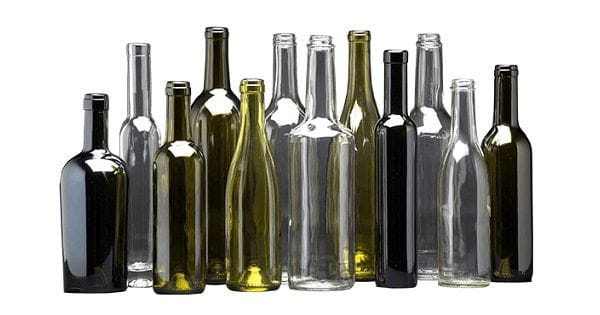
Why do we still use glass bottles and cans to store beer or wine? Is it about looks? About flavor? Are there other factors at play?
Is Beer Sold in Plastic Bottles?
Many people will be surprised to learn this, but beer is sold in plastic bottles in some parts of the world, for example in Russia.
Carlton & United Breweries was the first to introduce beer in 1996 in PET (polyethylene terephthalate) bottles, a type of plastic widely used for drink packaging.
That 500 ml Carlton Cold was designed mainly for events where glass is banned. Its shelf life was only about 7 weeks, according to Packaging World.
At the London 2012 Olympic Games, Heineken, the official sponsor of the Games, served its beer in recyclable PET bottles at venues where glass could not be used. This was a requirement of the organizing committee, which asked for recyclable PET containers, according to PlasticsToday.
Russia is the market where it was used most. In 2016 it limited PET beer containers to a maximum of 1.5 liters, with production in larger formats banned from January 1, 2017, when those containers accounted for around 20% of sales, according to The Moscow Times.
In Spain, Heineken installed a PET line at its Jaén plant in June 2026 for its Ladrón de Verano brand in 1-liter bottles, according to Alimarket. In that category PET already accounts for around 90% of volume.
So why is this practice not more widespread? Isn’t it a practice with nothing but advantages? Well, apparently not.
Perhaps the most relevant answer for us as customers is that packaging in plastic bottles can affect flavor.
It is scientifically recognized that the thickness of the glass affects how we perceive the liquid. To savor a good wine or a good beer, you need to drink it from the right vessel.
Why Glass and Not Plastic?
Plastic is much more porous than glass, which is itself almost impermeable to oxygen and carbon dioxide.
In simple terms, this means that beer, soda or wine stored in plastic would more easily lose the carbon dioxide that makes it fizzy in the first place.
The other advantage of glass is that it is a neutral material, it does not react chemically with whatever you store inside it.
Quoting Glass is Life:
When you eat or drink something from glass, you are experiencing the pure taste of the food or drink, nothing more, nothing less.
Plastic, on the other hand, is full of chemicals that could leach into your beer or wine and ruin it. Plastic is often used to store non-alcoholic drinks.
When stored at room temperature or below, the amount of antimony that leaches out is generally considered safe, but as temperatures rise, so does the level of antimony in your drink.
When stored in an uninsulated garage for a few months in summer or in other hot areas, levels can exceed the limits recommended by the US Environmental Protection Agency (EPA), as Gizmodo reported in 2014.
There are dissenting voices. In 2000, Miguel Puyalto, then managing director of ANEP (Spain’s National PET Packaging Association), summed it up this way in Interempresas.

The Spanish market amounts to some 6 billion beer containers (glass and can), of which between 3 and 3.5 billion could be packaged in PET.
Why Do Cans and Glass Withstand What Plastic Cannot?
As for aluminum cans, like glass, they are a relatively impermeable material, which makes them an ideal storage container for beer or wine.
Interestingly, the inside of aluminum cans is coated with a special material to reduce the risk of aluminum passing into the drink.
For years aluminum was linked to Alzheimer’s disease. Current evidence does not show a causal relationship, according to a 2022 review by PolitiFact.
In any case, aluminum cans also have the advantage of being completely opaque, protecting the drink from light far better than other containers, as we explain in bottle or can for craft beer.
Another problem with plastic bottles is that they simply cannot cope with the pasteurization process that most beers go through.
After the beer has been brewed and packaged, the usual practice is to run it through a tunnel that sprays it with hot water to heat the liquid and kill any microbes that may have survived brewing.
The bottle also has to survive pasteurization. In the tunnel the beer is held at about 60 to 64 °C, and the treatment is measured in pasteurization units, where one unit equals one minute at 60 °C, according to Fabrico.
All of this ensures the beer is safe to drink, greatly improving its shelf life. While glass bottles and cans are more than capable of withstanding this process without incident, plastic bottles tend to deform.
This means you either have to skip the process entirely or use a much tougher plastic, which raises the cost, something companies are not willing to take on.
Are There Plastic-Packaged Beers and Wines That Work?
There were exceptions. In 1999 Carlsberg launched returnable 38 cl PEN bottles in Denmark for Carlsberg and Tuborg, designed for about 20 uses and with a 3-month shelf life, according to Packaging World.
Carlsberg later tried another route. In 2022 it handed out 8,000 bottles with a wood-fiber shell and a plant-based PEF inner lining in 8 European markets, a pilot test with no record yet of commercial sale (Drinks Intel, 2022).
In Spain, Cruzcampo (Heineken) also uses a five-layer barrier material in its plastic containers. Some of these layers create an active barrier to oxygen and a passive barrier to CO2.
Wine has tried too. In 2020 Garçon Wines and Accolade launched a flat 75 cl bottle in 100% recycled PET in the UK for Banrock Station, weighing about 63 g, 87% less than a glass one (Packaging Europe).
The future is uncertain. Production mechanisms and methods evolve and change. Who can say for sure that a decade from now we won’t be drinking wine and beer from plastic bottles?
We have even seen coffee and wine combined in the same can, so anything is possible. What is certain is that, for now, glass and aluminum will remain the most widely used materials.
Meanwhile, innovation is moving along other paths, such as smart packaging that monitors the condition of the drink. And if you are interested in keeping beers for a long time, check whether cans are suitable for aging beer.
Frequently Asked Questions (FAQ)
1. Why Isn’t Beer Sold in Plastic Bottles?
Because PET lets oxygen and CO2 through, so the beer loses carbonation and oxidizes within a few weeks. The first PET beer, the 1996 Carlton Cold, lasted about 7 weeks, and PET does not handle tunnel pasteurization well either.
2. Is There Beer in Plastic Bottles?
Yes. Carlton & United launched it in Australia in 1996, Heineken served it at the London 2012 Games, and in Russia it is sold in PET of up to 1.5 liters. In Spain, Heineken opened a PET line in Jaén in 2026 for its Ladrón de Verano brand.
3. Is It Dangerous to Drink Beer From a Plastic Bottle?
At room temperature or below, the amount of antimony that passes from PET into the drink is considered safe. The risk increases if the bottle spends months in the heat, so it is best kept in a cool place.
4. Which Container Preserves Beer Better, Glass or Can?
Both are almost impermeable to oxygen and CO2. The can is also completely opaque and protects the beer from light, while glass is neutral and lets you see the drink.
5. Can Wine Be Packaged in Plastic?
It can, and it already exists, although it is a niche. In 2020 Banrock Station launched a flat 75 cl bottle in recycled PET in the UK that weighs 87% less than a glass one.

Recommended
- Bottle or can for craft beer? 4 things to consider
- What is smart packaging and how will it shape the brewing industry of the future?