This post is also available in:
 Español
  Português
Many beer enthusiasts are often unaware that beer styles were originally highly dependent on the geology of the area where the water for brewing was obtained.
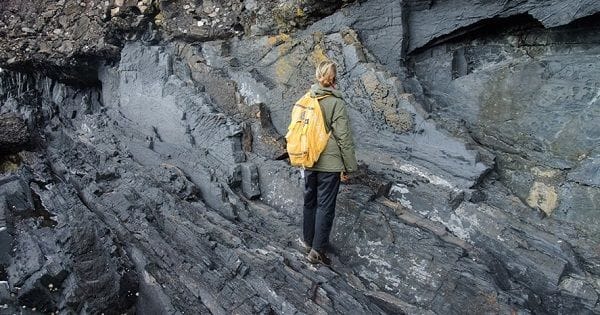

Think of the regions world-renowned for their beers. The bitter finish of an English IPA, the clean taste of a Czech Pilsner, or the dark, almost burnt graininess of an Irish Stout are attributes of the power of geology.
Beer is over 90% water, and the geology through which the water percolates makes all the difference in the final process.
The minerals dissolved in the water can make a beer an outstanding product or simply undrinkable.
Water cations for brewing beer
There are four cations (ions with a positive electrical charge) in water that are particularly significant for the beer brewing process: calcium, magnesium, sodium, and potassium.
For example, calcium is critical for yeast to function effectively. It also controls the pH of the wort and aids in coagulation and flocculation. Therefore, distilled water will not work for brewing beer.
In general, areas with softer water produce golden beers and darker beers, while those with more mineral-rich water are more conducive to paler, hoppier beers.
Water types and beer styles
The fact that certain types of beer develop better with certain types of water was discovered by trial and error long before an understanding of water chemistry was developed.
The monks of Burton-on-Trent, Great Britain, began brewing beer in the 6th century using well water extracted from the Permo-Triassic sandstones rich in evaporites, located on the outskirts of the city.
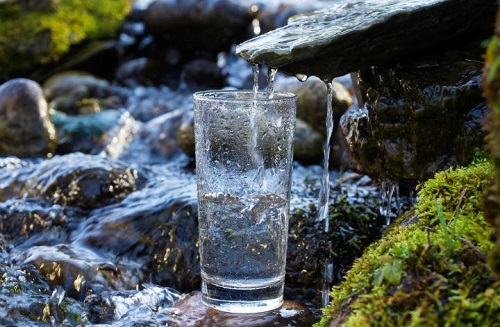
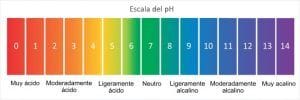
These waters had a pH of 5.0 to 5.5, ideal for extracting sugars from malted barley steeped in hot water, an important step known as mashing.
Such hard water, rich in calcium and sulfate (295 ppm calcium, 300 ppm bicarbonate, 725 ppm sulfate), highlights the typical bitterness of classic English beers and helps prevent their spoilage.
Sulfate enhances the flavor of hops, and its preservative characteristics allow the beer to survive sea transport, as happened, for example, with the birth of IPA beers or “India Pale Ale.”
The soft water of the Pilsen region in the western Czech Republic (7 ppm calcium, 3 ppm bicarbonate, and practically no sulfate) led to the development of the light, clean-tasting beer that we now know as Pilsner.
The metamorphic rocks underlying Pilsen allow groundwater to move through fractures, dissolving few minerals along the way.
Regions dominated by sandstone and Paleozoic or Precambrian metamorphic rocks have waters with low contents of dissolved minerals and ions. This often makes the resulting beer taste less distinctive.

Two types of Guinness beer
The Porter style developed in 18th-century London from water high in calcium and carbonate and low in sulfate and chloride.
In areas dominated by carbonate rocks, with springs high in calcium and magnesium, controlling the pH of the water and wort was a major issue.
Later, the Porter style was exported to Ireland, where, in 1759, a Dublin brewer named Arthur Guinness began brewing a more intense or “stouter” Porter, using Dublin water (115 ppm calcium, 319 ppm bicarbonate, 53 ppm sulfate).

Flowing through limestone, Dublin water is very alkaline and required even more roasted barley, giving rise to what is called black malt.
But even then, extraction is not very good, and this means the beer will have a distinctive grain flavor in very dark, even black beers.
There is possible merit, then, in the legend that Guinness brewed in Dublin a beer with a different flavor from that brewed in London.
Although the waters of both are high in carbonates, the rocks of the Irish water’s limestone source are Carboniferous, while those of London are from the Cretaceous.
Different levels of magnesium, chlorine, sodium, and potassium would then explain the sweeter taste of the London variety.
Ingredient availability
With the availability of malted barley, hops, and yeasts from all over the world, water is often the only local ingredient in beer.
But here too, geology plays a role. The regions most suitable for growing barley and hops are fertile, well-drained volcanic soils.
For example, today over 70% of American hops are grown in the deep alluvial soils of the Pacific Northwest.
Frequently Asked Questions (FAQ)
1. Why is geology important in beer brewing?
Geology determines the mineral composition of water, directly affecting the taste, body, and aromatic profile of the beer.
2. Which beer styles benefit from hard water?
Styles such as British IPAs and Irish Stouts historically developed in regions with hard water rich in calcium and carbonates.
3. Can the water profile be adjusted to mimic classic styles?
Yes, many craft brewers adjust the mineral profile of water using salts such as calcium sulfate or sodium chloride to replicate the conditions of traditional regions like Burton-on-Trent or Pilsen.
4. What role does water pH play in beer brewing?
Water pH affects mashing, enzyme activity, and microbiological stability. A pH between 5.2 and 5.6 is ideal for extracting fermentable sugars from malt.