
This post is also available in:
 Español
 Português
 Français
Off-flavors are unwanted aromas and flavors in beer, such as green apple, butter, wet cardboard or skunk. Each one has a specific chemical origin and almost always points to an identifiable fault in the recipe, fermentation, sanitation or storage.
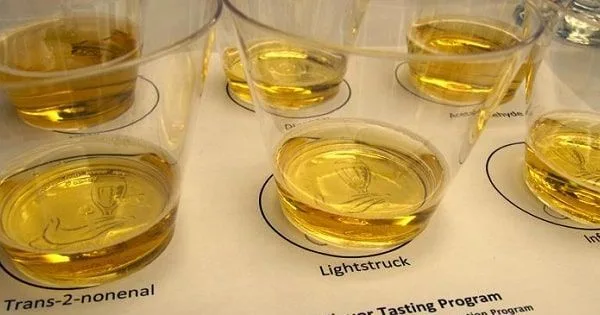
When you need to analyze why a beer does not taste right, saying it “is bad” does not help much. You need the language of sensory analysis, which lets you name what you perceive and trace what caused it.

This guide is based on the troubleshooting chapter of How To Brew, John Palmer’s homebrewing manual. We complete it with what is known today about the chemistry of each compound.
What Is an Off-Flavor?
An off-flavor is any aroma or flavor that does not belong to the beer’s style or that appears at an excessive intensity. Off-flavors can arise at any stage of the process, from milling and mashing to fermentation, packaging and storage.
The same compound can be a fault in one beer and a sought-after trait in another. Banana esters are typical of a Weizen and a mistake in a Pilsner. In the same way, a light diacetyl note is accepted in some English ales but not in a lager.
Identifying them correctly makes it possible to fix the process, improve consistency and judge a beer with sound criteria.
1. Acetaldehyde
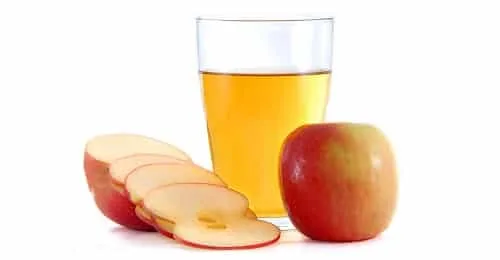
It is reminiscent of green apple or freshly cut pumpkin. It is an intermediate compound that yeast produces during fermentation and later turns into ethanol.
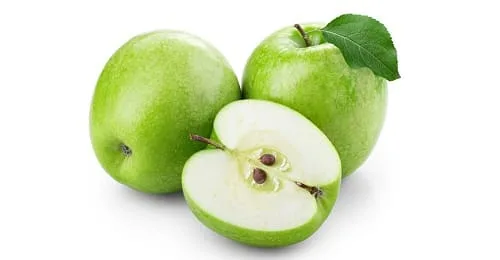
Some yeast strains produce more acetaldehyde than others, but its presence usually signals a beer that is too young or a fermentation with too little yeast. Giving it more conditioning time on the yeast usually solves it. Some bacteria also produce it.
2. Alcoholic
It is a warm, harsh sensation reminiscent of solvent that you feel in the throat. A soft alcoholic note can be pleasant in a Barleywine, but in a light beer it detracts.
The main cause is a high fermentation temperature. Above about 27 °C (80 °F) yeast produces more higher alcohols, also called fusel alcohols, such as isoamyl alcohol, which are perceived at much lower concentrations than ethanol.
Too much yeast and prolonged contact between the beer and the sediment at the bottom of the fermenter also contribute.
That is why, if the beer is going to spend a long time in the fermenter, it is wise to leave most of the hot and cold break behind when filling it, or to rack the beer to a second vessel.
3. Astringent
Astringency is not a flavor but a tactile sensation. It dries the mouth and puckers the lips, like biting a grape skin or sucking on a tea bag. It should not be confused with bitterness.
It is caused mainly by tannins and polyphenols from the grain husk. They are over extracted when the malt is milled too fine, when the sparge water is too hot or when the pH of the mash and sparge rises above the 5.2 to 5.6 range, which often happens at the end of a long sparge.
Controlling the pH and the temperature of the sparge water prevents most cases. An excessive hop dose can also add astringency.
The brown foam that forms during fermentation and sticks to the walls of the fermenter is very bitter. If it is stirred back into the beer it adds harshness, so it is best to leave it stuck to the walls.
4. Cidery
It is a winey or cider-like character. The most common cause is using too much cane or corn sugar in the recipe. Palmer puts the practical limit at around one pound per 5 gallons (about half a kilo per 19 liters).
Acetaldehyde, with its green apple note, also contributes to this impression. If the cause is the yeast rather than the sugar, cold conditioning usually softens it.
A vinegary flavor is a different matter. It is produced by acetic bacteria such as Acetobacter, which turn alcohol into acetic acid when the beer comes into contact with oxygen. That fault cannot be fixed. Fruit flies are a common carrier of these bacteria.
5. Diacetyl
It smells of butter or butterscotch. A bag of microwave popcorn is a good example. On the palate it can give a slick sensation.
At low levels it is tolerated in some English ales, but in lagers and most other styles it is considered a fault.
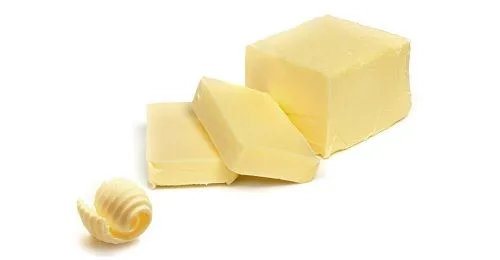
Diacetyl forms during fermentation from a precursor that yeast releases as it grows. Toward the end of the process, healthy yeast reabsorbs it and converts it into flavorless compounds.
If the yeast is weak, flocculates too early or the beer is chilled too soon, that reabsorption is incomplete. That is why many lagers are kept two or three days at a somewhat higher temperature at the end of fermentation, a step known as the diacetyl rest. Some bacteria, such as Pediococcus, also produce it.
6. Dimethyl Sulfide (DMS)
DMS is reminiscent of cooked corn or creamed corn. At low levels it is part of the character of some pale lagers, but in other styles it is a fault.
Its precursor, S-methylmethionine (SMM), forms during malting. When heated, SMM turns into DMS, which is volatile and is driven off by evaporation during the boil.
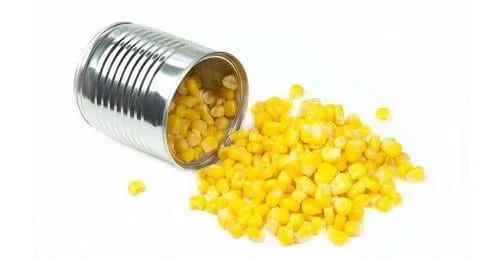
In darker malts, kilning at higher temperatures has already broken down much of the SMM, which is why DMS is more common in pale beers brewed with Pilsner malt.
To avoid it, keep a vigorous boil for at least 60 minutes, do not cover the kettle completely and do not let condensed steam drip back into the wort.
After the boil the wort should be chilled quickly, with a wort chiller or an ice bath. While it stays hot, SMM keeps turning into DMS, but there is no longer a boil to carry it away.
When DMS comes from a bacterial infection the aroma is more unpleasant, closer to cooked cauliflower or cabbage than to corn. It usually results from poor sanitation. Reusing the yeast from that batch only perpetuates the problem.
7. Fruity Esters
Ales tend to have a somewhat fruity character. From German wheat beers a banana note is expected. The problem appears when the fruit dominates or does not match the style.
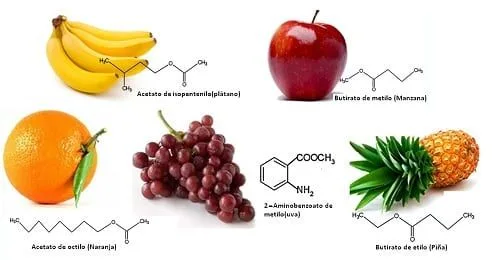
Esters are produced by yeast. Each strain generates different amounts and types. The higher the fermentation temperature, the more esters. Underpitching or poor wort oxygenation also increase them, so the fix is to lower fermentation by a few degrees and pitch the right amount of yeast.
8. Grassy
Flavors of chlorophyll or freshly cut grass are usually caused by poorly stored ingredients.
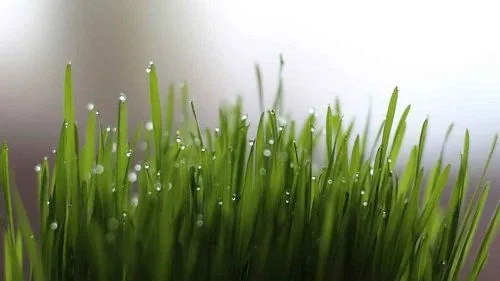
Old malt can form aldehydes that bring that note. Damp malt can also develop mold and a musty smell.
Hops are the other usual source. If they were not dried properly before storage or were kept in poor conditions, their vegetal compounds pass into the beer.

9. Husky or Grainy
It is a flavor of raw grain, dry and somewhat harsh, similar to astringency. It is more noticeable in all-grain beers and is usually caused by poor milling or mashing.
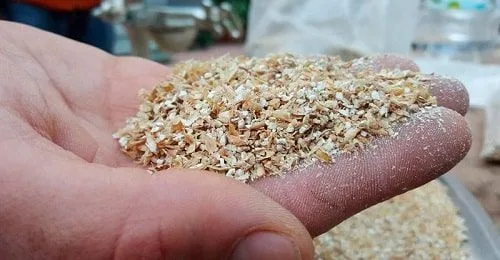
If the mill shreds the husk instead of just cracking the grain, those flavors are extracted during the mash. The measures that prevent astringency also apply here.
Heavily toasted malts also contribute them. If you toast your own malt, let it rest one or two weeks after toasting so the harsh aromas can dissipate. Cold conditioning for one or two months helps these flavors settle out with the yeast.
10. Medicinal
It is described as adhesive bandage, mouthwash or plastic. Sometimes it comes across as a spiciness similar to clove.
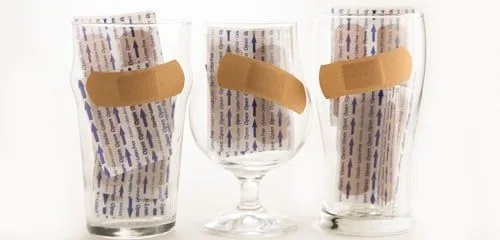
The cause is phenols. Some yeasts produce them on purpose, like the clove note in a Weizen, but wild yeasts and certain bacteria generate them where they do not belong.
The most troublesome are chlorophenols, which form when chlorine from tap water or from a chlorine-based sanitizer reacts with phenols. They are perceived at extremely low concentrations, so it is best to brew with chlorine-free water and rinse equipment with boiled water after sanitizing it with chlorine products.
11. Metallic
It is reminiscent of iron, coins or blood. It is usually caused by metals dissolved in the wort, although Palmer also links it to the breakdown of lipids in poorly stored malt.
Iron is the main culprit. Enameled steel pots with chipped or scratched enamel release it, as does well water rich in iron. Stainless steel pots do not add any metallic flavor.

Aluminum pots only give a metallic flavor if the water is very alkaline, with a pH above 9. It is normal for a new aluminum pot to darken during the boil because of the chlorine and carbonates in the water.
That gray layer of aluminum oxide protects the metal, so it should not be scrubbed off. Palmer recommends strengthening it by heating the clean pot in a dry oven at about 121 °C (250 °F) for about six hours.
12. Moldy
Mold is instantly recognizable by its damp smell and flavor, like moldy bread, and it can develop in both wort and beer.
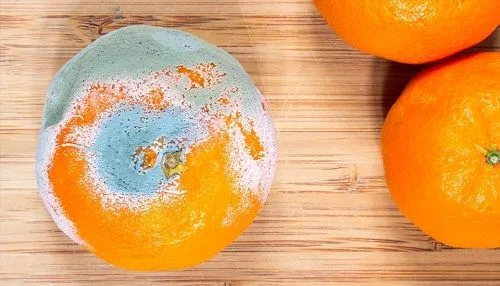
It usually appears when the fermenter is kept in a damp, poorly ventilated place, or when moldy grain or malt extract is used.
If it is caught early the surface layer can be removed, but by the time mold is visible the spores have most likely contaminated the whole batch.
13. Oxidized
Oxidation is the most common fault in beer, commercial beer included. It gives flavors of wet cardboard, paper or sherry, depending on which compounds oxidize.
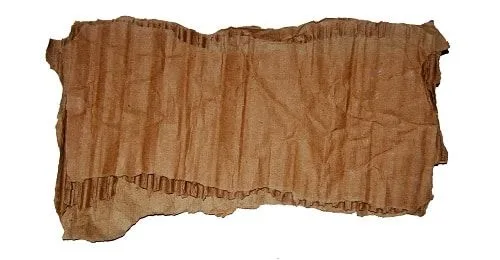
Oxygen is needed in the cooled wort, just before pitching the yeast. Outside that moment it is an enemy. Splashing hot wort below boiling, especially above about 27 °C (80 °F), or splashing finished beer while racking it introduces oxygen that the beer will pay for over time.
To prevent it, rack with a tube and without splashing, leave little headspace in bottles and purge kegs with CO₂.
14. Soapy
Soap or detergent flavors can come from poorly rinsed glasses and containers, but also from fermentation itself.
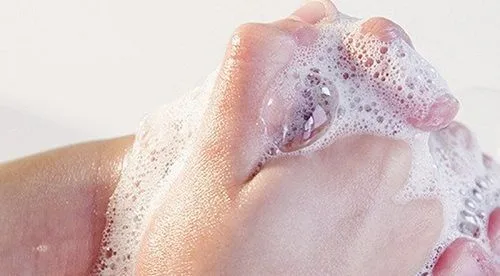
If the beer is left in the primary fermenter for a long time after fermentation ends, the fatty acids in the sediment start to break down and form salts, which is exactly what soap is.
The solution is to rack the beer to another vessel if it is going to age for weeks.
15. Solvent-Like
It is reminiscent of paint thinner or nail polish remover. It resembles the alcoholic note and esters, but harsher. It usually results from combining a very hot fermentation with oxidation.
It can also come from plastics that are not food grade or from hoses and parts that do not tolerate heat and release compounds on contact with hot liquids.
16. Skunky
The skunky aroma appears when light breaks down the bitter acids from hops. The reaction, in which the riboflavin in beer takes part, produces 3-methyl-2-butene-1-thiol, a sulfur compound very similar to the one skunks use to defend themselves.
The wavelengths responsible are ultraviolet and blue. Brown glass bottles filter out most of them, while green and clear bottles let almost all of that light through.
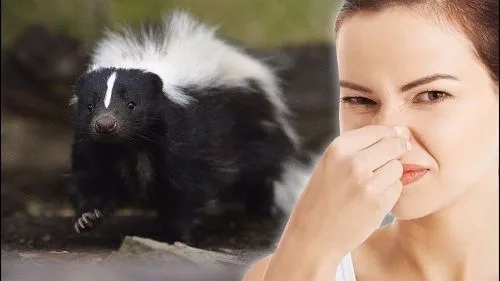
A few minutes in the sun or a few days under the fluorescent lights of a supermarket are enough for it to show.
Some industrial beers in clear bottles use reduced hop extracts, in which the bitter acids are chemically modified so that light cannot break them. Those beers resist light, but a beer with conventional hops in a clear bottle does not.
17. Yeasty
It is a flavor of yeast, bread or broth, sometimes with a sulfury touch.
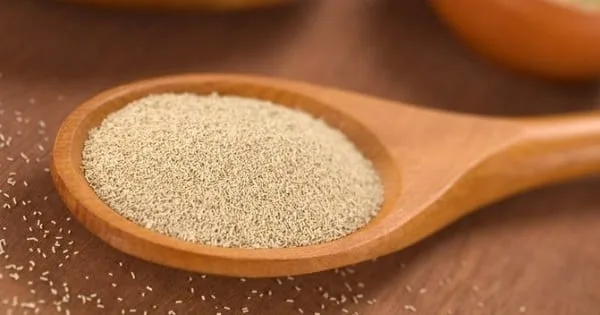
If the yeast is unhealthy or the beer spends too long on dead yeast, the cells break down in a process called autolysis and release those compounds.
A green beer, that is, one that is too young and in which the yeast has not settled yet, also tastes yeasty. With bottle-conditioned beers it is enough to pour carefully and leave the last finger with the sediment at the bottom, unless you want to add it on purpose.
18. Sulfur
It smells of a freshly struck match or rotten eggs. It is caused by the hydrogen sulfide that all yeast produces during fermentation, especially many lager strains.
The CO₂ from fermentation carries most of it away, and several weeks of conditioning usually remove the rest. If it persists in a finished beer, it may point to stressed yeast or an infection.
Frequently Asked Questions (FAQ)
1. What is an off-flavor in beer?
It is an aroma or flavor that does not belong to the style or that appears at an excessive intensity, such as the green apple of acetaldehyde, the butter of diacetyl or the wet cardboard of oxidation. It almost always has an identifiable cause in the process.
2. What is the most common off-flavor?
Oxidation, which gives flavors of wet cardboard, paper or sherry. It affects both homebrewed and commercial beer, especially when the beer ages or is stored warm.
3. Is an off-flavor always a fault?
Not always. It depends on the style and the intensity. Banana esters and clove belong in a Weizen, a light diacetyl note is accepted in some English ales and a low level of DMS is part of some pale lagers.
4. Can a beer with off-flavors be fixed?
Some fade with conditioning time, such as acetaldehyde, diacetyl, sulfur or yeasty flavors. Others cannot be fixed, such as oxidation, skunkiness, chlorophenols or an infection. Those can only be avoided in the next batch.
5. How do you learn to recognize off-flavors?
With guided practice. Tasters train with reference standards added in known doses to a neutral beer, so that each compound can be smelled and tasted on its own before looking for it in real beers.
References
- Palmer, J. How To Brew. Section 4, Chapter 22, Is My Beer Ruined?
- MoreBeer. “Off” Flavors In Beer, Their Causes and How To Avoid Them. Reference material from the Cicerone program.

Recommended
- What Is Hop Creep, or Why Dry Hopping Can Make Your Beer Keep Fermenting?
- What Is Drinkability in Beer and What Does It Depend On?