
This post is also available in:
 Español
 Português
 Français
Cellaring, aging or maturing is the process that allows a beer to mature under specific conditions and thus develop certain nuances, mainly in aroma and flavor, that can only be achieved with age.
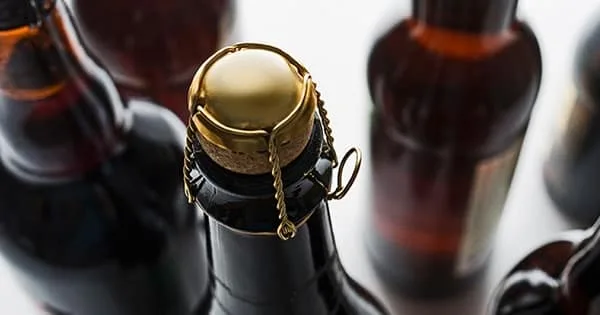
But before getting into the tips on what makes a beer suitable for aging (not all of them are), it’s important to first understand the ideal storage environment for keeping beers over an extended period.

How Do You Store Beers for Cellaring?
The result of successfully aging a beer is known as “vintage beer.” Its two most important aspects are temperature and darkness.
1. Temperature Range
Arguably the most important factor in aging beer is temperature. Around 13°C (55°F) has become a widely accepted level for most ales. This is the reference Patrick Dawson gives in Vintage Beer (2014), one of the most cited books on beer cellaring.
Lager beers are generally not candidates for cellaring, but for connoisseurs, a rule of thumb proposed by the American Homebrewers Association is to keep the storage temperature about 5°C below the fermentation temperature.
In general, Ale beers are fermented at around 18°C (64°F) and Lager beers at around 10°C (50°F), so being able to keep the temperature below this range with little fluctuation will allow the beer to mature at an appropriate rate.
If it’s too cold, the maturation period slows down significantly. If it’s too warm, some processes speed up that will cause unwanted aromas and flavors.
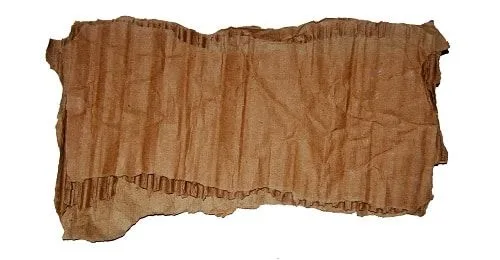
The difference is huge. In laboratory tests, (E)-2-nonenal, the aldehyde that smells like wet cardboard, exceeded its perception threshold within a few days at 40°C, whereas at 20°C it hadn’t done so even after four months. That’s why what happens before the bottle reaches your home also matters, which makes the cold chain so important.
2. Darkness and UV Rays
The second thing to consider is light; keeping the storage space dark is essential so that UV light doesn’t interact with the hops and create unwanted aromas and flavors described as skunky.
Ultraviolet radiation isn’t the only concern. Visible blue light, between 350 and 500 nanometers, is the most effective at triggering this defect. The riboflavin (vitamin B2) in beer absorbs that light and transfers it to the iso-α-acids from hops, which break apart and form 3-methyl-2-butene-1-thiol (MBT), a compound that already smells bad at concentrations of just a few nanograms per liter.
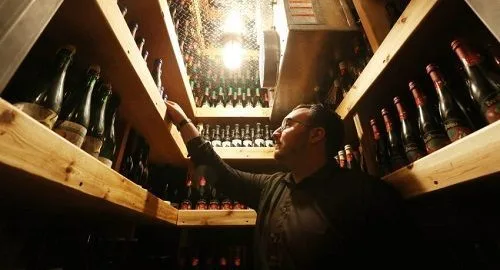
Keep your beers protected from light as much as possible, especially if the bottles are clear or green, because brown glass filters out much of that light, though not all of it, while green and clear glass offer little protection. An inexpensive way to prevent this reaction is to store them in a box or paper bag.
Considerations for Aging a Beer
The trickiest part of cellaring beer is deciding which beers are suitable for aging since, after all, for some of them it simply isn’t the best path.
Here are some tips for storing beer properly.
3. Alcohol by Volume (ABV)
When we age beer, it should have a structure capable of withstanding the passage of time. Alcohol is usually the centerpiece of that structure. A good rule of thumb, repeated by Patrick Dawson and the American Homebrewers Association, is to aim for a beer with at least 8% ABV.
You might think a fast aging process is what you want, but when it comes to cellaring beer, the best technique is a slow and steady approach.
That doesn’t mean alcohol slows down oxidation. Ethanol also reacts with oxygen and part of it ends up converted into acetaldehyde. What happens in a high-alcohol beer is that its aging notes tend toward caramel, licorice or roasted character, which fit its profile, instead of the wet cardboard that gives away oxidation in a light beer.
Keep in mind that the pronounced alcohol sensation often present in freshly brewed high ABV beers will tend to soften over time, allowing other aromas and flavors to express themselves better.
That said, there are some exceptions to the “more alcohol is better” rule. The lactic acid in sour beers and the phenols in smoked beers also act as preservatives, reducing the importance of alcohol.
4. How Does a Beer’s Body Change?
During the aging process, the proteins in beer precipitate. This reaction reduces the beer’s body over time, resulting in a thinner beer that is in some cases excessively dry.
Wheat-derived proteins tend to drop out very quickly, which makes these beers very difficult to age properly.
That’s why it’s important to age very full-bodied beers when they’ve just been brewed, so that they manage to retain some overall balance.
5. Esters and Phenols
The yeast character expressed as esters and phenols will evolve and change over time, which may or may not be desirable depending on the beer style.
The fruity esters reminiscent of pears, apples and other fruits, commonly found in British and Belgian beer styles, give way over time to a riper, darker fruit character (raisins and figs).
This shift isn’t due to esters alone. While some are lost, other compounds increase with cellaring, such as ethyl esters or β-damascenone, which contributes red fruit notes.
The banana esters common in German Hefeweizen will tend to disappear in a fairly short time. Isoamyl acetate, responsible for that note, hydrolyzes during storage and can fall below its perception threshold.
Esters derived from Brett yeasts will take much longer to change, but they have the potential to develop interesting pineapple and grapefruit flavors.
Phenols, those spicy clove or pepper flavors that come from yeast, will evolve into many different flavors, such as vanilla, tobacco or leather. In the case of 4-vinylguaiacol, the phenol behind the clove note, its concentration drops with cellaring and part of it turns into vanillin when there is oxygen in the bottle’s headspace.
Where earthy phenols are present in the fresh beer, there is potential to achieve complex flavors that are nearly impossible to develop unless a beer is aged.
6. More Hops Isn’t Always Better
We mentioned earlier that beer needs some kind of preservative to be a good candidate for cellaring.
Well, despite the reputation of hops and their antibacterial qualities, their aromas, flavors and particularly their bitterness aren’t always well suited to aging.
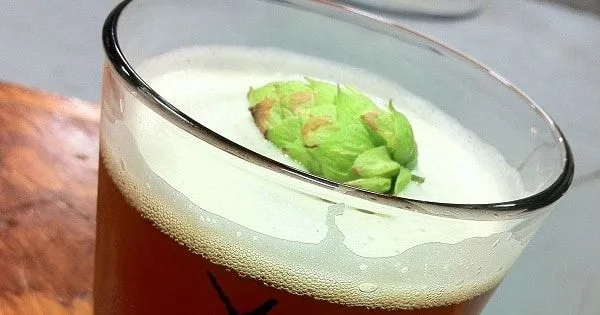
Simply put, hop presence fades over time, which can drastically affect a beer’s balance.
After all, if a hoppy beer style like IPA was brewed with a specific balance, the reduced hop presence can end up destabilizing that harmony.

In some cases, hop character doesn’t just diminish; it can also leave behind some unfavorable flavors.
For example, beer bitterness comes mainly from iso-α-acids, which form when hops are boiled and occur in two forms, cis and trans. The trans forms degrade during cellaring much faster than the cis forms.
As they break down, overall bitterness drops, but the compounds they leave behind have a harsh, lingering bitterness that builds up the longer and warmer the beer is kept.
On the other hand, the wet paper aroma sometimes attributed to old hops comes mainly from (E)-2-nonenal, an aldehyde formed by lipid oxidation, not by hops.
7. How Do You Age Sour Beers?
Sour beers can be hard to tame and the results may not be what you expected. First of all, the perception of sourness changes over time and not always in the direction you’d expect.
That change can be good or bad depending on the balance the beer has when it’s consumed.
It’s important to keep in mind that sour character evolves (as with Brettanomyces) at a very, very slow rate. Even so, it’s not uncommon for some sour beers to become even more sour during the first years of aging.
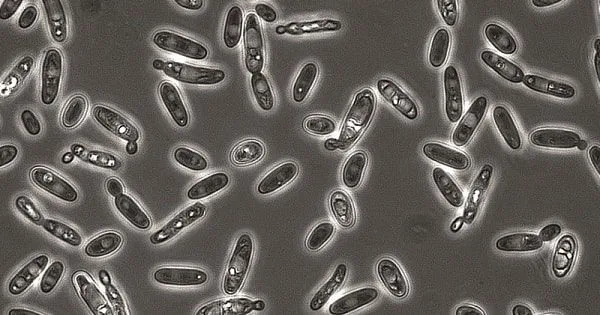
Nor is it unusual for some sour beers that have been aged for long periods to seem more sour due to the fading of other characteristics, particularly malt.
Brettanomyces, though slow to evolve, can change dramatically with aging time, since it’s a slow-acting yeast with a constant “appetite,” which basically means it will end up eating almost all the available sugar, including some of the dextrins that regular brewer’s yeast can’t ferment. This is the most widely accepted explanation for the overattenuation of lambic beers.
This means that extended aging often results in very dry beers, which can make them lose their original balance.
8. The Impact of Yeast
Bottle-conditioned, unfiltered and/or unpasteurized beers are generally better suited for aging.
With yeast in the bottle, the beer remains essentially a living entity that can consume residual oxygen and continue conditioning slowly.
This opens up a wider range of possibilities for aging products and achieving characteristics that a beer without yeast would be unable to reach.
Even so, filtered and/or pasteurized beers can still show an evolution in their characteristics, but to a much lesser degree.
General Storage Tips
Proper beer storage is essential to keep it fresh and delicious, so make sure to store your beer in a cool, dark place, away from direct sunlight and heat.
If you don’t have a cool corner at home, a small beer fridge with temperature control lets you keep that steady 13°C all year round.
Above all, when it comes to craft beer, it’s also important to keep it upright to prevent yeast or sediment from settling on the sides of the bottle. Standing the bottle upright also reduces the beer’s contact with the closure, whether crown cap or cork, a point Erick Martell develops in his column on how each beer style evolves with cellaring.
If you have a keg beer dispenser, make sure to keep it in a cool, dry place. The Brewers Association recommends cleaning beer lines at least every two weeks to prevent the buildup of bacteria and yeast.
Frequently Asked Questions (FAQ)
1. How Long Can I Keep a Beer So That It Ages Properly?
The ideal cellaring time varies significantly depending on the style and alcohol percentage. High ABV beers (over 8%) and styles such as Barleywine or Imperial Stout can benefit from 1 to 5 years or even longer. Sour beers or those with Brettanomyces can also age for extended periods. It’s crucial to taste them periodically to determine the optimal point, since aging is a maturation process, not just a preservation one.
2. Which Beer Styles Are Best Suited for Aging (Cellaring)?
The most recommended styles are usually those with high alcohol content (8% ABV or more) and a full body, because their aging notes fit their profile. These include Imperial Stout, Russian Imperial Stout, English and American Barleywine, Old Ale, Belgian Strong Ale (especially Dark Strong) and certain sour beers because of their acidity or the presence of Brettanomyces. Very hoppy or low-alcohol styles (such as IPA or Session beers) are generally not good candidates.
3. Can Canned Beers Be Aged Instead of Bottled Ones?
Yes, canned beers can age. The can blocks light completely, so the question lies in the seal and oxygen, something worth checking before deciding whether aluminum cans are suitable for aging a beer. The same rules as with glass apply. The beer must be suitable for cellaring (high ABV, robust style) and stored at a stable temperature, ideally around 13°C. The belief that metal affects flavor is a myth for modern cans with an internal lining.
4. How Can You Tell If a Cellared Beer Is Past Its Prime (Over-Aged)?
An over-aged beer often develops unpleasant flavors and aromas associated with excessive oxidation. Key indicators include a very dominant wet cardboard, paper or sherry flavor (acetaldehyde/oxidation), a complete loss of the original character (hops, yeast) and an excessively thin body or a dry one lacking balance. While developing dried fruit (raisins, figs) or leather notes is desirable, a musty or rancid flavor is a sign that it has matured too much.
5. What Is the Difference Between a Beer’s Best-By Date and Its Aging Potential?
The best-by date is a manufacturer’s recommendation indicating the period during which the beer will maintain its optimal organoleptic qualities, with the fresh flavor and aroma the brewer intended. It’s not an expiration date. Beers meant for cellaring (such as high ABV ones) often improve or evolve after this date, since aging intentionally seeks to change their flavor profile, whereas the best-by date aims to prevent that.
References
American Homebrewers Association. What to Age in Your Beer Cellar. homebrewersassociation.org
Dawson, P. (2014). Vintage Beer. A Taster’s Guide to Brews That Improve over Time. Storey Publishing.
Vanderhaegen, B., Neven, H., Verachtert, H. and Derdelinckx, G. (2006). The chemistry of beer aging – a critical review. Food Chemistry, 95, 357-381. doi.org/10.1016/j.foodchem.2005.01.006
Huvaere, K., Andersen, M. L., Storme, M., Van Bocxlaer, J., Skibsted, L. H. and De Keukeleire, D. (2006). Flavin-induced photodecomposition of sulfur-containing amino acids is decisive in the formation of beer lightstruck flavor. Photochemical & Photobiological Sciences, 5, 961-969. doi.org/10.1039/b609337j
Intelmann, D., Demmer, O., Desmer, N. and Hofmann, T. (2009). 18O stable isotope labeling, quantitative model experiments, and molecular dynamics simulation studies on the trans-specific degradation of the bitter tasting iso-α-acids of beer. Journal of Agricultural and Food Chemistry, 57(22), 11014-11023. doi.org/10.1021/jf903000c
Intelmann, D., Haseleu, G., Dunkel, A., Lagemann, A., Stephan, A. and Hofmann, T. (2011). Comprehensive sensomics analysis of hop-derived bitter compounds during storage of beer. Journal of Agricultural and Food Chemistry, 59(5), 1939-1953. doi.org/10.1021/jf104392y
Vanbeneden, N., Saison, D., Delvaux, F. and Delvaux, F. R. (2008). Decrease of 4-vinylguaiacol during beer aging and formation of apocynol and vanillin in beer. Journal of Agricultural and Food Chemistry, 56, 11983-11988. doi.org/10.1021/jf8019453
Shantha Kumara, H. M. C., De Cort, S. and Verachtert, H. (1993). Localization and characterization of α-glucosidase activity in Brettanomyces lambicus. Applied and Environmental Microbiology, 59(8), 2352-2358. doi.org/10.1128/aem.59.8.2352-2358.1993
Brewers Association (2026). Caustic Line Cleaners: Chemical Effectiveness and Safety. brewersassociation.org
Recommended
- What Are Wet Hop Beers? How to Brew with Freshly Harvested Hops
- The History of Beer Refrigeration and the Lasting Legacy of Carl von Linde