
This post is also available in:
 Español
  Português
  Français
Beer is an ancient beverage that has evolved into an incredible variety of types, styles, or varieties, ranging from light and refreshing beers to very intense and complex ones, with an immense range of options.
What determines our preferences for certain types of beer? Why do some people enjoy bitter beers like IPAs, while others prefer sweeter or even sour beers?

The answer to these questions lies in a combination of biological, psychological, and cultural factors that influence how we experience flavor.
The role of biology in taste
Our tastes are deeply connected to our biology, as from an evolutionary perspective, taste is a tool that has helped humans identify safe and nutritious foods.
Sweet taste is associated with quick energy sources like carbohydrates, while bitter has evolutionarily meant the presence of toxins, so this biological connection remains relevant when we choose a beer.
The evolutionary surprise of bitterness
India Pale Ales (IPAs) are known for their high bitterness level, often generating debate among consumers.
For many, bitterness is a flavor that is hard to accept, and this simply has to do with human evolution, as bitterness has been linked for thousands of years to the detection of compounds that in nature could be harmful.
However, bitter beers have gained remarkable popularity in the last decade, showing us how some preferences can be acquired and developed over time.
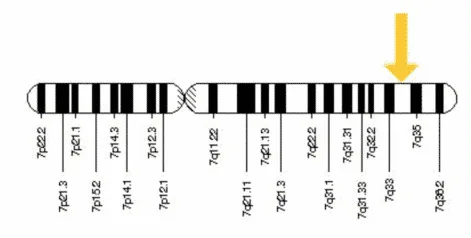
This phenomenon is due to the plasticity of our palate, which can adapt to new flavors with repeated exposure, which in scientific terms is explained by the fact that the bitter taste receptors on our tongue, known as TAS2R, vary among individuals.
Some people are more sensitive to bitterness and its various types, which could explain why not everyone enjoys the same type of beer.
The comfort of a sweet palate
Sweetness in beer generally comes from residual sugars that have not fermented, so maltier beers, such as Bock or Porter, often offer sweeter and more caramelized flavor profiles.
Our brain associates sweet taste with reward, releasing dopamine, a neurotransmitter that makes us feel pleasure, so people who enjoy sweeter beers may be unconsciously seeking that pleasurable response.
The fascinating world of acidity
Sour beers, such as Lambic or Gose, challenge traditional expectations of what beer should taste like, as these varieties often have a sour profile, which can provoke a strong physical and emotional response in consumers.
Interestingly, acidity is a flavor that is related to the freshness and state of some foods, which could explain why some find these beers refreshing. However, not everyone enjoys this sour profile, as responses vary according to our sensory perception.
Mouthfeel
In addition to basic flavors, the “body” of a beer—that is, the mouthfeel—plays an important role in the drinking experience.
Body is determined by factors such as viscosity, density, and carbonation, so lighter-bodied beers, such as Light Lagers, tend to be easier to drink, while heavier-bodied beers, such as Imperial Stouts, offer a richer and more enveloping experience.
Body is also related to the alcohol content of the beer, as more alcoholic beers tend to have a more robust body due to greater use of grains, which adds a sense of warmth and satisfaction.

On a psychological level, these sensations can influence the creation of associations with other food or emotional experiences.
The impact of marketing
While our taste preferences are primarily influenced by biological factors, marketing plays a crucial role in how we perceive and choose a beer.
The way it is presented—whether through label design, brand narrative, or the target audience—can shape our expectations and predispositions toward certain flavors.
The origin narrative
Brands often use stories to connect with consumers, ranging from the brewery’s origins, the production process, and the origin of ingredients, used as effective tools to create an authentic and valuable image.
For example, a beer promoted as “craft” and “small-batch” may attract a consumer seeking authenticity and exclusivity, making this narrative predispose us to enjoy the beer, even before tasting it.
Visual design and expectations
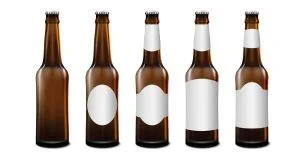
Label and packaging design also affects our perception of flavor, as studies have shown how the color and aesthetics of packaging can create expectations about the taste and quality of a beverage.
A beer with a dark, sober label might lead the consumer to expect a more robust and complex beer, while a colorful and fun label may suggest a light and refreshing beer.
These expectations can influence how we perceive flavor, even if the beer itself does not meet the anticipated characteristics.
The influence of trends
Marketing can also shape preferences by positioning certain beer styles as part of a trend.
IPAs, for example, have gone from being a specialized niche to becoming a worldwide phenomenon, largely due to a marketing strategy that highlighted their intensity and distinctive character.

Similarly, light and low-calorie beers are often marketed to those more concerned about their health, which can influence the preferences of consumers seeking to balance flavor and wellness.
Final reflections
Ultimately, our preferences for certain beers are not accidental but the result of a complex interplay between biology, psychology, and culture.
While our taste receptors and personal experiences determine which flavors we enjoy, external factors such as marketing and social trends also play a fundamental role.
The next time you choose a beer, remember that your palate is being influenced by more than just flavor; it is responding to a rich network of biological, emotional, and cultural signals.
Frequently Asked Questions (FAQ)
1. Why is the bitterness of some beers so hard to accept?
Bitterness is linked to millions of years of human evolution, as the tongue interpreted that flavor as a signal of potential toxins in nature. The TAS2R receptors, responsible for detecting bitterness, vary from person to person, so sensitivity to styles like IPA depends largely on individual genetics.
2. Why does sweet taste generate such a marked pleasurable response?
The brain associates sweetness with a quick source of energy, so when tasting it, it releases dopamine, the neurotransmitter linked to pleasure. Malty beers like Bock or Porter activate that reward response, which explains why many people choose them repeatedly.
3. Does label design really change the perceived taste of a beer?
The flavor itself does not change, but perception does. Studies on sensory expectations show that the color and aesthetics of the packaging condition what the consumer anticipates before the first sip, and that anticipation influences how the actual flavor is later interpreted.
4. Is it possible to get used to flavors that are initially unappealing, like the bitterness of an IPA?
Yes. The palate has remarkable plasticity and adapts with repeated exposure to a flavor. This process explains the growth in popularity of bitter beers over the last decade, as many consumers developed a tolerance and even a preference for bitterness over time.

We Recommend
- What is cenosillicaphobia? Causes and emotions of the fear of an empty glass
- Chile’s National Holidays: Tips for celebrating a full week