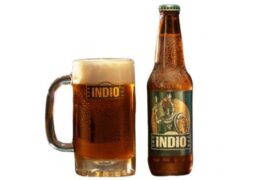
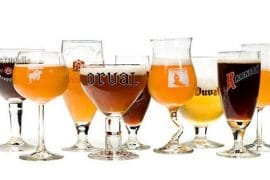
Identifying the various aromas and flavors present in beer not only enhances the drinking experience but also provides a deeper understanding of the brewing processes and the unique characteristics of each beer style.
Identifying the various aromas and flavors present in beer not only enhances the drinking experience but also provides a deeper understanding of the brewing processes and the unique characteristics of each beer style.
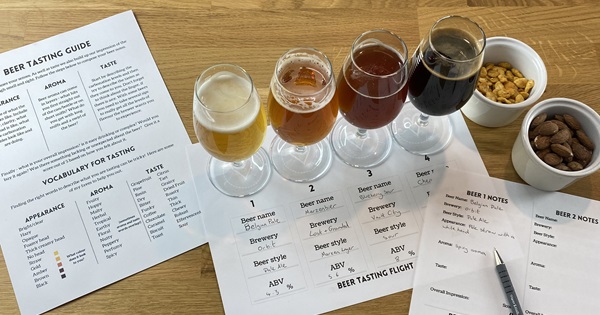
Analyzing a beer requires different perspectives depending on the context and objective. What for a trained judge establishes quantifiable parameters, for a hobbyist consumer can be a memorable sensory experience.

For millennia, human saliva was the most effective enzyme for creating fermentable sugars as an intimate biochemical reaction that defined the history of fermentation long before agriculture.
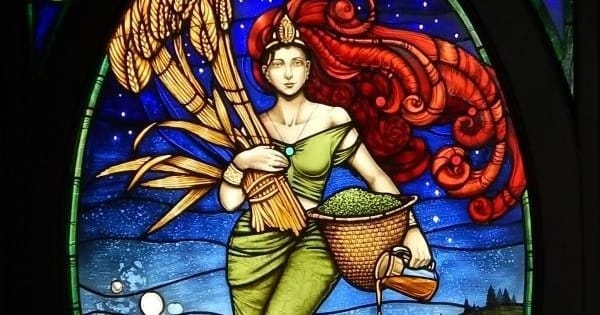
For early humanity, beer was perhaps the most important staple in their diet—a valuable source of protein and vitamins, and a crucial milestone in ensuring our survival as a species.

Discover the Origin of the Word “Cerveza” and Its Various Variations by Exploring the Main Theories About Its Etymology and Its Relationship with Different Cultures in This Fascinating Linguistic Journey.
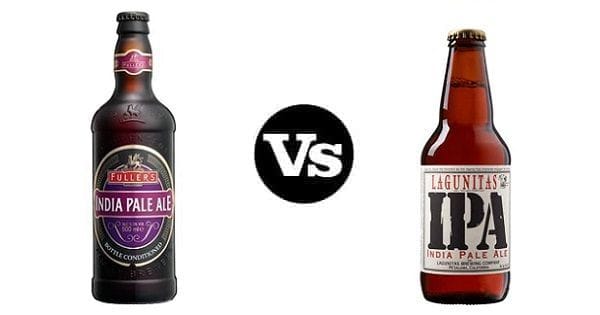
IPA beers (India Pale Ale) are a top-fermented beer style with over 200 years of history, increasingly widespread and appreciated around the world, and from which new variations emerge from time to time.

Astringency is a tactile sensation that causes dryness and roughness on the tongue, palate, and gums. It originates from the interaction of tannins and other polyphenols with the proteins in saliva.

The controversial theory claiming that Christ lived in a beer-centric culture—and that his deeds and miracles involved this beverage rather than wine, as traditionally believed.
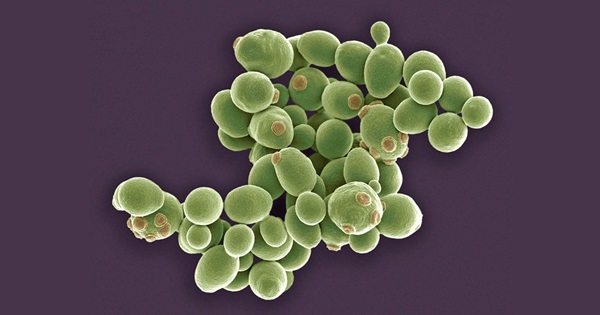
The rise of non-alcoholic or low-alcohol beers has led the brewing industry to explore new yeast strains and fermentation techniques.
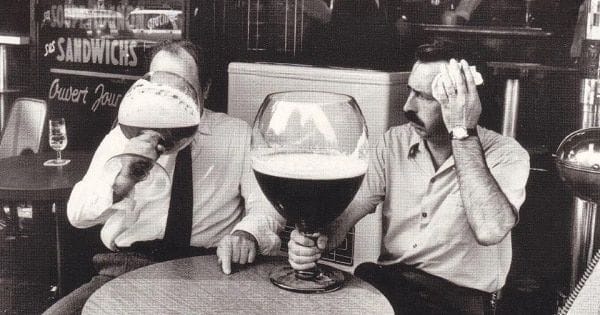
Researchers at the University of Bristol in the United Kingdom conducted an experiment that sought to demonstrate how the shape of the glass has a huge effect on the speed at which we consume a beer.
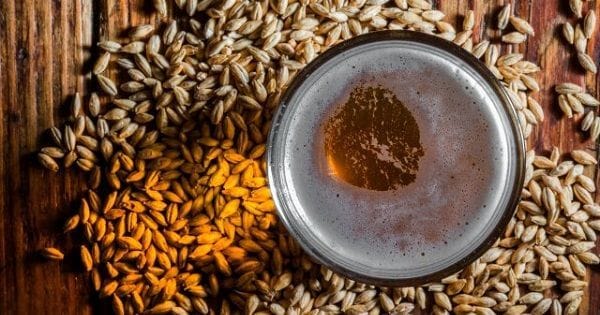
Enzymes are defined as complex biological catalysts of a protein nature, which trigger reactions without being modified by them or appearing in the final product.
The Brewer’s Star, also known as Bierstern or Brauerstern, is an iconic symbol that has accompanied humanity for over 500 years, representing the art, tradition, and passion behind beer brewing.

It’s undeniable that TikTok is one of the social networks of the moment, developing exponential growth since 2020 until reaching…
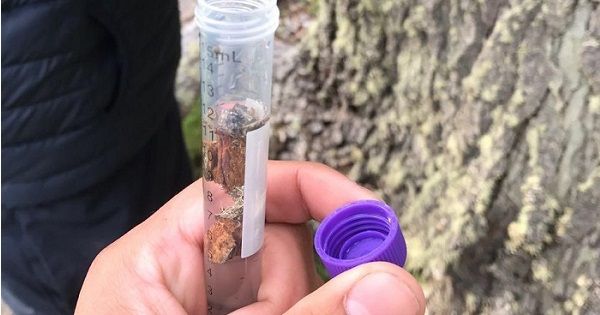
Hidden for centuries in the bark of lenga beeches, coigüe trees and araucarias of the Patagonian forest, the lost genetic link from which all the world’s lager beers are born.
Discover the Origin of the Word “Cerveza” and Its Various Variations by Exploring the Main Theories About Its Etymology and Its Relationship with Different Cultures in This Fascinating Linguistic Journey.

The discovery of a 220-year-old beer bottle recovered from the Sydney Cove, sunk in Australian waters near Tasmania, has inspired the creativity of a team of researchers.
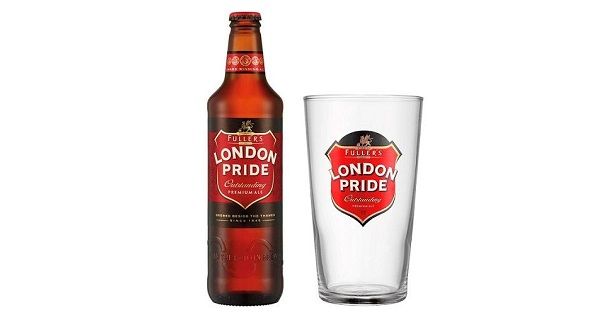
Fuller’s London Pride is a Best Bitter-style beer brewed by Fuller’s Griffin Brewery in Chiswick, England, with 4.7% ABV, 37 IBU, and 260 calories.

Chile’s Agricultural and Livestock Service (SAG) has taken an initiative to promote the development of Family Farming (AFC) and recognize the traditional “Pipeño” as a unique alcoholic beverage distinct from wine.
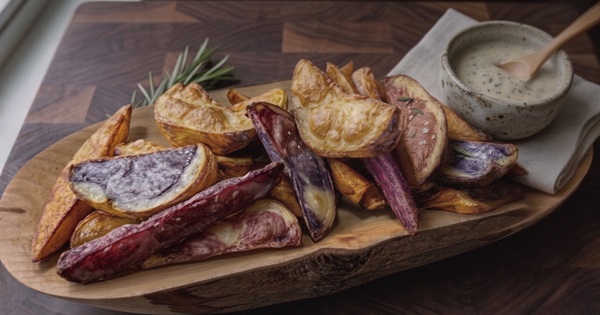
The Belgians point to fishermen from the Meuse River, who fried potato strips when the waters froze in the 17th century. The French point to street vendors at Paris’s Pont Neuf, who popularized them in the late 18th century.
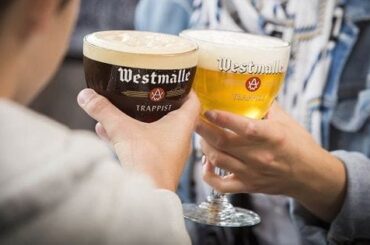
The Trappist monastery of Malle, founded in 1794, achieved abbey status on April 22, 1836. The monks were authorized to drink the most famous beverage of Flanders — beer — during meals.
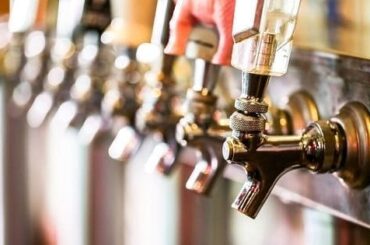
Craft and independent brewers dedicate a great deal of time, effort, and resources to making the best beer possible, but all of this hard work can be ruined in the time it takes the beer to travel from the keg to the pint.

Yeasts are more diverse than we think; there are thousands of species and they inhabit almost all natural environments on the planet, being used in food production and/or to produce antioxidant compounds and sunscreens.
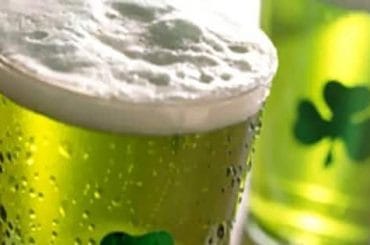
Almost everyone agrees that the tradition of consuming green-tinted beer on St. Patrick’s Day is not an Irish tradition; however, very few know the true story of the origin of this custom, where and how it began.
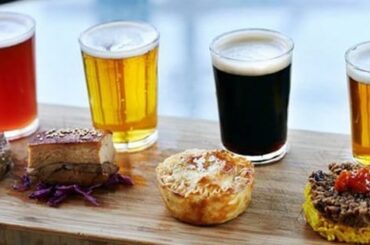
Discover the versatility of beer and food pairing, where the wide range of beer styles fuses with a great variety of dishes, offering a unique and unforgettable gastronomic experience.

This story takes us to the great Pacific Northwest, home of vast barley fields and the two largest hop-producing regions in North America, the Yakima Valley and the Willamette Valley.

Each stage of the beer brewing process is very relevant, but mashing is the phase where fermentable sugars are extracted, defining not only the alcoholic potential of the beer but also its body, aroma, and flavor.
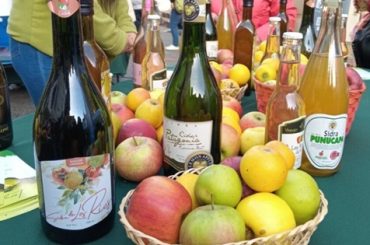
Cider is a fermented beverage made from apples, with a long and rich history intertwined with the introduction of apple trees (Malus domestica) to the Americas by the Spanish.
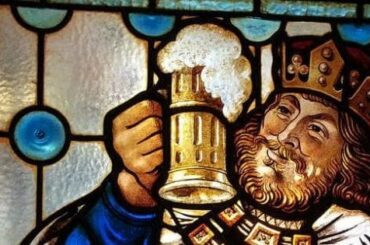
Two men have mainly been proposed as the primary inspirations for the appearance of Gambrinus: Jan Primus (John I), Duke of Brabant, and Jean Sans Peur (John the Fearless), Duke of Burgundy.

Among the list of Mexican spirits that have become fashionable, there is one that experts consider the forgotten beverage: pulque, traditional among the ancient Mexicans.
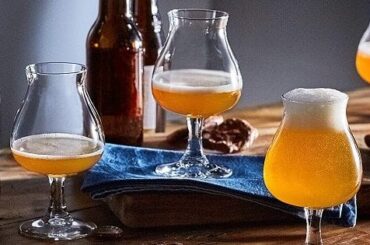
The AnDer glass was created by a team led by consultant Derek Walsh, sommelier André Köppen, and glass designer Alfred De Groot, who sought to address the need for a specialized glass for beer tasting.

Traditional Japanese green tea known as matcha is no longer just a trend in specialty cafés, tea rooms, and restaurants. What happens when you mix it with beer?
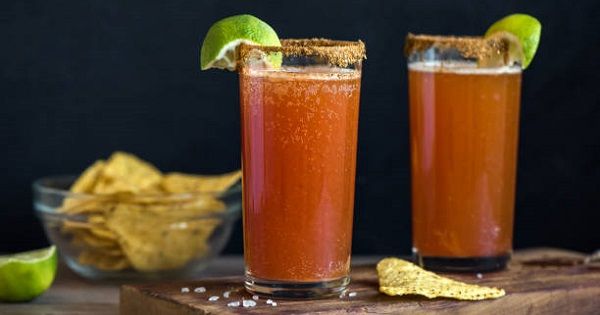
The michelada is a cocktail made with pale lager beer that has its origins in Mexico; however, its popularity was such that over time different countries adapted the recipe into their own representative version.
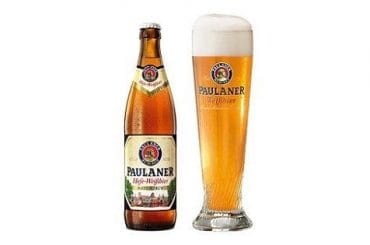
Paulaner Hefe-Weissbier, a German wheat beer with notes of banana, clove, and citrus, is perfect for pairing with Bavarian dishes, fresh cheeses, roasted vegetables, and citrus desserts. Its unique flavor and versatility make it ideal for any occasion.
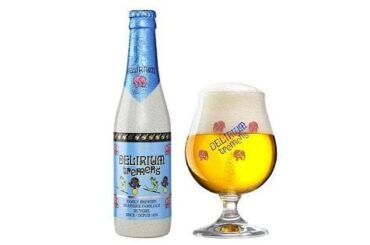
Delirium Tremens is a Golden Belgian Strong Ale style beer originating from Melle, Belgium, brewed by Brouwerij Huyghe, with 8.5% ABV, 200 calories, and 26 IBU.
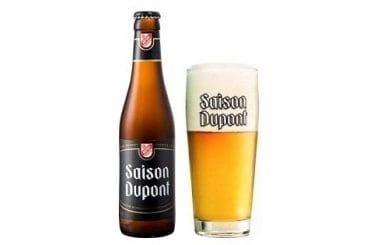
Saison Dupont is a Belgian top-fermented beer, bottle-conditioned, brewed since 1844 during the winter to quench the thirst of the “saisoniers” who would work in the fields during the summer.

Pliny the Elder is not just a beer; it is a living legend of the American craft beer movement and an absolute benchmark for the Double IPA style, coveted and studied by brewers and enthusiasts worldwide.
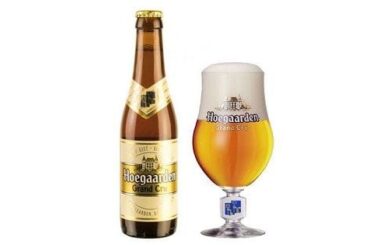
Hoegaarden Grand Cru is a Belgian Strong Ale brewed by Hoegaarden Brewery in Belgium, with 8.5% ABV, 29 IBU and 255 calories, best served in a Tulip or Snifter glass.
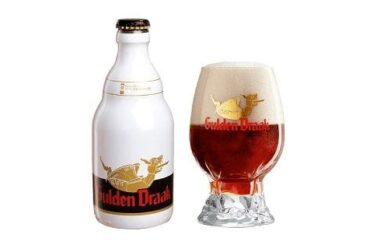
Gulden Draak is a Belgian strong ale-style beer originating from Ertvelde, Belgium, and brewed by Brouwerij Van Steenberge, with 10.5% ABV, 18 IBU, and 255 total calories.
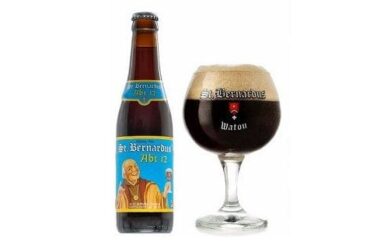
The pinnacle of the St. Bernardus portfolio is a dark-colored, ivory-foamed, top-fermented beer that is easy to drink due to its smooth flavor and fruity aroma.
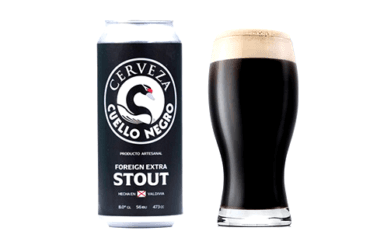
Cuello Negro Stout is a craft beer made with pure water from the Valdivian rainforest in southern Chile, whose flavor comes from a careful brewing process that gives it an unmistakable distinctive character.
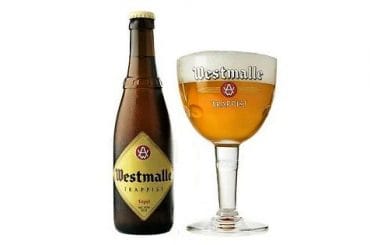
Westmalle Tripel is a Belgian Trappist beer brewed by Brouwerij der Trappisten van Westmalle and first introduced to the market in 1934, being a pioneer of its style and marking a milestone in the country’s brewing tradition.

The interaction between alcohol and dopamine is a neurological phenomenon that explains the immediate effects of alcohol consumption, as well as the underlying mechanisms of addiction and mood disorders.
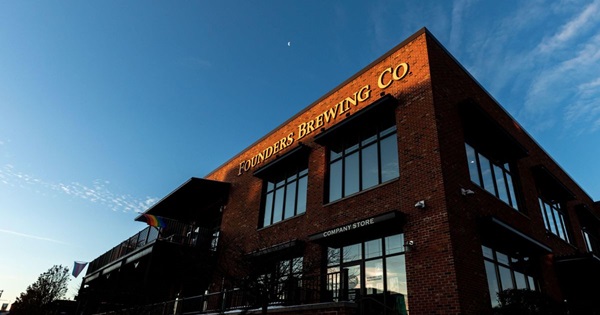
Mahou San Miguel has announced the acquisition of 100% of Founders Brewing, one of the most prestigious craft breweries in the United States, based in Grand Rapids, Michigan.

To start this top 10 of the best-selling beers in the world, we can comment that for 2020, most of them are on the way to generating an impressive sum of 688.4 billion dollars in sales.

Next Glass acquired BeerAdvocate in February 2020 in a deal that brought under one roof the oldest beer review community on the internet and the world’s most popular consumption tracking app.
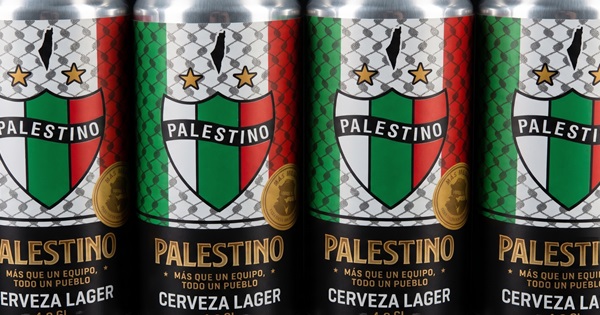
Over 500,000 people of Palestinian descent live in Chile today, where second, third, and fourth-generation families keep alive the language, traditions, and memory of a territory many have never been able to return to.

A Kantar Millward Brown annual study reveals that 5 of the 6 most valuable brands in Latin America are beer brands. Discover which beer leads sales in each country of the region.
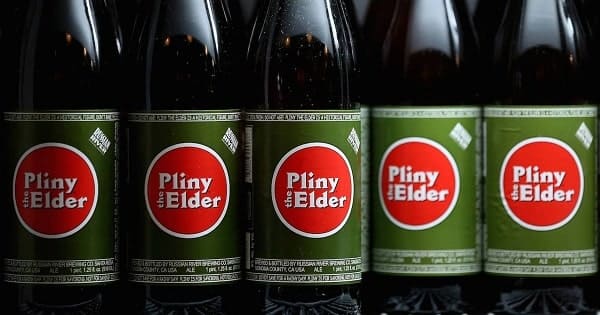
The beer Pliny the Elder takes its name in honor of the Roman traveler, naturalist, historian, and writer Gaius Minor Plinius Caecilius Secundus, who is credited with having given the first botanical name for hops.

We invited Rob Tod, founder of Allagash Brewing Co., to share 20 practical lessons for brewery success learned over 25 years of activity. This was his response.

Beer is one of the most popular alcoholic beverages among Peruvians, always present at social activities. Discover the most common slang expressions Peruvians use when heading out for beers with friends.
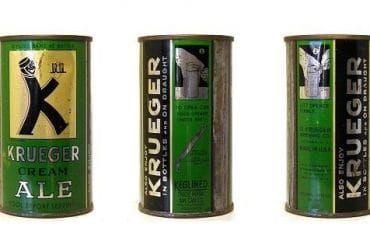
On January 24, 1935, the first canned beer went on sale after decades of experiments and more than ten years of Prohibition, thanks to the Gottfried Krueger Brewing Company in Richmond, Virginia.

The STC-1000 temperature controller lets you manually program a precise temperature range for your fermenter inside a refrigerator, freezer, or appropriately sized cooler.
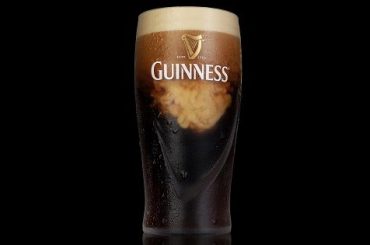
Nitro beer has been dismissed as a passing trend more than once — yet it keeps finding new fans and new formats. From the Guinness widget to nitro Cream Ales and Lagers, here is the science and history behind the nitrogen revolution in beer.
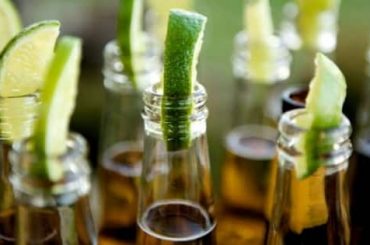
Why is a slice of lemon placed on the neck of clear glass beer bottles and not on others? It is a mystery that has never really been clear until now.
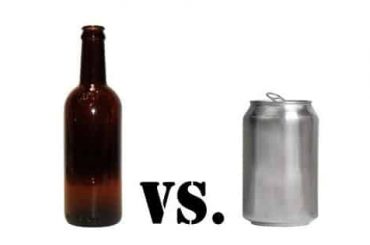
Every consumer already has their preferences: some reject cans while others love the creative designs they can carry. This article cuts through the aesthetics to lay out the objective facts on which format is better depending on the conditions.

Bottle openers have become part of our personal toolkit, whether attached to our key ring, in our backpack, or as a basic kitchen utensil when going camping.

This study, published in Foods, represents the first systematic analysis of umami peptides present in lager beer and their multidimensional effects on the sensory properties of the beer body.

Historically, brewers around the world have used locally available water to brew their beer, leading to the development of beer styles associated with specific mineral water profiles found in those places.

To identify S. chiloensis as a new species, scientists used an integrative taxonomy approach, combining analysis of genomic sequences, reproductive isolation studies, and phenotypic analyses.

The rise of non-alcoholic or low-alcohol beers has led the brewing industry to explore new yeast strains and fermentation techniques.

It’s undeniable that TikTok is one of the social networks of the moment, developing exponential growth since 2020 until reaching…

When beer is introduced into a rotor spinning at high revolutions, a centrifugal force is generated that can reach between 5,000 and 10,000 times the Earth’s gravity. This acceleration reduces sedimentation time to fractions of a second.
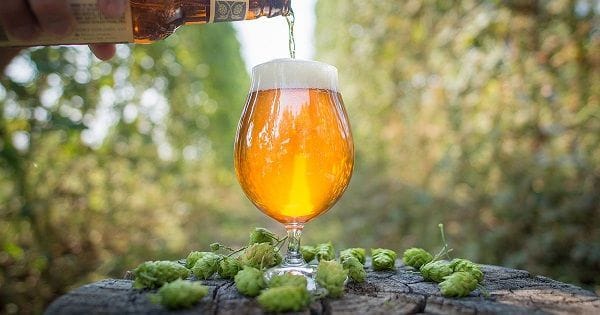
The idea was born with the help of social media in 2011, with Ashley Routson and Ryan Ross as its main promoters, quickly spreading globally as one of the most important beer style celebrations.

The PERP framework offers a structural model for understanding how global warming alters the biological cycles of barley and hops, with concrete responses to maintain quality and economic viability.

Google’s algorithm doesn’t always prioritize specialized beer media, but now it allows you to add The Beer Times as a preferred content source in Google Discover in less than a minute.

Tradition holds that Pythagoras, the celebrated mathematician and philosopher who founded his school in Croton, in southern Italy, grew tired of watching some of his disciples abuse wine during symposia.
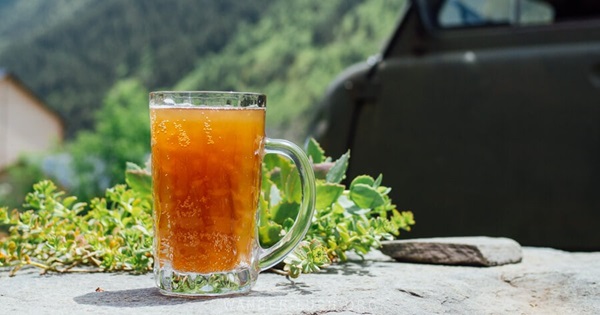
In Tusheti, a remote region of the Georgian Caucasus, the sacred drink is not wine but aludi: a beer brewed with sun-malted barley and wild hops whose recipe has been passed down from grandmother to granddaughter for centuries.