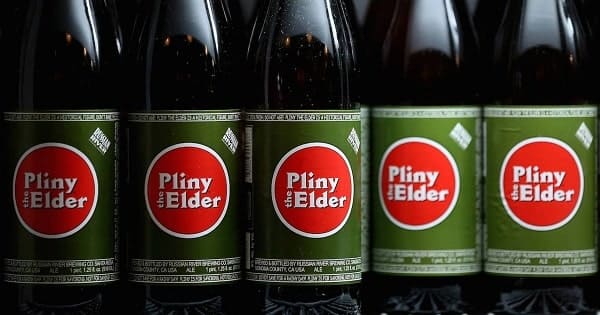
Pliny the Elder was created in 2000 as a special brew for the beer festival organized by Vic Kralj, owner of the Bistro in Hayward, California, in which only 10 breweries took part.
In the late 19th century, Anchor Brewing Company began brewing its famous Steam Beer, using local ingredients and giving up the lager brewing techniques popular at the time.
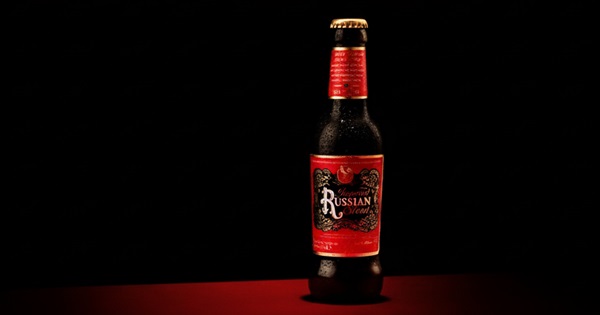
This version, especially the one produced in the 1970s–1990s, became the last direct commercial survivor of the original lineage of 18th-century London Imperial Stouts.
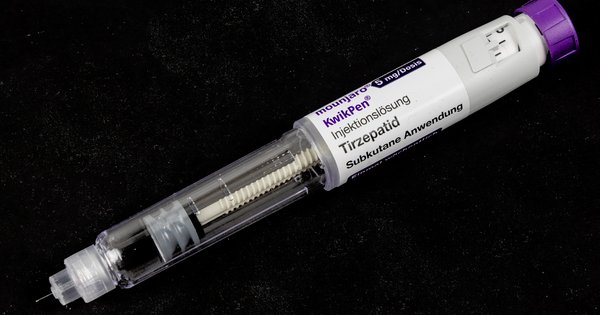
Neither Ozempic nor Mounjaro mentions alcohol in its product information, but Heineken has just warned British pubs and bars that these drugs reduce the desire to drink and that users spend 14% less on beer.
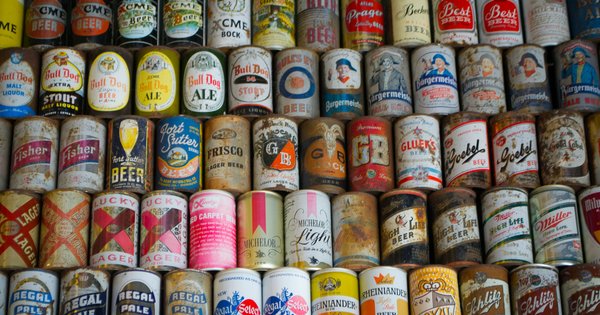
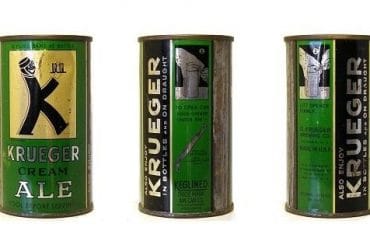
The history of the beer can, from the 1935 steel can to the cone top, aluminum, the pull tab, the Guinness widget and craft beer.
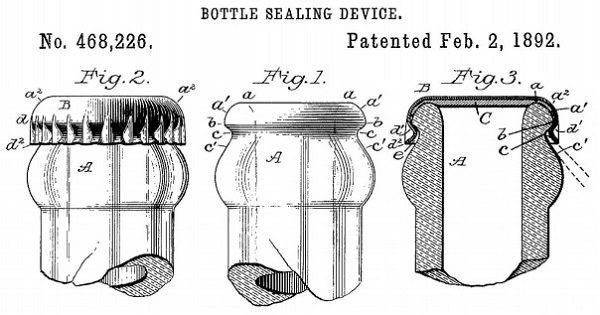
Bottle openers are part of our personal toolkit, on the key chain, in the backpack or packed as a basic utensil when we go camping.
Featured Articles
Science had just emerged as a profession, yet it was a self-taught textile merchant who became one of the greatest scientific celebrities in all of Europe.
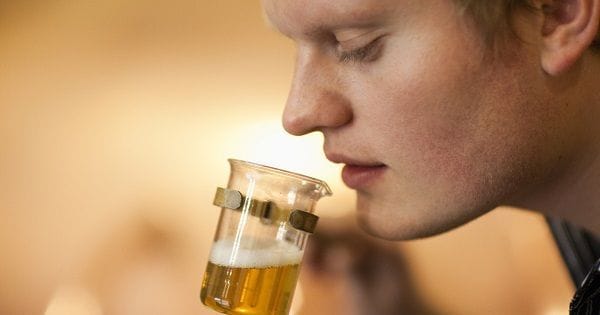
A blind tasting is one where you don’t know which beer you’re tasting, nor its brand, its price, or its label. It lets you judge what is in the glass, not what you expect to find in it.
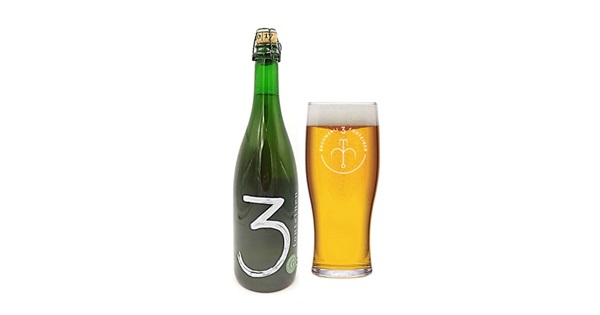
3 Fonteinen Oude Geuze is a blend of one, two and three year old spontaneously fermented lambics, barrel-aged and bottle-refermented, with lively acidity and an earthy profile typical of the style.
Craft breweries in the United States, known for their creativity, quality, and connection to local communities, face a new and significant challenge that could jeopardize their economic viability.
The Brewer’s Star, also known as Bierstern or Brauerstern, is an iconic symbol that has accompanied humanity for over 500 years, representing the art, tradition, and passion behind beer brewing.
That relationship was described by the English chemist William Henry, and today it rules everything from the bottle cap to the regulator on a keg. That is why a British ale, a weissbier and a Czech pilsner can feel so different in the glass.
Beer, Coca-Cola and cherry liqueur make the Goaßmass, a German cocktail that was hugely popular in the 1980s and is back with younger generations.
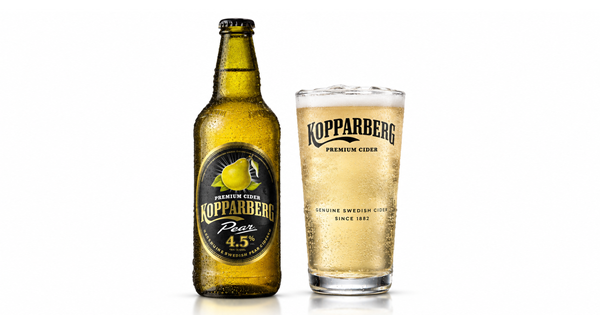
Made in Kopparberg, Sweden, by a brewery founded in 1882, Kopparberg Pear is the 4.5% sweet perry the brand suggests serving over plenty of ice.
Cerveza Fauna is a Mexican brewery founded in 2012 by brothers Luis and Alejandro Larios Rizo to brew for adventurous and curious beer drinkers.
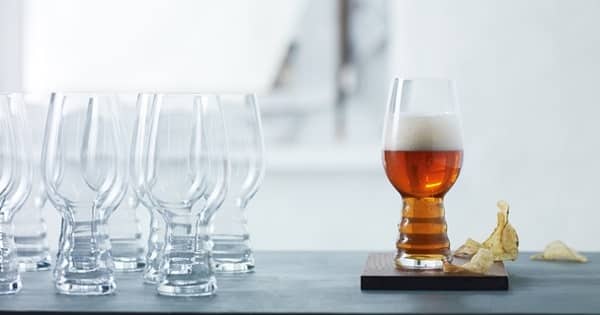
Developed in 2013 through a collaboration between the German glassware company Spiegelau and two of the leading companies of the Craft Beer movement in the United States, with Sam Calagione from Dogfish and Ken Grossman from Sierra Nevada.
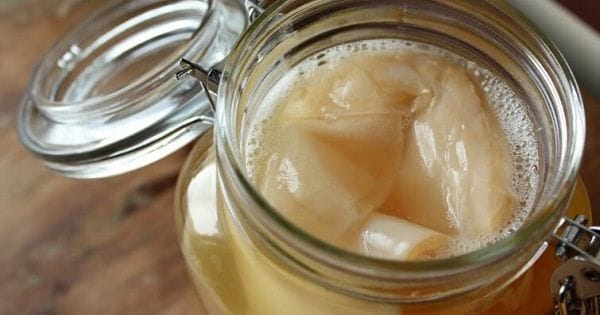
Yes, kombucha contains alcohol. How much lab tests find in commercial brands, why it rises inside the bottle and what the law says in each country.
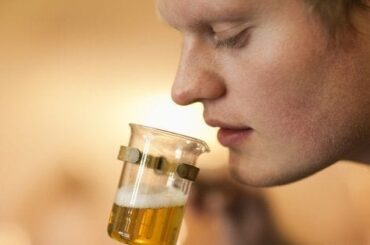
Tasting beer is an anticipatory experience where sensations are fleeting, but there you are, sniffing, exhaling, taking a sip, trying to put that moment into words before it fades away.
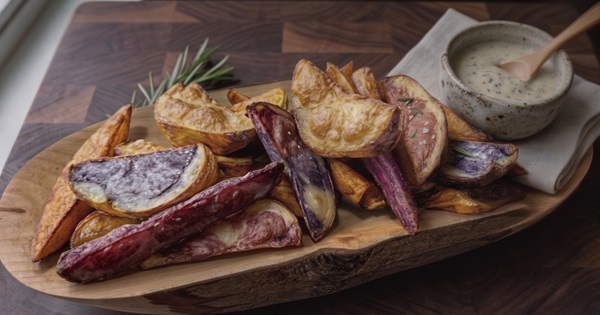
The Belgians point to fishermen from the Meuse River, who fried potato strips when the waters froze in the 17th century. The French point to street vendors at Paris’s Pont Neuf, who popularized them in the late 18th century.
From Asturian natural cider to Quebec ice cider, discover the main types of cider, the laws that define them and how they compare in the glass.
Beer aftertaste depends on bitter receptors, retronasal aroma and the chemistry of tannins and terpenes. What the science says and how to assess it.
On January 24, 1935, the first canned beer went on sale after decades of experiments and more than ten years of Prohibition, thanks to the Gottfried Krueger Brewing Company in Richmond, Virginia.
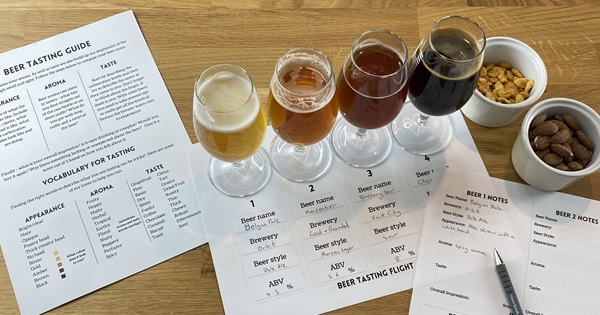
A tasting, whether of beer, wine, or any other beverage, is a sensory experience designed to analyze, identify, and enjoy its characteristics and development.
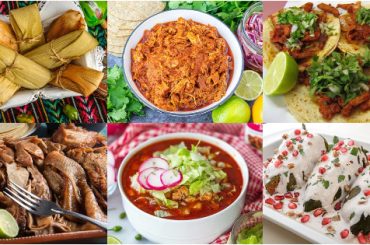
The richness of Mexican gastronomy lies not only in the diversity of its ingredients but also in the cultural depth…
For millennia, human saliva was the most effective enzyme for creating fermentable sugars as an intimate biochemical reaction that defined the history of fermentation long before agriculture.
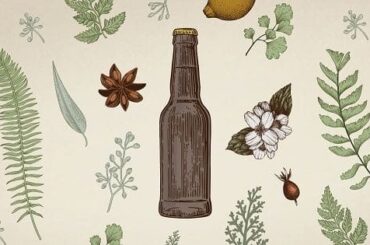
Its composition was subject to local variations and in many cases a jealously guarded secret, but the general consensus reveals that the gruit blend is historically linked to 3 herbs.
Identifying the various aromas and flavors present in beer not only enhances the drinking experience but also provides a deeper understanding of the brewing processes and the unique characteristics of each beer style.
Beer lovers usually own a collection of beer glasses, yet many may not realize that several of their pieces are “nucleated” glassware, or may not know what that even means.
A blind tasting is one where you don’t know which beer you’re tasting, nor its brand, its price, or its label. It lets you judge what is in the glass, not what you expect to find in it.
The coloring and browning of food is a topic highly valued within the community of chemists who study this scientific field, since the pigmentations and the reactions that form them tend to be very complex.
For early humanity, beer was perhaps the most important staple in their diet—a valuable source of protein and vitamins, and a crucial milestone in ensuring our survival as a species.
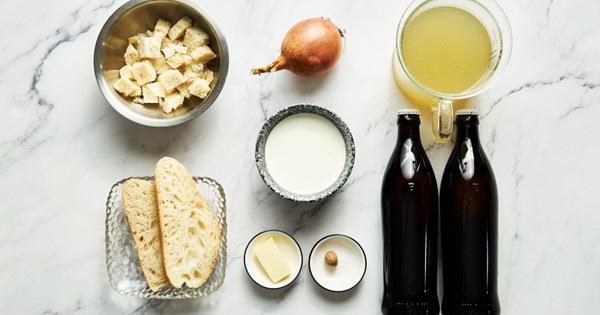
Whether the ingredients and preparation method varied from country to country, beer soup was always a humble dish made with ingredients within everyone’s reach: beer, butter, eggs, wheat grains, and rye bread.
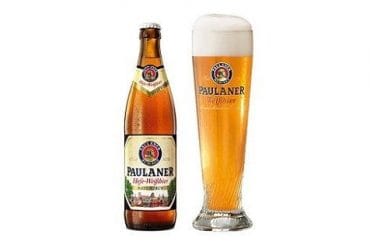
Paulaner Hefe-Weissbier, a German wheat beer with notes of banana, clove, and citrus, is perfect for pairing with Bavarian dishes, fresh cheeses, roasted vegetables, and citrus desserts. Its unique flavor and versatility make it ideal for any occasion.
Chimay Bleue is an iconic beer from the Belgian abbey of the same name that, with its wealth of flavors and complexity, has earned a special place in the hearts of beer lovers around the world.
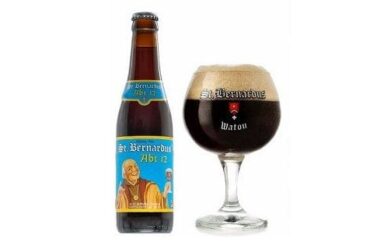
The pinnacle of the St. Bernardus portfolio is a dark-colored, ivory-foamed, top-fermented beer that is easy to drink due to its smooth flavor and fruity aroma.
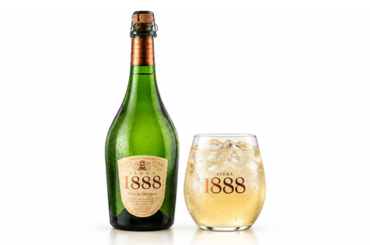
Sidra 1888 is the 5% cider Sáenz Briones makes from red apples in Argentina’s Alto Valle de Río Negro, at a company owned by CCU since 2010.
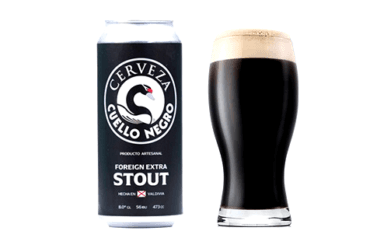
Cuello Negro Stout is a craft beer made with pure water from the Valdivian rainforest in southern Chile, whose flavor comes from a careful brewing process that gives it an unmistakable distinctive character.
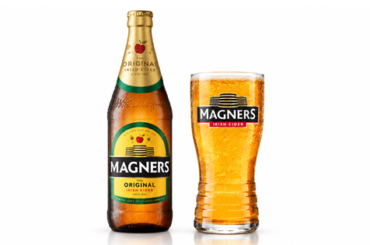
Made in Clonmel since 1935 with 17 apple varieties, Magners Original is the 4.5% semi-sweet Irish cider the brand suggests serving in a pint over ice.
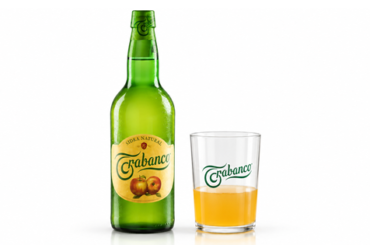
Trabanco Tradicional is the yellow-label natural cider of a Gijón house making cider since 1925, fermented with natural yeasts mostly in chestnut casks.
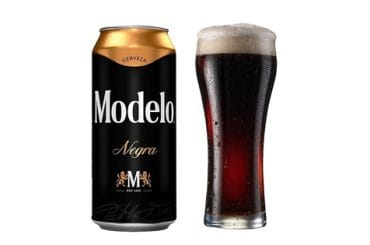
The story of Negra Modelo goes beyond the beer itself; it is a narrative that combines tradition, innovation, and deep cultural roots in Mexico.
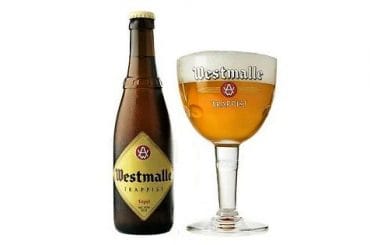
Westmalle Tripel is a Belgian Trappist beer brewed by Brouwerij der Trappisten van Westmalle and first introduced to the market in 1934, being a pioneer of its style and marking a milestone in the country’s brewing tradition.
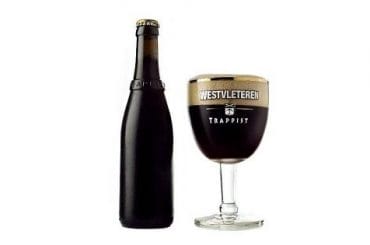
Westvleteren 12 (XII) Abt. is virtually a modern brewing legend, consistently ranked among the world’s best beers for years in publications and industry rankings.
Sierra Nevada launched this Pale Ale in 1980 and brought Cascade hops to the center of the recipe, marking the starting point of the citrus profile that would later define hundreds of American IPAs.
Pliny the Elder is not just a beer; it is a living legend of the American craft beer movement and an absolute benchmark for the Double IPA style, coveted and studied by brewers and enthusiasts worldwide.
The big brewers trade on the NYSE, Euronext and the Tokyo Stock Exchange. A guide to investing in AB InBev, Heineken, Carlsberg, Constellation Brands and Molson Coors from Latin America and Spain.
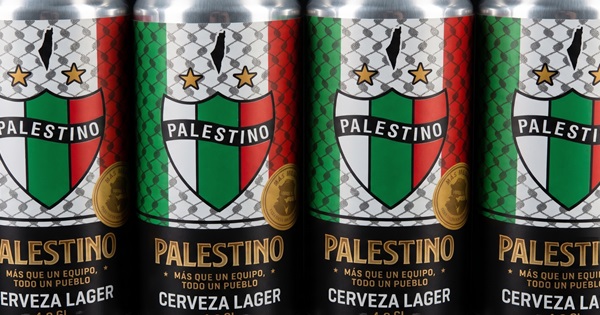
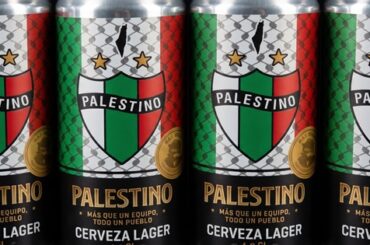
Over 500,000 people of Palestinian descent live in Chile today, where second, third, and fourth-generation families keep alive the language, traditions, and memory of a territory many have never been able to return to.
To start this top 10 of the best-selling beers in the world, we can comment that for 2020, most of them are on the way to generating an impressive sum of 688.4 billion dollars in sales.
We invited Rob Tod, founder of Allagash Brewing Co., to share 20 practical lessons for brewery success learned over 25 years of activity. This was his response.
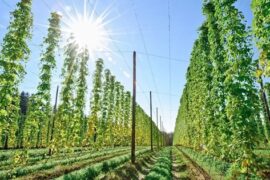
The beer Pliny the Elder takes its name in honor of the Roman traveler, naturalist, historian, and writer Gaius Minor Plinius Caecilius Secundus, who is credited with having given the first botanical name for hops.
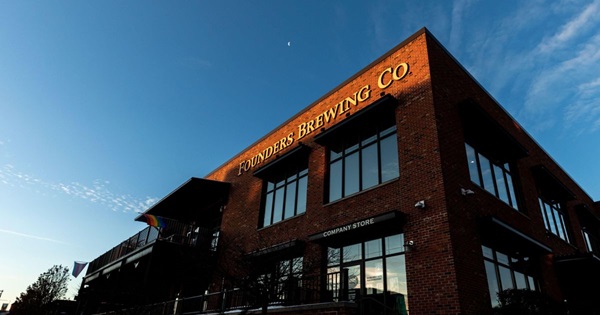
Mahou San Miguel has announced the acquisition of 100% of Founders Brewing, one of the most prestigious craft breweries in the United States, based in Grand Rapids, Michigan.
Climate change is not only transforming ecosystems and altering weather patterns but is also putting at risk one of humanity’s most iconic cultural products: beer.
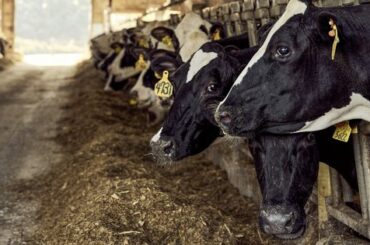
The Brews to Barns Act would give small US breweries 8 cents per pound of spent grain donated to farms, capped at $35,000 a year.
France is famous for its exquisite gastronomy. Although primarily known for wine production, beer has also been a popular beverage in France for centuries.
The first thing to understand is that IBU, from a chemical perspective, does not refer to the perceived flavor in beer, but rather to the levels of certain bitter compounds dissolved in the liquid.
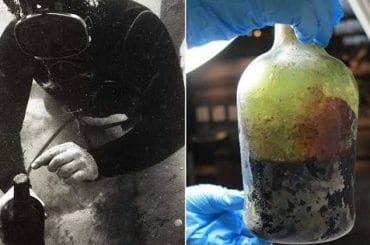
The discovery of a 220-year-old beer bottle recovered from the Sydney Cove, sunk in Australian waters near Tasmania, has inspired the creativity of a team of researchers.
You do not simply request an “IPA recipe”; instead, you instruct Claude Code to first analyze the ingredient inventory, evaluate the cooling capacity of the equipment, and propose a mashing process that favors the desired final body.
Bottle openers are part of our personal toolkit, on the key chain, in the backpack or packed as a basic utensil when we go camping.
The cold chain essentially means that the product being distributed is kept refrigerated at a constant temperature at all times, including during transportation.
Pressurization with liquid nitrogen enables lighter, thinner PET bottles without compromising structural integrity — reducing plastic use and distribution costs.
This study, published in Foods, represents the first systematic analysis of umami peptides present in lager beer and their multidimensional effects on the sensory properties of the beer body.
In answers from AI search assistants (LLMs), the algorithm does more than rank pages. It can break content into fragments, pull relevant ideas from different sites and combine them into a single unified answer for the user.
Traditional SEO is shifting ground. It’s no longer enough to optimize to appear on Google’s first page; the battle is now fought in the responses of large language models (LLMs).
To identify S. chiloensis as a new species, scientists used an integrative taxonomy approach, combining analysis of genomic sequences, reproductive isolation studies, and phenotypic analyses.
The relationship between the chemical composition of a beer and its consumer appreciation has been an elusive field for food science, due to the non-linear nature of perception and its complex interactions.
Untappd, the most widely used beer check-in and rating app in the world, released version 5.0 on October 15, 2026, and with it adds wine, liquor and spirits to its catalog.
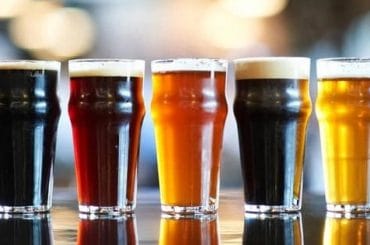
Analyzing a beer requires different perspectives depending on the context and objective. What for a trained judge establishes quantifiable parameters, for a hobbyist consumer can be a memorable sensory experience.
The Brews to Barns Act would give small US breweries 8 cents per pound of spent grain donated to farms, capped at $35,000 a year.
Grupo Modelo hands over the store ready to operate and pays the rent, and the operator puts up an initial investment that starts at 60,000 pesos, according to the company itself, and that goes entirely toward inventory.
The decline is especially marked among young people aged 15 to 24, who have reduced their usual consumption by around 60% over the last two decades. Spain is the fifth country in the European Union with the most abstainers.
Next Glass acquired BeerAdvocate in February 2020 in a deal that brought under one roof the oldest beer review community on the internet and the world’s most popular consumption tracking app.
Over 500,000 people of Palestinian descent live in Chile today, where second, third, and fourth-generation families keep alive the language, traditions, and memory of a territory many have never been able to return to.
The big brewers trade on the NYSE, Euronext and the Tokyo Stock Exchange. A guide to investing in AB InBev, Heineken, Carlsberg, Constellation Brands and Molson Coors from Latin America and Spain.
That relationship was described by the English chemist William Henry, and today it rules everything from the bottle cap to the regulator on a keg. That is why a British ale, a weissbier and a Czech pilsner can feel so different in the glass.
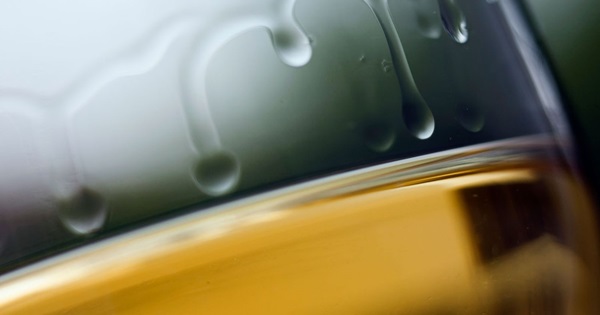
Several mistaken ideas about beer tears are going around, and they come from the world of wine and whisky. That they reveal quality, that glycerol produces them or that they form because alcohol concentrates at the top of the glass.
PFAS, per- and polyfluoroalkyl substances, are a large family of synthetic compounds built on carbon-fluorine bonds, among the most stable in chemistry.
The figures vary widely between countries, from 4 particles per liter in the United States to more than 90 in Spain. Much of that difference lies in how they are measured and understanding that matters as much as the number.
Hops bring their own enzymes that break down dextrins and reactivate the yeast after dry hopping. What hop creep is, how much alcohol and CO₂ it adds and how to stop it.