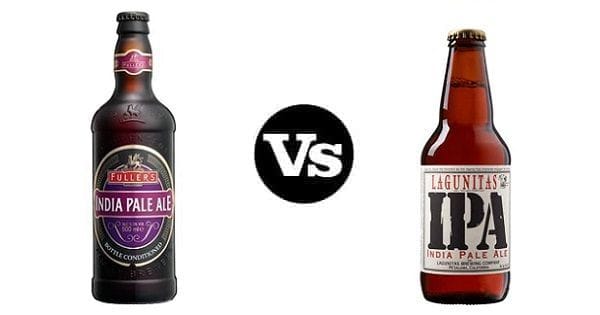
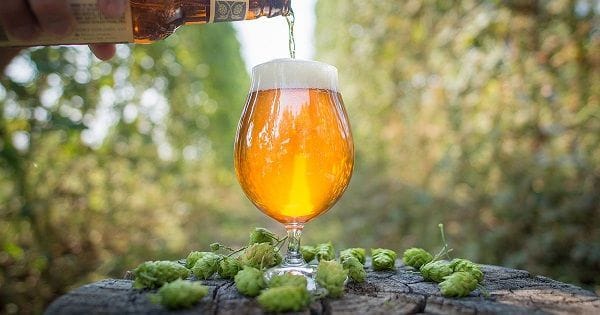
IPA beers (India Pale Ale) are a top-fermented beer style with over 200 years of history, increasingly widespread and appreciated around the world, and from which new variations emerge from time to time.
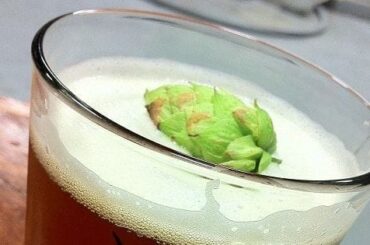
IPAs are one of the most popular beer styles worldwide, yet there are people who cannot stand hop-heavy bitter beers, and this could be due to a genetic variation in their perception of this taste.
The idea was born with the help of social media in 2011, with Ashley Routson and Ryan Ross as its main promoters, quickly spreading globally as one of the most important beer style celebrations.
The legend about the origin of IPAs says that British brewers were looking to develop a recipe that could be exported to India, a very difficult journey where it was exposed to dramatically extreme temperatures.
Beer is a perfect example of what in anthropology is known as cultural convergence, a phenomenon in which civilizations separated by oceans and millennia arrived at the same technological solution without having influenced each other.
The cold chain essentially means that the product being distributed is kept refrigerated at a constant temperature at all times, including during transportation.
Artículos destacados
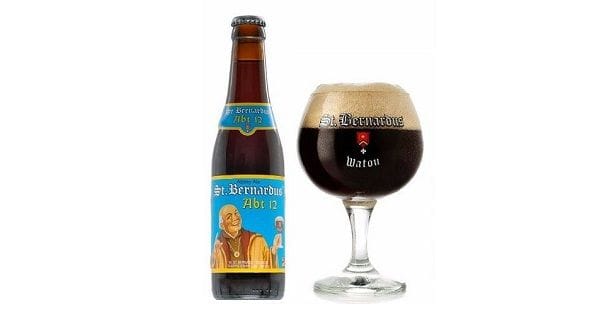
The pinnacle of the St. Bernardus portfolio is a dark-colored, ivory-foamed, top-fermented beer that is easy to drink due to its smooth flavor and fruity aroma.
Rinsing the glass is the last of multiple equally important stages for beer service, but it is completely irrelevant if the glass being rinsed has not been properly washed beforehand.
The “Battle of Gravensteen” today is primarily known as a song based on the texts of the poem by Eugeen…
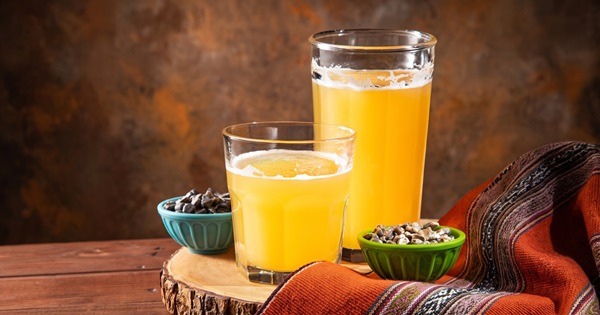
Chicha beer is not chicha mixed with beer. It is its own craft beer style born in the Andes, combining jora corn with barley malt, using local herbs instead of hops, and mixed fermentation instead of industrial yeasts.
Fermentation is the heart of the beer brewing process: through it, wort made from malted grains is transformed into alcohol and carbon dioxide by yeast. Beer fermentation is generally divided into three stages: primary fermentation, secondary fermentation, and conditioning.
Brussels celebrates that recognition with a richer and more diverse beer scene than ever, with over 1,500 varieties, new experience spaces, and entire neighborhoods that have made beer part of their urban identity.
In South Korea, the two most popular alcoholic beverages are soju and beer. This is why the smooth and delicious beer cocktail known as “somaek” has gained immense popularity, creating a perfect combination of both.
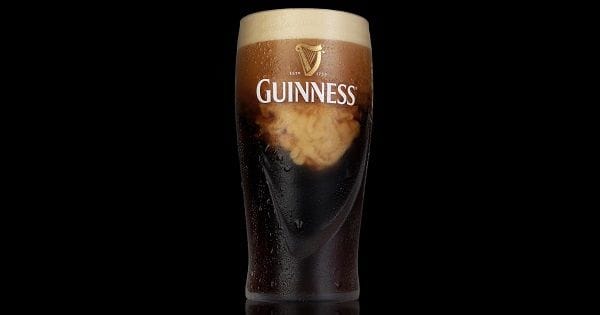
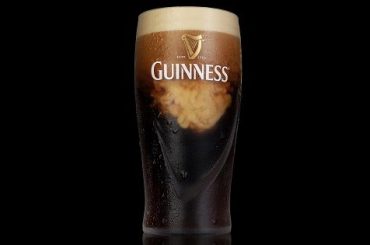
Nitro beer has been dismissed as a passing trend more than once — yet it keeps finding new fans and new formats. From the Guinness widget to nitro Cream Ales and Lagers, here is the science and history behind the nitrogen revolution in beer.
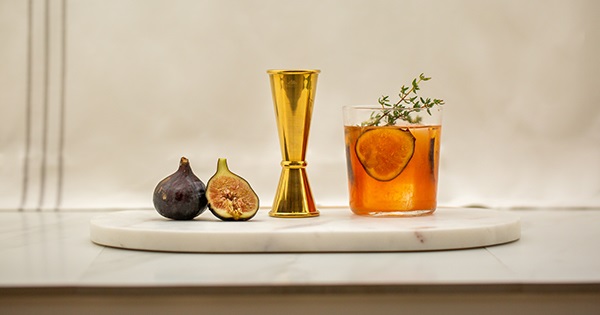
The history of the jigger constitutes the fundamental axis upon which the professionalization of modern mixology was built, transforming a craft based on empirical intuition into an exact technical discipline.
From regulatory, technical elaboration, chemical composition, or organoleptic profile, understanding this distinction is fundamental to properly valuing this beverage that has gained relevance in recent years.
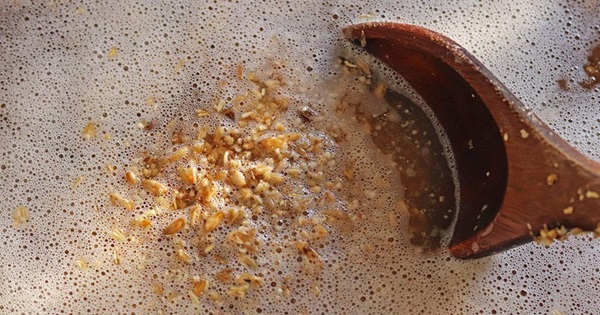
Each stage of the beer brewing process is very relevant, but mashing is the phase where fermentable sugars are extracted, defining not only the alcoholic potential of the beer but also its body, aroma, and flavor.
In a context of growing climate urgency and regulatory pressure, the brewing industry—traditionally seen as a resource-intensive activity—is undergoing an unprecedented transformation toward sustainability.
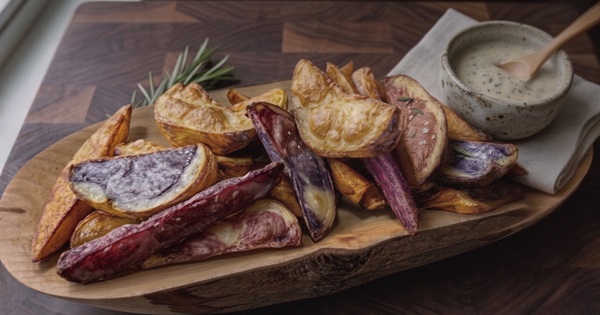
The Belgians point to fishermen from the Meuse River, who fried potato strips when the waters froze in the 17th century. The French point to street vendors at Paris’s Pont Neuf, who popularized them in the late 18th century.
Chicha de jora (from the Quechua “Aqha” or “fermented liquid”) is a South American beverage created during the Inca Empire, widely consumed in Peru, Bolivia, and Ecuador.
Hidden for centuries in the bark of lenga beeches, coigüe trees and araucarias of the Patagonian forest, the lost genetic link from which all the world’s lager beers are born.
This holiday, which began as a religious celebration, has evolved into a global event honoring Irish culture with parades, music, food, and of course, beer.
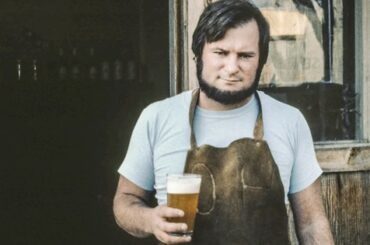
In a context where post-Prohibition American beer meant light lagers from a handful of industrial giants, Jack McAuliffe changed everything. He passed away on July 15, 2025, at age 80.
Bitterness is an acquired taste, clearly evident when we see someone discovering the world of craft beer, but there is a good evolutionary reason for it: bitterness is a signal to consider in potentially poisonous compounds.
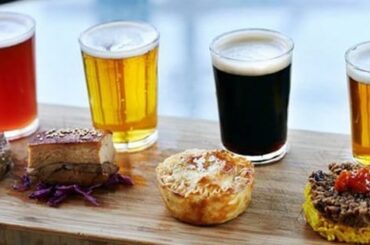
Discover the versatility of beer and food pairing, where the wide range of beer styles fuses with a great variety of dishes, offering a unique and unforgettable gastronomic experience.
From ingredient selection to final fermentation, chemistry is essential to understanding how flavors and aromas develop, allowing brewers to adjust the process for specific results.
Sendechó is a Mexican fermented beverage of pre-Hispanic origin that seeks to be revitalized as an innovative and artisanal alternative within the modern world of low-alcohol beverages with functional properties.
In the early days of history, there were no hierarchies or private property — just a vast savanna to explore and a new world to discover with seemingly endless natural resources: such were the beginnings of what we today understand as humanity.
On April 23, 1516, Duke Wilhelm IV of Bavaria issued a decree regulating the price of beer, the times of production, and the ingredients permitted in its manufacture.
Unlike other Trappist abbeys located in Belgium, the Abbey of Saint Sixtus of Westvleteren (Sint-Sixtusabdij van Westvleteren in Dutch) does not date back to the times of the first congregations of the Cistercian Order.
Acetaldehyde is one of the most relevant chemical compounds in beer production, both for its impact on the sensory profile and for its role as an indicator of fermentation quality.
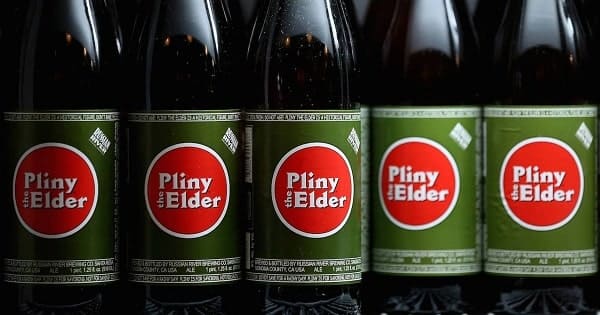
Pliny the Elder is not just a beer; it is a living legend of the American craft beer movement and an absolute benchmark for the Double IPA style, coveted and studied by brewers and enthusiasts worldwide.
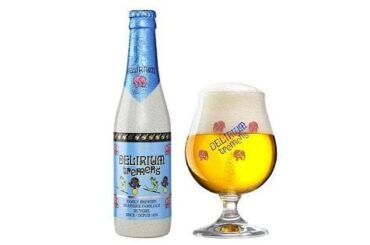
Delirium Tremens is a Golden Belgian Strong Ale style beer originating from Melle, Belgium, brewed by Brouwerij Huyghe, with 8.5% ABV, 200 calories, and 26 IBU.
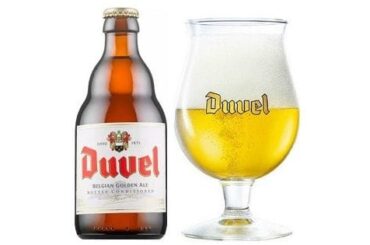
Duvel is an emblematic Belgian beer that, since its creation in the 1920s, has achieved iconic status in the beer world for its complexity and balance.
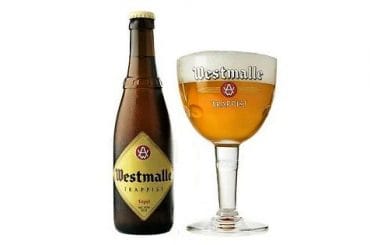
Westmalle Tripel is a Belgian Trappist beer brewed by Brouwerij der Trappisten van Westmalle and first introduced to the market in 1934, being a pioneer of its style and marking a milestone in the country’s brewing tradition.
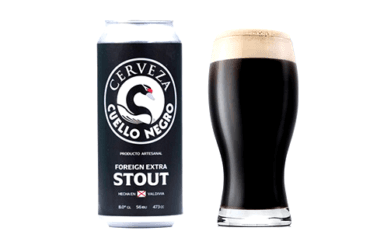
Cuello Negro Stout is a craft beer made with pure water from the Valdivian rainforest in southern Chile, whose flavor comes from a careful brewing process that gives it an unmistakable distinctive character.
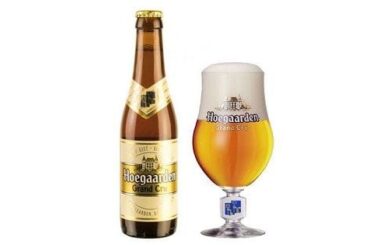
Hoegaarden Grand Cru is a Belgian Strong Ale brewed by Hoegaarden Brewery in Belgium, with 8.5% ABV, 29 IBU and 255 calories, best served in a Tulip or Snifter glass.
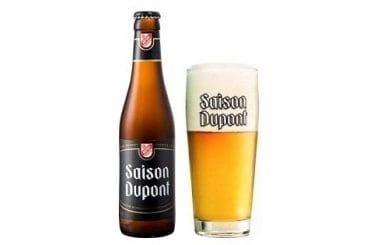
Saison Dupont is a Belgian top-fermented beer, bottle-conditioned, brewed since 1844 during the winter to quench the thirst of the “saisoniers” who would work in the fields during the summer.
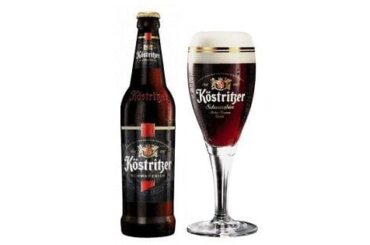
Köstritzer Schwarzbier is a bottom-fermented black lager. It has been produced since 1543 by the Köstritzer Schwarzbierbrauerei brewery, in the German state of Thuringia.
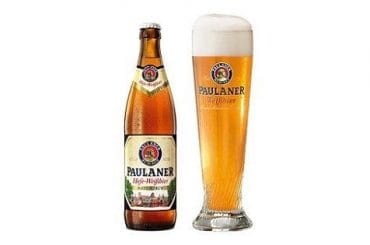
Paulaner Hefe-Weissbier, a German wheat beer with notes of banana, clove, and citrus, is perfect for pairing with Bavarian dishes, fresh cheeses, roasted vegetables, and citrus desserts. Its unique flavor and versatility make it ideal for any occasion.
A recent study published in Nature Medicine analyzed data from 184 countries and found that sugar-sweetened beverages contributed to 2.2 million new cases of type 2 diabetes and 1.2 million new cardiovascular disease cases in 2020 alone.
We invited Rob Tod, founder of Allagash Brewing Co., to share 20 practical lessons for brewery success learned over 25 years of activity. This was his response.
Next Glass acquired BeerAdvocate in February 2020 in a deal that brought under one roof the oldest beer review community on the internet and the world’s most popular consumption tracking app.
The beer Pliny the Elder takes its name in honor of the Roman traveler, naturalist, historian, and writer Gaius Minor Plinius Caecilius Secundus, who is credited with having given the first botanical name for hops.
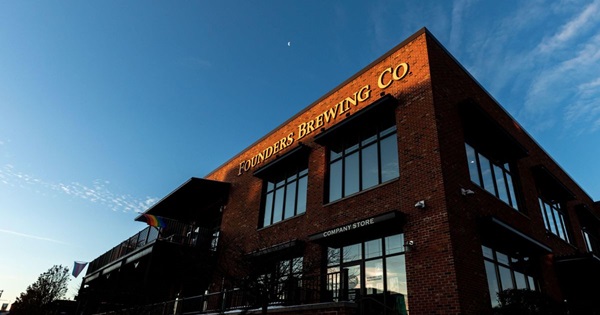
Mahou San Miguel has announced the acquisition of 100% of Founders Brewing, one of the most prestigious craft breweries in the United States, based in Grand Rapids, Michigan.
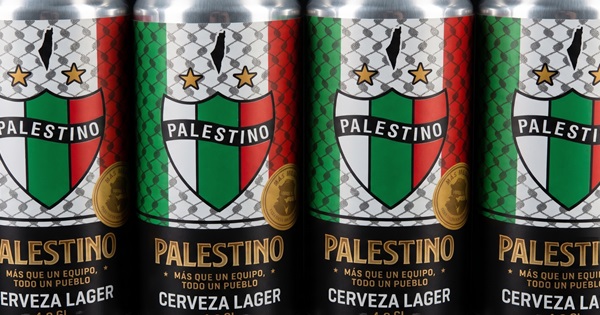
Over 500,000 people of Palestinian descent live in Chile today, where second, third, and fourth-generation families keep alive the language, traditions, and memory of a territory many have never been able to return to.
A Kantar Millward Brown annual study reveals that 5 of the 6 most valuable brands in Latin America are beer brands. Discover which beer leads sales in each country of the region.
To start this top 10 of the best-selling beers in the world, we can comment that for 2020, most of them are on the way to generating an impressive sum of 688.4 billion dollars in sales.
In South Korea, the two most popular alcoholic beverages are soju and beer. This is why the smooth and delicious beer cocktail known as “somaek” has gained immense popularity, creating a perfect combination of both.
The rise of non-alcoholic or low-alcohol beers has led the brewing industry to explore new yeast strains and fermentation techniques.
Craft and independent brewers dedicate a great deal of time, effort, and resources to making the best beer possible, but all of this hard work can be ruined in the time it takes the beer to travel from the keg to the pint.
This study, published in Foods, represents the first systematic analysis of umami peptides present in lager beer and their multidimensional effects on the sensory properties of the beer body.
When beer is introduced into a rotor spinning at high revolutions, a centrifugal force is generated that can reach between 5,000 and 10,000 times the Earth’s gravity. This acceleration reduces sedimentation time to fractions of a second.
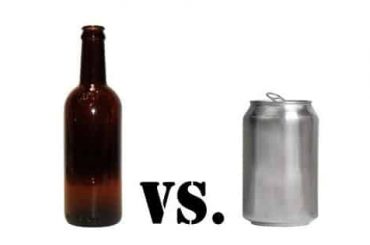
Every consumer already has their preferences: some reject cans while others love the creative designs they can carry. This article cuts through the aesthetics to lay out the objective facts on which format is better depending on the conditions.
Traditional SEO is shifting ground. It’s no longer enough to optimize to appear on Google’s first page; the battle is now fought in the responses of large language models (LLMs).
The STC-1000 temperature controller lets you manually program a precise temperature range for your fermenter inside a refrigerator, freezer, or appropriately sized cooler.
To identify S. chiloensis as a new species, scientists used an integrative taxonomy approach, combining analysis of genomic sequences, reproductive isolation studies, and phenotypic analyses.
Historically, brewers around the world have used locally available water to brew their beer, leading to the development of beer styles associated with specific mineral water profiles found in those places.
Pressurization with liquid nitrogen enables lighter, thinner PET bottles without compromising structural integrity — reducing plastic use and distribution costs.
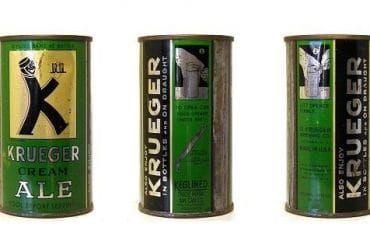
On January 24, 1935, the first canned beer went on sale after decades of experiments and more than ten years of Prohibition, thanks to the Gottfried Krueger Brewing Company in Richmond, Virginia.
If you have ever visited Ireland, you have surely tasted a Kilkenny, Murphy’s or Guinness beer in one of its many pubs with a spirit that exudes authenticity from every corner.
The PERP framework offers a structural model for understanding how global warming alters the biological cycles of barley and hops, with concrete responses to maintain quality and economic viability.
Google’s algorithm doesn’t always prioritize specialized beer media, but now it allows you to add The Beer Times as a preferred content source in Google Discover in less than a minute.
Tradition holds that Pythagoras, the celebrated mathematician and philosopher who founded his school in Croton, in southern Italy, grew tired of watching some of his disciples abuse wine during symposia.
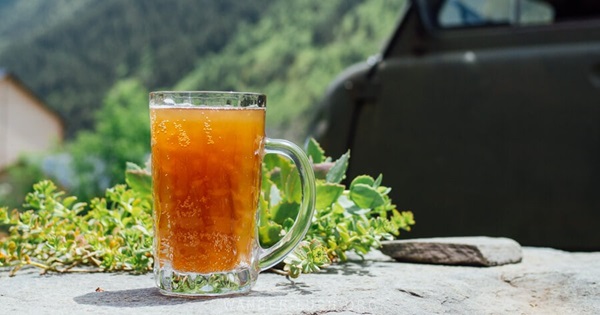
In Tusheti, a remote region of the Georgian Caucasus, the sacred drink is not wine but aludi: a beer brewed with sun-malted barley and wild hops whose recipe has been passed down from grandmother to granddaughter for centuries.
A clay tablet from the Ur III period decoded in Copenhagen records more than 120 liters of beer distributed over two consecutive days in ancient Mesopotamia, distinguishing between good beer and ordinary beer. The oldest administrative document known to formally classify beer quality.