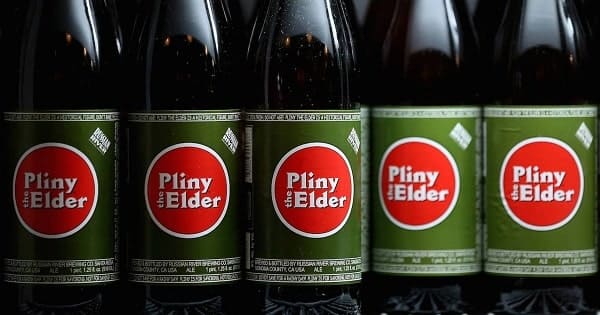
Pliny the Elder was created in 2000 as a special brew for the beer festival organized by Vic Kralj, owner of the Bistro in Hayward, California, in which only 10 breweries took part.
In the late 19th century, Anchor Brewing Company began brewing its famous Steam Beer, using local ingredients and giving up the lager brewing techniques popular at the time.
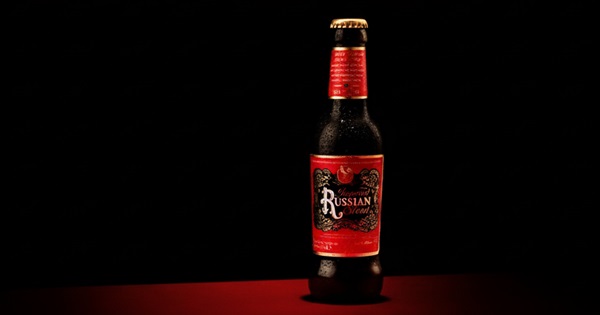
This version, especially the one produced in the 1970s–1990s, became the last direct commercial survivor of the original lineage of 18th-century London Imperial Stouts.
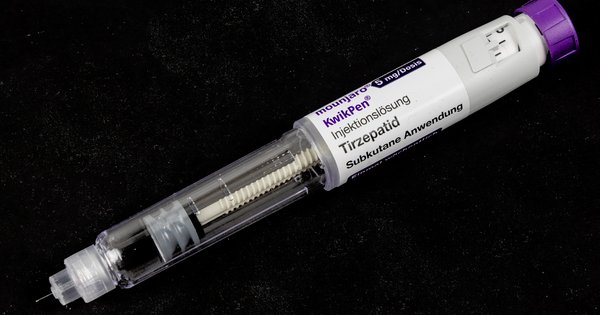
Neither Ozempic nor Mounjaro mentions alcohol in its product information, but Heineken has just warned British pubs and bars that these drugs reduce the desire to drink and that users spend 14% less on beer.
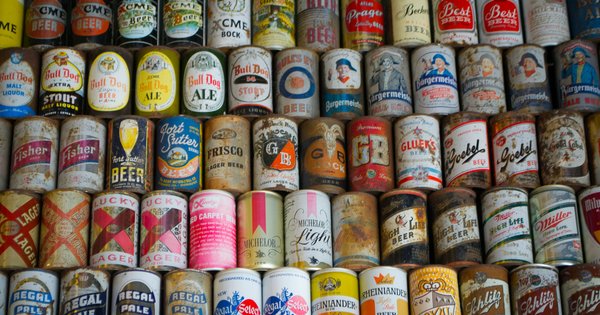
The history of the beer can, from the 1935 steel can to the cone top, aluminum, the pull tab, the Guinness widget and craft beer.
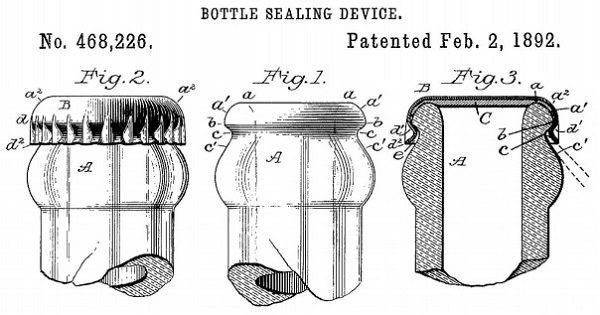
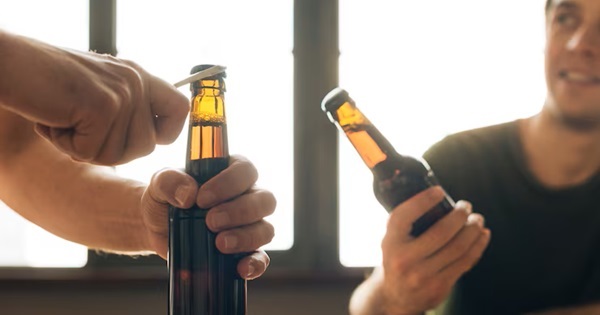
Bottle openers are part of our personal toolkit, on the key chain, in the backpack or packed as a basic utensil when we go camping.
Featured Articles
The idea that people in the Middle Ages drank beer or wine to avoid drinking water is so established that even the most serious experts see no reason to document it; they simply repeat it as an indisputable truth.
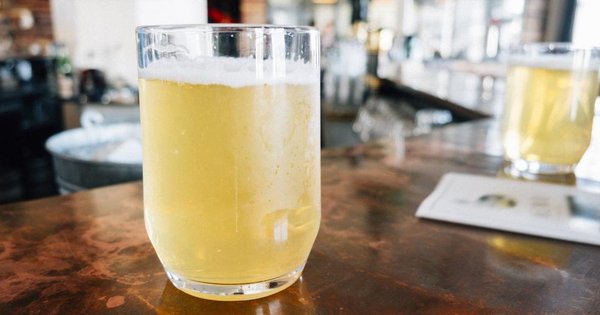
Hoegaarden Wit is one of the world’s most iconic beers, a Belgian wheat beer whose pale yellow color and natural haze win you over at first sight.
On April 23, 1516, Duke Wilhelm IV of Bavaria issued a decree regulating the price of beer, the times of production, and the ingredients permitted in its manufacture.
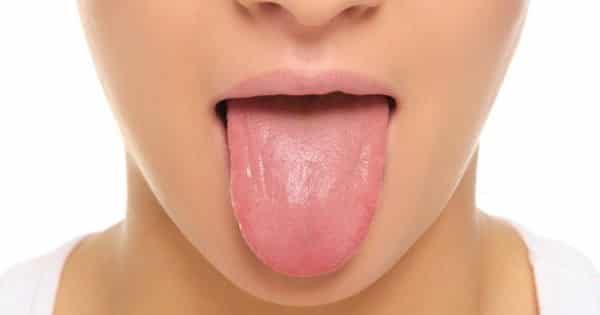
Beer aftertaste depends on bitter receptors, retronasal aroma and the chemistry of tannins and terpenes. What the science says and how to assess it.
An essential part of the Eleusinian rites was the consumption of a beverage called ‘Kykeon,’ an infusion made from sacramental water, barley, and mint, which is also believed to have contained ergot fungus, a precursor to LSD.
Cerveza Fauna is a Mexican brewery founded in 2012 by brothers Luis and Alejandro Larios Rizo to brew for adventurous and curious beer drinkers.
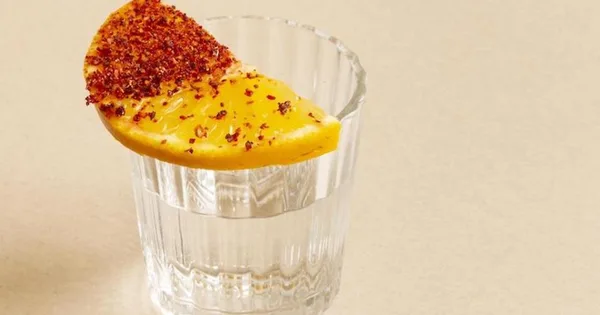
Jesús Sánchez from Conejo en la Luna restaurant in Teotihuacán shares four keys to dive into traditional mezcal without making beginner mistakes.
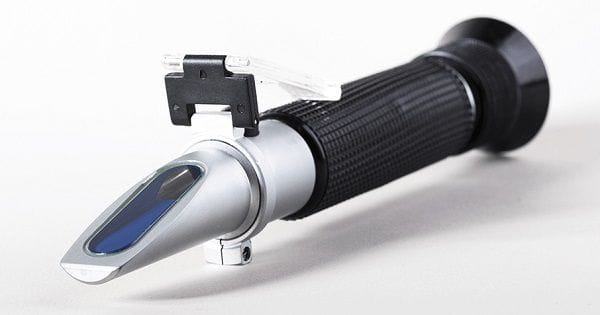
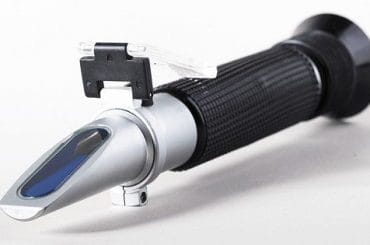
A refractometer is an optical instrument that measures the sucrose concentration of a solution based on the refractive index produced by light in that solution.
Beer addiction has no diagnosis of its own. It is treated as alcohol use disorder, and there are screening tests, therapies, and medications with proven effectiveness for it.
The coloring and browning of food is a topic highly valued within the community of chemists who study this scientific field, since the pigmentations and the reactions that form them tend to be very complex.
At a 1,700-year-old site, a team of archaeologists unearthed an ancient funerary site revealing a previously unknown and deeply symbolic practice of pouring alcoholic beverages such as wine and beer over the dead.
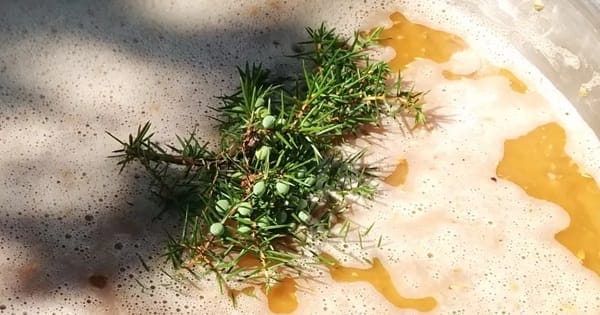
Sahti is an ancient beer originating from Finland, recognized for its unique flavor, traditional brewing process, and rustic character, with juniper playing a prominent role.
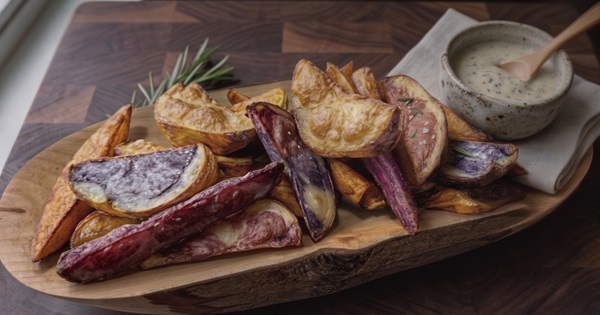
The Belgians point to fishermen from the Meuse River, who fried potato strips when the waters froze in the 17th century. The French point to street vendors at Paris’s Pont Neuf, who popularized them in the late 18th century.
Achieving a high-quality non-alcoholic beer requires a reengineering of non-fermentable carbohydrates to replicate the tactile resistance that alcohol naturally provides in traditional beers.
The close relationship between cannabis and hops is well known, but obtaining replicable and efficient results from a finished beer infusion with marijuana remains a technique in full development.
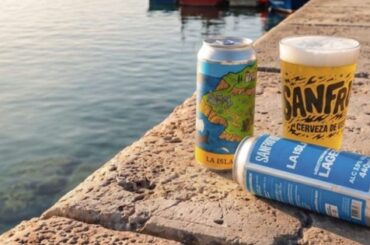
The Spanish Association of Sommellerie and Beer Culture (ASYCCE) has established the Mediterranean Lager as the country’s first officially native style, with a technical description including clear sensory parameters.
Explore the physical and biochemical effects of sound frequencies on beer production, their impact on yeast activity, the formation of aromatic compounds, and the stability of the final product.
A refractometer is an optical instrument that measures the sucrose concentration of a solution based on the refractive index produced by light in that solution.
The acronym IBU (International Bitterness Units) corresponds to the international measurement unit of bitterness and represents the iso-alpha-acids dissolved in beer, where each IBU is equivalent to one milligram of iso-alpha-acid per liter of beer.
Fermentation is the heart of the beer brewing process: through it, wort made from malted grains is transformed into alcohol and carbon dioxide by yeast. Beer fermentation is generally divided into three stages: primary fermentation, secondary fermentation, and conditioning.
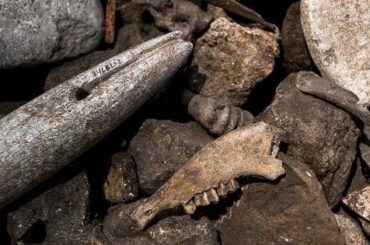
Few things delight archaeologists like centuries-old rubbish heaps. Ancient bones and stones from waste piles can tell complex stories.
Bitterness is an acquired taste, clearly evident when we see someone discovering the world of craft beer, but there is a good evolutionary reason for it: bitterness is a signal to consider in potentially poisonous compounds.
Beer aftertaste depends on bitter receptors, retronasal aroma and the chemistry of tannins and terpenes. What the science says and how to assess it.
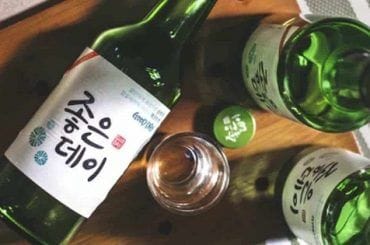
In South Korea, the two most popular alcoholic beverages are soju and beer. This is why the smooth and delicious beer cocktail known as “somaek” has gained immense popularity, creating a perfect combination of both.
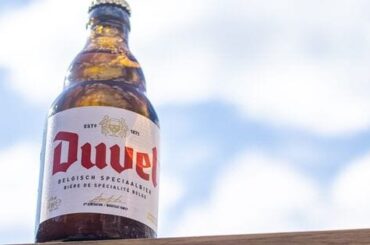
Duvel Moortgat is a family brewery founded in 1871 by Jan-Leonard Moortgat in the town of Breendonk, being one of the more than 3,000 breweries operating in Belgium at that time.
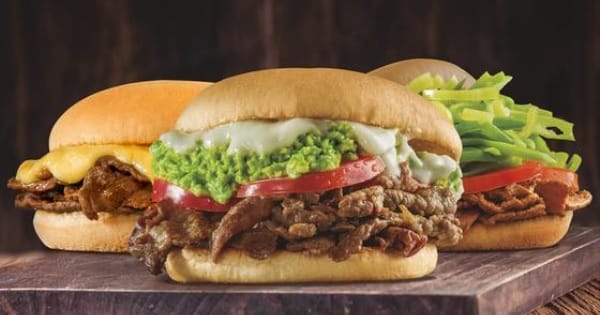
This sandwich, which blends culinary tradition and natural products with irresistible flavors, pays homage to the thin cut of beef called churrasco in its many variations.
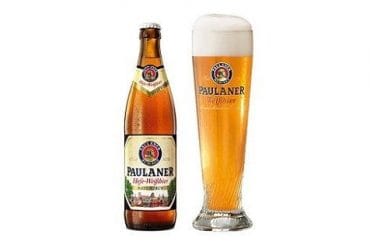
Paulaner Hefe-Weissbier, a German wheat beer with notes of banana, clove, and citrus, is perfect for pairing with Bavarian dishes, fresh cheeses, roasted vegetables, and citrus desserts. Its unique flavor and versatility make it ideal for any occasion.
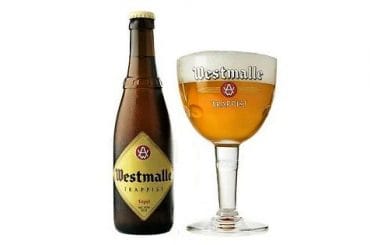
Westmalle Tripel is a Belgian Trappist beer brewed by Brouwerij der Trappisten van Westmalle and first introduced to the market in 1934, being a pioneer of its style and marking a milestone in the country’s brewing tradition.
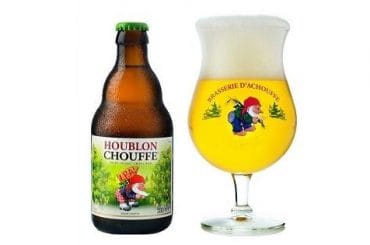
Houblon Chouffe Bière Tripel IPA represents a unique fusion of the English IPA tradition, the American Double IPA revolution, and the Belgian Tripel heritage.
Hoegaarden Wit is one of the world’s most iconic beers, a Belgian wheat beer whose pale yellow color and natural haze win you over at first sight.
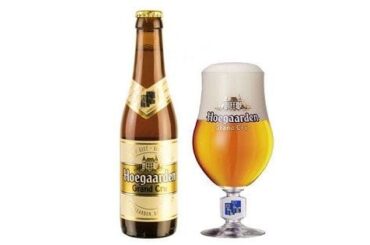
Hoegaarden Grand Cru is a Belgian Strong Ale brewed by Hoegaarden in Belgium, with 8.5% ABV, 29 IBU and 255 calories, best served in a Tulip or Snifter glass.
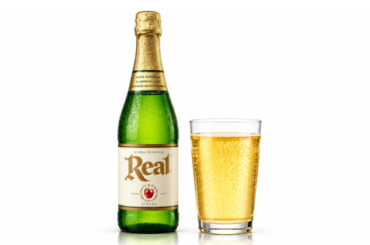
Sidra Real Etiqueta Blanca is the everyday cider of CCU Argentina’s longest-running brand, made in the Alto Valle de Río Negro from red and green apples.
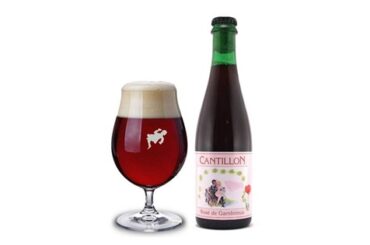
Cantillon ferments this beer spontaneously with wild yeasts from the Senne valley and adds fresh raspberries, giving rise to one of the most renowned fruit lambics in Brussels.
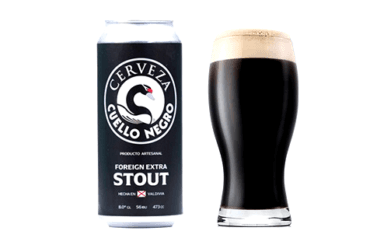
Cuello Negro Stout is a craft beer made with pure water from the Valdivian rainforest in southern Chile, whose flavor comes from a careful brewing process that gives it an unmistakable distinctive character.
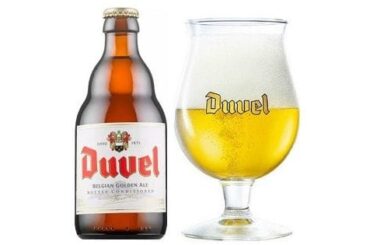
Duvel is an emblematic Belgian beer that, since its creation in the 1920s, has achieved iconic status in the beer world for its complexity and balance.
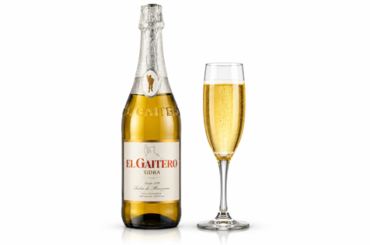
El Gaitero Clásica is the sparkling cider of the Asturian house founded in 1890 in Villaviciosa, extra semi-dry, 4.1%, with ample bubbles and firm acidity.
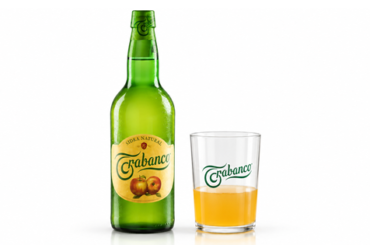
Trabanco Tradicional is the yellow-label natural cider of a Gijón house making cider since 1925, fermented with natural yeasts mostly in chestnut casks.
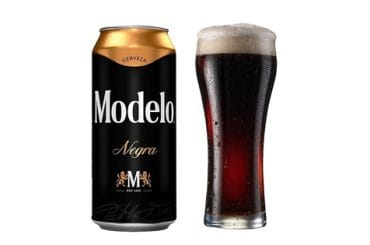
The story of Negra Modelo goes beyond the beer itself; it is a narrative that combines tradition, innovation, and deep cultural roots in Mexico.
Alcohol suppresses REM sleep in the first half of the night and triggers a rebound in the second, causing vivid dreams, micro-awakenings, and fragmented rest. What the science says.
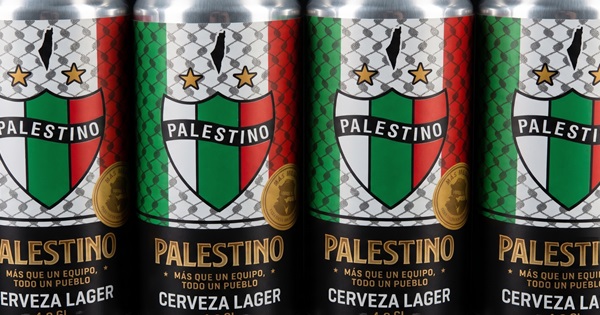
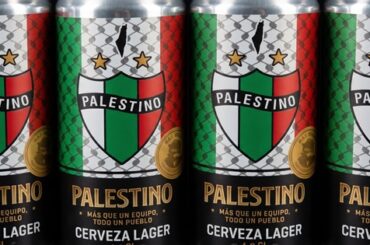
Over 500,000 people of Palestinian descent live in Chile today, where second, third, and fourth-generation families keep alive the language, traditions, and memory of a territory many have never been able to return to.
Cristal and Pilsen Callao, from Backus, are Peru’s best-selling beers. Learn their history and other brands such as Cusqueña, San Juan, Tres Cruces and Barbarian.
The best-selling beer in each Latin American country with 2024 to 2026 data, from Brazil and Mexico to Costa Rica, and the brewing groups that control the market.
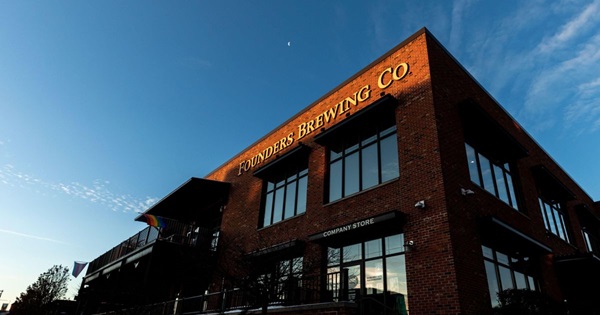
Mahou San Miguel has announced the acquisition of 100% of Founders Brewing, one of the most prestigious craft breweries in the United States, based in Grand Rapids, Michigan.
To start this top 10 of the best-selling beers in the world, we can comment that for 2020, most of them are on the way to generating an impressive sum of 688.4 billion dollars in sales.
Next Glass acquired BeerAdvocate in February 2020 in a deal that brought under one roof the oldest beer review community on the internet and the world’s most popular consumption tracking app.
Of the 10 most expensive beers in the world, some hit astronomical prices on release, while others are still brewed in exclusive batches.
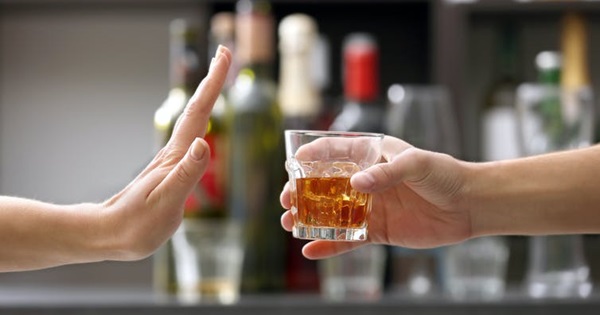
The decline is especially marked among young people aged 15 to 24, who have reduced their usual consumption by around 60% over the last two decades. Spain is the fifth country in the European Union with the most abstainers.
France is famous for its exquisite gastronomy. Although primarily known for wine production, beer has also been a popular beverage in France for centuries.
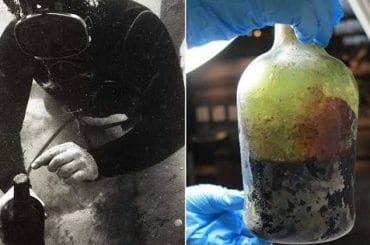
The discovery of a 220-year-old beer bottle recovered from the Sydney Cove, sunk in Australian waters near Tasmania, has inspired the creativity of a team of researchers.
Untappd, the most widely used beer check-in and rating app in the world, released version 5.0 on October 15, 2026, and with it adds wine, liquor and spirits to its catalog.
Historically, brewers around the world have used locally available water to brew their beer, leading to the development of beer styles associated with specific mineral water profiles found in those places.
This study, published in Foods, represents the first systematic analysis of umami peptides present in lager beer and their multidimensional effects on the sensory properties of the beer body.
A team at Chalmers University of Technology has developed a biodegradable construction material made from baker’s yeast, algae alginate, wood cellulose, and vegetable glycerol—3D printable at room temperature with no heating, no support structures, and no waste.
A Saison and a Sweet Stout start from similar original gravities but end up at opposite extremes, one very dry and the other sweet. The difference lies in how much work the yeast did and in what it left unfermented.
If you have ever visited Ireland, you have surely tasted a Kilkenny, Murphy’s or Guinness beer in one of its many pubs with a spirit that exudes authenticity from every corner.
It’s undeniable that TikTok is one of the social networks of the moment, developing exponential growth since 2020 until reaching…
Our phone is the first thing we check in the morning and the last thing we see before going to sleep. It’s your biggest opportunity to communicate with your customers and make an impression.
Hops bring their own enzymes that break down dextrins and reactivate the yeast after dry hopping. What hop creep is, how much alcohol and CO₂ it adds and how to stop it.
When beer is introduced into a rotor spinning at high revolutions, a centrifugal force is generated that can reach between 5,000 and 10,000 times the Earth’s gravity. This acceleration reduces sedimentation time to fractions of a second.
The rise of non-alcoholic or low-alcohol beers has led the brewing industry to explore new yeast strains and fermentation techniques.
From regulatory, technical elaboration, chemical composition, or organoleptic profile, understanding this distinction is fundamental to properly valuing this beverage that has gained relevance in recent years.
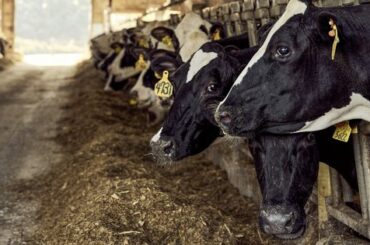
The Brews to Barns Act would give small US breweries 8 cents per pound of spent grain donated to farms, capped at $35,000 a year.
Grupo Modelo hands over the store ready to operate and pays the rent, and the operator puts up an initial investment that starts at 60,000 pesos, according to the company itself, and that goes entirely toward inventory.
The decline is especially marked among young people aged 15 to 24, who have reduced their usual consumption by around 60% over the last two decades. Spain is the fifth country in the European Union with the most abstainers.
Next Glass acquired BeerAdvocate in February 2020 in a deal that brought under one roof the oldest beer review community on the internet and the world’s most popular consumption tracking app.
Over 500,000 people of Palestinian descent live in Chile today, where second, third, and fourth-generation families keep alive the language, traditions, and memory of a territory many have never been able to return to.
The big brewers trade on the NYSE, Euronext and the Tokyo Stock Exchange. A guide to investing in AB InBev, Heineken, Carlsberg, Constellation Brands and Molson Coors from Latin America and Spain.
That relationship was described by the English chemist William Henry, and today it rules everything from the bottle cap to the regulator on a keg. That is why a British ale, a weissbier and a Czech pilsner can feel so different in the glass.
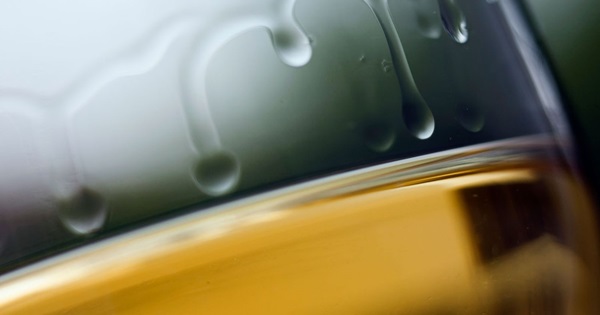
Several mistaken ideas about beer tears are going around, and they come from the world of wine and whisky. That they reveal quality, that glycerol produces them or that they form because alcohol concentrates at the top of the glass.
PFAS, per- and polyfluoroalkyl substances, are a large family of synthetic compounds built on carbon-fluorine bonds, among the most stable in chemistry.
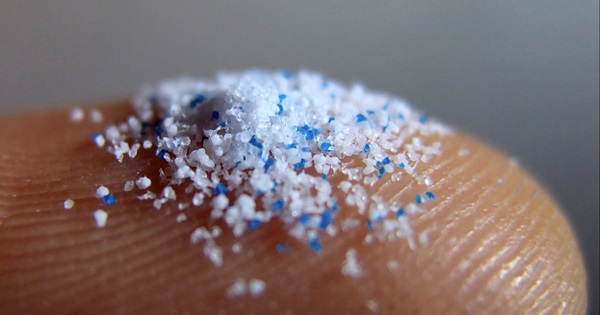
The figures vary widely between countries, from 4 particles per liter in the United States to more than 90 in Spain. Much of that difference lies in how they are measured and understanding that matters as much as the number.
Hops bring their own enzymes that break down dextrins and reactivate the yeast after dry hopping. What hop creep is, how much alcohol and CO₂ it adds and how to stop it.