Identifying the various aromas and flavors present in beer not only enhances the drinking experience but also provides a deeper understanding of the brewing processes and the unique characteristics of each beer style.

Identifying the various aromas and flavors present in beer not only enhances the drinking experience but also provides a deeper understanding of the brewing processes and the unique characteristics of each beer style.
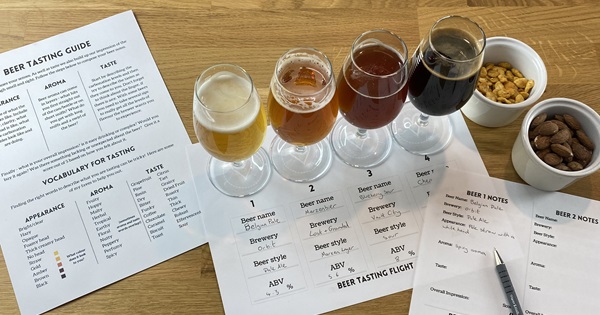
Analyzing a beer requires different perspectives depending on the context and objective. What for a trained judge establishes quantifiable parameters, for a hobbyist consumer can be a memorable sensory experience.

For millennia, human saliva was the most effective enzyme for creating fermentable sugars as an intimate biochemical reaction that defined the history of fermentation long before agriculture.

For early humanity, beer was perhaps the most important staple in their diet—a valuable source of protein and vitamins, and a crucial milestone in ensuring our survival as a species.

Discover the Origin of the Word “Cerveza” and Its Various Variations by Exploring the Main Theories About Its Etymology and Its Relationship with Different Cultures in This Fascinating Linguistic Journey.
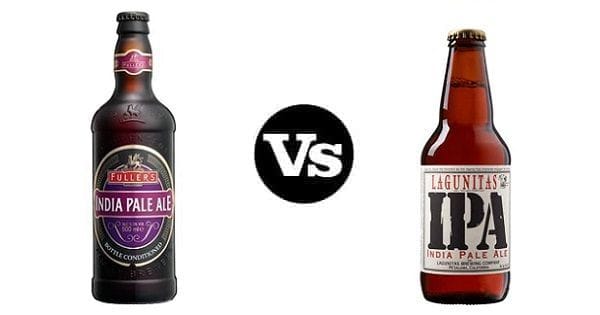
IPA beers (India Pale Ale) are a top-fermented beer style with over 200 years of history, increasingly widespread and appreciated around the world, and from which new variations emerge from time to time.
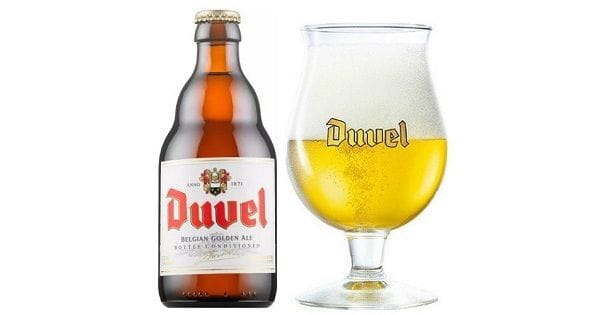
Duvel is an emblematic Belgian beer that, since its creation in the 1920s, has achieved iconic status in the beer world for its complexity and balance.

The Egyptian scribe Amennajet narrates concisely, in an impersonal tone, unprecedented conduct unanimously adopted by the workers of the Pharaoh’s Tomb due to the poor working conditions that existed.
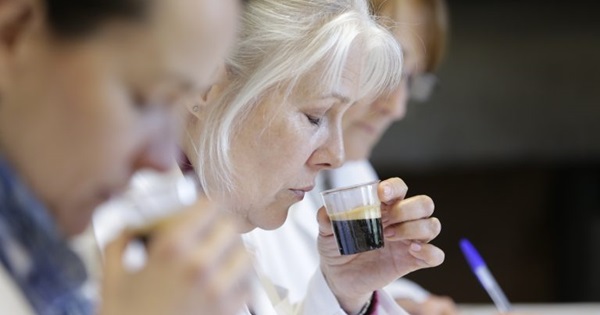
ISO 4120 is the international standard describing the methodology known as the triangle test, designed to determine whether or not a perceptible sensory difference exists between two products or variants of the same product.

The STC-1000 temperature controller lets you manually program a precise temperature range for your fermenter inside a refrigerator, freezer, or appropriately sized cooler.

You do not simply request an "IPA recipe"; instead, you instruct Claude Code to first analyze the ingredient inventory, evaluate the cooling capacity of the equipment, and propose a mashing process that favors the desired final body.

Excessive alcohol consumption is unfortunately a deeply rooted practice in many cultures around the world, making its impact on human health a topic of constant research and concern.
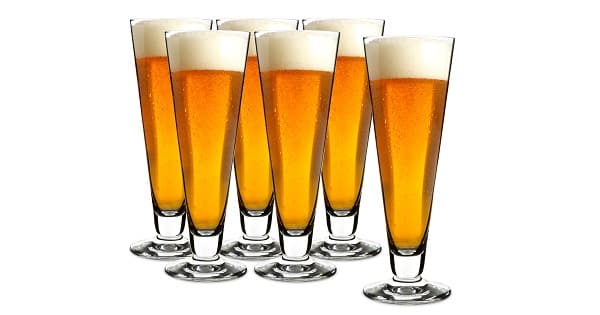
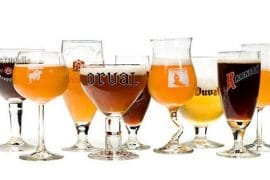
The Pilsner glass is used for many types of clear, bright beers. Its classic trumpet shape is narrow at the base and widens toward the top, maintaining carbonation, showcasing color and enhancing foam retention.
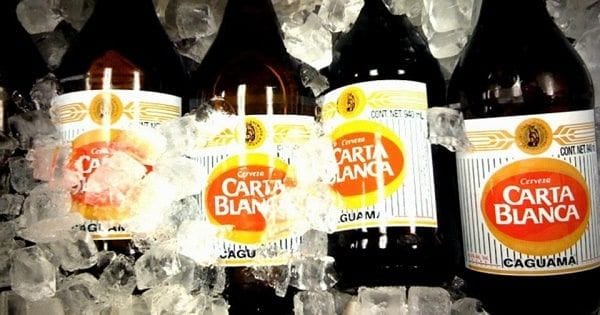
The Mexican caguama, before becoming the emblematic measure for evaluating how much alcohol you should consume, had a much more modest and family-oriented origin.
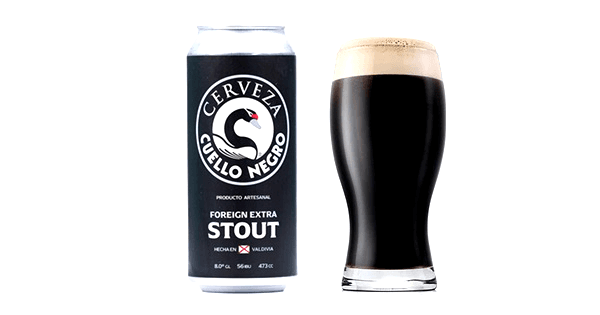
Cuello Negro Stout is a craft beer made with pure water from the Valdivian rainforest in southern Chile, whose flavor comes from a careful brewing process that gives it an unmistakable distinctive character.

The cold chain essentially means that the product being distributed is kept refrigerated at a constant temperature at all times, including during transportation.
The alliance already includes associations from countries such as Germany, France, the United Kingdom, Austria, Italy, the Netherlands, Finland, Poland, Switzerland, and the Czech Republic.

For a long time, a growing waistline has been associated with our passion for trying various beer styles, even though the same is rarely said about wine and spirits.
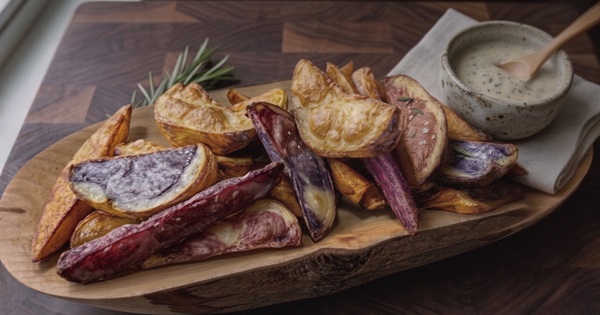
The Belgians point to fishermen from the Meuse River, who fried potato strips when the waters froze in the 17th century. The French point to street vendors at Paris’s Pont Neuf, who popularized them in the late 18th century.
Unlike other Trappist abbeys located in Belgium, the Abbey of Saint Sixtus of Westvleteren (Sint-Sixtusabdij van Westvleteren in Dutch) does not date back to the times of the first congregations of the Cistercian Order.

This phenomenon, known as ‘lightstruck flavor’ or skunky taste, occurs when beer is exposed to visible or ultraviolet light, significantly compromising product quality.

The Eleusinian Mysteries were annual celebrations that took place in the autumn, approximately twenty kilometers west of Athens, at a sanctuary dedicated to the goddesses Demeter and Persephone.

The controversial theory claiming that Christ lived in a beer-centric culture—and that his deeds and miracles involved this beverage rather than wine, as traditionally believed.
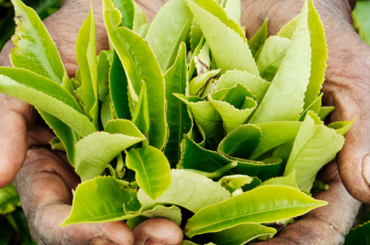
Beer brewing, which has historically used hop flowers to achieve its preservation balance and bitterness, is now undergoing a structural transformation driven by the science of alternative ingredients.

For millennia, human saliva was the most effective enzyme for creating fermentable sugars as an intimate biochemical reaction that defined the history of fermentation long before agriculture.

Achieving a high-quality non-alcoholic beer requires a reengineering of non-fermentable carbohydrates to replicate the tactile resistance that alcohol naturally provides in traditional beers.

Tradition holds that Pythagoras, the celebrated mathematician and philosopher who founded his school in Croton, in southern Italy, grew tired of watching some of his disciples abuse wine during symposia.

The distinctive character of Rauchbier dates back to a time when smoky flavor was not a stylistic choice, but an inevitable consequence of the production method in brewing beer.
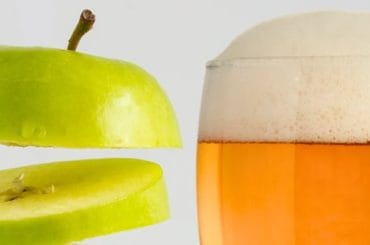
Acetaldehyde is one of the most relevant chemical compounds in beer production, both for its impact on the sensory profile and for its role as an indicator of fermentation quality.

Chicha de jora (from the Quechua “Aqha” or “fermented liquid”) is a South American beverage created during the Inca Empire, widely consumed in Peru, Bolivia, and Ecuador.
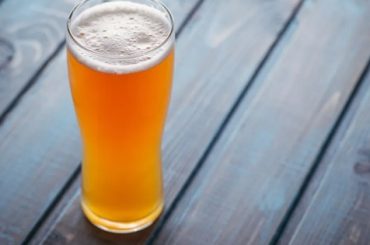
A new Danish study introduces an unexpected factor for inducing controlled turbidity in beer: yeast RNA extracts capable of triggering extreme haze in crystal-clear lagers.
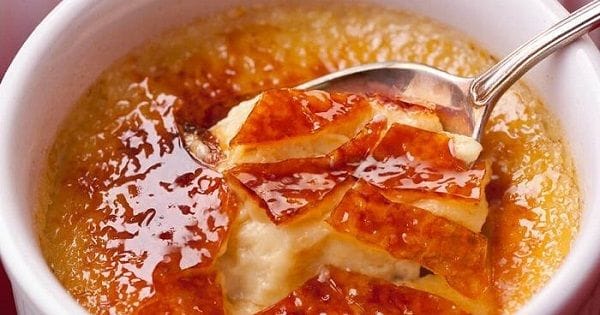
Beer crème brûlée is a French pastry classic reinvented with Belgian Blonde Ale. A rich custard with a perfectly caramelized sugar crust — ready in under an hour.
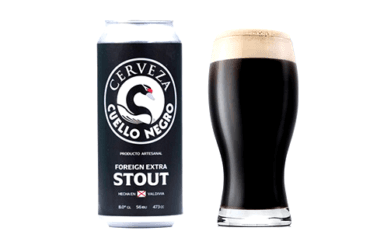
Cuello Negro Stout is a craft beer made with pure water from the Valdivian rainforest in southern Chile, whose flavor comes from a careful brewing process that gives it an unmistakable distinctive character.
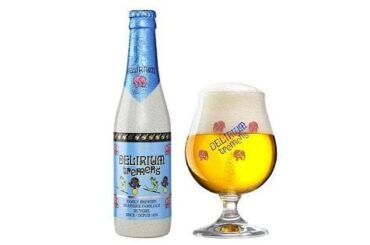
Delirium Tremens is a Golden Belgian Strong Ale style beer originating from Melle, Belgium, brewed by Brouwerij Huyghe, with 8.5% ABV, 200 calories, and 26 IBU.
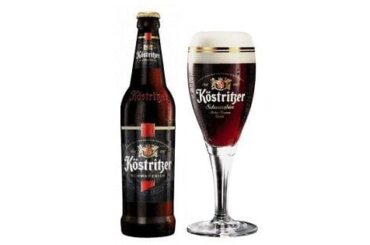
Köstritzer Schwarzbier is a bottom-fermented black lager. It has been produced since 1543 by the Köstritzer Schwarzbierbrauerei brewery, in the German state of Thuringia.
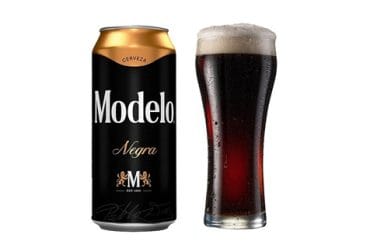
The story of Negra Modelo goes beyond the beer itself; it is a narrative that combines tradition, innovation, and deep cultural roots in Mexico.
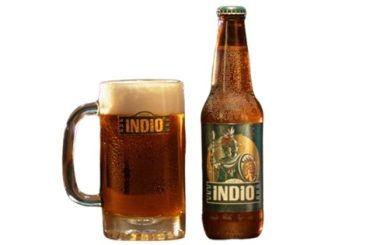
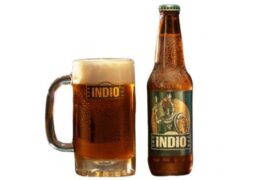
Indio is one of Mexico’s most iconic beers, with a rich history dating back to 1893. It emphasizes the use of local ingredients and traditional brewing techniques.
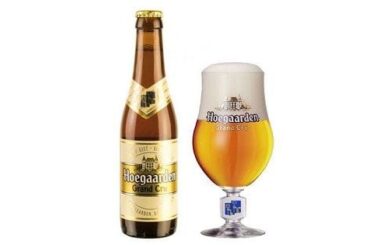
Hoegaarden Grand Cru is a Belgian Strong Ale brewed by Hoegaarden Brewery in Belgium, with 8.5% ABV, 29 IBU and 255 calories, best served in a Tulip or Snifter glass.
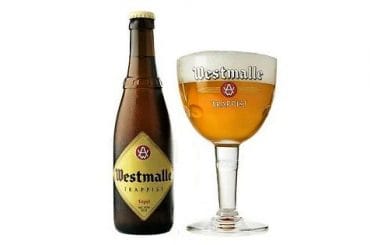
Westmalle Tripel is a Belgian Trappist beer brewed by Brouwerij der Trappisten van Westmalle and first introduced to the market in 1934, being a pioneer of its style and marking a milestone in the country’s brewing tradition.
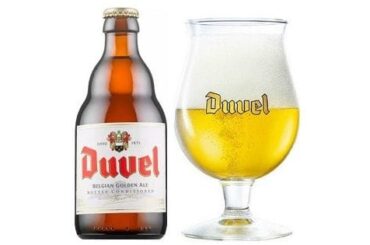
Duvel is an emblematic Belgian beer that, since its creation in the 1920s, has achieved iconic status in the beer world for its complexity and balance.
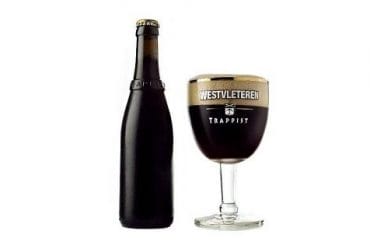
Westvleteren 12 (XII) Abt. is virtually a modern brewing legend, consistently ranked among the world’s best beers for years in publications and industry rankings.

What are the benefits of beer for hair? What is the correct way to use it? How can we use beer to stimulate growth, add volume, manage curly hair, or repair split ends?

Next Glass acquired BeerAdvocate in February 2020 in a deal that brought under one roof the oldest beer review community on the internet and the world’s most popular consumption tracking app.
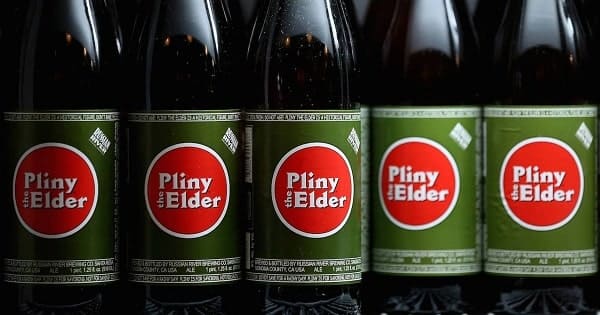
The beer Pliny the Elder takes its name in honor of the Roman traveler, naturalist, historian, and writer Gaius Minor Plinius Caecilius Secundus, who is credited with having given the first botanical name for hops.
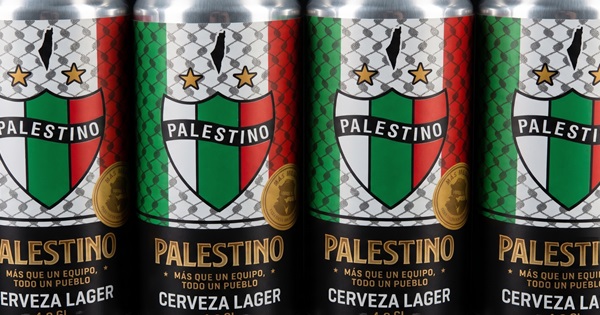
Over 500,000 people of Palestinian descent live in Chile today, where second, third, and fourth-generation families keep alive the language, traditions, and memory of a territory many have never been able to return to.

A Kantar Millward Brown annual study reveals that 5 of the 6 most valuable brands in Latin America are beer brands. Discover which beer leads sales in each country of the region.

We invited Rob Tod, founder of Allagash Brewing Co., to share 20 practical lessons for brewery success learned over 25 years of activity. This was his response.
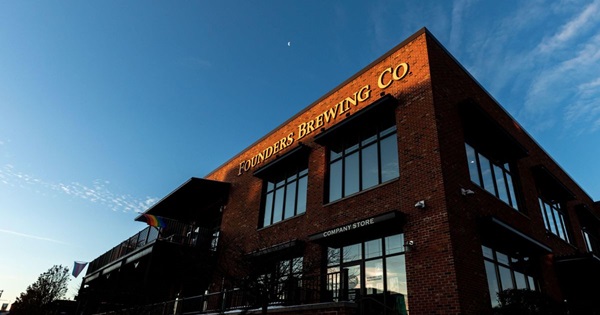
Mahou San Miguel has announced the acquisition of 100% of Founders Brewing, one of the most prestigious craft breweries in the United States, based in Grand Rapids, Michigan.

To start this top 10 of the best-selling beers in the world, we can comment that for 2020, most of them are on the way to generating an impressive sum of 688.4 billion dollars in sales.
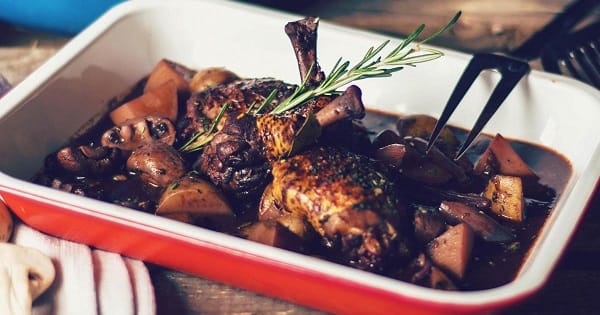
France is famous for its exquisite gastronomy. Although primarily known for wine production, beer has also been a popular beverage in France for centuries.

E-E-A-T — Experience, Expertise, Authoritativeness, and Trustworthiness — is one of the core frameworks Google uses to assess content quality. Learn what it means for SEO and how craft beer sites can build it.

To identify S. chiloensis as a new species, scientists used an integrative taxonomy approach, combining analysis of genomic sequences, reproductive isolation studies, and phenotypic analyses.
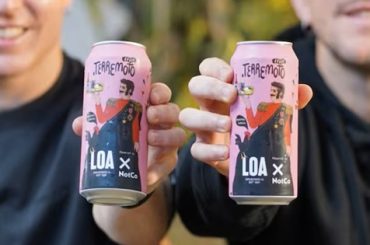
The beverage, named “Ocho punto ocho” (8.8), combines the characteristic flavor of the terremoto with a different nutritional profile, standing out for its lower sugar content and half the calories compared to the homemade version.

The rise of non-alcoholic or low-alcohol beers has led the brewing industry to explore new yeast strains and fermentation techniques.
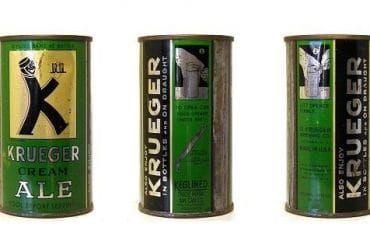
On January 24, 1935, the first canned beer went on sale after decades of experiments and more than ten years of Prohibition, thanks to the Gottfried Krueger Brewing Company in Richmond, Virginia.

This study, published in Foods, represents the first systematic analysis of umami peptides present in lager beer and their multidimensional effects on the sensory properties of the beer body.

The cold chain essentially means that the product being distributed is kept refrigerated at a constant temperature at all times, including during transportation.
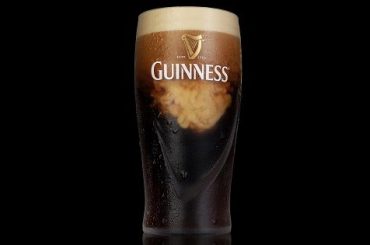
Nitro beer has been dismissed as a passing trend more than once — yet it keeps finding new fans and new formats. From the Guinness widget to nitro Cream Ales and Lagers, here is the science and history behind the nitrogen revolution in beer.

Why is a slice of lemon placed on the neck of clear glass beer bottles and not on others? It is a mystery that has never really been clear until now.

It’s undeniable that TikTok is one of the social networks of the moment, developing exponential growth since 2020 until reaching…

The relationship between the chemical composition of a beer and its consumer appreciation has been an elusive field for food science, due to the non-linear nature of perception and its complex interactions.

The discovery of a 220-year-old beer bottle recovered from the Sydney Cove, sunk in Australian waters near Tasmania, has inspired the creativity of a team of researchers.
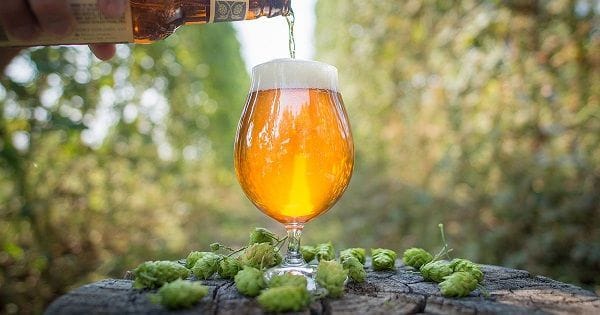
The idea was born with the help of social media in 2011, with Ashley Routson and Ryan Ross as its main promoters, quickly spreading globally as one of the most important beer style celebrations.

The PERP framework offers a structural model for understanding how global warming alters the biological cycles of barley and hops, with concrete responses to maintain quality and economic viability.

Google’s algorithm doesn’t always prioritize specialized beer media, but now it allows you to add The Beer Times as a preferred content source in Google Discover in less than a minute.

Tradition holds that Pythagoras, the celebrated mathematician and philosopher who founded his school in Croton, in southern Italy, grew tired of watching some of his disciples abuse wine during symposia.

In Tusheti, a remote region of the Georgian Caucasus, the sacred drink is not wine but aludi: a beer brewed with sun-malted barley and wild hops whose recipe has been passed down from grandmother to granddaughter for centuries.