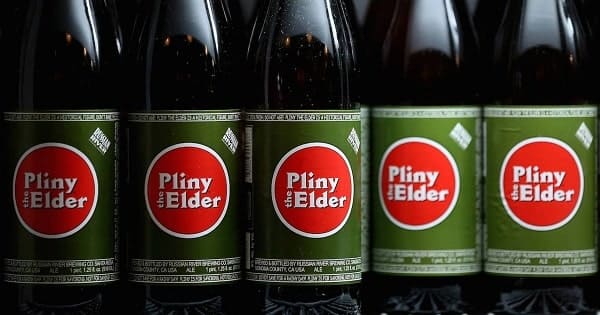
Pliny the Elder was created in 2000 as a special brew for the beer festival organized by Vic Kralj, owner of the Bistro in Hayward, California, in which only 10 breweries took part.
In the late 19th century, Anchor Brewing Company began brewing its famous Steam Beer, using local ingredients and giving up the lager brewing techniques popular at the time.
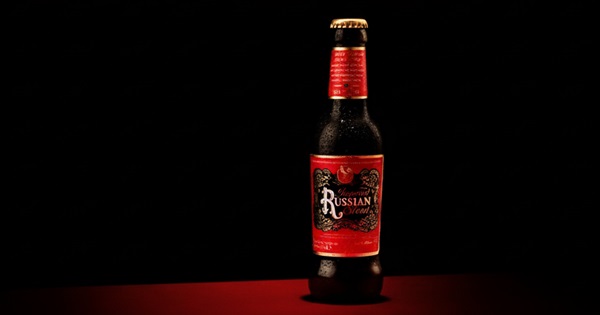
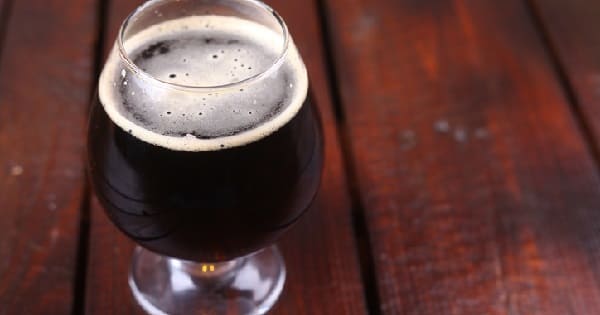
This version, especially the one produced in the 1970s–1990s, became the last direct commercial survivor of the original lineage of 18th-century London Imperial Stouts.
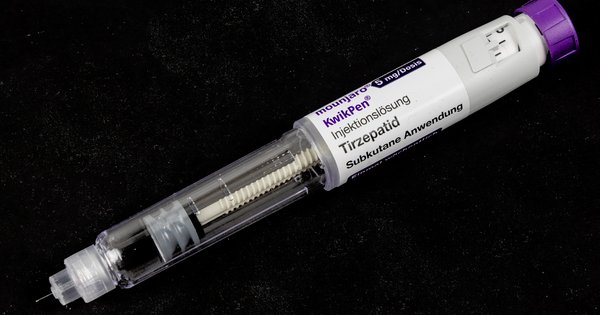
Neither Ozempic nor Mounjaro mentions alcohol in its product information, but Heineken has just warned British pubs and bars that these drugs reduce the desire to drink and that users spend 14% less on beer.
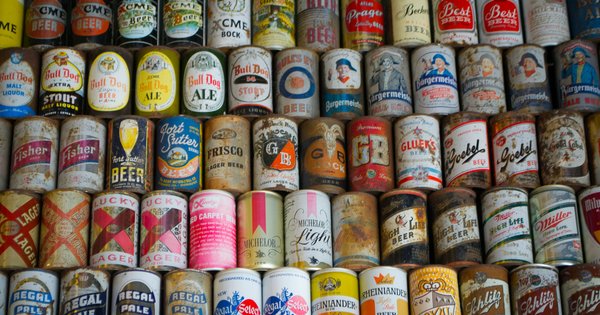
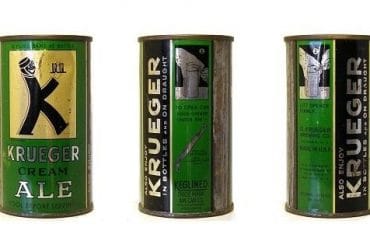
The history of the beer can, from the 1935 steel can to the cone top, aluminum, the pull tab, the Guinness widget and craft beer.
Bottle openers are part of our personal toolkit, on the key chain, in the backpack or packed as a basic utensil when we go camping.
Featured Articles
IPAs so murky they look like radioactive pond water, mocha-choco-vanilla Stouts, DDH fruit smoothies and salty Goses that smell like a gym instructor’s sweat. Is craft beer trying too hard?
While some sectors advocated for a full return to the imperial system, others preferred to maintain the metric system officially adopted in 1965.
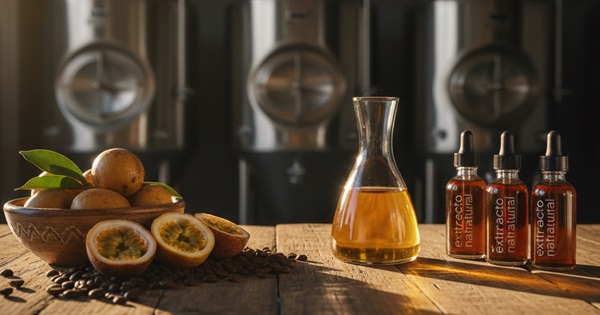
In the beer world, every so often a discussion tends to arise about whether using extracts or essences betrays the craft spirit. The question seems simple, but the answer has quite a few nuances worth analyzing.
On April 23, 1516, Duke Wilhelm IV of Bavaria issued a decree regulating the price of beer, the times of production, and the ingredients permitted in its manufacture.
Beer is the third most consumed beverage in the world and the most consumed alcoholic drink, yet there are still plenty of beer myths that need clearing up.
Sendechó is a Mexican fermented beverage of pre-Hispanic origin that seeks to be revitalized as an innovative and artisanal alternative within the modern world of low-alcohol beverages with functional properties.
No amount of alcohol is known to be safe in pregnancy, whether wine or beer. What to do if you drank before knowing, and what a 0.0 beer really contains.
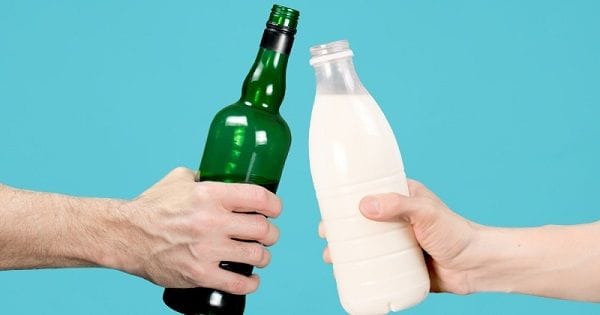
Citing a Harvard School of Public Health study, PETA claims that beer can strengthen bones and help us live longer, while milk causes obesity, diabetes, and cancer.
Law No. 21.363, published on August 6, 2021, introduced significant changes to Chile’s regulations on the commercialization, labeling and advertising of alcoholic beverages.
Non-conventional yeasts that inhabit fruit skins, wooden barrels, and the air of cellars are ceasing to be a curiosity to become the most powerful tool for beer innovation in the 21st century.
The term “hop burps” is commonly used to describe a peculiar phenomenon of rapid and frequent burps experienced after consuming beers with a high hop content.
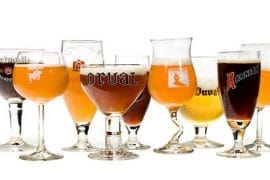
The origins of the snifter glass date back to 18th-century France, gradually refined by European glassmakers to capture and concentrate the complex aromas developed during prolonged barrel aging.
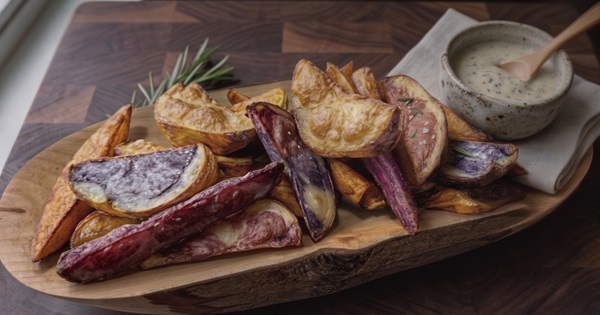
The Belgians point to fishermen from the Meuse River, who fried potato strips when the waters froze in the 17th century. The French point to street vendors at Paris’s Pont Neuf, who popularized them in the late 18th century.
The popular myth is simple and says that the more papillae you have on your tongue, the greater your ability to taste flavors and, as a result, the more bitter beer tastes. The most recent published studies show that reality is quite a bit more complex.
Beer brewing, which has historically used hop flowers to achieve its preservation balance and bitterness, is now undergoing a structural transformation driven by the science of alternative ingredients.
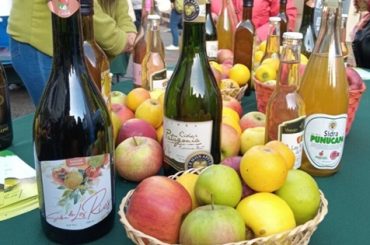
Cider is a fermented beverage made from apples, with a long and rich history intertwined with the introduction of apple trees (Malus domestica) to the Americas by the Spanish.
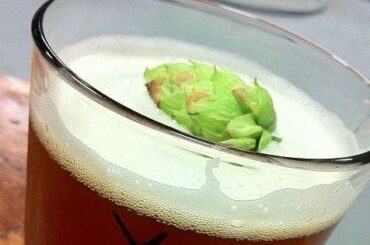
Dry hopping, also known as dry hop, is a technique used in beer brewing that aims to increase the aromas of a beer, which consists of adding dried hops to the finished beer after fermentation.
Valdivia’s brewing tradition began at the Anwandter Brewery, founded in 1851 by Karl August Wilhelm Paschen Anwandter Fick, a German settler who came in 1850.
Learn how to taste cider like an expert, from color and aroma to sweetness, tannin and faults, with BJCP scoring and the Asturian escanciado.
The most studied kokumi substances, γ-glutamyl peptides, activate the calcium-sensing receptor (CaSR), a close relative of the T1R1, T1R2, and T1R3 receptors, which detect sweet and umami tastes.
Explore the physical and biochemical effects of sound frequencies on beer production, their impact on yeast activity, the formation of aromatic compounds, and the stability of the final product.
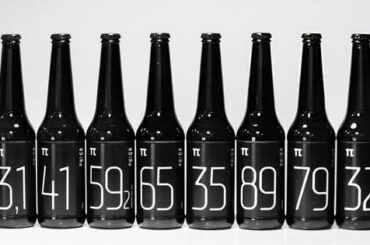
However, as we delve into the engineering and science behind beer production, we discover a fascinating relationship between π and beer, especially relevant today, March 14, when we celebrate Pi Day.
Acetaldehyde is one of the most relevant chemical compounds in beer production, both for its impact on the sensory profile and for its role as an indicator of fermentation quality.
First Wort Hopping (FWH) means adding a large volume of late-addition hops to the kettle as the wort is transferred from the mash tun.
On December 11, 2014, the liso was officially declared Intangible Cultural Heritage of the city of Santa Fe by the Honorable Municipal Council of this emblematic Argentine city.
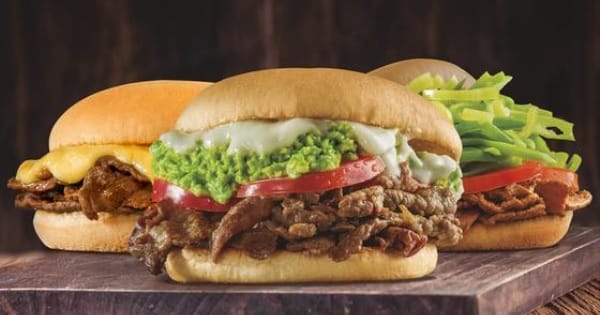
This sandwich, which blends culinary tradition and natural products with irresistible flavors, pays homage to the thin cut of beef called churrasco in its many variations.
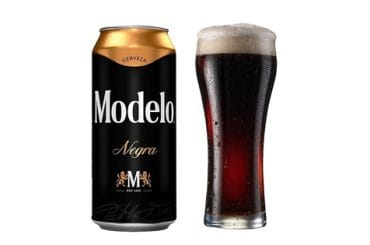
The story of Negra Modelo goes beyond the beer itself; it is a narrative that combines tradition, innovation, and deep cultural roots in Mexico.
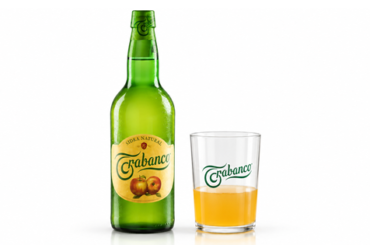
Trabanco Tradicional is the yellow-label natural cider of a Gijón house making cider since 1925, fermented with natural yeasts mostly in chestnut casks.
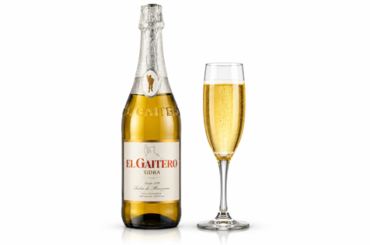
El Gaitero Clásica is the sparkling cider of the Asturian house founded in 1890 in Villaviciosa, extra semi-dry, 4.1%, with ample bubbles and firm acidity.
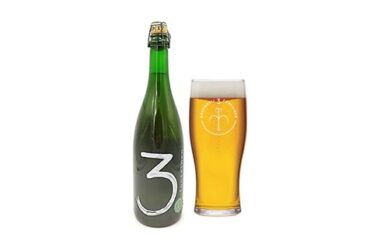
3 Fonteinen Oude Geuze is a blend of one, two and three year old spontaneously fermented lambics, barrel-aged and bottle-refermented, with lively acidity and an earthy profile typical of the style.
Sierra Nevada launched this Pale Ale in 1980 and brought Cascade hops to the center of the recipe, marking the starting point of the citrus profile that would later define hundreds of American IPAs.
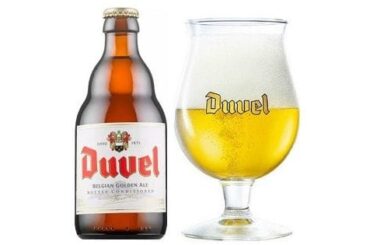
Duvel is an emblematic Belgian beer that, since its creation in the 1920s, has achieved iconic status in the beer world for its complexity and balance.
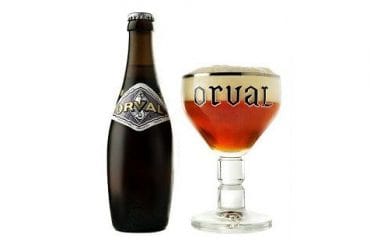
Unlike all other Trappist breweries, Orval produces only one variety of beer for the general public, with just 15% of its total production available for export.
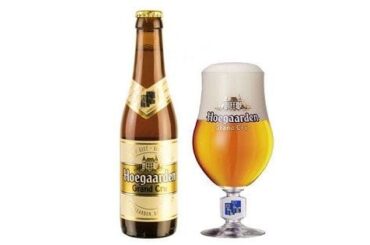
Hoegaarden Grand Cru is a Belgian Strong Ale brewed by Hoegaarden in Belgium, with 8.5% ABV, 29 IBU and 255 calories, best served in a Tulip or Snifter glass.
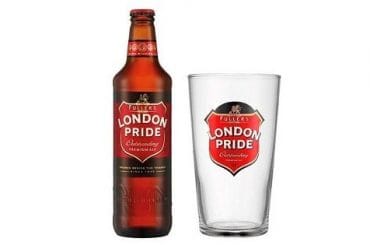
Fuller’s London Pride is one of England’s most iconic beers and a true emblem of the Best Bitter style, appreciated by generations of beer lovers around the world.
Petrus Aged Red is brewed from a Double Brown Ale base blended with 15% Petrus Aged Pale, which gives the beer a dry character and a light bitter edge.
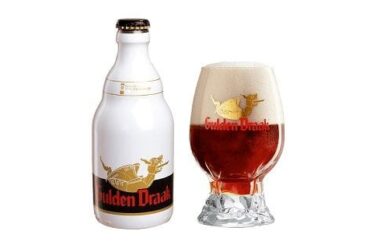
Gulden Draak is a Belgian strong ale-style beer originating from Ertvelde, Belgium, and brewed by Brouwerij Van Steenberge, with 10.5% ABV, 18 IBU, and 255 total calories.
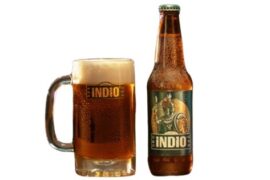
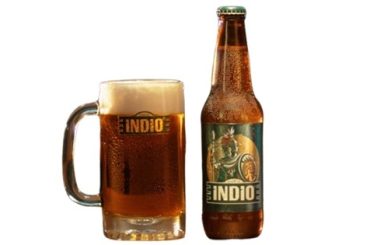
Indio is one of Mexico’s most iconic beers, with a rich history dating back to 1893. It emphasizes the use of local ingredients and traditional brewing techniques.
What the 2023 and 2024 medical guidelines say about beer and fatty liver, what MetALD means and how many beers a day exceed the risk thresholds.
Of the 10 most expensive beers in the world, some hit astronomical prices on release, while others are still brewed in exclusive batches.
To start this top 10 of the best-selling beers in the world, we can comment that for 2020, most of them are on the way to generating an impressive sum of 688.4 billion dollars in sales.
Grupo Modelo hands over the store ready to operate and pays the rent, and the operator puts up an initial investment that starts at 60,000 pesos, according to the company itself, and that goes entirely toward inventory.
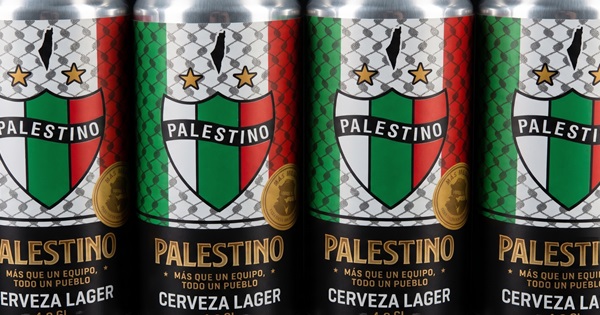
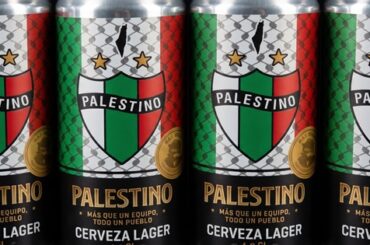
Over 500,000 people of Palestinian descent live in Chile today, where second, third, and fourth-generation families keep alive the language, traditions, and memory of a territory many have never been able to return to.
Climate change is not only transforming ecosystems and altering weather patterns but is also putting at risk one of humanity’s most iconic cultural products: beer.
Next Glass acquired BeerAdvocate in February 2020 in a deal that brought under one roof the oldest beer review community on the internet and the world’s most popular consumption tracking app.
We invited Rob Tod, founder of Allagash Brewing Co., to share 20 practical lessons for brewery success learned over 25 years of activity. This was his response.
The big brewers trade on the NYSE, Euronext and the Tokyo Stock Exchange. A guide to investing in AB InBev, Heineken, Carlsberg, Constellation Brands and Molson Coors from Latin America and Spain.
Beer runs deep in German culture, and this April 23 most of the country celebrates Beer Day, a year after the purity law turned 500.
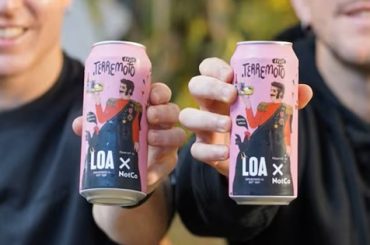
The beverage, named “Ocho punto ocho” (8.8), combines the characteristic flavor of the terremoto with a different nutritional profile, standing out for its lower sugar content and half the calories compared to the homemade version.
Pressurization with liquid nitrogen enables lighter, thinner PET bottles without compromising structural integrity — reducing plastic use and distribution costs.
Untappd, the most widely used beer check-in and rating app in the world, released version 5.0 on October 15, 2026, and with it adds wine, liquor and spirits to its catalog.
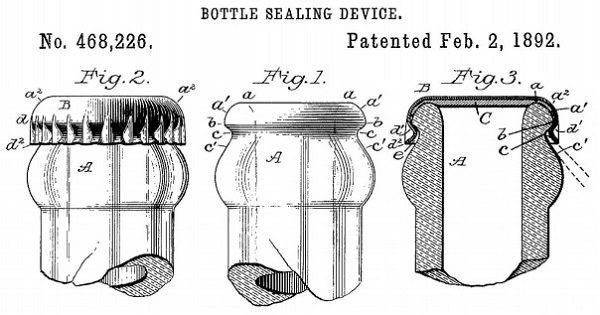
Bottle openers are part of our personal toolkit, on the key chain, in the backpack or packed as a basic utensil when we go camping.
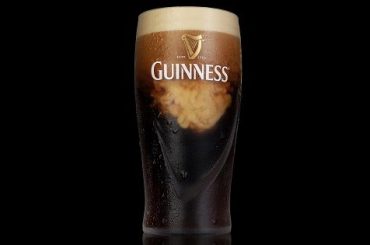
Nitro beer has been dismissed as a passing trend more than once — yet it keeps finding new fans and new formats. From the Guinness widget to nitro Cream Ales and Lagers, here is the science and history behind the nitrogen revolution in beer.
The relationship between the chemical composition of a beer and its consumer appreciation has been an elusive field for food science, due to the non-linear nature of perception and its complex interactions.
On January 24, 1935, the first canned beer went on sale after decades of experiments and more than ten years of Prohibition, thanks to the Gottfried Krueger Brewing Company in Richmond, Virginia.
Traditional SEO is shifting ground. It’s no longer enough to optimize to appear on Google’s first page; the battle is now fought in the responses of large language models (LLMs).
Our phone is the first thing we check in the morning and the last thing we see before going to sleep. It’s your biggest opportunity to communicate with your customers and make an impression.
The cold chain essentially means that the product being distributed is kept refrigerated at a constant temperature at all times, including during transportation.
When beer is introduced into a rotor spinning at high revolutions, a centrifugal force is generated that can reach between 5,000 and 10,000 times the Earth’s gravity. This acceleration reduces sedimentation time to fractions of a second.
Craft and independent brewers dedicate a great deal of time, effort, and resources to making the best beer possible, but all of this hard work can be ruined in the time it takes the beer to travel from the keg to the pint.
Despite their popularity among brewers, these events are not always perceived by the market as a showcase of innovation and quality, but rather as a mirror that mainly reflects the industry’s limitations.
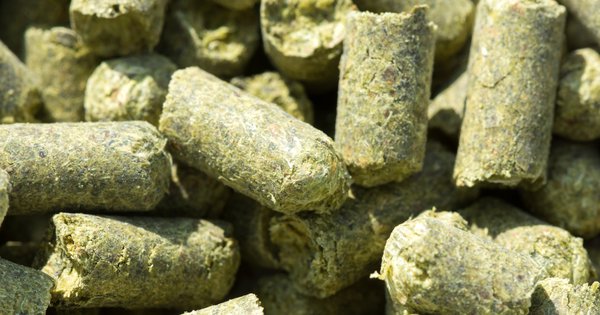
The Brews to Barns Act would give small US breweries 8 cents per pound of spent grain donated to farms, capped at $35,000 a year.
Grupo Modelo hands over the store ready to operate and pays the rent, and the operator puts up an initial investment that starts at 60,000 pesos, according to the company itself, and that goes entirely toward inventory.
The decline is especially marked among young people aged 15 to 24, who have reduced their usual consumption by around 60% over the last two decades. Spain is the fifth country in the European Union with the most abstainers.
Next Glass acquired BeerAdvocate in February 2020 in a deal that brought under one roof the oldest beer review community on the internet and the world’s most popular consumption tracking app.
Over 500,000 people of Palestinian descent live in Chile today, where second, third, and fourth-generation families keep alive the language, traditions, and memory of a territory many have never been able to return to.
The big brewers trade on the NYSE, Euronext and the Tokyo Stock Exchange. A guide to investing in AB InBev, Heineken, Carlsberg, Constellation Brands and Molson Coors from Latin America and Spain.
That relationship was described by the English chemist William Henry, and today it rules everything from the bottle cap to the regulator on a keg. That is why a British ale, a weissbier and a Czech pilsner can feel so different in the glass.
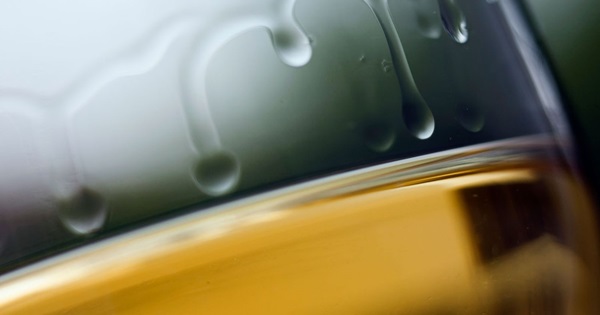
Several mistaken ideas about beer tears are going around, and they come from the world of wine and whisky. That they reveal quality, that glycerol produces them or that they form because alcohol concentrates at the top of the glass.
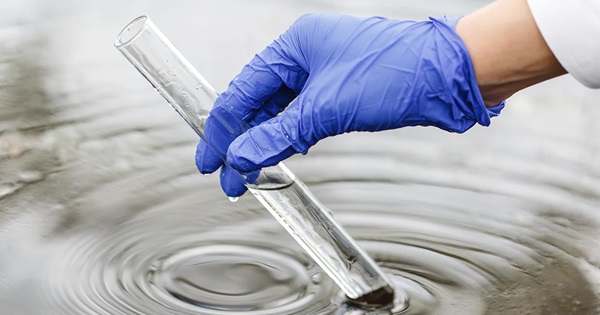
PFAS, per- and polyfluoroalkyl substances, are a large family of synthetic compounds built on carbon-fluorine bonds, among the most stable in chemistry.
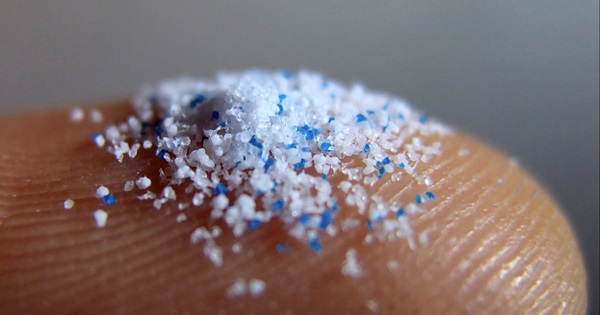
The figures vary widely between countries, from 4 particles per liter in the United States to more than 90 in Spain. Much of that difference lies in how they are measured and understanding that matters as much as the number.
Hops bring their own enzymes that break down dextrins and reactivate the yeast after dry hopping. What hop creep is, how much alcohol and CO₂ it adds and how to stop it.