International Stout Day is celebrated on the first Thursday of November. Who created it, the real history of Stout and how to join in with #StoutDay.

International Stout Day is celebrated on the first Thursday of November. Who created it, the real history of Stout and how to join in with #StoutDay.

Cheese fondue is one of the emblematic dishes of Swiss cuisine, originating in Romandy, also known as French-speaking Switzerland. Here it is made with stout.
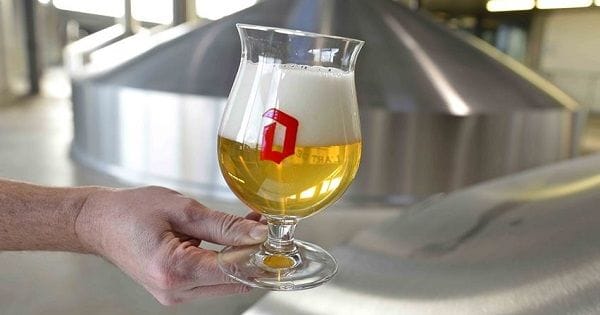
The tulip glass is very similar to the snifter, but larger, with a longer stem and a curve that flares at the top, ideal for full-bodied, aromatic and complex beers.

Beer waffles recipe with ingredients, step-by-step instructions and tips for making them airy inside and crispy outside.

The combination of dark beer, in this case a Porter, with spices, sugar and agar-agar makes this jam ideal for spreading on bread and serving with cheese and meat.

Spent grain bread is a delicious, sustainable and nutritious option made from a byproduct of the brewing process, the mashed malt grains.
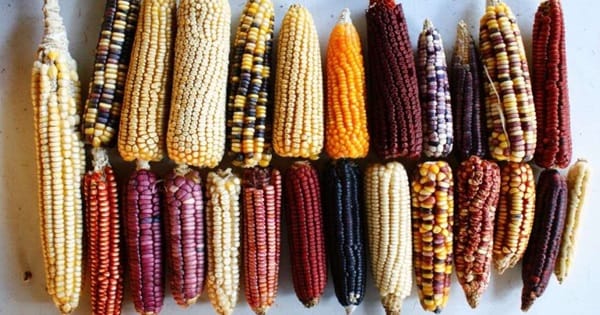
Sendechó is a Mexican fermented beverage of pre-Hispanic origin that seeks to be revitalized as an innovative and artisanal alternative within the modern world of low-alcohol beverages with functional properties.
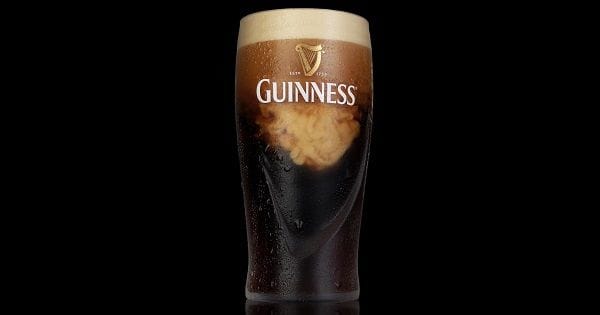
Nitro beer has been dismissed as a passing trend more than once — yet it keeps finding new fans and new formats. From the Guinness widget to nitro Cream Ales and Lagers, here is the science and history behind the nitrogen revolution in beer.
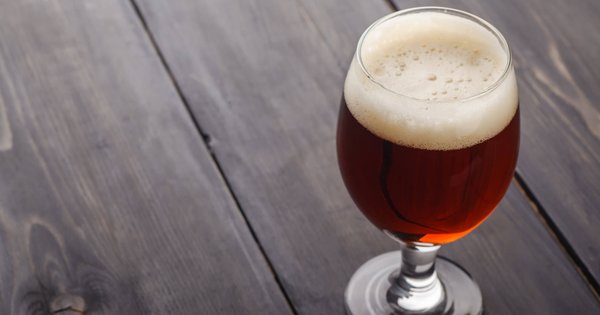
With its registration as a protected geographical indication (PGI), the European Union protects a brewing method documented in West Flanders since 1851 and kept alive today by very few breweries.
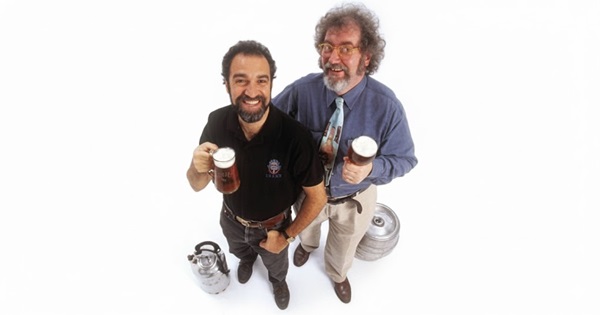
With issue No. 100 of All About Beer magazine, Daniel Bradford had the opportunity to explore the world of fine beers with two of the most influential individuals in the modern history of beer.
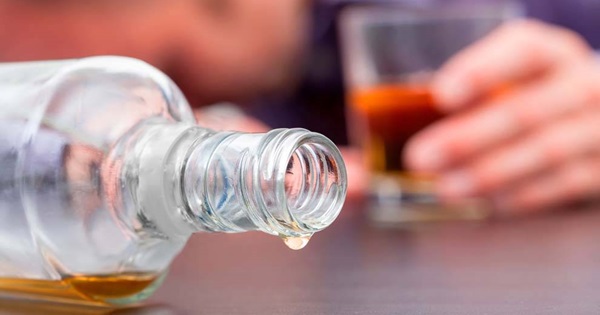
Alcoholism is not just a problem of willpower or habit; it is a condition deeply rooted in neurobiology, personal history and unresolved emotional suffering.

The ACI made the appointment public in Santiago on October 23, 2026. The association brings together 113 independent breweries from every region of the country and represents Chile’s micro and small breweries.
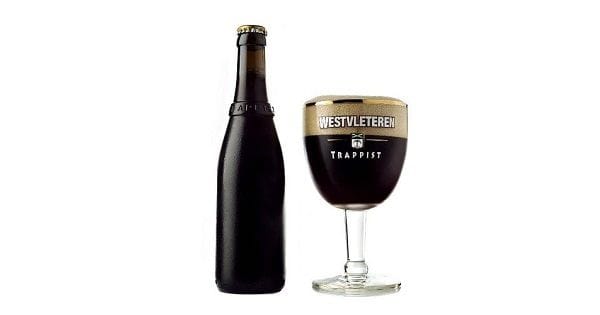
Westvleteren 12 (XII) Abt. is virtually a modern brewing legend, consistently ranked among the world’s best beers for years in publications and industry rankings.
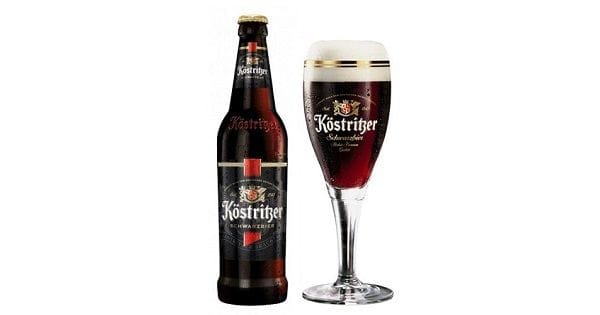
Köstritzer Schwarzbier is a bottom-fermented black lager. It has been produced since 1543 by the Köstritzer Schwarzbierbrauerei brewery, in the German state of Thuringia.
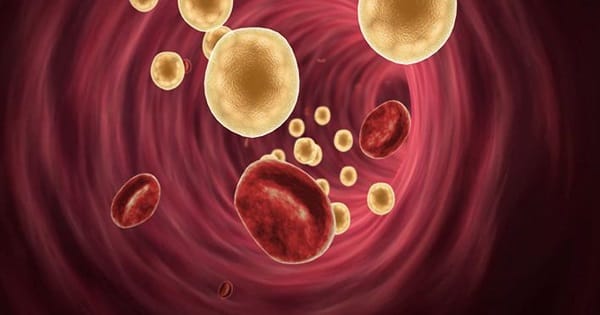
Did you know that beer can affect your good and bad cholesterol levels? Discover its impact on your cardiovascular health and what science says about it.
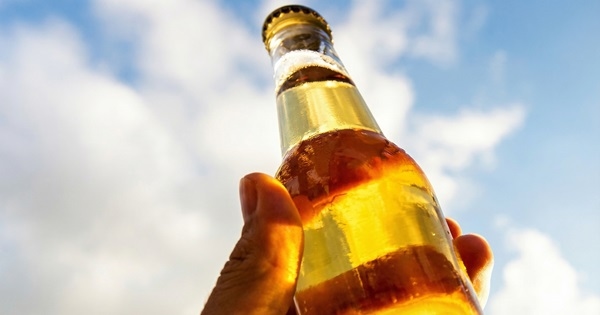
This phenomenon, known as ‘lightstruck flavor’ or skunky taste, occurs when beer is exposed to visible or ultraviolet light, significantly compromising product quality.

In German, the word for boot is Stiefel, hence Bierstiefel. The word Boot means boat, so the popular “Das Boot” is actually an American invention that, in Germany, sounds like the 1981 submarine film.

Stout is a beer style with almost 300 years of history, a direct descendant of Porter, from which it evolved into a style of its own with many variations.
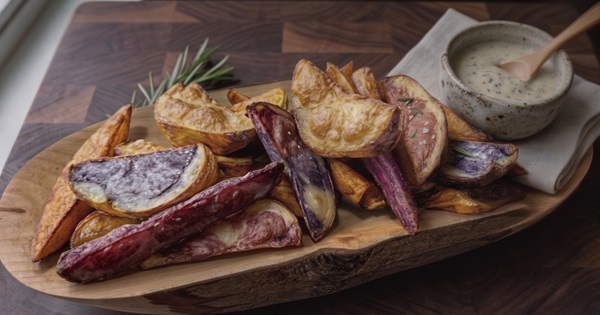
The Belgians point to fishermen from the Meuse River, who fried potato strips when the waters froze in the 17th century. The French point to street vendors at Paris’s Pont Neuf, who popularized them in the late 18th century.
Everyone seems to understand it, but no one defines it the same way, although brewing research has been trying to pin it down since 2005 with the first review of the concept published in the journal of the Master Brewers Association of the Americas.
Law No. 21.363, published on August 6, 2021, introduced significant changes to Chile’s regulations on the commercialization, labeling and advertising of alcoholic beverages.
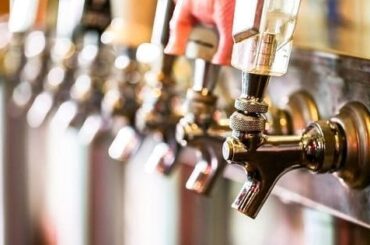
Craft and independent brewers dedicate a great deal of time, effort, and resources to making the best beer possible, but all of this hard work can be ruined in the time it takes the beer to travel from the keg to the pint.
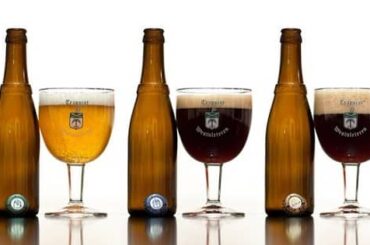
Unlike other Trappist abbeys located in Belgium, the Abbey of Saint Sixtus of Westvleteren (Sint-Sixtusabdij van Westvleteren in Dutch) does not date back to the times of the first congregations of the Cistercian Order.

The popular myth is simple and says that the more papillae you have on your tongue, the greater your ability to taste flavors and, as a result, the more bitter beer tastes. The most recent published studies show that reality is quite a bit more complex.

Developed in 2013 through a collaboration between the German glassware company Spiegelau and two of the leading companies of the Craft Beer movement in the United States, with Sam Calagione from Dogfish and Ken Grossman from Sierra Nevada.
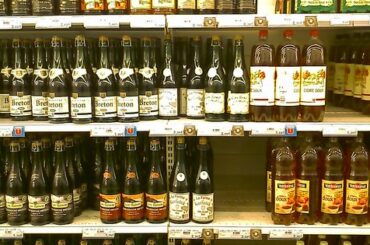
From Asturian natural cider to Quebec ice cider, discover the main types of cider, the laws that define them and how they compare in the glass.
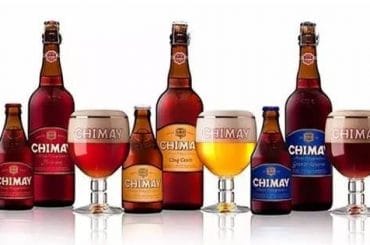
Although the origin of these names cannot be stated with absolute certainty, one of the most common explanations relates to how alcoholic beverages were historically identified.
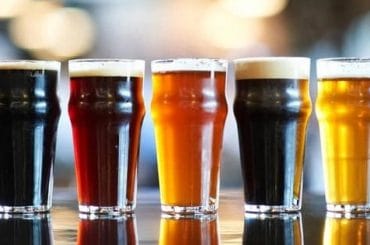
The coloring and browning of food is a topic highly valued within the community of chemists who study this scientific field, since the pigmentations and the reactions that form them tend to be very complex.
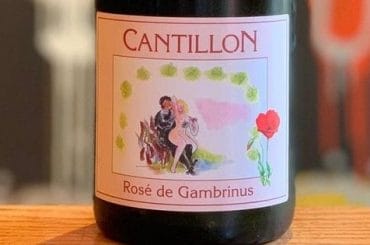
Cantillon Rosé de Gambrinus is a traditional raspberry lambic (framboise) brewed annually in Brussels since 1909, although the current name was only first used in 1986.
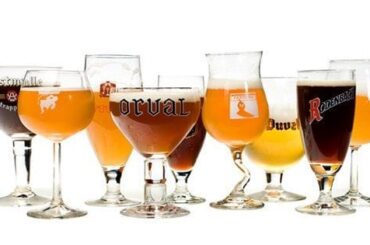
Choosing the best Belgian beers in what is a true paradise for beer lovers is no easy task. Declared an Intangible Cultural Heritage of Humanity, the beers produced by this small country are of unquestionably recognized quality.
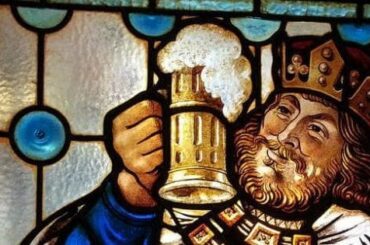
Two men have mainly been proposed as the primary inspirations for the appearance of Gambrinus: Jan Primus (John I), Duke of Brabant, and Jean Sans Peur (John the Fearless), Duke of Burgundy.
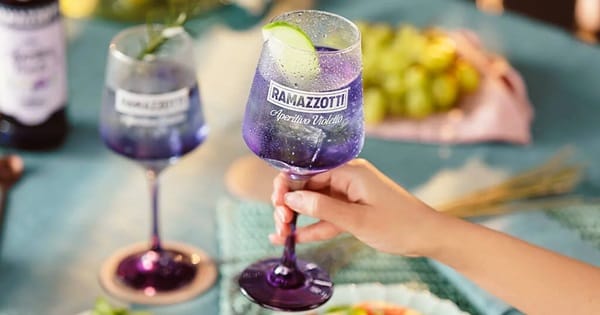
Ramazzotti Violetto is an Italian lavender and elderflower aperitif created for Chile. Step-by-step recipes for the Violetto Tonic and Violetto Spritz.
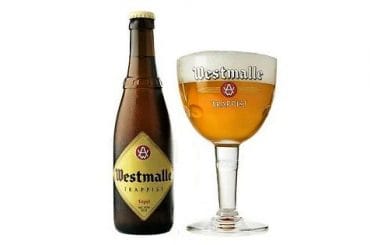
Westmalle Tripel is a Belgian Trappist beer brewed by Brouwerij der Trappisten van Westmalle and first introduced to the market in 1934, being a pioneer of its style and marking a milestone in the country’s brewing tradition.
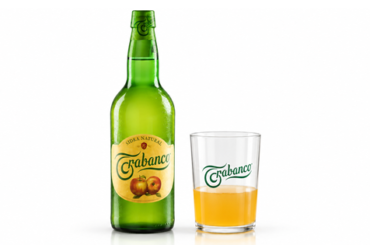
Trabanco Tradicional is the yellow-label natural cider of a Gijón house making cider since 1925, fermented with natural yeasts mostly in chestnut casks.
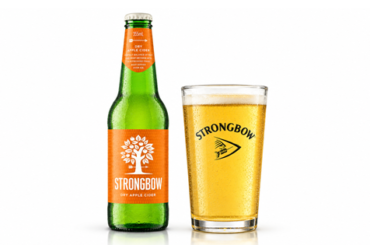
The Original Dry is the 5.3% version the brand bills as export strength for the US and Canada, and it is also sold in the UK in cans and bottles.
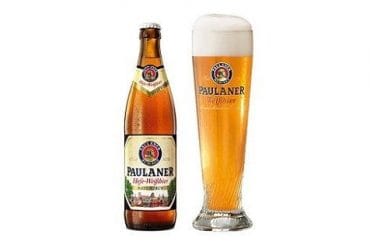
Paulaner Hefe-Weissbier, a German wheat beer with notes of banana, clove, and citrus, is perfect for pairing with Bavarian dishes, fresh cheeses, roasted vegetables, and citrus desserts. Its unique flavor and versatility make it ideal for any occasion.
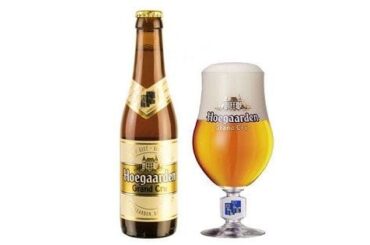
Hoegaarden Grand Cru is a Belgian Strong Ale brewed by Hoegaarden in Belgium, with 8.5% ABV, 29 IBU and 255 calories, best served in a Tulip or Snifter glass.
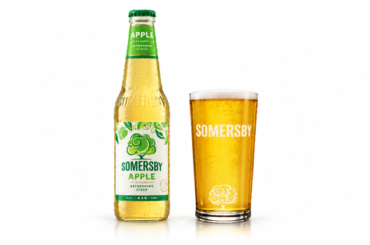
In 2012 it grew fastest among the world’s top ten cider brands, per Carlsberg, and it now sells in over 40 countries in versions tailored to each market.
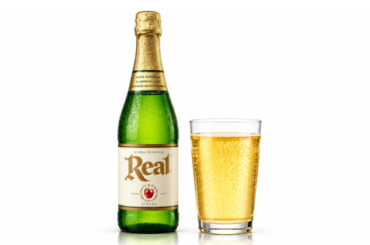
Sidra Real Etiqueta Blanca is the everyday cider of CCU Argentina’s longest-running brand, made in the Alto Valle de Río Negro from red and green apples.
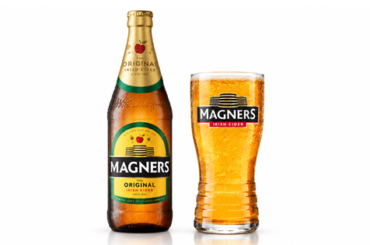
Made in Clonmel since 1935 with 17 apple varieties, Magners Original is the 4.5% semi-sweet Irish cider the brand suggests serving in a pint over ice.
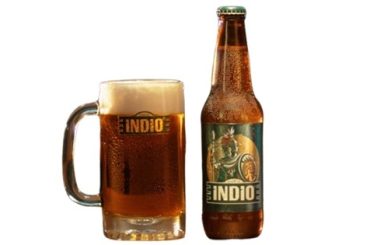
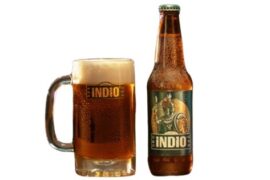
Indio is one of Mexico’s most iconic beers, with a rich history dating back to 1893. It emphasizes the use of local ingredients and traditional brewing techniques.
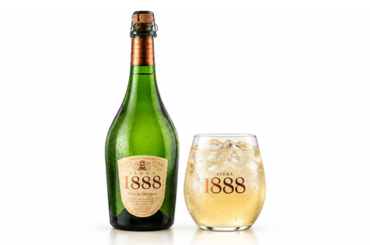
Sidra 1888 is the 5% cider Sáenz Briones makes from red apples in Argentina’s Alto Valle de Río Negro, at a company owned by CCU since 2010.
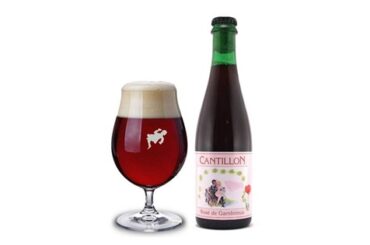
Cantillon ferments this beer spontaneously with wild yeasts from the Senne valley and adds fresh raspberries, giving rise to one of the most renowned fruit lambics in Brussels.
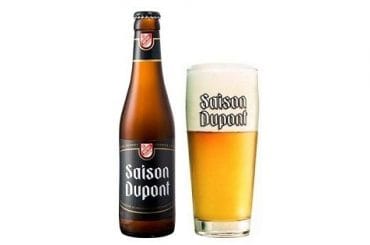
Saison Dupont is a Belgian top-fermented beer, bottle-conditioned, brewed since 1844 during the winter to quench the thirst of the “saisoniers” who would work in the fields during the summer.
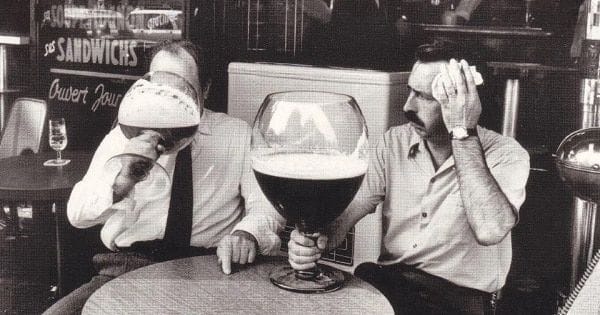
A person’s reaction to alcohol can vary significantly from one individual to another, and some people seem to get intoxicated faster than others.





To start this top 10 of the best-selling beers in the world, we can comment that for 2020, most of them are on the way to generating an impressive sum of 688.4 billion dollars in sales.
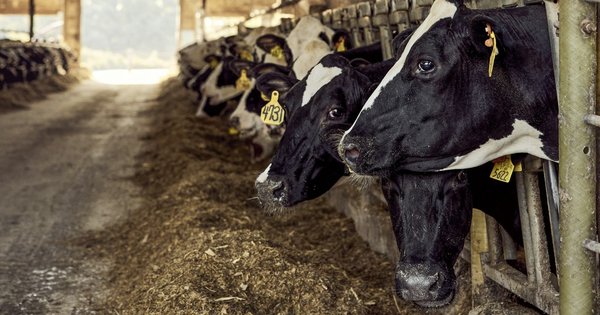
The Brews to Barns Act would give small US breweries 8 cents per pound of spent grain donated to farms, capped at $35,000 a year.

The best-selling beer in each Latin American country with 2024 to 2026 data, from Brazil and Mexico to Costa Rica, and the brewing groups that control the market.

Climate change is not only transforming ecosystems and altering weather patterns but is also putting at risk one of humanity’s most iconic cultural products: beer.
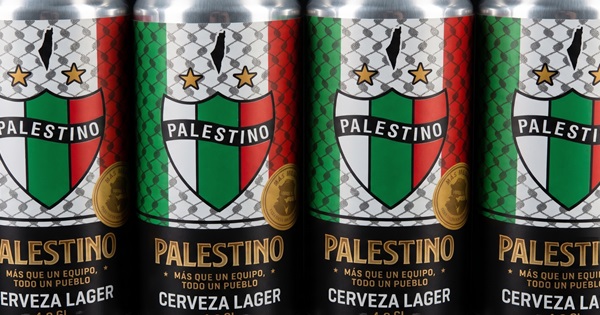
Over 500,000 people of Palestinian descent live in Chile today, where second, third, and fourth-generation families keep alive the language, traditions, and memory of a territory many have never been able to return to.

Of the 10 most expensive beers in the world, some hit astronomical prices on release, while others are still brewed in exclusive batches.
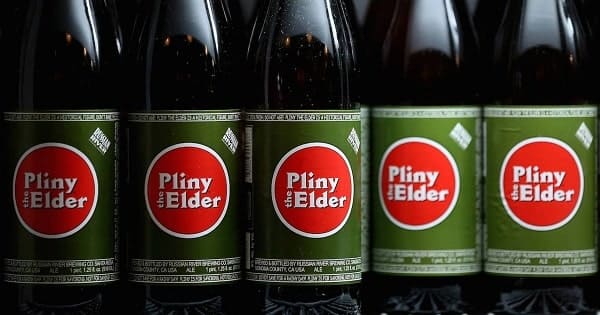
The beer Pliny the Elder takes its name in honor of the Roman traveler, naturalist, historian, and writer Gaius Minor Plinius Caecilius Secundus, who is credited with having given the first botanical name for hops.

Next Glass acquired BeerAdvocate in February 2020 in a deal that brought under one roof the oldest beer review community on the internet and the world’s most popular consumption tracking app.
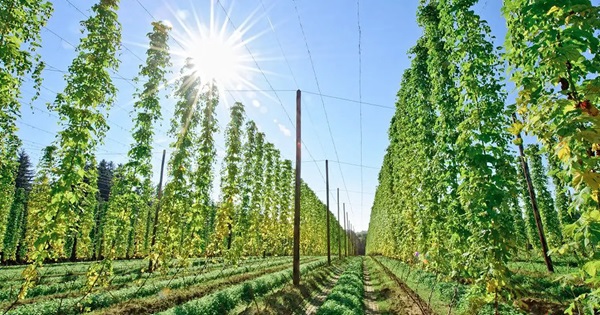
Cerveceros de España has officially coined the term zitoturismo to bring together the guided tastings, brewery visits and walks through barley and hop fields that millions of people already enjoy in Spain.
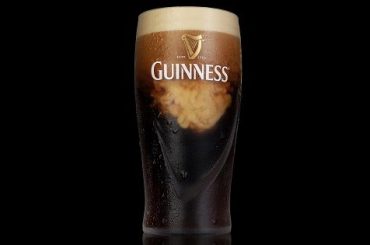
Nitro beer has been dismissed as a passing trend more than once — yet it keeps finding new fans and new formats. From the Guinness widget to nitro Cream Ales and Lagers, here is the science and history behind the nitrogen revolution in beer.

The rise of non-alcoholic or low-alcohol beers has led the brewing industry to explore new yeast strains and fermentation techniques.

Brewing beer with less than 0.5% alcohol involves stopping fermentation early or removing ethanol afterward, and in both cases more residual fermentable sugar remains in the liquid than in a conventional beer.
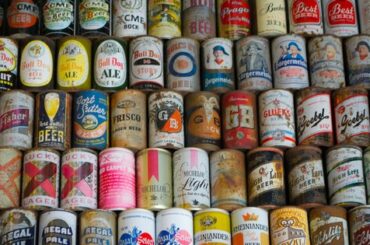
The history of the beer can, from the 1935 steel can to the cone top, aluminum, the pull tab, the Guinness widget and craft beer.
If you have ever visited Ireland, you have surely tasted a Kilkenny, Murphy’s or Guinness beer in one of its many pubs with a spirit that exudes authenticity from every corner.
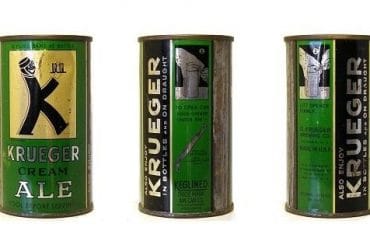
On January 24, 1935, the first canned beer went on sale after decades of experiments and more than ten years of Prohibition, thanks to the Gottfried Krueger Brewing Company in Richmond, Virginia.

This study, published in Foods, represents the first systematic analysis of umami peptides present in lager beer and their multidimensional effects on the sensory properties of the beer body.
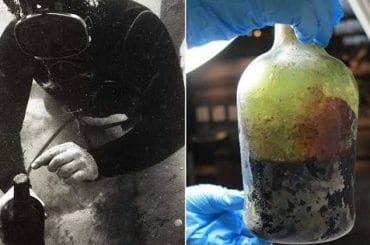
The discovery of a 220-year-old beer bottle recovered from the Sydney Cove, sunk in Australian waters near Tasmania, has inspired the creativity of a team of researchers.
Craft and independent brewers dedicate a great deal of time, effort, and resources to making the best beer possible, but all of this hard work can be ruined in the time it takes the beer to travel from the keg to the pint.

The relationship between the chemical composition of a beer and its consumer appreciation has been an elusive field for food science, due to the non-linear nature of perception and its complex interactions.

MiniBrew is a device that promises to make brewing beer as simple as making a cup of instant coffee in the morning.
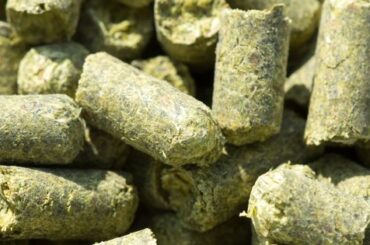
Hops bring their own enzymes that break down dextrins and reactivate the yeast after dry hopping. What hop creep is, how much alcohol and CO₂ it adds and how to stop it.
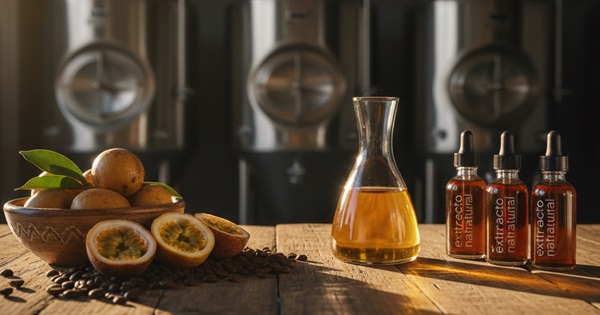
In the beer world, every so often a discussion tends to arise about whether using extracts or essences betrays the craft spirit. The question seems simple, but the answer has quite a few nuances worth analyzing.


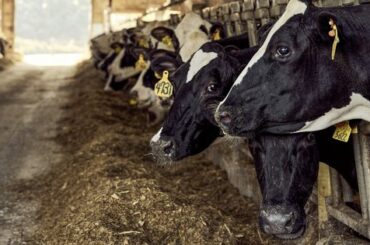
The Brews to Barns Act would give small US breweries 8 cents per pound of spent grain donated to farms, capped at $35,000 a year.

Grupo Modelo hands over the store ready to operate and pays the rent, and the operator puts up an initial investment that starts at 60,000 pesos, according to the company itself, and that goes entirely toward inventory.

The decline is especially marked among young people aged 15 to 24, who have reduced their usual consumption by around 60% over the last two decades. Spain is the fifth country in the European Union with the most abstainers.

Next Glass acquired BeerAdvocate in February 2020 in a deal that brought under one roof the oldest beer review community on the internet and the world’s most popular consumption tracking app.
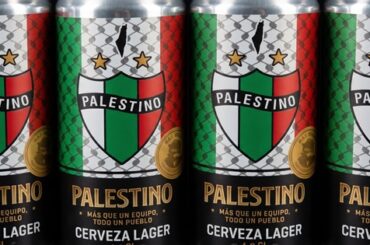
Over 500,000 people of Palestinian descent live in Chile today, where second, third, and fourth-generation families keep alive the language, traditions, and memory of a territory many have never been able to return to.

The big brewers trade on the NYSE, Euronext and the Tokyo Stock Exchange. A guide to investing in AB InBev, Heineken, Carlsberg, Constellation Brands and Molson Coors from Latin America and Spain.
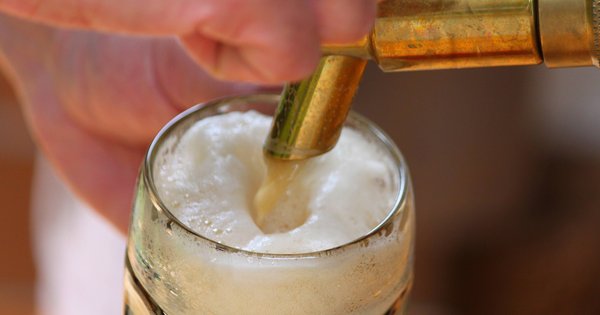
That relationship was described by the English chemist William Henry, and today it rules everything from the bottle cap to the regulator on a keg. That is why a British ale, a weissbier and a Czech pilsner can feel so different in the glass.
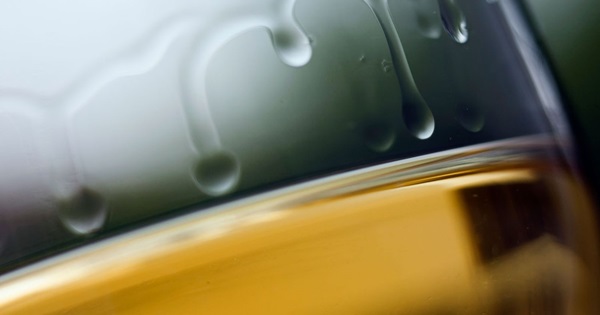
Several mistaken ideas about beer tears are going around, and they come from the world of wine and whisky. That they reveal quality, that glycerol produces them or that they form because alcohol concentrates at the top of the glass.
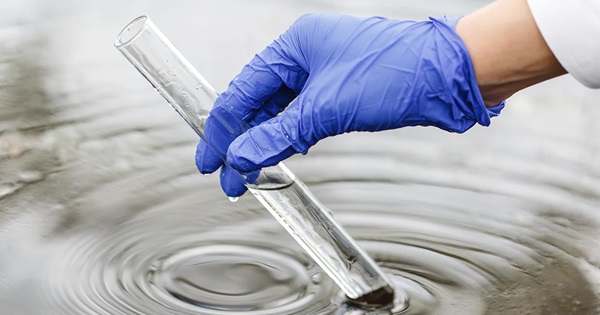
PFAS, per- and polyfluoroalkyl substances, are a large family of synthetic compounds built on carbon-fluorine bonds, among the most stable in chemistry.
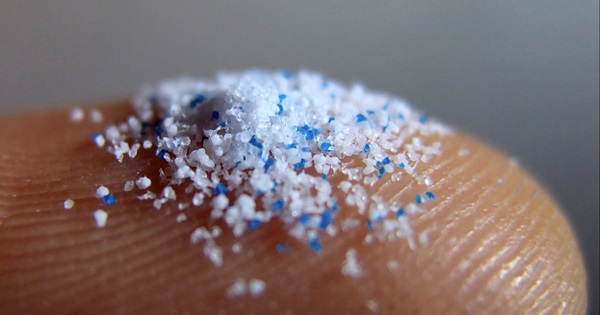
The figures vary widely between countries, from 4 particles per liter in the United States to more than 90 in Spain. Much of that difference lies in how they are measured and understanding that matters as much as the number.
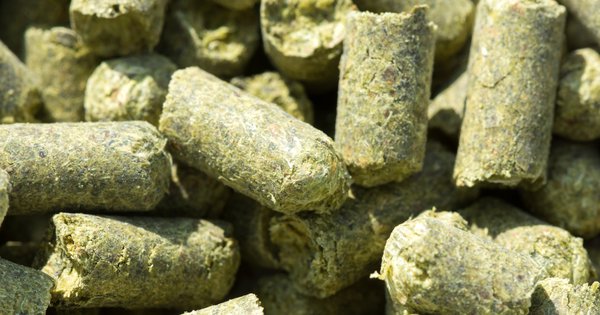
Hops bring their own enzymes that break down dextrins and reactivate the yeast after dry hopping. What hop creep is, how much alcohol and CO₂ it adds and how to stop it.