A no-yeast homemade pizza dough made with craft beer and a par-baked pizza base made with brewer’s spent grain, with ingredients and step-by-step instructions.

A no-yeast homemade pizza dough made with craft beer and a par-baked pizza base made with brewer’s spent grain, with ingredients and step-by-step instructions.

Mixed fermentation brings together organisms from different genera, such as Saccharomyces with Brettanomyces or lactic acid bacteria. What defines it and why it takes months.

What a beer keg is, how many liters a beer barrel holds, how much a keg weighs and which types exist, including DIN, Cornelius and KeyKeg.

Learn how to make this simple beer-braised congrio with shrimp, tomato and a Pilsner, a versatile white fish from Chilean cuisine.

A versatile, easy beer rice recipe that works as a side for meat and fish or as a main course, cooked in beer and vegetable broth.

Baked beer donuts made with an Amber Ale, with ingredients, step-by-step instructions and a short history of the donut.

Beer was considered a medicine in the old European tradition. In the Middle Ages, monks fortified themselves with “barley juice” and drank between three and five “measures” of beer a day.
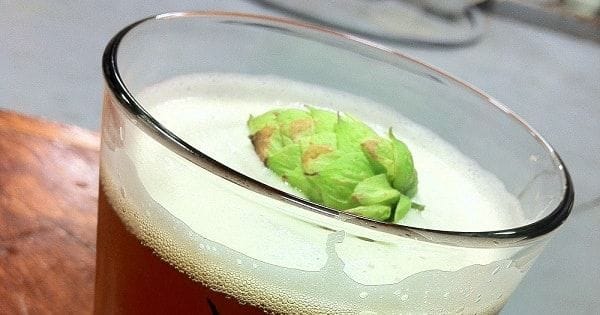
Bitterness is an acquired taste, clearly evident when we see someone discovering the world of craft beer, but there is a good evolutionary reason for it: bitterness is a signal to consider in potentially poisonous compounds.

On April 23, 1516, Duke Wilhelm IV of Bavaria issued a decree regulating the price of beer, the times of production, and the ingredients permitted in its manufacture.
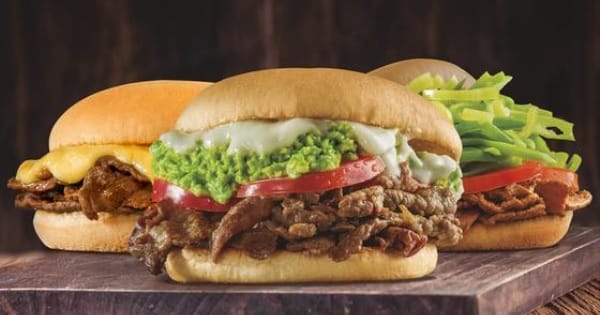
This sandwich, which blends culinary tradition and natural products with irresistible flavors, pays homage to the thin cut of beef called churrasco in its many variations.
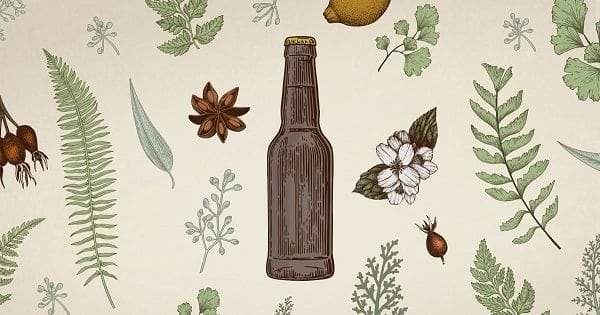
Its composition was subject to local variations and in many cases a jealously guarded secret, but the general consensus reveals that the gruit blend is historically linked to 3 herbs.

This study, published in Foods, represents the first systematic analysis of umami peptides present in lager beer and their multidimensional effects on the sensory properties of the beer body.

Adding mushrooms to beer is creating a new wave of styles that blend tradition and innovation, driven by the sensory richness and the health benefits they may offer.
A no-yeast homemade pizza dough made with craft beer and a par-baked pizza base made with brewer’s spent grain, with ingredients and step-by-step instructions.
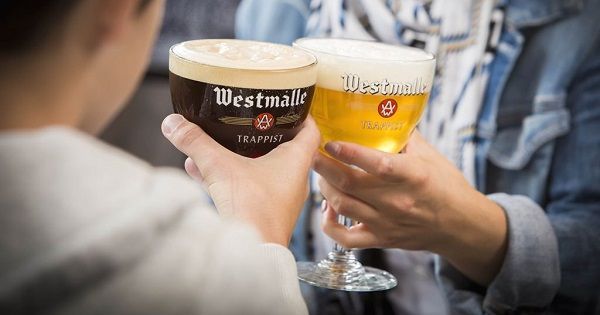
The Trappist monastery of Malle, founded in 1794, achieved abbey status on April 22, 1836. The monks were authorized to drink the most famous beverage of Flanders — beer — during meals.
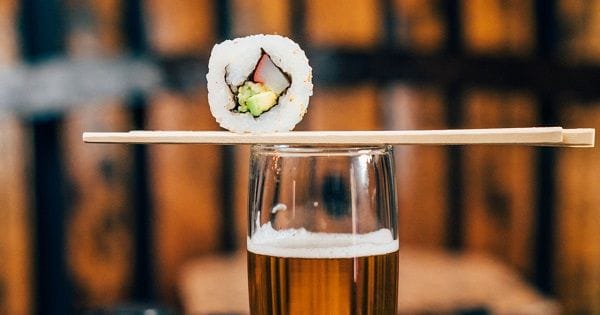
Nothing beats a good beer to accompany good sushi, but even today, unfortunately, most sushi bars do not have a very varied selection of beers on offer.

The relationship between the chemical composition of a beer and its consumer appreciation has been an elusive field for food science, due to the non-linear nature of perception and its complex interactions.
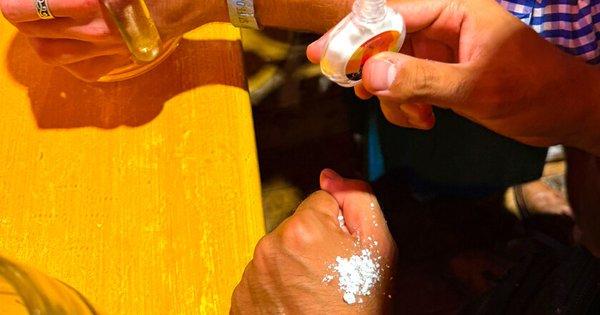
It is a fine white powder that is sniffed and passed freely among friends, even sold on the grounds, in a scene that looks exactly like cocaine use to the naked eye.
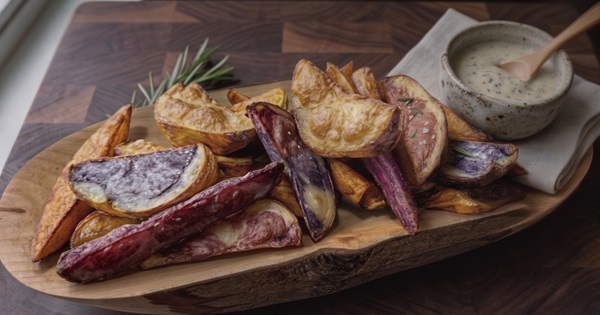
The Belgians point to fishermen from the Meuse River, who fried potato strips when the waters froze in the 17th century. The French point to street vendors at Paris’s Pont Neuf, who popularized them in the late 18th century.
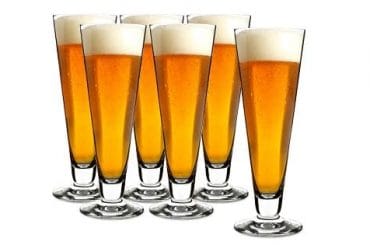
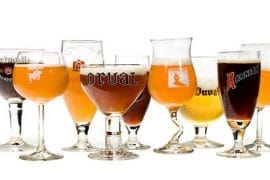
The Pilsner glass is used for many types of clear, bright beers. Its classic trumpet shape is narrow at the base and widens toward the top, maintaining carbonation, showcasing color and enhancing foam retention.

The distinctive character of Rauchbier dates back to a time when smoky flavor was not a stylistic choice, but an inevitable consequence of the production method in brewing beer.
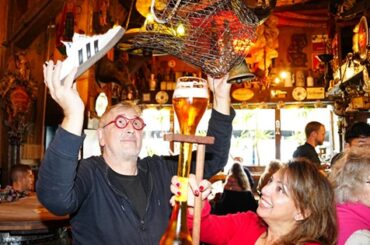
One of the strangest experiences you can have on a beer night happens in Ghent, Belgium. You walk into a medieval-looking bar, order a pint, and instead of reaching for your wallet, the waiter asks you to take off your shoe.
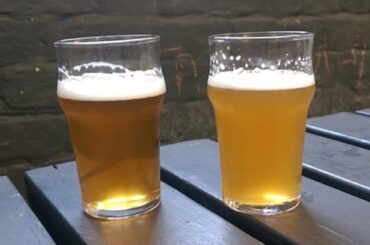
Chill haze is a widely studied phenomenon in brewing science and presents itself as one of the main challenges in the production of clear beers.

Études sur la Bière marked the point of no return; beer ceased to be a product of seasonality and luck to become one of the first great victories of biotechnology.

Beer runs deep in German culture, and this April 23 most of the country celebrates Beer Day, a year after the purity law turned 500.

Sahti is an ancient beer originating from Finland, recognized for its unique flavor, traditional brewing process, and rustic character, with juniper playing a prominent role.

For millennia, human saliva was the most effective enzyme for creating fermentable sugars as an intimate biochemical reaction that defined the history of fermentation long before agriculture.
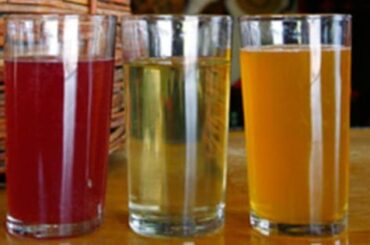
Chile’s SAG is backing family farming by recognizing traditional “Pipeño” as a unique alcoholic beverage distinct from wine.

The popular myth is simple and says that the more papillae you have on your tongue, the greater your ability to taste flavors and, as a result, the more bitter beer tastes. The most recent published studies show that reality is quite a bit more complex.

ISO 4120 is the international standard describing the methodology known as the triangle test, designed to determine whether or not a perceptible sensory difference exists between two products or variants of the same product.
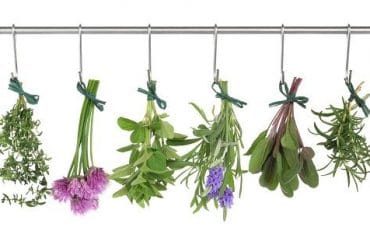
Nowadays, hops are a primary ingredient in beer brewing, but this wasn’t always the case. Throughout history, they were just one of many different herbs and spices used to flavor and preserve beer.

Spent grain bread is a delicious, sustainable and nutritious option made from a byproduct of the brewing process, the mashed malt grains.

Hoegaarden Wit is one of the world’s most iconic beers, a Belgian wheat beer whose pale yellow color and natural haze win you over at first sight.
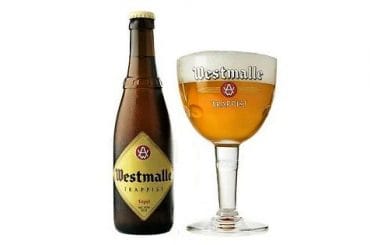
Westmalle Tripel is a Belgian Trappist beer brewed by Brouwerij der Trappisten van Westmalle and first introduced to the market in 1934, being a pioneer of its style and marking a milestone in the country’s brewing tradition.
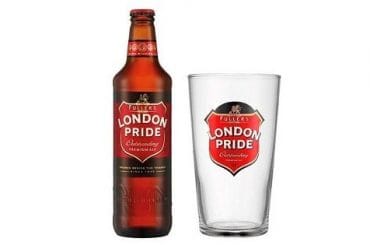
Fuller’s London Pride is one of England’s most iconic beers and a true emblem of the Best Bitter style, appreciated by generations of beer lovers around the world.
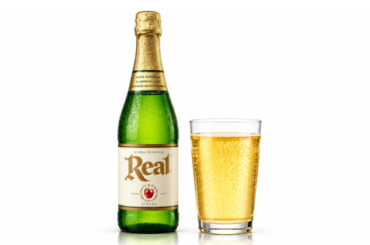
Sidra Real Etiqueta Blanca is the everyday cider of CCU Argentina’s longest-running brand, made in the Alto Valle de Río Negro from red and green apples.
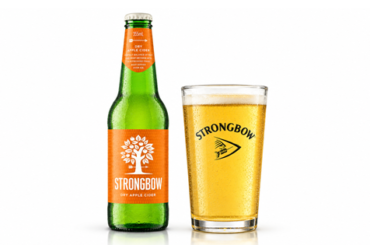
The Original Dry is the 5.3% version the brand bills as export strength for the US and Canada, and it is also sold in the UK in cans and bottles.

Petrus Aged Red is brewed from a Double Brown Ale base blended with 15% Petrus Aged Pale, which gives the beer a dry character and a light bitter edge.
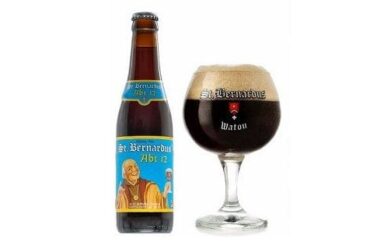
The pinnacle of the St. Bernardus portfolio is a dark-colored, ivory-foamed, top-fermented beer that is easy to drink due to its smooth flavor and fruity aroma.
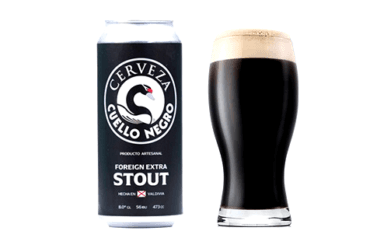
Cuello Negro Stout is a craft beer made with pure water from the Valdivian rainforest in southern Chile, whose flavor comes from a careful brewing process that gives it an unmistakable distinctive character.
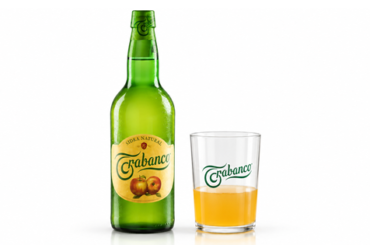
Trabanco Tradicional is the yellow-label natural cider of a Gijón house making cider since 1925, fermented with natural yeasts mostly in chestnut casks.
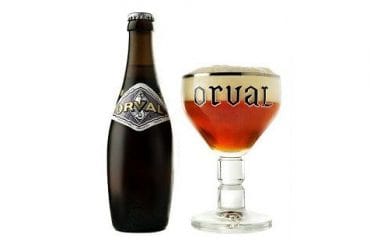
Unlike all other Trappist breweries, Orval produces only one variety of beer for the general public, with just 15% of its total production available for export.
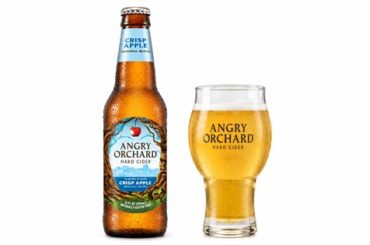
Angry Orchard went national in the US in 2012 with Crisp Apple among its three core ciders, and now runs a cidery on a 24-hectare orchard in New York.

Sierra Nevada launched this Pale Ale in 1980 and brought Cascade hops to the center of the recipe, marking the starting point of the citrus profile that would later define hundreds of American IPAs.

The interaction between alcohol and dopamine is a neurological phenomenon that explains the immediate effects of alcohol consumption, as well as the underlying mechanisms of addiction and mood disorders.

Corona Extra is the world’s most valuable beer brand in 2026, worth $13.9 billion. Brand Finance ranking plus the historic 2018 list.

Next Glass acquired BeerAdvocate in February 2020 in a deal that brought under one roof the oldest beer review community on the internet and the world’s most popular consumption tracking app.

Cristal and Pilsen Callao, from Backus, are Peru’s best-selling beers. Learn their history and other brands such as Cusqueña, San Juan, Tres Cruces and Barbarian.

The best-selling beer in each Latin American country with 2024 to 2026 data, from Brazil and Mexico to Costa Rica, and the brewing groups that control the market.

To start this top 10 of the best-selling beers in the world, we can comment that for 2020, most of them are on the way to generating an impressive sum of 688.4 billion dollars in sales.

The big brewers trade on the NYSE, Euronext and the Tokyo Stock Exchange. A guide to investing in AB InBev, Heineken, Carlsberg, Constellation Brands and Molson Coors from Latin America and Spain.

Of the 10 most expensive beers in the world, some hit astronomical prices on release, while others are still brewed in exclusive batches.
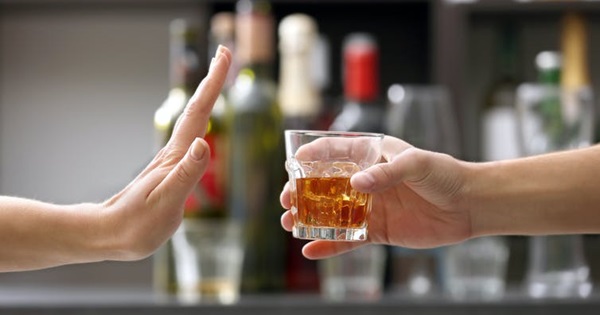
The decline is especially marked among young people aged 15 to 24, who have reduced their usual consumption by around 60% over the last two decades. Spain is the fifth country in the European Union with the most abstainers.
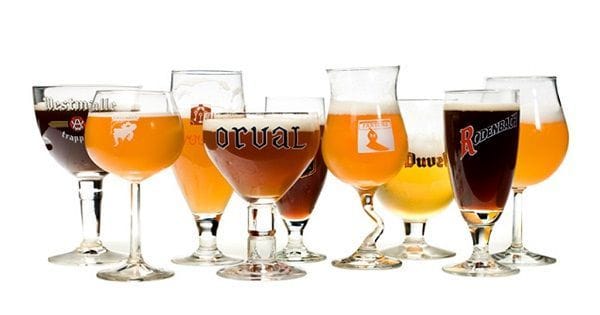
Brussels celebrates that recognition with a richer and more diverse beer scene than ever, with over 1,500 varieties, new experience spaces, and entire neighborhoods that have made beer part of their urban identity.
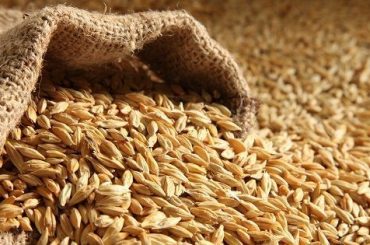
Brewing beer with less than 0.5% alcohol involves stopping fermentation early or removing ethanol afterward, and in both cases more residual fermentable sugar remains in the liquid than in a conventional beer.

What a beer keg is, how many liters a beer barrel holds, how much a keg weighs and which types exist, including DIN, Cornelius and KeyKeg.

Historically, brewers around the world have used locally available water to brew their beer, leading to the development of beer styles associated with specific mineral water profiles found in those places.

Bottle openers are part of our personal toolkit, on the key chain, in the backpack or packed as a basic utensil when we go camping.

A team at Chalmers University of Technology has developed a biodegradable construction material made from baker’s yeast, algae alginate, wood cellulose, and vegetable glycerol—3D printable at room temperature with no heating, no support structures, and no waste.

The relationship between the chemical composition of a beer and its consumer appreciation has been an elusive field for food science, due to the non-linear nature of perception and its complex interactions.

A refractometer is an optical instrument that measures the sucrose concentration of a solution based on the refractive index produced by light in that solution.

It’s undeniable that TikTok is one of the social networks of the moment, developing exponential growth since 2020 until reaching…
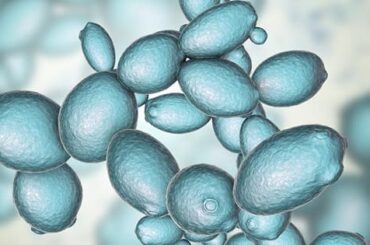
To identify S. chiloensis as a new species, scientists used an integrative taxonomy approach, combining analysis of genomic sequences, reproductive isolation studies, and phenotypic analyses.
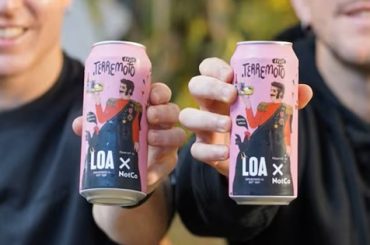
The beverage, named “Ocho punto ocho” (8.8), combines the characteristic flavor of the terremoto with a different nutritional profile, standing out for its lower sugar content and half the calories compared to the homemade version.

Traditional SEO is shifting ground. It’s no longer enough to optimize to appear on Google’s first page; the battle is now fought in the responses of large language models (LLMs).

The cold chain essentially means that the product being distributed is kept refrigerated at a constant temperature at all times, including during transportation.
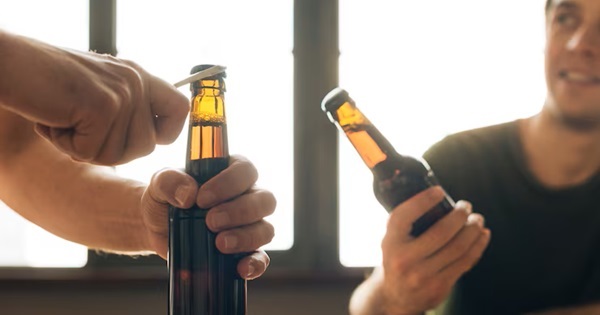
From regulatory, technical elaboration, chemical composition, or organoleptic profile, understanding this distinction is fundamental to properly valuing this beverage that has gained relevance in recent years.
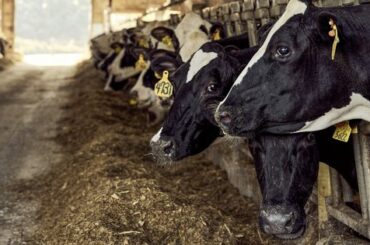
The Brews to Barns Act would give small US breweries 8 cents per pound of spent grain donated to farms, capped at $35,000 a year.

Grupo Modelo hands over the store ready to operate and pays the rent, and the operator puts up an initial investment that starts at 60,000 pesos, according to the company itself, and that goes entirely toward inventory.

The decline is especially marked among young people aged 15 to 24, who have reduced their usual consumption by around 60% over the last two decades. Spain is the fifth country in the European Union with the most abstainers.

Next Glass acquired BeerAdvocate in February 2020 in a deal that brought under one roof the oldest beer review community on the internet and the world’s most popular consumption tracking app.
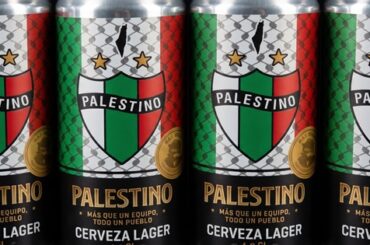
Over 500,000 people of Palestinian descent live in Chile today, where second, third, and fourth-generation families keep alive the language, traditions, and memory of a territory many have never been able to return to.

The big brewers trade on the NYSE, Euronext and the Tokyo Stock Exchange. A guide to investing in AB InBev, Heineken, Carlsberg, Constellation Brands and Molson Coors from Latin America and Spain.
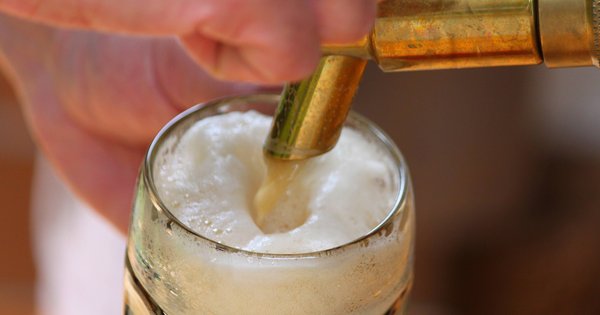
That relationship was described by the English chemist William Henry, and today it rules everything from the bottle cap to the regulator on a keg. That is why a British ale, a weissbier and a Czech pilsner can feel so different in the glass.

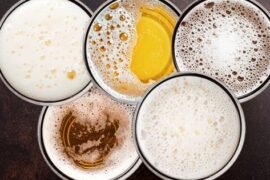
Several mistaken ideas about beer tears are going around, and they come from the world of wine and whisky. That they reveal quality, that glycerol produces them or that they form because alcohol concentrates at the top of the glass.
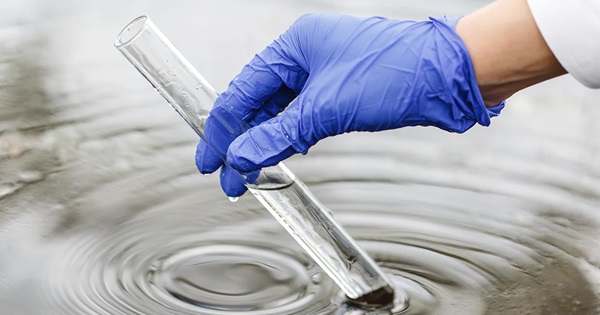
PFAS, per- and polyfluoroalkyl substances, are a large family of synthetic compounds built on carbon-fluorine bonds, among the most stable in chemistry.
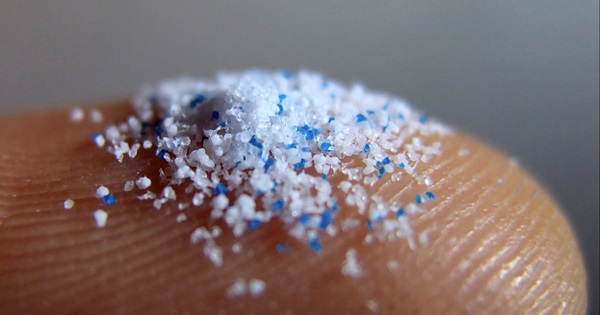
The figures vary widely between countries, from 4 particles per liter in the United States to more than 90 in Spain. Much of that difference lies in how they are measured and understanding that matters as much as the number.
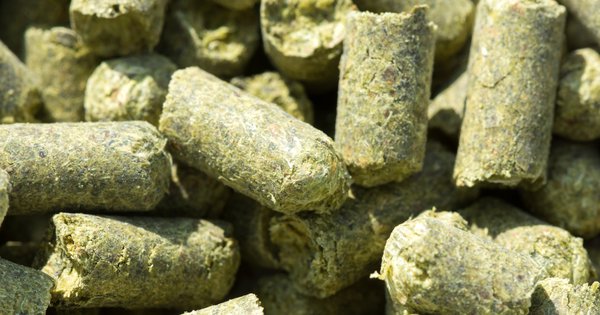
Hops bring their own enzymes that break down dextrins and reactivate the yeast after dry hopping. What hop creep is, how much alcohol and CO₂ it adds and how to stop it.