A no-yeast homemade pizza dough made with craft beer and a par-baked pizza base made with brewer’s spent grain, with ingredients and step-by-step instructions.

A no-yeast homemade pizza dough made with craft beer and a par-baked pizza base made with brewer’s spent grain, with ingredients and step-by-step instructions.

Mixed fermentation brings together organisms from different genera, such as Saccharomyces with Brettanomyces or lactic acid bacteria. What defines it and why it takes months.

What a beer keg is, how many liters a beer barrel holds, how much a keg weighs and which types exist, including DIN, Cornelius and KeyKeg.

Learn how to make this simple beer-braised congrio with shrimp, tomato and a Pilsner, a versatile white fish from Chilean cuisine.

A versatile, easy beer rice recipe that works as a side for meat and fish or as a main course, cooked in beer and vegetable broth.

Baked beer donuts made with an Amber Ale, with ingredients, step-by-step instructions and a short history of the donut.
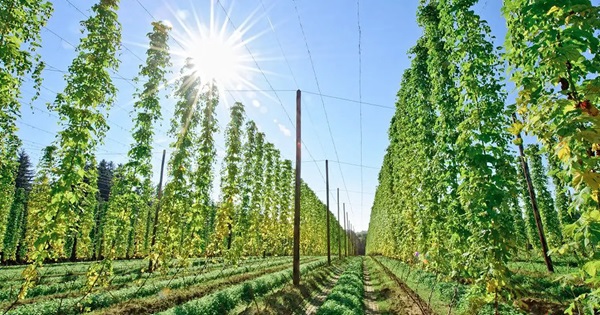
Cerveceros de España has officially coined the term zitoturismo to bring together the guided tastings, brewery visits and walks through barley and hop fields that millions of people already enjoy in Spain.

Ten classic German beers worth trying, from Weihenstephaner Hefeweizen to Aventinus Eisbock, with their style, their history and how to serve them.
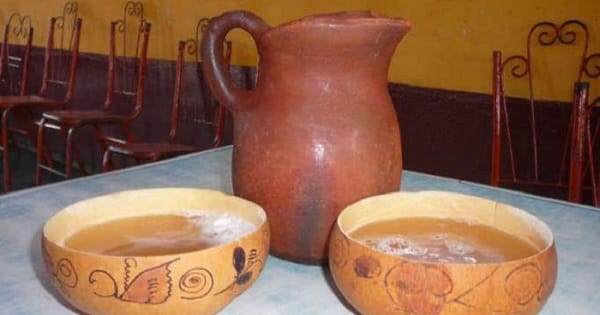
Chicha de jora is the germinated corn beer of the Andes. Its pre-Hispanic history, the science of its fermentation and the traditional recipe step by step.

The beverage, named “Ocho punto ocho” (8.8), combines the characteristic flavor of the terremoto with a different nutritional profile, standing out for its lower sugar content and half the calories compared to the homemade version.

The big brewers trade on the NYSE, Euronext and the Tokyo Stock Exchange. A guide to investing in AB InBev, Heineken, Carlsberg, Constellation Brands and Molson Coors from Latin America and Spain.
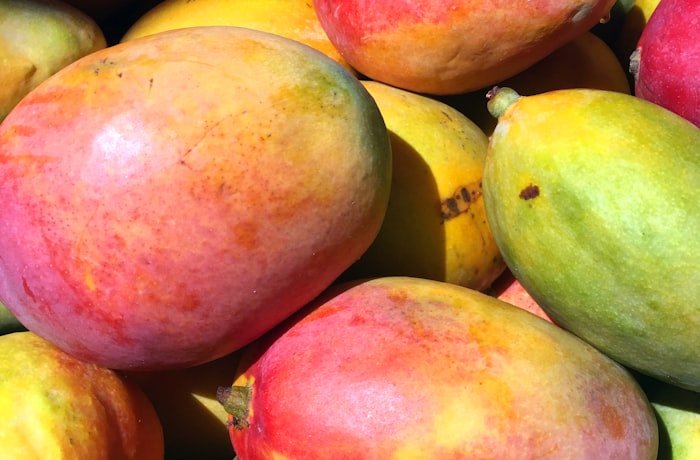
Corn was fermenting across the Americas millennia before the first European barley arrived. It was adopted by industry, condemned by craft brewers, and is now reclaimed as a terroir ingredient.
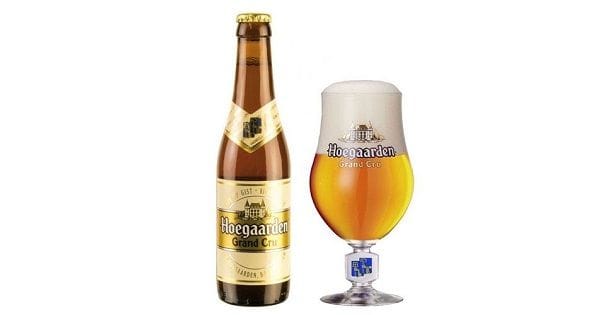
Hoegaarden Grand Cru is a Belgian Strong Ale brewed by Hoegaarden in Belgium, with 8.5% ABV, 29 IBU and 255 calories, best served in a Tulip or Snifter glass.
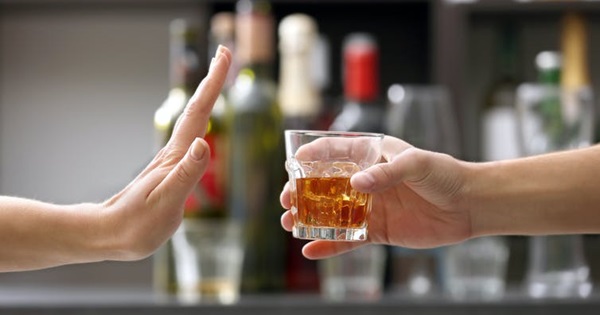
The decline is especially marked among young people aged 15 to 24, who have reduced their usual consumption by around 60% over the last two decades. Spain is the fifth country in the European Union with the most abstainers.
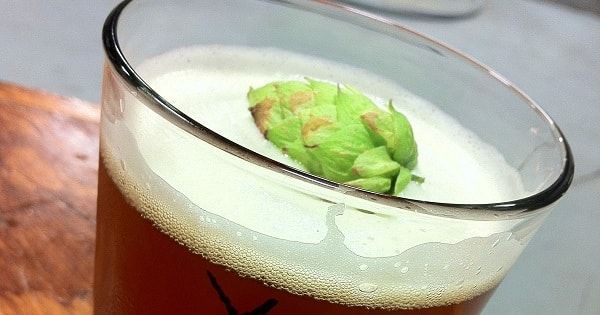
Dry hopping, also known as dry hop, is a technique used in beer brewing that aims to increase the aromas of a beer, which consists of adding dried hops to the finished beer after fermentation.
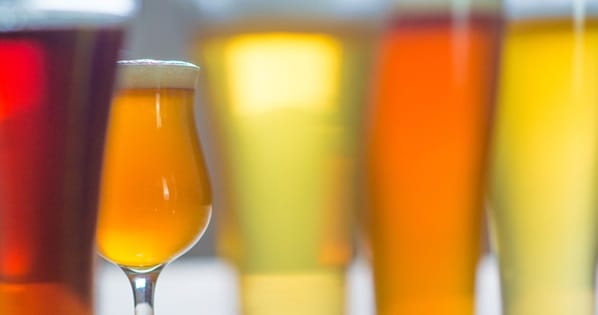
Collaborative beers have become a very popular phenomenon in the beer world, with producers from all over joining forces in an attempt to create new and exciting beers.
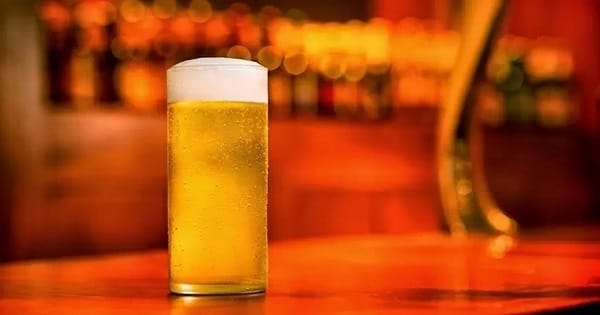
On December 11, 2014, the liso was officially declared Intangible Cultural Heritage of the city of Santa Fe by the Honorable Municipal Council of this emblematic Argentine city.
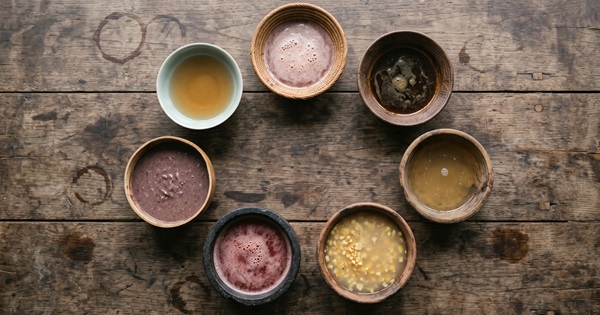
Beer is a perfect example of what in anthropology is known as cultural convergence, a phenomenon in which civilizations separated by oceans and millennia arrived at the same technological solution without having influenced each other.
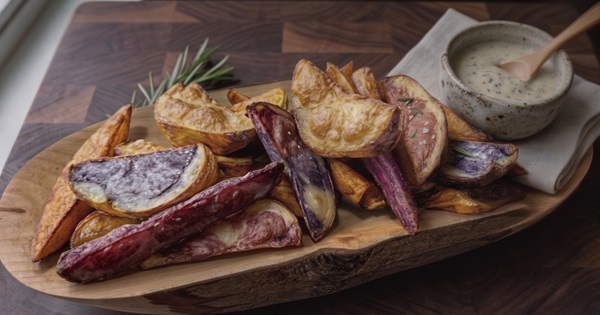
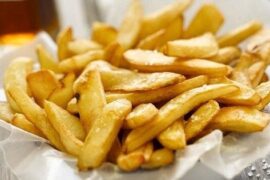
The Belgians point to fishermen from the Meuse River, who fried potato strips when the waters froze in the 17th century. The French point to street vendors at Paris’s Pont Neuf, who popularized them in the late 18th century.

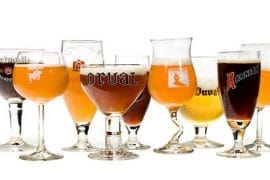
Beer lovers usually own a collection of beer glasses, yet many may not realize that several of their pieces are “nucleated” glassware, or may not know what that even means.
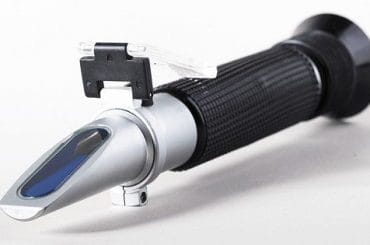
A refractometer is an optical instrument that measures the sucrose concentration of a solution based on the refractive index produced by light in that solution.

For the average beer consumer, the difference between Ale and Lager usually comes down to appearance, aromas and flavors, where the former tend to be darker and fruitier, while the latter are usually clearer and have cleaner flavors.

A characteristic feature of beer history is that for almost its entire existence, it was produced with Ale yeast, until the early 20th century when brewing with Lager yeast was massively introduced.
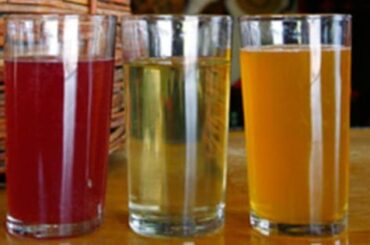
Chile’s SAG is backing family farming by recognizing traditional “Pipeño” as a unique alcoholic beverage distinct from wine.

The aromas and flavors of sour and/or mixed fermentation beers can be divided into three main categories: fruity, acidic, and what brewers collectively call “funky.”
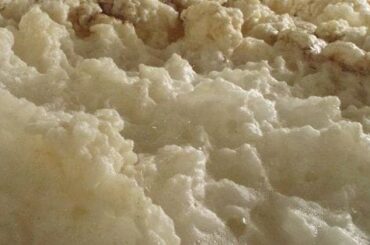
Under the Reinheitsgebot, sugars not derived from malt could not be used to carbonate beer, so brewers needed alternative ways to supply a small extra dose taken from an actively fermenting wort.
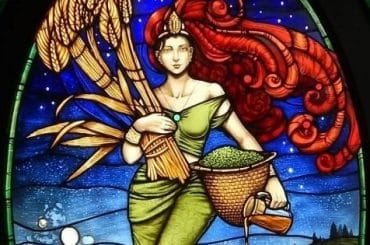
For early humanity, beer was perhaps the most important staple in their diet—a valuable source of protein and vitamins, and a crucial milestone in ensuring our survival as a species.

In just a few moments, a tsunami of thousands of liters of beer devastated the Saint Giles neighborhood in London, causing a genuine tragedy: what history remembers as the London Beer Flood of 1814.

Explore the physical and biochemical effects of sound frequencies on beer production, their impact on yeast activity, the formation of aromatic compounds, and the stability of the final product.
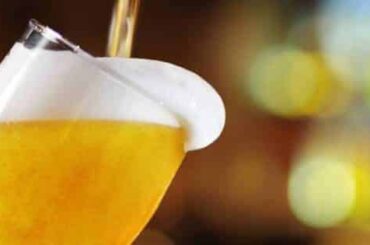
Beer foam is much more than a simple sensory ornament. Behind its light and ephemeral appearance lies a complex system that depends on a delicate interaction between chemical components, interfacial properties, and hydrodynamic dynamics.
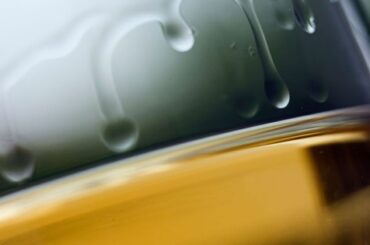
Several mistaken ideas about beer tears are going around, and they come from the world of wine and whisky. That they reveal quality, that glycerol produces them or that they form because alcohol concentrates at the top of the glass.
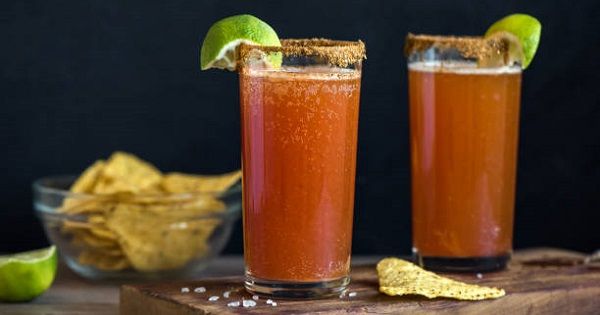
The michelada is a beer cocktail born in Mexico, but it grew so popular that other countries adapted the recipe into versions of their own.
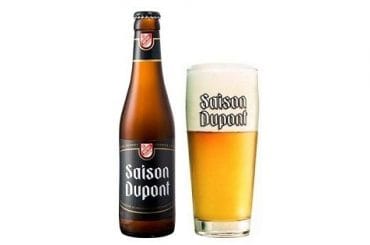
Saison Dupont is a Belgian top-fermented beer, bottle-conditioned, brewed since 1844 during the winter to quench the thirst of the “saisoniers” who would work in the fields during the summer.
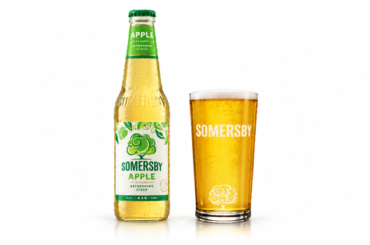
In 2012 it grew fastest among the world’s top ten cider brands, per Carlsberg, and it now sells in over 40 countries in versions tailored to each market.
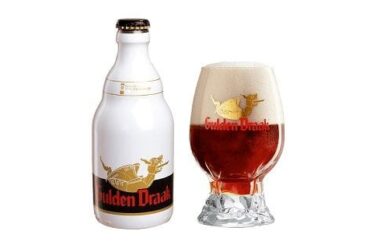
Gulden Draak is a Belgian strong ale-style beer originating from Ertvelde, Belgium, and brewed by Brouwerij Van Steenberge, with 10.5% ABV, 18 IBU, and 255 total calories.
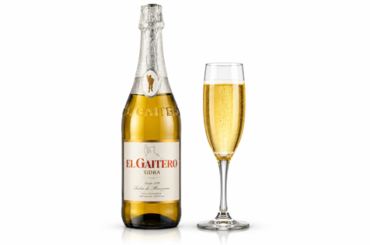
El Gaitero Clásica is the sparkling cider of the Asturian house founded in 1890 in Villaviciosa, extra semi-dry, 4.1%, with ample bubbles and firm acidity.
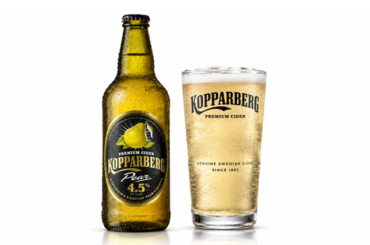
Made in Kopparberg, Sweden, by a brewery founded in 1882, Kopparberg Pear is the 4.5% sweet perry the brand suggests serving over plenty of ice.
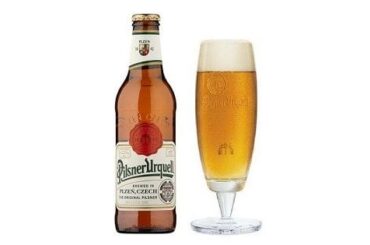
Pilsner Urquell is the first beer of its kind in history and the one from which, for better or worse, all others in its style were developed. Its quality is guaranteed by the use of the original recipe.
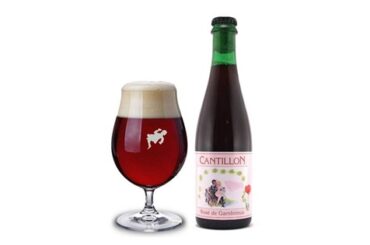
Cantillon ferments this beer spontaneously with wild yeasts from the Senne valley and adds fresh raspberries, giving rise to one of the most renowned fruit lambics in Brussels.
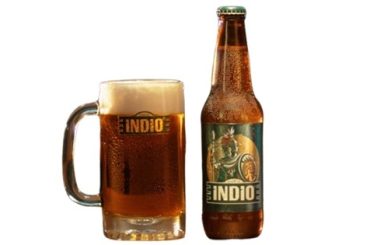
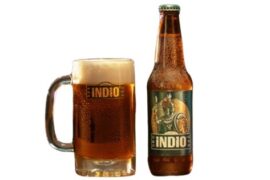
Indio is one of Mexico’s most iconic beers, with a rich history dating back to 1893. It emphasizes the use of local ingredients and traditional brewing techniques.
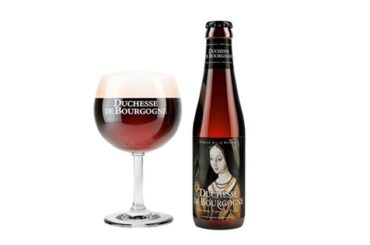
Duchesse de Bourgogne spends years maturing in oak barrels before reaching the glass—a process that has made it one of the most recognized Flanders Red Ales in Belgium.
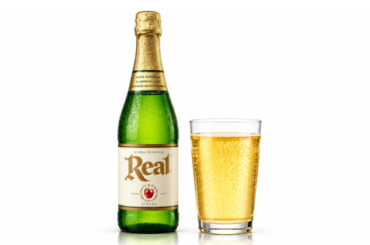
Sidra Real Etiqueta Blanca is the everyday cider of CCU Argentina’s longest-running brand, made in the Alto Valle de Río Negro from red and green apples.
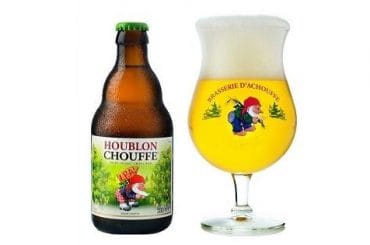
Houblon Chouffe Bière Tripel IPA represents a unique fusion of the English IPA tradition, the American Double IPA revolution, and the Belgian Tripel heritage.
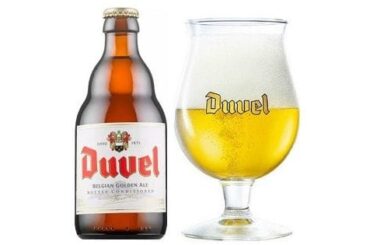
Duvel is an emblematic Belgian beer that, since its creation in the 1920s, has achieved iconic status in the beer world for its complexity and balance.
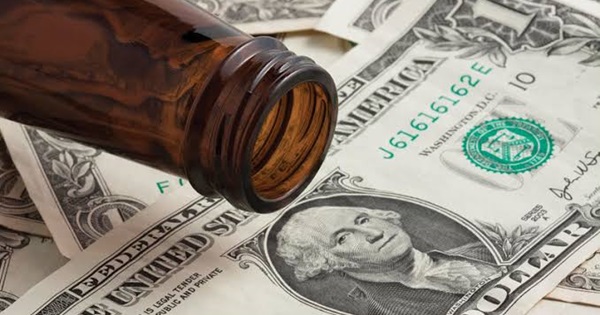
The report on alcohol calculates a global median of 14% tax on the price of beer and 22.5% on spirits, well below the threshold that the WHO itself considers necessary to discourage consumption.




Next Glass acquired BeerAdvocate in February 2020 in a deal that brought under one roof the oldest beer review community on the internet and the world’s most popular consumption tracking app.

Climate change is not only transforming ecosystems and altering weather patterns but is also putting at risk one of humanity’s most iconic cultural products: beer.

We invited Rob Tod, founder of Allagash Brewing Co., to share 20 practical lessons for brewery success learned over 25 years of activity. This was his response.

The best-selling beer in each Latin American country with 2024 to 2026 data, from Brazil and Mexico to Costa Rica, and the brewing groups that control the market.
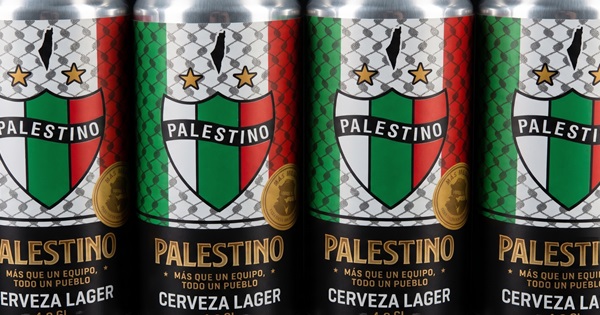
Over 500,000 people of Palestinian descent live in Chile today, where second, third, and fourth-generation families keep alive the language, traditions, and memory of a territory many have never been able to return to.
The big brewers trade on the NYSE, Euronext and the Tokyo Stock Exchange. A guide to investing in AB InBev, Heineken, Carlsberg, Constellation Brands and Molson Coors from Latin America and Spain.

To start this top 10 of the best-selling beers in the world, we can comment that for 2020, most of them are on the way to generating an impressive sum of 688.4 billion dollars in sales.
The decline is especially marked among young people aged 15 to 24, who have reduced their usual consumption by around 60% over the last two decades. Spain is the fifth country in the European Union with the most abstainers.
Cerveceros de España has officially coined the term zitoturismo to bring together the guided tastings, brewery visits and walks through barley and hop fields that millions of people already enjoy in Spain.

Historically, brewers around the world have used locally available water to brew their beer, leading to the development of beer styles associated with specific mineral water profiles found in those places.

The cold chain essentially means that the product being distributed is kept refrigerated at a constant temperature at all times, including during transportation.

The STC-1000 temperature controller lets you manually set the temperature of a fermenter or conditioning vessel placed inside a suitably sized refrigerator, freezer or cooler.

Bottle openers are part of our personal toolkit, on the key chain, in the backpack or packed as a basic utensil when we go camping.
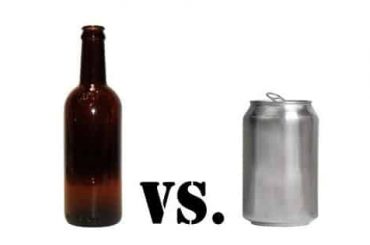
Every consumer already has their preferences: some reject cans while others love the creative designs they can carry. This article cuts through the aesthetics to lay out the objective facts on which format is better depending on the conditions.
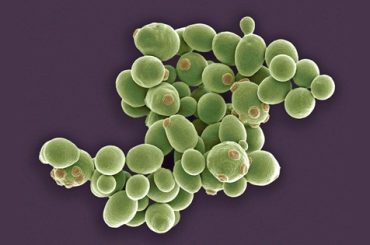
The rise of non-alcoholic or low-alcohol beers has led the brewing industry to explore new yeast strains and fermentation techniques.

What a beer keg is, how many liters a beer barrel holds, how much a keg weighs and which types exist, including DIN, Cornelius and KeyKeg.
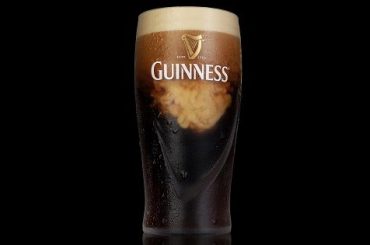
If you have ever visited Ireland, you have surely tasted a Kilkenny, Murphy’s or Guinness beer in one of its many pubs with a spirit that exudes authenticity from every corner.
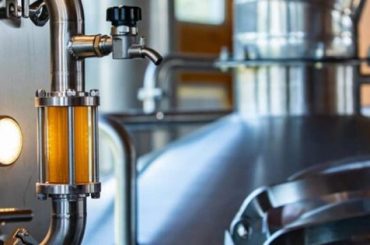
When beer is introduced into a rotor spinning at high revolutions, a centrifugal force is generated that can reach between 5,000 and 10,000 times the Earth’s gravity. This acceleration reduces sedimentation time to fractions of a second.
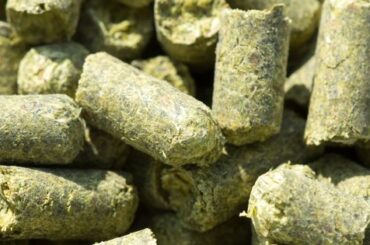
Hops bring their own enzymes that break down dextrins and reactivate the yeast after dry hopping. What hop creep is, how much alcohol and CO₂ it adds and how to stop it.
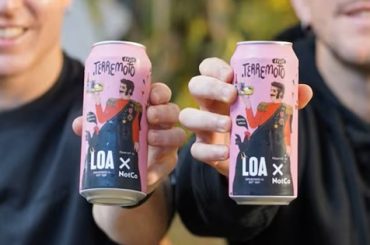
The beverage, named “Ocho punto ocho” (8.8), combines the characteristic flavor of the terremoto with a different nutritional profile, standing out for its lower sugar content and half the calories compared to the homemade version.
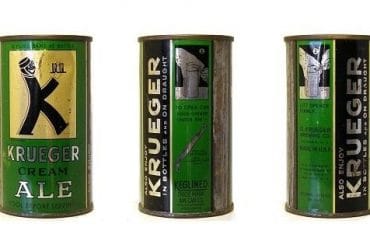
On January 24, 1935, the first canned beer went on sale after decades of experiments and more than ten years of Prohibition, thanks to the Gottfried Krueger Brewing Company in Richmond, Virginia.
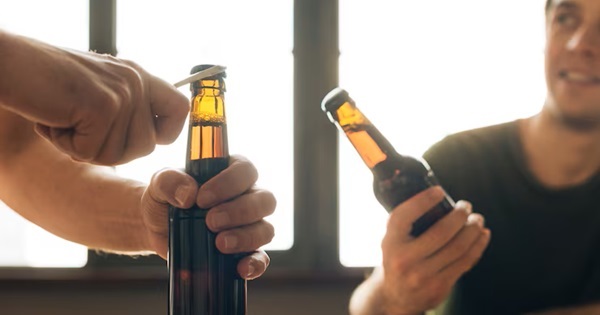
From regulatory, technical elaboration, chemical composition, or organoleptic profile, understanding this distinction is fundamental to properly valuing this beverage that has gained relevance in recent years.
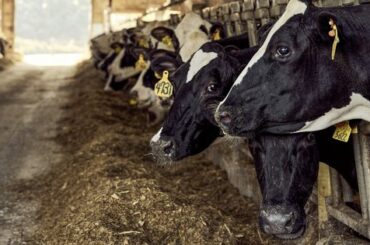
The Brews to Barns Act would give small US breweries 8 cents per pound of spent grain donated to farms, capped at $35,000 a year.

Grupo Modelo hands over the store ready to operate and pays the rent, and the operator puts up an initial investment that starts at 60,000 pesos, according to the company itself, and that goes entirely toward inventory.

The decline is especially marked among young people aged 15 to 24, who have reduced their usual consumption by around 60% over the last two decades. Spain is the fifth country in the European Union with the most abstainers.

Next Glass acquired BeerAdvocate in February 2020 in a deal that brought under one roof the oldest beer review community on the internet and the world’s most popular consumption tracking app.
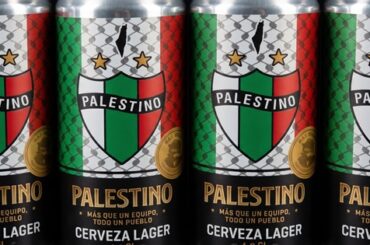
Over 500,000 people of Palestinian descent live in Chile today, where second, third, and fourth-generation families keep alive the language, traditions, and memory of a territory many have never been able to return to.

The big brewers trade on the NYSE, Euronext and the Tokyo Stock Exchange. A guide to investing in AB InBev, Heineken, Carlsberg, Constellation Brands and Molson Coors from Latin America and Spain.
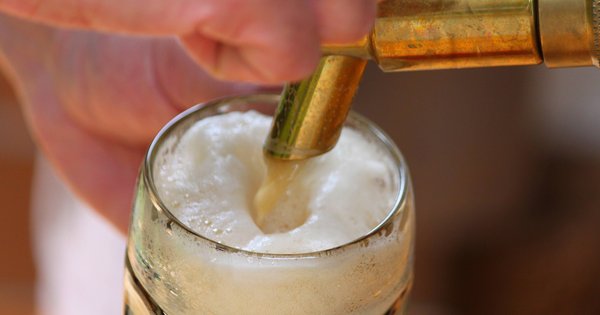
That relationship was described by the English chemist William Henry, and today it rules everything from the bottle cap to the regulator on a keg. That is why a British ale, a weissbier and a Czech pilsner can feel so different in the glass.
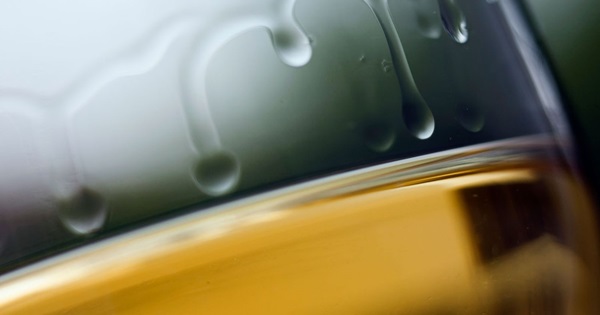
Several mistaken ideas about beer tears are going around, and they come from the world of wine and whisky. That they reveal quality, that glycerol produces them or that they form because alcohol concentrates at the top of the glass.
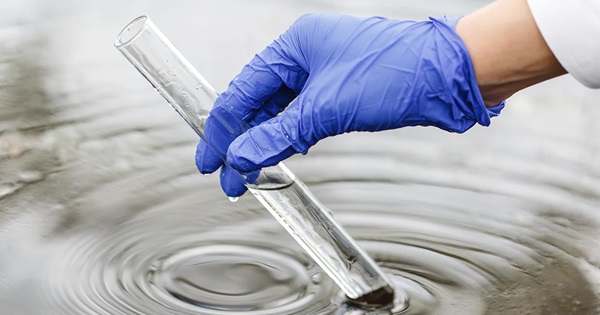
PFAS, per- and polyfluoroalkyl substances, are a large family of synthetic compounds built on carbon-fluorine bonds, among the most stable in chemistry.
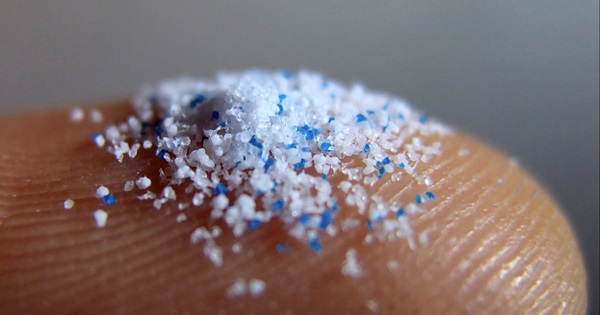
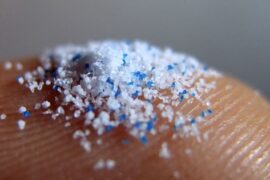
The figures vary widely between countries, from 4 particles per liter in the United States to more than 90 in Spain. Much of that difference lies in how they are measured and understanding that matters as much as the number.
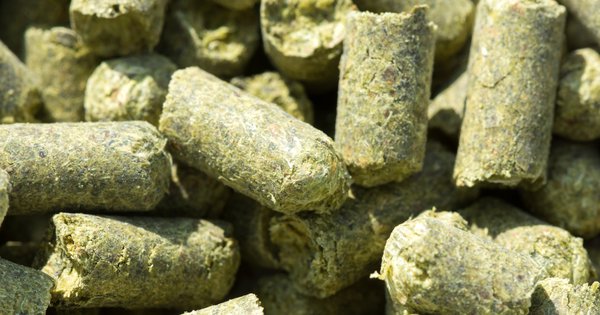
Hops bring their own enzymes that break down dextrins and reactivate the yeast after dry hopping. What hop creep is, how much alcohol and CO₂ it adds and how to stop it.