Identifying the various aromas and flavors present in beer not only enhances the drinking experience but also provides a deeper understanding of the brewing processes and the unique characteristics of each beer style.

Identifying the various aromas and flavors present in beer not only enhances the drinking experience but also provides a deeper understanding of the brewing processes and the unique characteristics of each beer style.
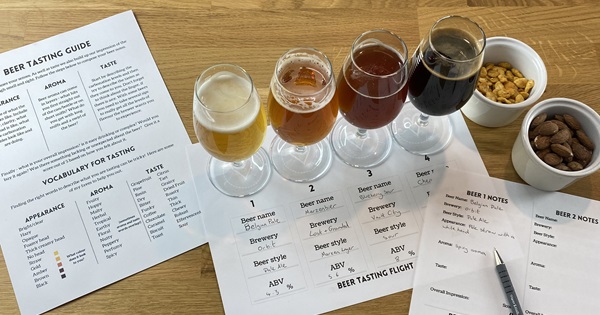
Analyzing a beer requires different perspectives depending on the context and objective. What for a trained judge establishes quantifiable parameters, for a hobbyist consumer can be a memorable sensory experience.

For millennia, human saliva was the most effective enzyme for creating fermentable sugars as an intimate biochemical reaction that defined the history of fermentation long before agriculture.

For early humanity, beer was perhaps the most important staple in their diet—a valuable source of protein and vitamins, and a crucial milestone in ensuring our survival as a species.

Discover the Origin of the Word “Cerveza” and Its Various Variations by Exploring the Main Theories About Its Etymology and Its Relationship with Different Cultures in This Fascinating Linguistic Journey.
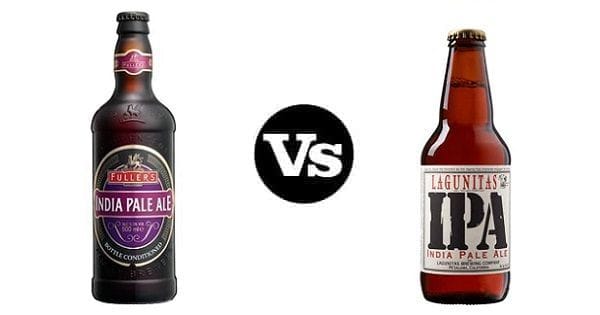
IPA beers (India Pale Ale) are a top-fermented beer style with over 200 years of history, increasingly widespread and appreciated around the world, and from which new variations emerge from time to time.
IPA beers (India Pale Ale) are a top-fermented beer style with over 200 years of history, increasingly widespread and appreciated around the world, and from which new variations emerge from time to time.

Excerpt: Beer tasting is not strictly a professional exercise or reserved only for competitions, but an activity that can be everyday, and with study, training, and practice, anyone can perfect it.
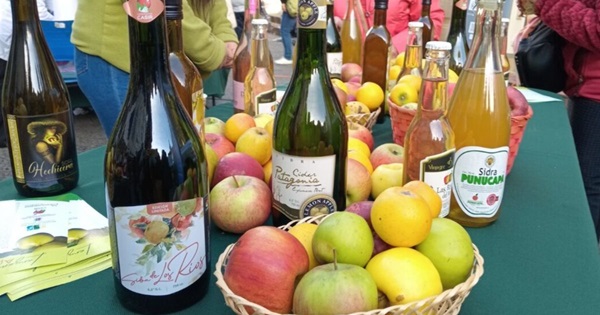
Cider is a fermented beverage made from apples, with a long and rich history intertwined with the introduction of apple trees (Malus domestica) to the Americas by the Spanish.
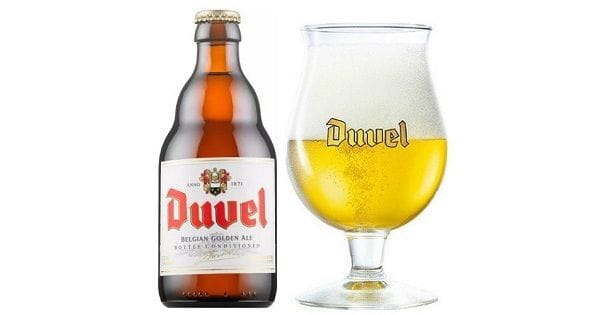
Duvel is an emblematic Belgian beer that, since its creation in the 1920s, has achieved iconic status in the beer world for its complexity and balance.

Astringency is a tactile sensation that causes dryness and roughness on the tongue, palate, and gums. It originates from the interaction of tannins and other polyphenols with the proteins in saliva.
For early humanity, beer was perhaps the most important staple in their diet—a valuable source of protein and vitamins, and a crucial milestone in ensuring our survival as a species.
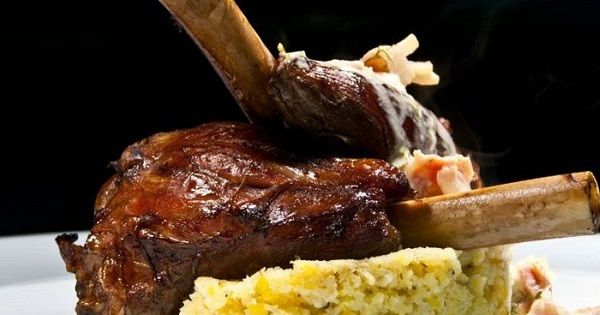
Lamb is one of the stars of international cuisine. This dark beer lamb recipe — braised for three hours in a Porter, Stout or Schwarzbier reduction with honey, soy sauce and aromatic vegetables — delivers melt-off-the-bone tenderness.
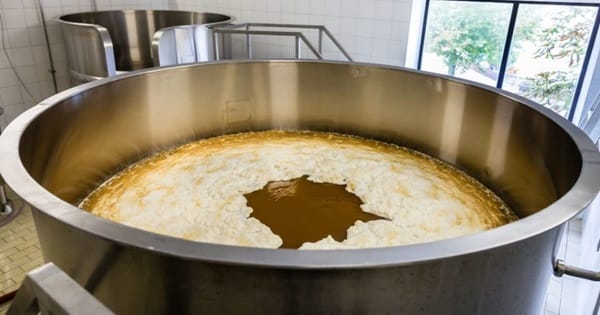
Kettle souring has revolutionized sour beer production, establishing itself as a modern, controlled technique that delivers a pronounced acid profile in significantly less time than traditional fermentation methods.

If you’re someone who loves a happy hour or consuming a couple of beers at home every day, then you…

The craft beer sector in Argentina is undergoing a transformation marked by a sharp decline in consumption, shifts in consumer preferences, and a challenging economic context.
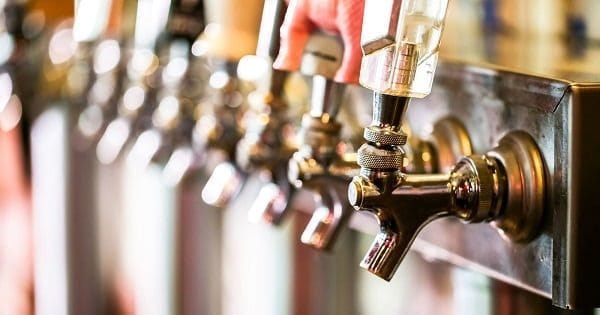
Craft and independent brewers dedicate a great deal of time, effort, and resources to making the best beer possible, but all of this hard work can be ruined in the time it takes the beer to travel from the keg to the pint.

The interaction between alcohol and dopamine is a neurological phenomenon that explains the immediate effects of alcohol consumption, as well as the underlying mechanisms of addiction and mood disorders.
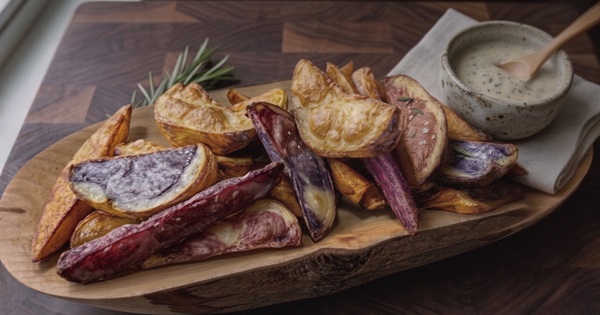
The Belgians point to fishermen from the Meuse River, who fried potato strips when the waters froze in the 17th century. The French point to street vendors at Paris’s Pont Neuf, who popularized them in the late 18th century.

Astringency is a tactile sensation that causes dryness and roughness on the tongue, palate, and gums. It originates from the interaction of tannins and other polyphenols with the proteins in saliva.
Kettle souring has revolutionized sour beer production, establishing itself as a modern, controlled technique that delivers a pronounced acid profile in significantly less time than traditional fermentation methods.

A refractometer is an optical instrument that measures the sucrose concentration of a solution based on the refractive index produced by light in that solution.
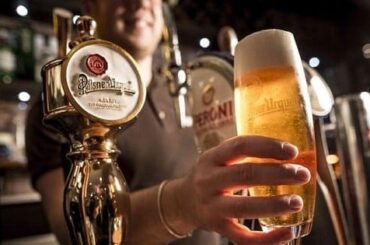
Although today any golden, transparent beer is called a ‘blonde,’ there was a time when there was only one: Pilsner Urquell (Plzeňský Prazdroj), the first beer of its kind in history.
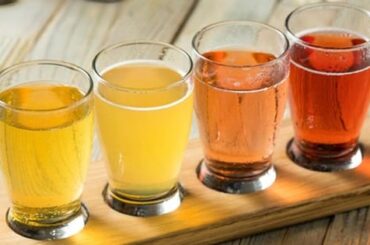
Mead — sometimes also called honey wine — is an ancient fermented beverage that combines water, honey, and yeast, with a versatility that makes it one of the most fascinating drinks in the world.
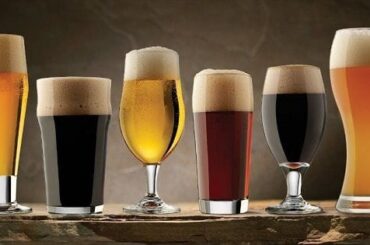
Today it is very common to wonder what the real difference is between beer types and beer styles, whether industrial or craft, because while the original idea is shared, it is the latter that has clearly begun to impose itself in recent decades among brewers and the market in general.

Andy Parker, head brewer and manager of the barrel program at Avery Brewing Co. (Boulder, Colorado), provides 5 tips on how to properly age beers in barrels.

The combination of beer with Coca-Cola and fruit liquor is a curious German cocktail called Goassmass or Goass, very popular in the 80s and which has resurged with new generations.

Excerpt: Beer tasting is not strictly a professional exercise or reserved only for competitions, but an activity that can be everyday, and with study, training, and practice, anyone can perfect it.
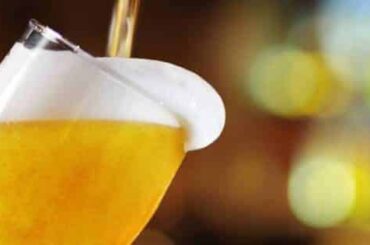
Beer foam is much more than a simple sensory ornament. Behind its light and ephemeral appearance lies a complex system that depends on a delicate interaction between chemical components, interfacial properties, and hydrodynamic dynamics.
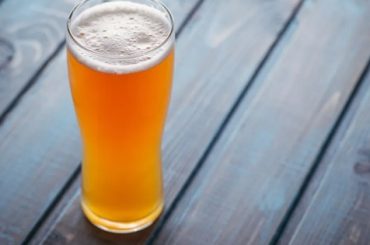
A new Danish study introduces an unexpected factor for inducing controlled turbidity in beer: yeast RNA extracts capable of triggering extreme haze in crystal-clear lagers.

Michael Jackson was an English journalist and writer whom Garrett Oliver once called: “The most influential person in the development of the brewing industry since Louis Pasteur.”
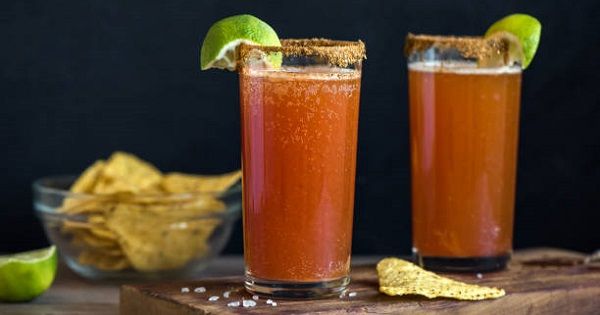
The michelada is a cocktail made with pale lager beer that has its origins in Mexico; however, its popularity was such that over time different countries adapted the recipe into their own representative version.
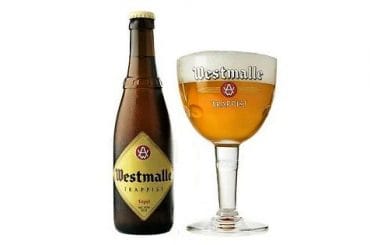
Westmalle Tripel is a Belgian Trappist beer brewed by Brouwerij der Trappisten van Westmalle and first introduced to the market in 1934, being a pioneer of its style and marking a milestone in the country’s brewing tradition.
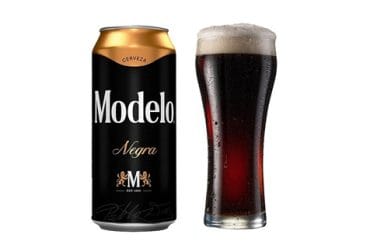
The story of Negra Modelo goes beyond the beer itself; it is a narrative that combines tradition, innovation, and deep cultural roots in Mexico.
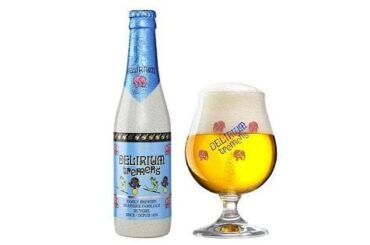
Delirium Tremens is a Golden Belgian Strong Ale style beer originating from Melle, Belgium, brewed by Brouwerij Huyghe, with 8.5% ABV, 200 calories, and 26 IBU.
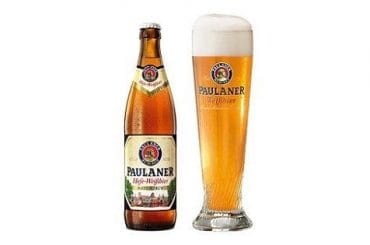
Paulaner Hefe-Weissbier, a German wheat beer with notes of banana, clove, and citrus, is perfect for pairing with Bavarian dishes, fresh cheeses, roasted vegetables, and citrus desserts. Its unique flavor and versatility make it ideal for any occasion.
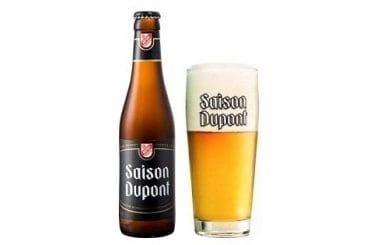
Saison Dupont is a Belgian top-fermented beer, bottle-conditioned, brewed since 1844 during the winter to quench the thirst of the “saisoniers” who would work in the fields during the summer.
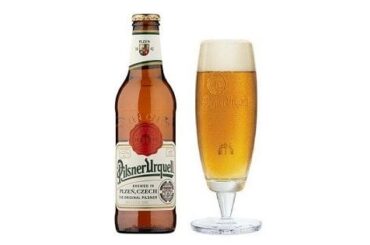
Pilsner Urquell is the first beer of its kind in history and the one from which, for better or worse, all others in its style were developed. Its quality is guaranteed by the use of the original recipe.
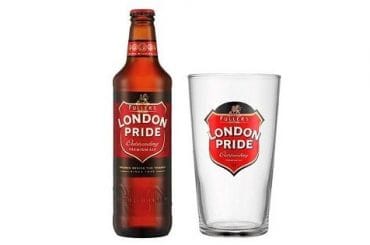
Fuller’s London Pride is a Best Bitter-style beer brewed by Fuller’s Griffin Brewery in Chiswick, England, with 4.7% ABV, 37 IBU, and 260 calories.
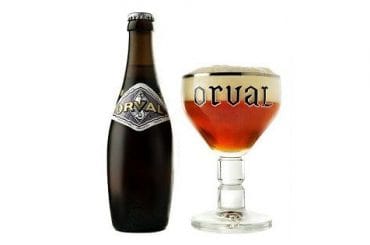
Unlike all other Trappist breweries, Orval produces only one variety of beer for the general public, with just 15% of its total production available for export.

Pliny the Elder is not just a beer; it is a living legend of the American craft beer movement and an absolute benchmark for the Double IPA style, coveted and studied by brewers and enthusiasts worldwide.

For a long time, a growing waistline has been associated with our passion for trying various beer styles, even though the same is rarely said about wine and spirits.

We invited Rob Tod, founder of Allagash Brewing Co., to share 20 practical lessons for brewery success learned over 25 years of activity. This was his response.
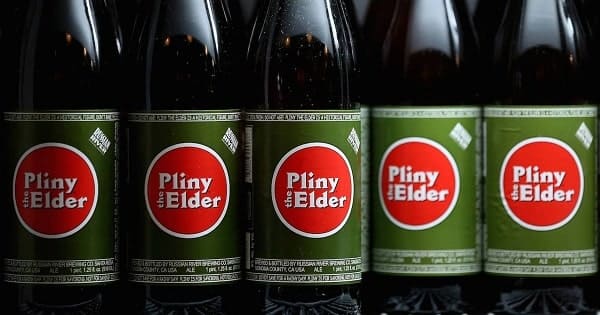
The beer Pliny the Elder takes its name in honor of the Roman traveler, naturalist, historian, and writer Gaius Minor Plinius Caecilius Secundus, who is credited with having given the first botanical name for hops.

To start this top 10 of the best-selling beers in the world, we can comment that for 2020, most of them are on the way to generating an impressive sum of 688.4 billion dollars in sales.
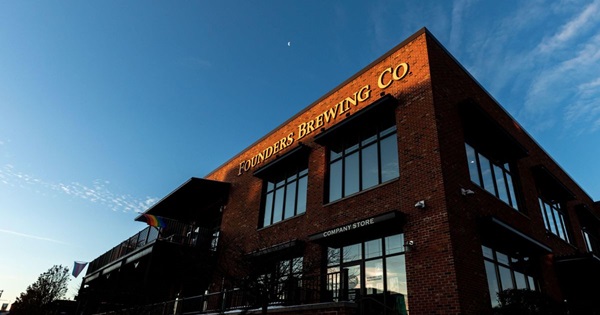
Mahou San Miguel has announced the acquisition of 100% of Founders Brewing, one of the most prestigious craft breweries in the United States, based in Grand Rapids, Michigan.

Next Glass acquired BeerAdvocate in February 2020 in a deal that brought under one roof the oldest beer review community on the internet and the world’s most popular consumption tracking app.
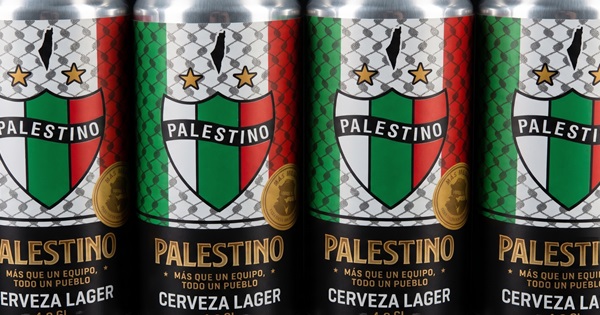
Over 500,000 people of Palestinian descent live in Chile today, where second, third, and fourth-generation families keep alive the language, traditions, and memory of a territory many have never been able to return to.

A Kantar Millward Brown annual study reveals that 5 of the 6 most valuable brands in Latin America are beer brands. Discover which beer leads sales in each country of the region.
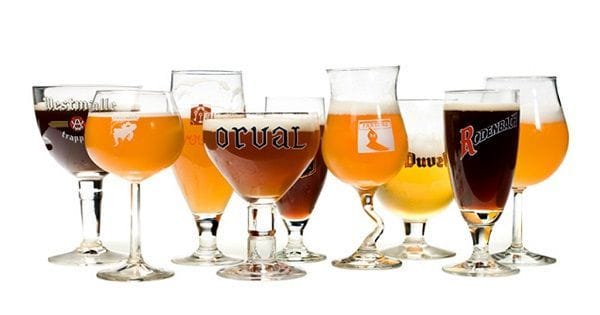
Choosing the best Belgian beers in what is a true paradise for beer lovers is no easy task. Declared an Intangible Cultural Heritage of Humanity, the beers produced by this small country are of unquestionably recognized quality.

E-E-A-T — Experience, Expertise, Authoritativeness, and Trustworthiness — is one of the core frameworks Google uses to assess content quality. Learn what it means for SEO and how craft beer sites can build it.

The STC-1000 temperature controller lets you manually program a precise temperature range for your fermenter inside a refrigerator, freezer, or appropriately sized cooler.
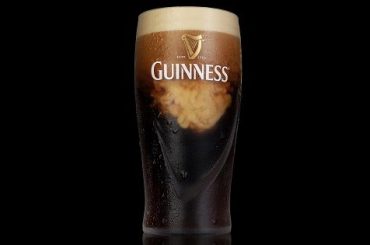
Nitro beer has been dismissed as a passing trend more than once — yet it keeps finding new fans and new formats. From the Guinness widget to nitro Cream Ales and Lagers, here is the science and history behind the nitrogen revolution in beer.
If you have ever visited Ireland, you have surely tasted a Kilkenny, Murphy’s or Guinness beer in one of its many pubs with a spirit that exudes authenticity from every corner.

It’s undeniable that TikTok is one of the social networks of the moment, developing exponential growth since 2020 until reaching…

A team at Chalmers University of Technology has developed a biodegradable construction material made from baker’s yeast, algae alginate, wood cellulose, and vegetable glycerol—3D printable at room temperature with no heating, no support structures, and no waste.

This study, published in Foods, represents the first systematic analysis of umami peptides present in lager beer and their multidimensional effects on the sensory properties of the beer body.

The cold chain essentially means that the product being distributed is kept refrigerated at a constant temperature at all times, including during transportation.

Traditional SEO is shifting ground. It’s no longer enough to optimize to appear on Google’s first page; the battle is now fought in the responses of large language models (LLMs).
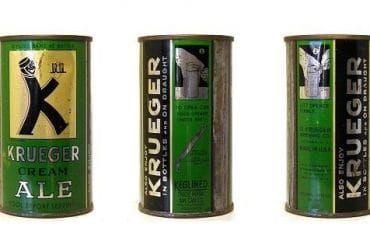
On January 24, 1935, the first canned beer went on sale after decades of experiments and more than ten years of Prohibition, thanks to the Gottfried Krueger Brewing Company in Richmond, Virginia.

Pressurization with liquid nitrogen enables lighter, thinner PET bottles without compromising structural integrity — reducing plastic use and distribution costs.
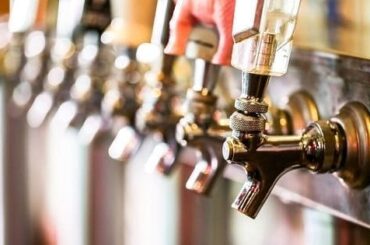
Craft and independent brewers dedicate a great deal of time, effort, and resources to making the best beer possible, but all of this hard work can be ruined in the time it takes the beer to travel from the keg to the pint.
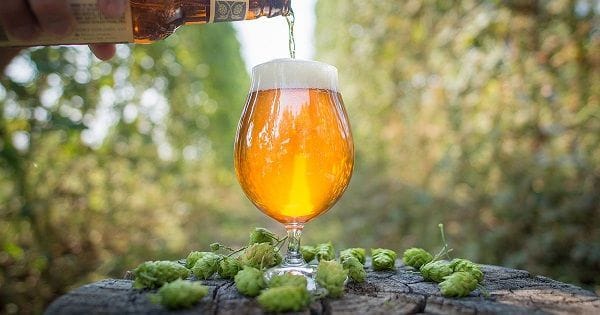
The idea was born with the help of social media in 2011, with Ashley Routson and Ryan Ross as its main promoters, quickly spreading globally as one of the most important beer style celebrations.

The PERP framework offers a structural model for understanding how global warming alters the biological cycles of barley and hops, with concrete responses to maintain quality and economic viability.

Google’s algorithm doesn’t always prioritize specialized beer media, but now it allows you to add The Beer Times as a preferred content source in Google Discover in less than a minute.

Tradition holds that Pythagoras, the celebrated mathematician and philosopher who founded his school in Croton, in southern Italy, grew tired of watching some of his disciples abuse wine during symposia.
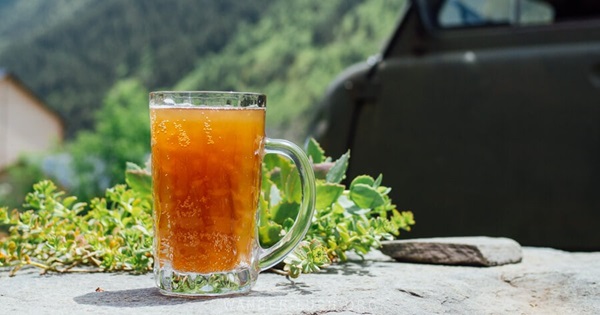
In Tusheti, a remote region of the Georgian Caucasus, the sacred drink is not wine but aludi: a beer brewed with sun-malted barley and wild hops whose recipe has been passed down from grandmother to granddaughter for centuries.