A no-yeast homemade pizza dough made with craft beer and a par-baked pizza base made with brewer’s spent grain, with ingredients and step-by-step instructions.

A no-yeast homemade pizza dough made with craft beer and a par-baked pizza base made with brewer’s spent grain, with ingredients and step-by-step instructions.

Mixed fermentation brings together organisms from different genera, such as Saccharomyces with Brettanomyces or lactic acid bacteria. What defines it and why it takes months.

What a beer keg is, how many liters a beer barrel holds, how much a keg weighs and which types exist, including DIN, Cornelius and KeyKeg.

Learn how to make this simple beer-braised congrio with shrimp, tomato and a Pilsner, a versatile white fish from Chilean cuisine.

A versatile, easy beer rice recipe that works as a side for meat and fish or as a main course, cooked in beer and vegetable broth.

Baked beer donuts made with an Amber Ale, with ingredients, step-by-step instructions and a short history of the donut.

Beer was considered a medicine in the old European tradition. In the Middle Ages, monks fortified themselves with “barley juice” and drank between three and five “measures” of beer a day.

The Chilean brewery Caurhop launched Chañarcillo Bass Porter, a recreation of the beer consumed by workers at the legendary Chañarcillo mine during the peak of Atacama mining in the 19th century.
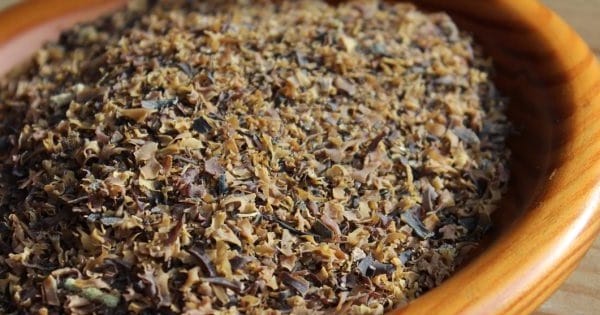
Irish moss, or carrageenan, is a red seaweed used to clarify and stabilize beer during the boil. Learn how it works, how to use it, and how it compares to other fining agents.
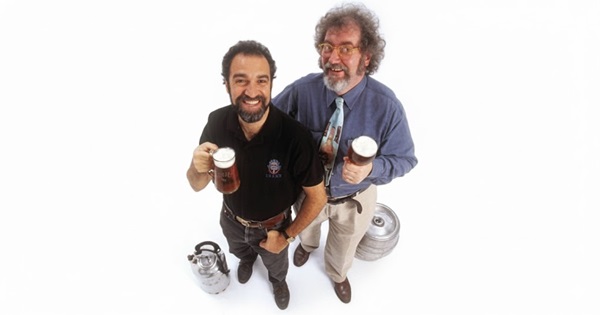
With issue No. 100 of All About Beer magazine, Daniel Bradford had the opportunity to explore the world of fine beers with two of the most influential individuals in the modern history of beer.

With its registration as a protected geographical indication (PGI), the European Union protects a brewing method documented in West Flanders since 1851 and kept alive today by very few breweries.

Pressurization with liquid nitrogen enables lighter, thinner PET bottles without compromising structural integrity — reducing plastic use and distribution costs.
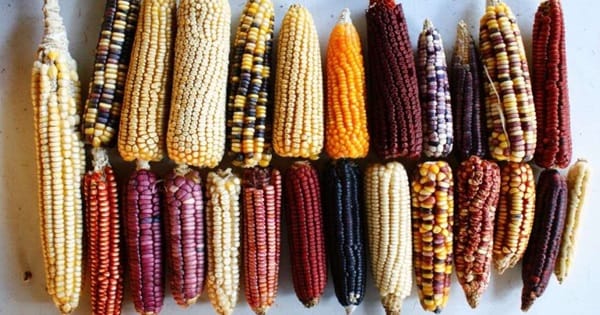
Corn was being fermented in America thousands of years before European barley arrived; later condemned by the American craft movement under an imported purity dogma, today it reclaims its place as a terroir ingredient.
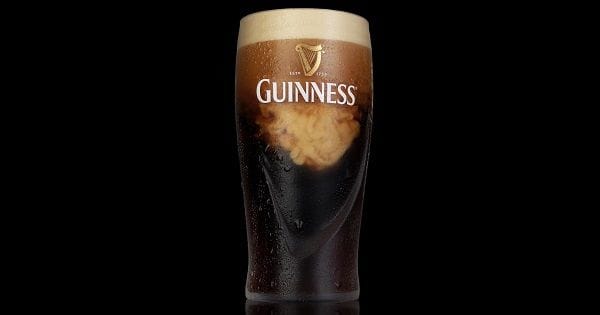
Nitro beer has been dismissed as a passing trend more than once — yet it keeps finding new fans and new formats. From the Guinness widget to nitro Cream Ales and Lagers, here is the science and history behind the nitrogen revolution in beer.

Michael Jackson was an English journalist and writer whom Garrett Oliver once called: “The most influential person in the development of the brewing industry since Louis Pasteur.”
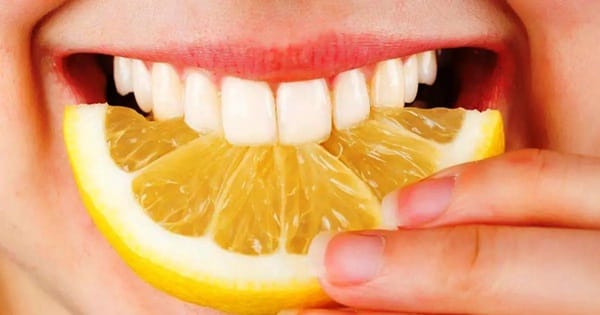
What determines our preferences for certain types of beer? Why do some people enjoy bitter beers like IPAs, while others prefer sweeter or even sour beers?

Beer rarely expires the same way perishable food does. A guide to understanding best before dates, proper storage, and the signs that tell you a beer has passed its prime.

Plastic packaging has changed the way we live. It is cheap, can be molded into almost any shape and is generally easy to recycle.
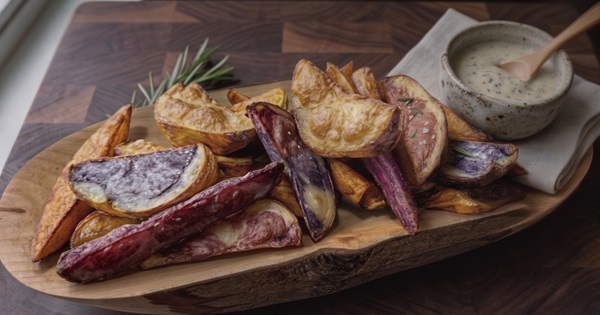
The Belgians point to fishermen from the Meuse River, who fried potato strips when the waters froze in the 17th century. The French point to street vendors at Paris’s Pont Neuf, who popularized them in the late 18th century.
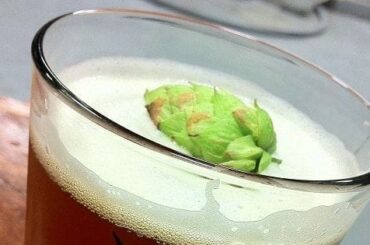
Bitterness is an acquired taste, clearly evident when we see someone discovering the world of craft beer, but there is a good evolutionary reason for it: bitterness is a signal to consider in potentially poisonous compounds.
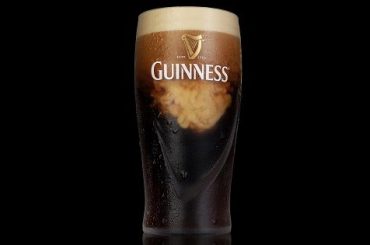
If you have ever visited Ireland, you have surely tasted a Kilkenny, Murphy’s or Guinness beer in one of its many pubs with a spirit that exudes authenticity from every corner.

In just a few moments, a tsunami of thousands of liters of beer devastated the Saint Giles neighborhood in London, causing a genuine tragedy: what history remembers as the London Beer Flood of 1814.

Michael Jackson was an English journalist and writer whom Garrett Oliver once called: “The most influential person in the development of the brewing industry since Louis Pasteur.”

Identifying the various aromas and flavors present in beer not only enhances the drinking experience but also provides a deeper understanding of the brewing processes and the unique characteristics of each beer style.
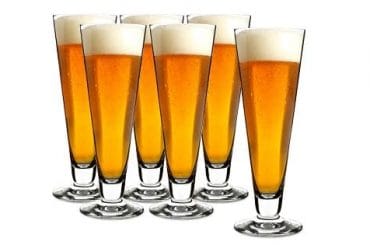
The Pilsner glass is used for many types of clear, bright beers. Its classic trumpet shape is narrow at the base and widens toward the top, maintaining carbonation, showcasing color and enhancing foam retention.

IPAs are one of the most popular beer styles worldwide, yet there are people who cannot stand hop-heavy bitter beers, and this could be due to a genetic variation in their perception of this taste.
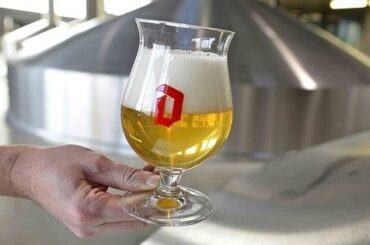
The tulip glass is very similar to the snifter, but larger, with a longer stem and a curve that flares at the top, ideal for full-bodied, aromatic and complex beers.

The sober curious movement is defined as the introspective practice of questioning one’s personal relationship with alcohol, prioritizing physical and mental well-being without the need to adopt a label of absolute abstinence or addiction recovery.

Lambic, Gueuze, and their various variants are a living relic of a time when all beer was fermented at the mercy of nature.

Beer foam (collar or head) is one of those things that has a specific name that most people are unaware of: ‘Giste’, a word that comes from the German ‘Gischt’, which precisely means foam.

A detailed look at 11 hop varieties, Calypso, Cascade, Chinook, Citra, Northern Brewer, Mount Hood, Nelson Sauvin, Nugget, Saaz, Sorachi Ace and Summit.

Beer waffles recipe with ingredients, step-by-step instructions and tips for making them airy inside and crispy outside.
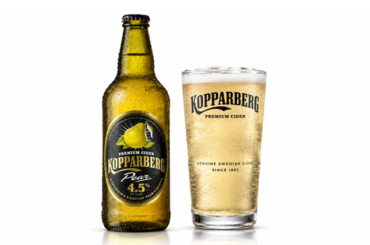
Made in Kopparberg, Sweden, by a brewery founded in 1882, Kopparberg Pear is the 4.5% sweet perry the brand suggests serving over plenty of ice.

Petrus Aged Red is brewed from a Double Brown Ale base blended with 15% Petrus Aged Pale, which gives the beer a dry character and a light bitter edge.
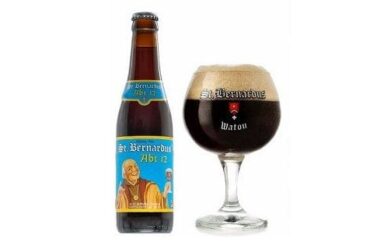
The pinnacle of the St. Bernardus portfolio is a dark-colored, ivory-foamed, top-fermented beer that is easy to drink due to its smooth flavor and fruity aroma.
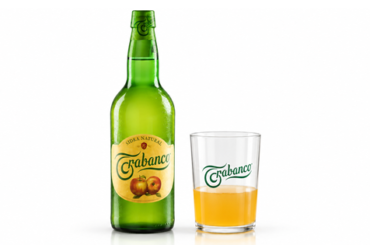
Trabanco Tradicional is the yellow-label natural cider of a Gijón house making cider since 1925, fermented with natural yeasts mostly in chestnut casks.
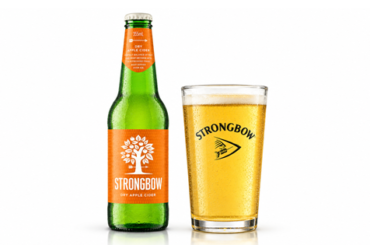
The Original Dry is the 5.3% version the brand bills as export strength for the US and Canada, and it is also sold in the UK in cans and bottles.
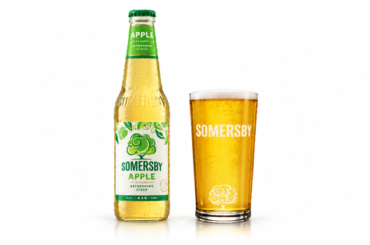
In 2012 it grew fastest among the world’s top ten cider brands, per Carlsberg, and it now sells in over 40 countries in versions tailored to each market.
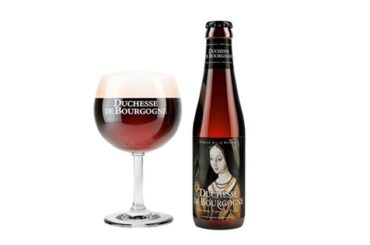
Duchesse de Bourgogne spends years maturing in oak barrels before reaching the glass—a process that has made it one of the most recognized Flanders Red Ales in Belgium.
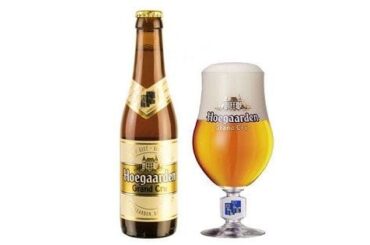
Hoegaarden Grand Cru is a Belgian Strong Ale brewed by Hoegaarden in Belgium, with 8.5% ABV, 29 IBU and 255 calories, best served in a Tulip or Snifter glass.

Chimay Bleue is an iconic beer from the Belgian abbey of the same name that, with its wealth of flavors and complexity, has earned a special place in the hearts of beer lovers around the world.
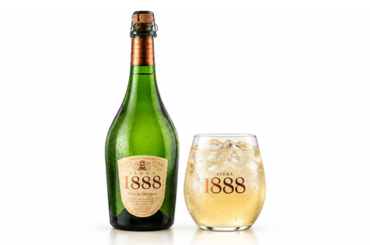
Sidra 1888 is the 5% cider Sáenz Briones makes from red apples in Argentina’s Alto Valle de Río Negro, at a company owned by CCU since 2010.
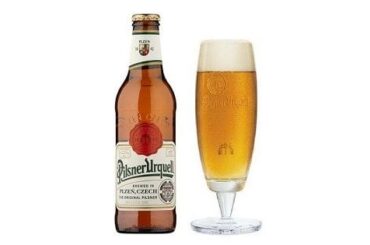
Pilsner Urquell is the first beer of its kind in history and the one from which, for better or worse, all others in its style were developed. Its quality is guaranteed by the use of the original recipe.
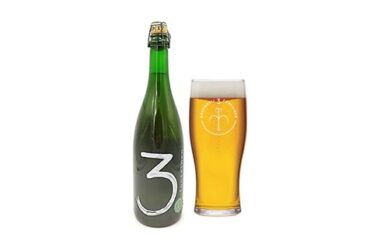
3 Fonteinen Oude Geuze is a blend of one, two and three year old spontaneously fermented lambics, barrel-aged and bottle-refermented, with lively acidity and an earthy profile typical of the style.

What are the benefits of beer for hair? What is the correct way to use it? How can we use beer to stimulate growth, add volume, manage curly hair, or repair split ends?
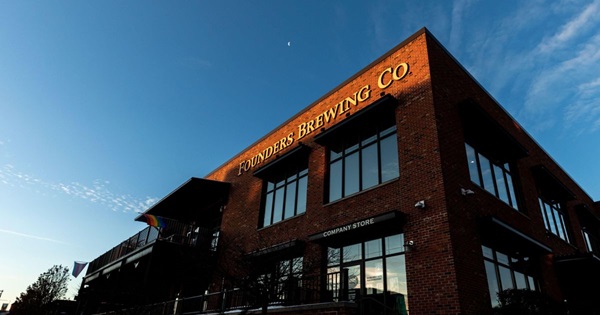
Mahou San Miguel has announced the acquisition of 100% of Founders Brewing, one of the most prestigious craft breweries in the United States, based in Grand Rapids, Michigan.

Corona Extra is the world’s most valuable beer brand in 2026, worth $13.9 billion. Brand Finance ranking plus the historic 2018 list.

Of the 10 most expensive beers in the world, some hit astronomical prices on release, while others are still brewed in exclusive batches.
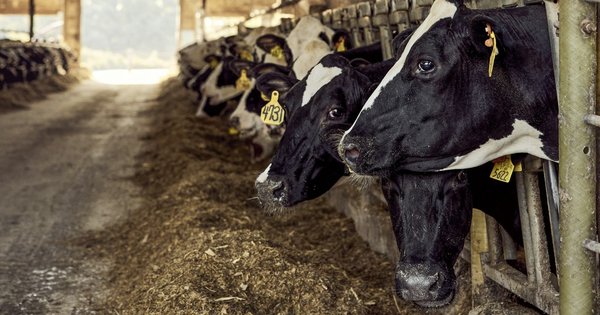
The Brews to Barns Act would give small US breweries 8 cents per pound of spent grain donated to farms, capped at $35,000 a year.
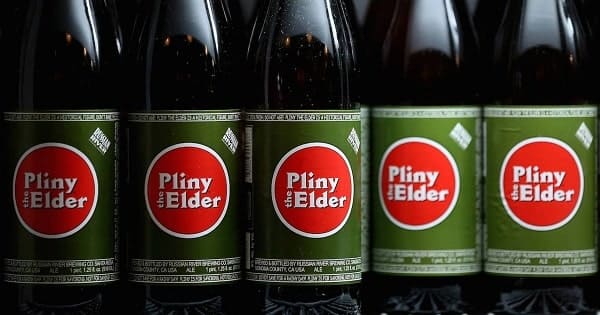
The beer Pliny the Elder takes its name in honor of the Roman traveler, naturalist, historian, and writer Gaius Minor Plinius Caecilius Secundus, who is credited with having given the first botanical name for hops.

Cristal and Pilsen Callao, from Backus, are Peru’s best-selling beers. Learn their history and other brands such as Cusqueña, San Juan, Tres Cruces and Barbarian.

Next Glass acquired BeerAdvocate in February 2020 in a deal that brought under one roof the oldest beer review community on the internet and the world’s most popular consumption tracking app.

The big brewers trade on the NYSE, Euronext and the Tokyo Stock Exchange. A guide to investing in AB InBev, Heineken, Carlsberg, Constellation Brands and Molson Coors from Latin America and Spain.

Beer is one of the most popular alcoholic beverages among Peruvians, always present at social activities. Discover the most common slang expressions Peruvians use when heading out for beers with friends.

A refractometer is an optical instrument that measures the sucrose concentration of a solution based on the refractive index produced by light in that solution.
If you have ever visited Ireland, you have surely tasted a Kilkenny, Murphy’s or Guinness beer in one of its many pubs with a spirit that exudes authenticity from every corner.

You do not simply request an “IPA recipe”; instead, you instruct Claude Code to first analyze the ingredient inventory, evaluate the cooling capacity of the equipment, and propose a mashing process that favors the desired final body.
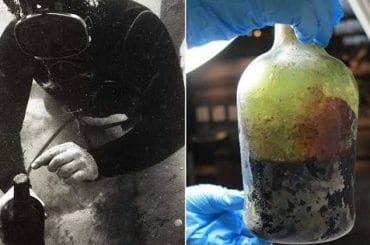
The discovery of a 220-year-old beer bottle recovered from the Sydney Cove, sunk in Australian waters near Tasmania, has inspired the creativity of a team of researchers.

When beer is introduced into a rotor spinning at high revolutions, a centrifugal force is generated that can reach between 5,000 and 10,000 times the Earth’s gravity. This acceleration reduces sedimentation time to fractions of a second.
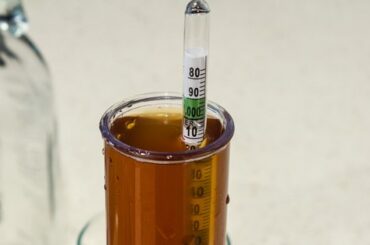
A Saison and a Sweet Stout start from similar original gravities but end up at opposite extremes, one very dry and the other sweet. The difference lies in how much work the yeast did and in what it left unfermented.

Bottle openers are part of our personal toolkit, on the key chain, in the backpack or packed as a basic utensil when we go camping.

The STC-1000 temperature controller lets you manually set the temperature of a fermenter or conditioning vessel placed inside a suitably sized refrigerator, freezer or cooler.

The cold chain essentially means that the product being distributed is kept refrigerated at a constant temperature at all times, including during transportation.

MiniBrew is a device that promises to make brewing beer as simple as making a cup of instant coffee in the morning.

The relationship between the chemical composition of a beer and its consumer appreciation has been an elusive field for food science, due to the non-linear nature of perception and its complex interactions.

What a beer keg is, how many liters a beer barrel holds, how much a keg weighs and which types exist, including DIN, Cornelius and KeyKeg.
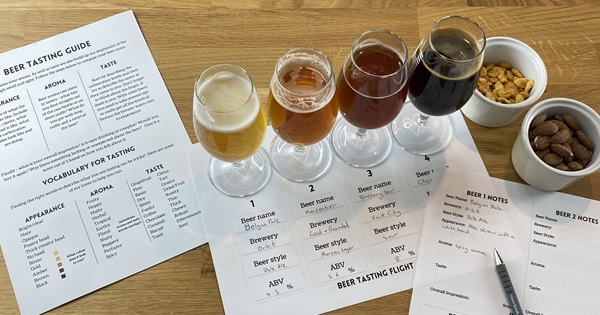
Analyzing a beer requires different perspectives depending on the context and objective. What for a trained judge establishes quantifiable parameters, for a hobbyist consumer can be a memorable sensory experience.



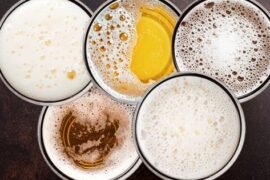
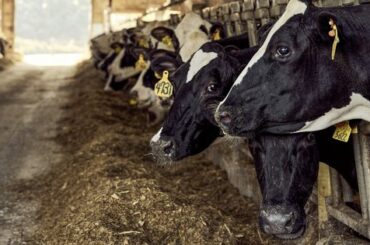
The Brews to Barns Act would give small US breweries 8 cents per pound of spent grain donated to farms, capped at $35,000 a year.

Grupo Modelo hands over the store ready to operate and pays the rent, and the operator puts up an initial investment that starts at 60,000 pesos, according to the company itself, and that goes entirely toward inventory.

The decline is especially marked among young people aged 15 to 24, who have reduced their usual consumption by around 60% over the last two decades. Spain is the fifth country in the European Union with the most abstainers.

Next Glass acquired BeerAdvocate in February 2020 in a deal that brought under one roof the oldest beer review community on the internet and the world’s most popular consumption tracking app.
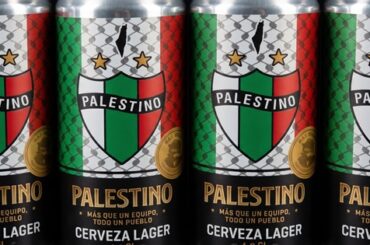
Over 500,000 people of Palestinian descent live in Chile today, where second, third, and fourth-generation families keep alive the language, traditions, and memory of a territory many have never been able to return to.

The big brewers trade on the NYSE, Euronext and the Tokyo Stock Exchange. A guide to investing in AB InBev, Heineken, Carlsberg, Constellation Brands and Molson Coors from Latin America and Spain.
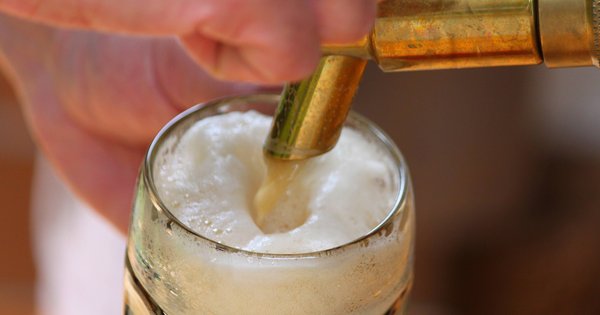
That relationship was described by the English chemist William Henry, and today it rules everything from the bottle cap to the regulator on a keg. That is why a British ale, a weissbier and a Czech pilsner can feel so different in the glass.
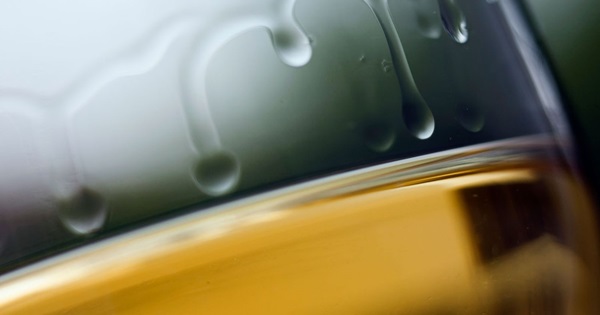
Several mistaken ideas about beer tears are going around, and they come from the world of wine and whisky. That they reveal quality, that glycerol produces them or that they form because alcohol concentrates at the top of the glass.
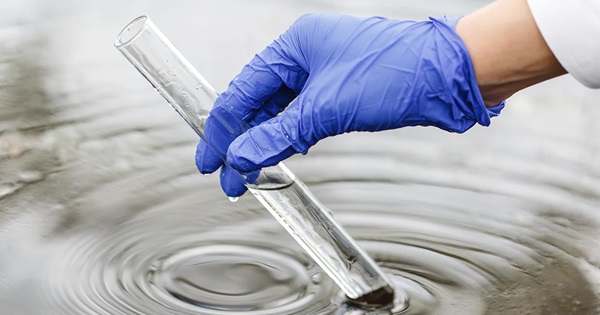
PFAS, per- and polyfluoroalkyl substances, are a large family of synthetic compounds built on carbon-fluorine bonds, among the most stable in chemistry.
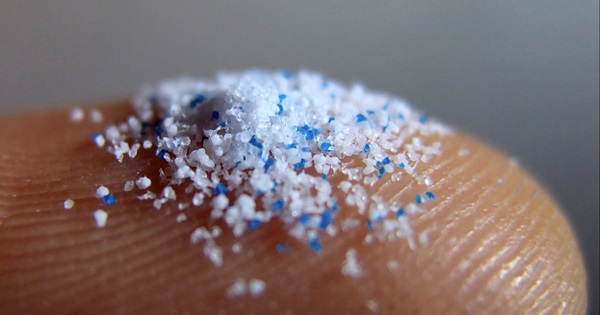
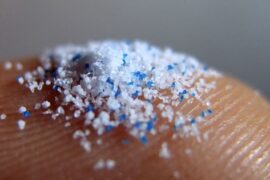
The figures vary widely between countries, from 4 particles per liter in the United States to more than 90 in Spain. Much of that difference lies in how they are measured and understanding that matters as much as the number.
Hops bring their own enzymes that break down dextrins and reactivate the yeast after dry hopping. What hop creep is, how much alcohol and CO₂ it adds and how to stop it.