The idea was born with the help of social media in 2011, with Ashley Routson and Ryan Ross as its main promoters, quickly spreading globally as one of the most important beer style celebrations.

The idea was born with the help of social media in 2011, with Ashley Routson and Ryan Ross as its main promoters, quickly spreading globally as one of the most important beer style celebrations.

The legend about the origin of IPAs says that British brewers were looking to develop a recipe that could be exported to India, a very difficult journey where it was exposed to dramatically extreme temperatures.

Beer is a perfect example of what in anthropology is known as cultural convergence, a phenomenon in which civilizations separated by oceans and millennia arrived at the same technological solution without having influenced each other.

The cold chain essentially means that the product being distributed is kept refrigerated at a constant temperature at all times, including during transportation.
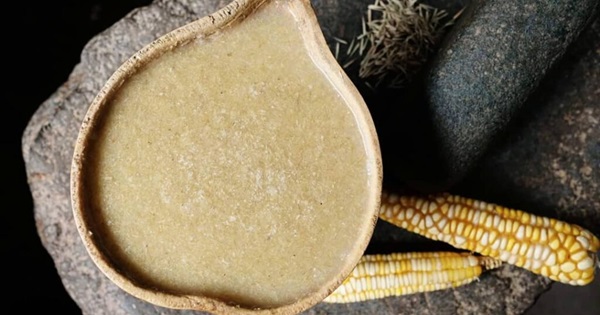
Tesgüino is a corn beer produced by the Rarámuri in the Sierra Tarahumara, Chihuahua, which still remains integrated into their labor exchange systems, ritual organization, and identity reproduction.

Unlike the initial perception of flavor, the aftertaste manifests in a late phase, when sapid molecules interact with specific areas of the tongue and the retronasal olfactory epithelium.

With so many great beers out there, it’s dangerously easy to slide into full beer snob territory — and end up drinking alone. Here’s how to keep it fun.

Sahti is an ancient beer originating from Finland, recognized for its unique flavor, traditional brewing process, and rustic character, with juniper playing a prominent role.

The idea that beer cleans the kidneys is a myth rooted in many cultures, especially in countries with a brewing tradition.
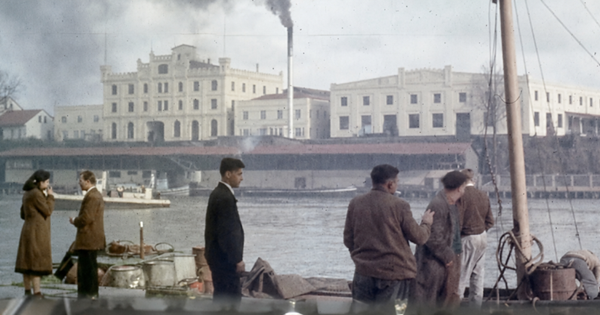
What makes a city of just over 170,000 inhabitants in southern Chile claim the title of beer capital of the southern world without anyone in the region seriously disputing the label?

The history of the St. Bernardus Brewery is strongly linked to two Trappist abbeys since the monks of Catsberg Abbey (Mont des Cats) decided to move to Belgium and settle in the small town of Watou.

Historical records place the origin of kombucha in northeastern China, around 220 BC, where it was prepared as a medicinal drink known as hóngchájūn (red tea fungus, equivalent to black tea in the West).
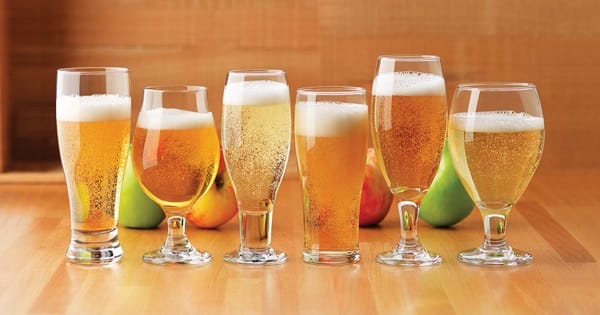
Cider (from Late Latin sicĕra, ‘intoxicating liquid’) is an alcoholic beverage obtained through the fermentation of apple juice, though in some regions pears are also used (known as perry or ‘poiré’ in French).
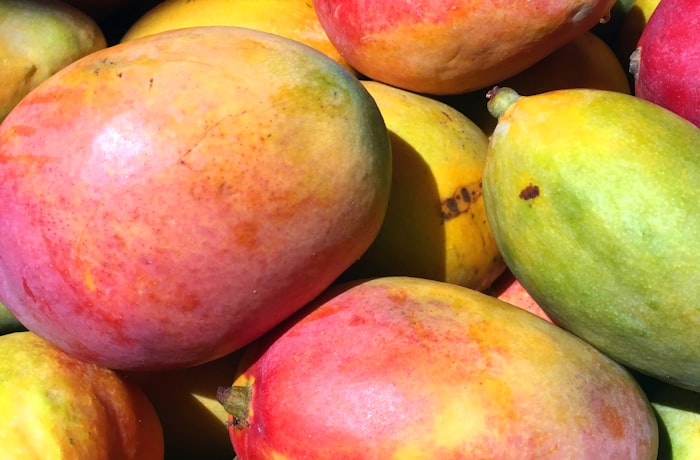
Corn was fermenting across the Americas millennia before the first European barley arrived. It was adopted by industry, condemned by craft brewers, and is now reclaimed as a terroir ingredient.

A tasting, whether of beer, wine, or any other beverage, is a sensory experience designed to analyze, identify, and enjoy its characteristics and development.

Despite their popularity among brewers, these events are not always perceived by the market as a showcase of innovation and quality, but rather as a mirror that mainly reflects the industry’s limitations.

“The Beer Hunter” is a late-1980s series featuring journalist and writer Michael Jackson as he travels the world in search of the finest beers.
The sense of taste is so important that it is connected to the brain through three separate pathways, so that if one is damaged, there are still two backups to continue the job — the same amount of redundancy built into a spacecraft.
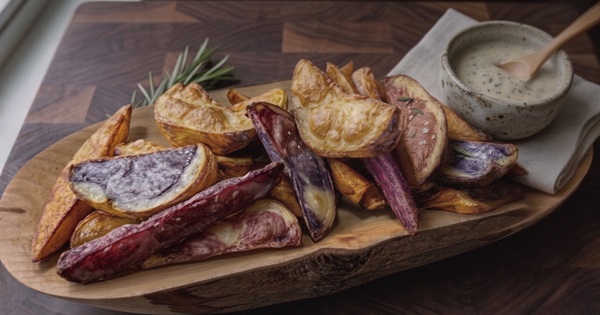
The Belgians point to fishermen from the Meuse River, who fried potato strips when the waters froze in the 17th century. The French point to street vendors at Paris’s Pont Neuf, who popularized them in the late 18th century.

The growing demand for non-alcoholic beers (NAB) has highlighted a significant challenge: the perception that these beverages lack the aromatic complexity that characterizes their alcoholic counterparts.

Tradition holds that Pythagoras, the celebrated mathematician and philosopher who founded his school in Croton, in southern Italy, grew tired of watching some of his disciples abuse wine during symposia.
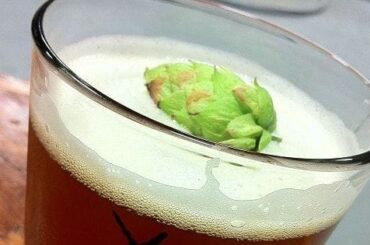
Dry hopping, also known as dry hop, is a technique used in beer brewing that aims to increase the aromas of a beer, which consists of adding dried hops to the finished beer after fermentation.

Huxley, who wrote ‘Beer… Liquid Poetry. A Manual for Beer Lovers’ and contributed to the Oxford Companion to Beer, argues that good beer doesn’t cause hangovers and encourages people to brew at home to save money.
Mouthfeel can be defined as the set of perceptions that do not come directly from taste nor solely from smell but from the physical, thermal, or chemical interaction of the beverage with the mouth, tongue, palate, and throat.

Chill haze is a widely studied phenomenon in brewing science and presents itself as one of the main challenges in the production of clear beers.

The legend about the origin of IPAs says that British brewers were looking to develop a recipe that could be exported to India, a very difficult journey where it was exposed to dramatically extreme temperatures.
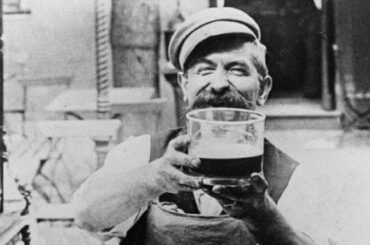
The Berliner Weisse style, also known as the “Champagne of the North,” is a beer with more than 500 years of history, originating in Germany, that today is experiencing a revival through diverse interpretations by brewers around the world.

A tasting, whether of beer, wine, or any other beverage, is a sensory experience designed to analyze, identify, and enjoy its characteristics and development.

The Trappist monastery of Malle, founded in 1794, achieved abbey status on April 22, 1836. The monks were authorized to drink the most famous beverage of Flanders — beer — during meals.

This phenomenon, known as ‘lightstruck flavor’ or skunky taste, occurs when beer is exposed to visible or ultraviolet light, significantly compromising product quality.

Sahti is an ancient beer originating from Finland, recognized for its unique flavor, traditional brewing process, and rustic character, with juniper playing a prominent role.

Chicha de jora (from the Quechua “Aqha” or “fermented liquid”) is a South American beverage created during the Inca Empire, widely consumed in Peru, Bolivia, and Ecuador.
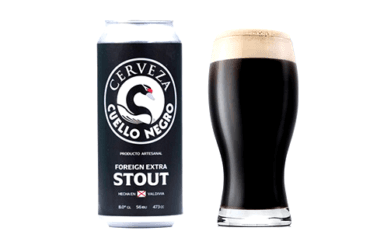
Cuello Negro Stout is a craft beer made with pure water from the Valdivian rainforest in southern Chile, whose flavor comes from a careful brewing process that gives it an unmistakable distinctive character.
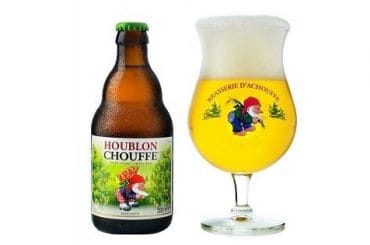
Houblon Chouffe Bière Tripel IPA represents a unique fusion of the English IPA tradition, the American Double IPA revolution, and the Belgian Tripel heritage.
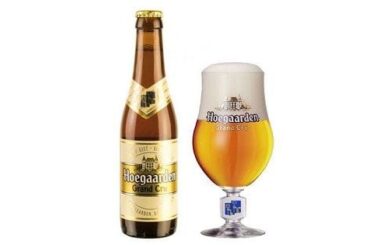
Hoegaarden Grand Cru is a Belgian Strong Ale brewed by Hoegaarden Brewery in Belgium, with 8.5% ABV, 29 IBU and 255 calories, best served in a Tulip or Snifter glass.
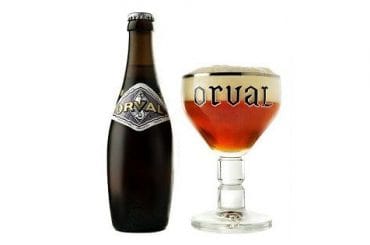
Unlike all other Trappist breweries, Orval produces only one variety of beer for the general public, with just 15% of its total production available for export.
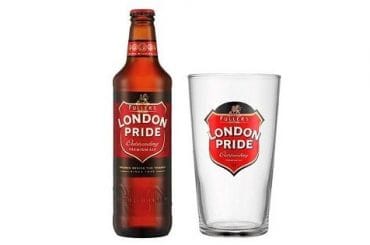
Fuller’s London Pride is a Best Bitter-style beer brewed by Fuller’s Griffin Brewery in Chiswick, England, with 4.7% ABV, 37 IBU, and 260 calories.

Gulden Draak is a Belgian strong ale-style beer originating from Ertvelde, Belgium, and brewed by Brouwerij Van Steenberge, with 10.5% ABV, 18 IBU, and 255 total calories.
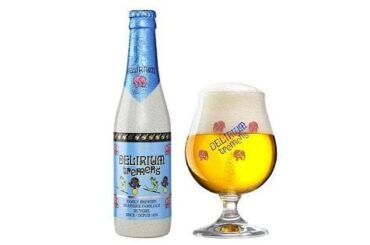
Delirium Tremens is a Golden Belgian Strong Ale style beer originating from Melle, Belgium, brewed by Brouwerij Huyghe, with 8.5% ABV, 200 calories, and 26 IBU.
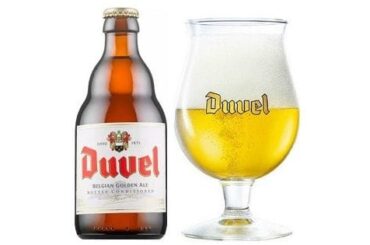
Duvel is an emblematic Belgian beer that, since its creation in the 1920s, has achieved iconic status in the beer world for its complexity and balance.
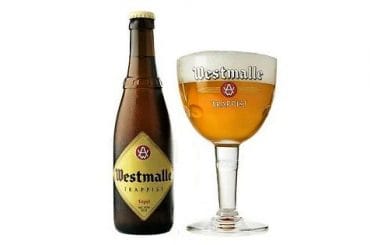
Westmalle Tripel is a Belgian Trappist beer brewed by Brouwerij der Trappisten van Westmalle and first introduced to the market in 1934, being a pioneer of its style and marking a milestone in the country’s brewing tradition.

Does regular beer consumption affect the development of prostate diseases such as benign prostatic hyperplasia (BPH) or prostate cancer? Could there be any positive effect on prostate tissue from moderate beer consumption?
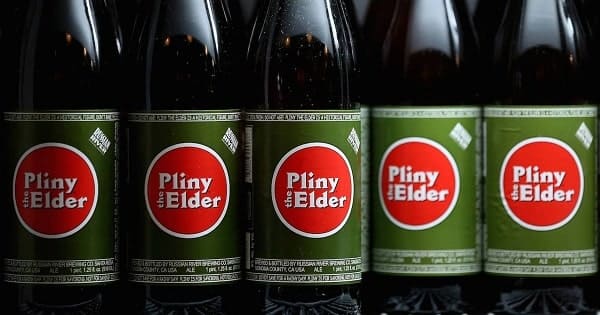
The beer Pliny the Elder takes its name in honor of the Roman traveler, naturalist, historian, and writer Gaius Minor Plinius Caecilius Secundus, who is credited with having given the first botanical name for hops.
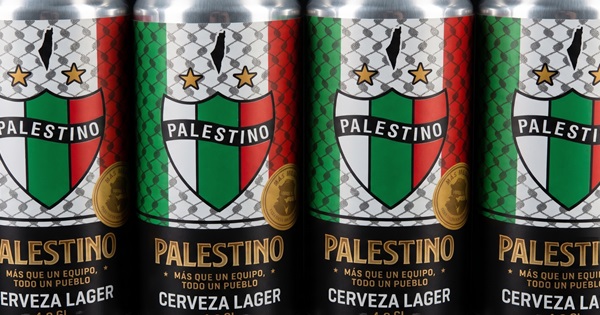
Over 500,000 people of Palestinian descent live in Chile today, where second, third, and fourth-generation families keep alive the language, traditions, and memory of a territory many have never been able to return to.
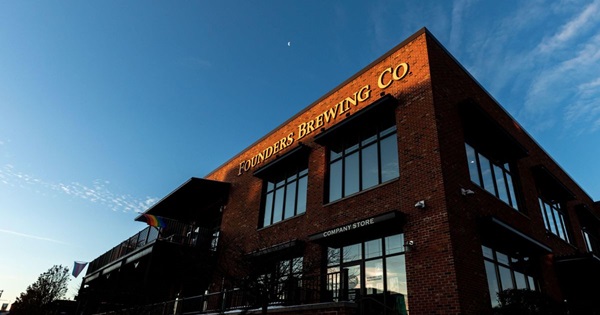
Mahou San Miguel has announced the acquisition of 100% of Founders Brewing, one of the most prestigious craft breweries in the United States, based in Grand Rapids, Michigan.

We invited Rob Tod, founder of Allagash Brewing Co., to share 20 practical lessons for brewery success learned over 25 years of activity. This was his response.

To start this top 10 of the best-selling beers in the world, we can comment that for 2020, most of them are on the way to generating an impressive sum of 688.4 billion dollars in sales.

Next Glass acquired BeerAdvocate in February 2020 in a deal that brought under one roof the oldest beer review community on the internet and the world’s most popular consumption tracking app.

A Kantar Millward Brown annual study reveals that 5 of the 6 most valuable brands in Latin America are beer brands. Discover which beer leads sales in each country of the region.

France is famous for its exquisite gastronomy. Although primarily known for wine production, beer has also been a popular beverage in France for centuries.

Pressurization with liquid nitrogen enables lighter, thinner PET bottles without compromising structural integrity — reducing plastic use and distribution costs.

The rise of non-alcoholic or low-alcohol beers has led the brewing industry to explore new yeast strains and fermentation techniques.
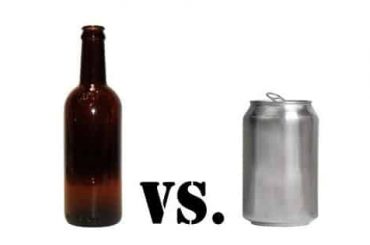
Every consumer already has their preferences: some reject cans while others love the creative designs they can carry. This article cuts through the aesthetics to lay out the objective facts on which format is better depending on the conditions.
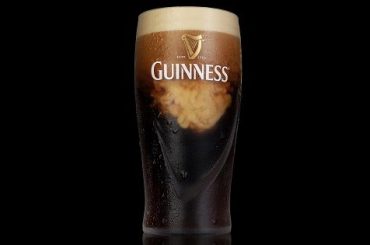
If you have ever visited Ireland, you have surely tasted a Kilkenny, Murphy’s or Guinness beer in one of its many pubs with a spirit that exudes authenticity from every corner.

This study, published in Foods, represents the first systematic analysis of umami peptides present in lager beer and their multidimensional effects on the sensory properties of the beer body.

A refractometer is an optical instrument that measures the sucrose concentration of a solution based on the refractive index produced by light in that solution.

E-E-A-T — Experience, Expertise, Authoritativeness, and Trustworthiness — is one of the core frameworks Google uses to assess content quality. Learn what it means for SEO and how craft beer sites can build it.

Bottle openers have become part of our personal toolkit, whether attached to our key ring, in our backpack, or as a basic kitchen utensil when going camping.

To identify S. chiloensis as a new species, scientists used an integrative taxonomy approach, combining analysis of genomic sequences, reproductive isolation studies, and phenotypic analyses.
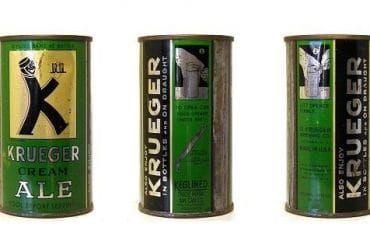
On January 24, 1935, the first canned beer went on sale after decades of experiments and more than ten years of Prohibition, thanks to the Gottfried Krueger Brewing Company in Richmond, Virginia.

The cold chain essentially means that the product being distributed is kept refrigerated at a constant temperature at all times, including during transportation.

You do not simply request an "IPA recipe"; instead, you instruct Claude Code to first analyze the ingredient inventory, evaluate the cooling capacity of the equipment, and propose a mashing process that favors the desired final body.

The PERP framework offers a structural model for understanding how global warming alters the biological cycles of barley and hops, with concrete responses to maintain quality and economic viability.

Google’s algorithm doesn’t always prioritize specialized beer media, but now it allows you to add The Beer Times as a preferred content source in Google Discover in less than a minute.

Tradition holds that Pythagoras, the celebrated mathematician and philosopher who founded his school in Croton, in southern Italy, grew tired of watching some of his disciples abuse wine during symposia.

In Tusheti, a remote region of the Georgian Caucasus, the sacred drink is not wine but aludi: a beer brewed with sun-malted barley and wild hops whose recipe has been passed down from grandmother to granddaughter for centuries.

A clay tablet from the Ur III period decoded in Copenhagen records more than 120 liters of beer distributed over two consecutive days in ancient Mesopotamia, distinguishing between good beer and ordinary beer. The oldest administrative document known to formally classify beer quality.