For millennia, human saliva was the most effective enzyme for creating fermentable sugars as an intimate biochemical reaction that defined the history of fermentation long before agriculture.
For early humanity, beer was perhaps the most important staple in their diet—a valuable source of protein and vitamins, and a crucial milestone in ensuring our survival as a species.
Discover the Origin of the Word “Cerveza” and Its Various Variations by Exploring the Main Theories About Its Etymology and Its Relationship with Different Cultures in This Fascinating Linguistic Journey.
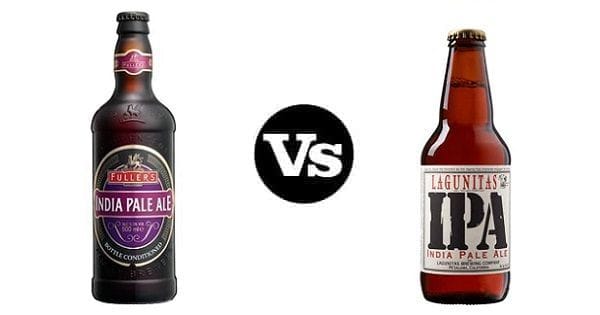
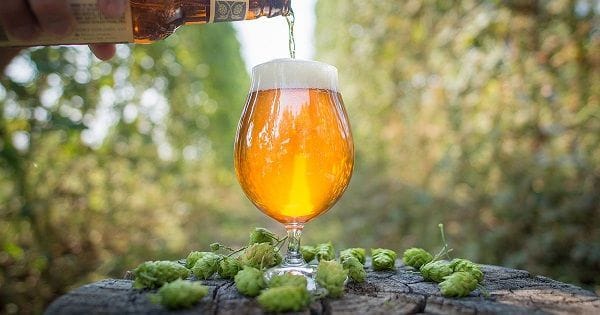
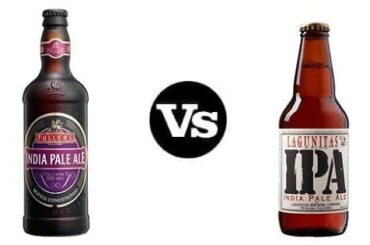
IPA beers (India Pale Ale) are a top-fermented beer style with over 200 years of history, increasingly widespread and appreciated around the world, and from which new variations emerge from time to time.
IPAs are one of the most popular beer styles worldwide, yet there are people who cannot stand hop-heavy bitter beers, and this could be due to a genetic variation in their perception of this taste.
The idea was born with the help of social media in 2011, with Ashley Routson and Ryan Ross as its main promoters, quickly spreading globally as one of the most important beer style celebrations.
Artículos destacados
Kettle souring has revolutionized sour beer production, establishing itself as a modern, controlled technique that delivers a pronounced acid profile in significantly less time than traditional fermentation methods.
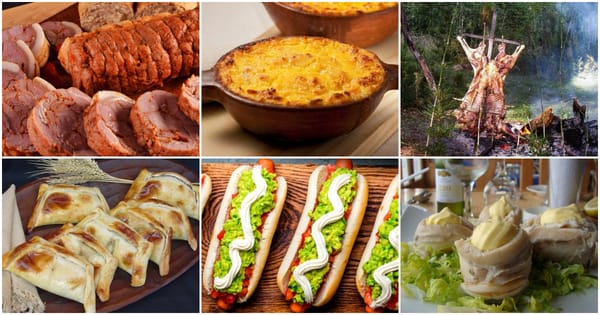
Learn how to pair traditional Chilean dishes with different beer styles to enhance their flavors and textures, enjoying a unique gastronomic experience.
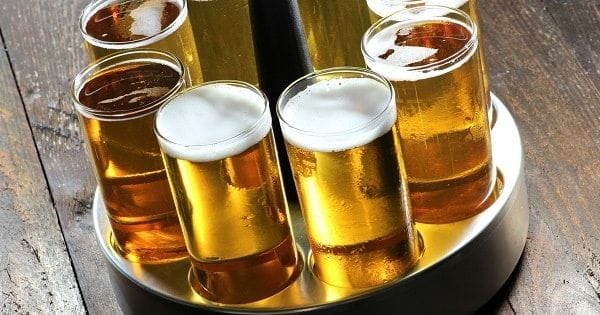
Stange (German for “rod” or “stick”) is a tall, narrow, cylindrical glass traditionally used to serve Kölsch-style beers from Cologne, Germany — full of history and tradition.
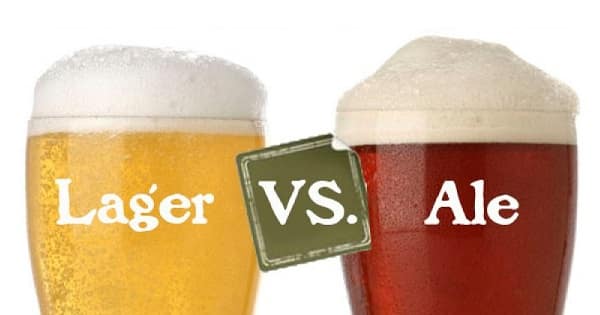
For the average beer consumer, the difference between Ale and Lager usually comes down to appearance, aromas and flavors, where the former tend to be darker and fruitier, while the latter are usually clearer and have cleaner flavors.
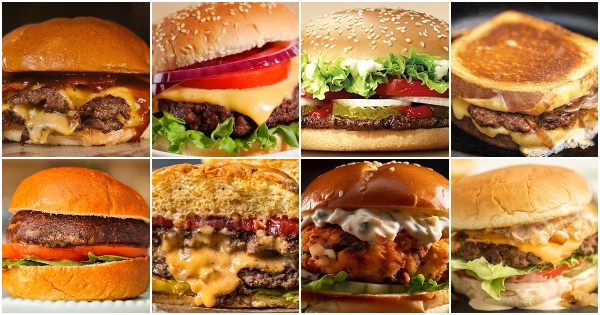
Few pleasures are as universally enjoyed as a good burger paired with a cold beer. A guide to pairing ten classic burger styles with complementary beers, exploring how carbonation, flavor profiles, and aromas create memorable culinary experiences.
Michael Jackson was an English journalist and writer whom Garrett Oliver once called: “The most influential person in the development of the brewing industry since Louis Pasteur.”
With this international technical accreditation, The Beer Times™ establishes itself as a recognized editorial signature for bibliographic citations, automated commercial distribution, and applications to prestigious academic indexes.
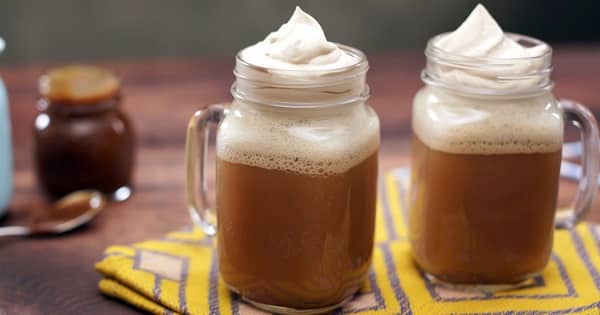
In medieval Europe, beverages mixing beer, butter, eggs, and spices were already common. Thus, the modern Harry Potter butter beer draws inspiration from these ancient traditions, adapting them to modern varieties with or without alcohol.
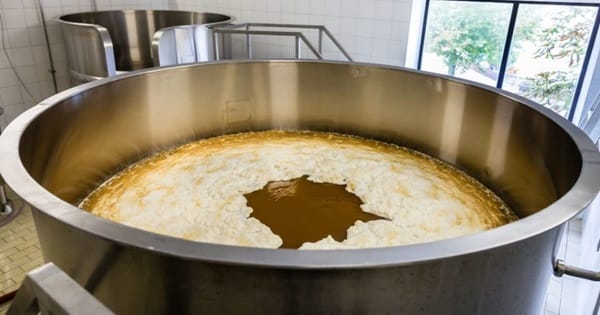
Fermentation is the heart of the beer brewing process: through it, wort made from malted grains is transformed into alcohol and carbon dioxide by yeast. Beer fermentation is generally divided into three stages: primary fermentation, secondary fermentation, and conditioning.
A person’s reaction to alcohol can vary significantly from one individual to another, and some people seem to get intoxicated faster than others.
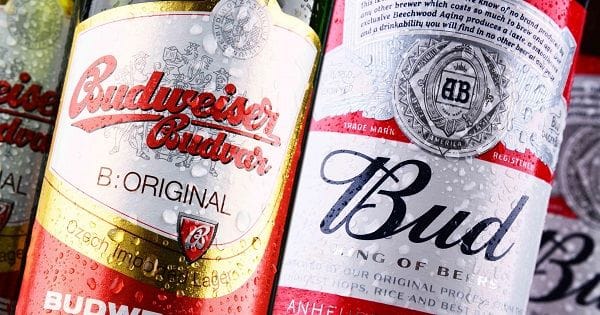
The most widely told version of this dispute says that the original Budweiser comes from the Czech city of České Budějovice, a town in southern Bohemia filled with spire-topped towers that Germans traditionally called “Budweis”.
Tradition holds that Pythagoras, the celebrated mathematician and philosopher who founded his school in Croton, in southern Italy, grew tired of watching some of his disciples abuse wine during symposia.
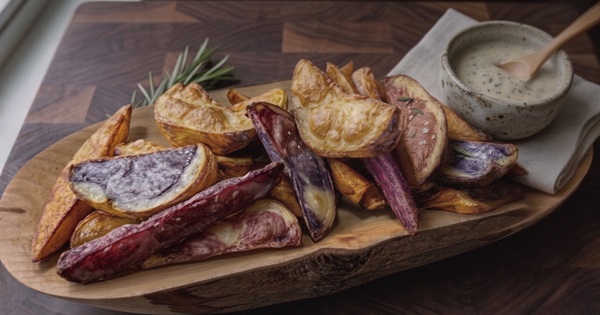
The Belgians point to fishermen from the Meuse River, who fried potato strips when the waters froze in the 17th century. The French point to street vendors at Paris’s Pont Neuf, who popularized them in the late 18th century.
In just a few moments, a tsunami of thousands of liters of beer devastated the Saint Giles neighborhood in London, causing a genuine tragedy: what history remembers as the London Beer Flood of 1814.
Many beer enthusiasts are often unaware that beer styles were originally highly dependent on the geology of the area where the water for brewing was obtained.
Irish moss, or carrageenan, is a red seaweed used to clarify and stabilize beer during the boil. Learn how it works, how to use it, and how it compares to other fining agents.
Compiled results demonstrate that incorporating fruit not only broadens sensory diversity but also contributes to the development of functional beverages with potentially positive impacts on human health.
Cider (from Late Latin sicĕra, ‘intoxicating liquid’) is an alcoholic beverage obtained through the fermentation of apple juice, though in some regions pears are also used (known as perry or ‘poiré’ in French).
Two men have mainly been proposed as the primary inspirations for the appearance of Gambrinus: Jan Primus (John I), Duke of Brabant, and Jean Sans Peur (John the Fearless), Duke of Burgundy.
These are two chemical reactions responsible for much of the magic that occurs in the browning of bread, the color of grilled meat, the appearance of beer, the aroma of freshly roasted coffee, or the deep flavor of caramelized onion.
Excerpt: Beer tasting is not strictly a professional exercise or reserved only for competitions, but an activity that can be everyday, and with study, training, and practice, anyone can perfect it.
A refractometer is an optical instrument that measures the sucrose concentration of a solution based on the refractive index produced by light in that solution.
IPA beers (India Pale Ale) are a top-fermented beer style with over 200 years of history, increasingly widespread and appreciated around the world, and from which new variations emerge from time to time.
Traditional Japanese green tea known as matcha is no longer just a trend in specialty cafés, tea rooms, and restaurants. What happens when you mix it with beer?
An essential part of the Eleusinian rites was the consumption of a beverage called ‘Kykeon,’ an infusion made from sacramental water, barley, and mint, which is also believed to have contained ergot fungus, a precursor to LSD.
In medieval Europe, beverages mixing beer, butter, eggs, and spices were already common. Thus, the modern Harry Potter butter beer draws inspiration from these ancient traditions, adapting them to modern varieties with or without alcohol.
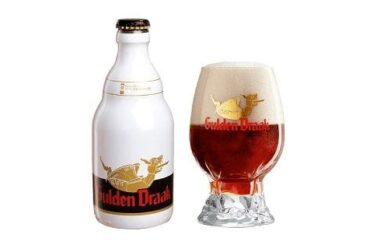
Gulden Draak is a Belgian strong ale-style beer originating from Ertvelde, Belgium, and brewed by Brouwerij Van Steenberge, with 10.5% ABV, 18 IBU, and 255 total calories.
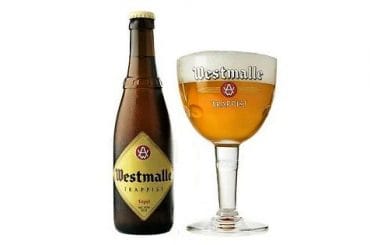
Westmalle Tripel is a Belgian Trappist beer brewed by Brouwerij der Trappisten van Westmalle and first introduced to the market in 1934, being a pioneer of its style and marking a milestone in the country’s brewing tradition.
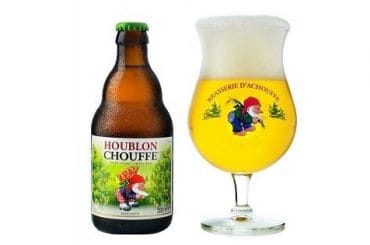
Houblon Chouffe Bière Tripel IPA represents a unique fusion of the English IPA tradition, the American Double IPA revolution, and the Belgian Tripel heritage.
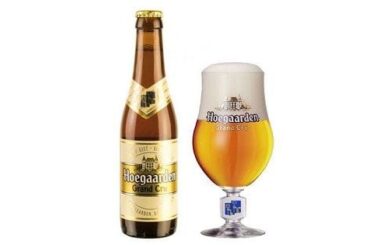
Hoegaarden Grand Cru is a Belgian Strong Ale brewed by Hoegaarden Brewery in Belgium, with 8.5% ABV, 29 IBU and 255 calories, best served in a Tulip or Snifter glass.
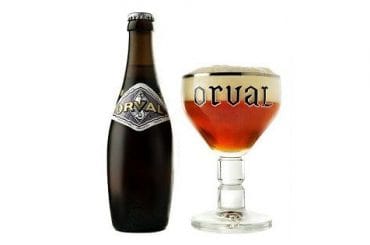
Unlike all other Trappist breweries, Orval produces only one variety of beer for the general public, with just 15% of its total production available for export.
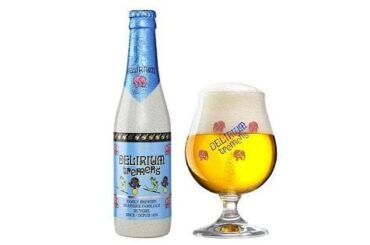
Delirium Tremens is a Golden Belgian Strong Ale style beer originating from Melle, Belgium, brewed by Brouwerij Huyghe, with 8.5% ABV, 200 calories, and 26 IBU.
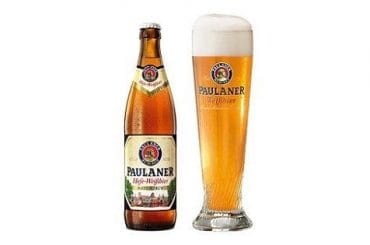
Paulaner Hefe-Weissbier, a German wheat beer with notes of banana, clove, and citrus, is perfect for pairing with Bavarian dishes, fresh cheeses, roasted vegetables, and citrus desserts. Its unique flavor and versatility make it ideal for any occasion.
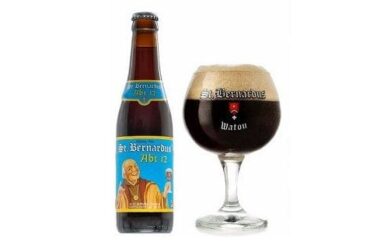
The pinnacle of the St. Bernardus portfolio is a dark-colored, ivory-foamed, top-fermented beer that is easy to drink due to its smooth flavor and fruity aroma.
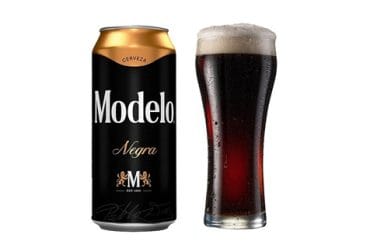
The story of Negra Modelo goes beyond the beer itself; it is a narrative that combines tradition, innovation, and deep cultural roots in Mexico.
Citing a Harvard School of Public Health study, PETA claims that beer can strengthen bones and help us live longer, while milk causes obesity, diabetes, and cancer.
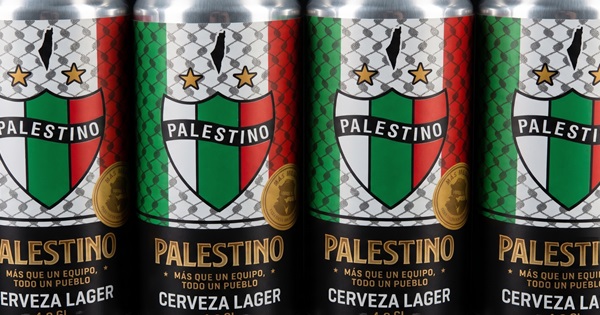
Over 500,000 people of Palestinian descent live in Chile today, where second, third, and fourth-generation families keep alive the language, traditions, and memory of a territory many have never been able to return to.
A Kantar Millward Brown annual study reveals that 5 of the 6 most valuable brands in Latin America are beer brands. Discover which beer leads sales in each country of the region.
We invited Rob Tod, founder of Allagash Brewing Co., to share 20 practical lessons for brewery success learned over 25 years of activity. This was his response.
To start this top 10 of the best-selling beers in the world, we can comment that for 2020, most of them are on the way to generating an impressive sum of 688.4 billion dollars in sales.
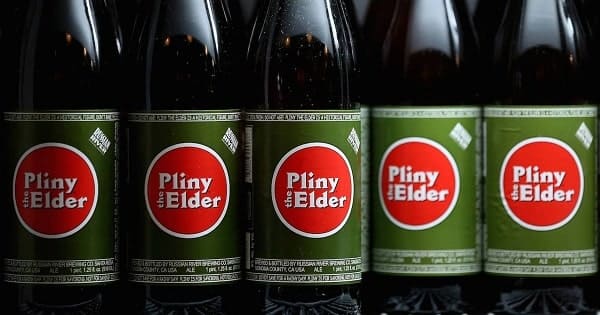
The beer Pliny the Elder takes its name in honor of the Roman traveler, naturalist, historian, and writer Gaius Minor Plinius Caecilius Secundus, who is credited with having given the first botanical name for hops.
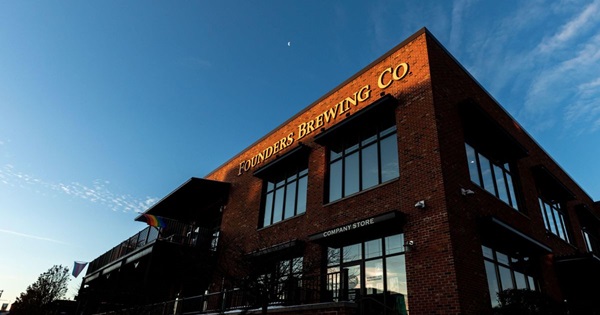
Mahou San Miguel has announced the acquisition of 100% of Founders Brewing, one of the most prestigious craft breweries in the United States, based in Grand Rapids, Michigan.
Next Glass acquired BeerAdvocate in February 2020 in a deal that brought under one roof the oldest beer review community on the internet and the world’s most popular consumption tracking app.
France is famous for its exquisite gastronomy. Although primarily known for wine production, beer has also been a popular beverage in France for centuries.
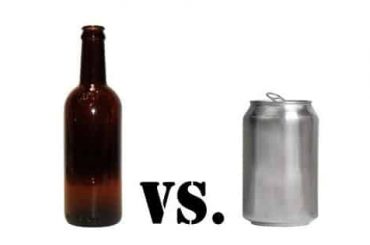
Every consumer already has their preferences: some reject cans while others love the creative designs they can carry. This article cuts through the aesthetics to lay out the objective facts on which format is better depending on the conditions.
The relationship between the chemical composition of a beer and its consumer appreciation has been an elusive field for food science, due to the non-linear nature of perception and its complex interactions.
The cold chain essentially means that the product being distributed is kept refrigerated at a constant temperature at all times, including during transportation.
Historically, brewers around the world have used locally available water to brew their beer, leading to the development of beer styles associated with specific mineral water profiles found in those places.
If you have ever visited Ireland, you have surely tasted a Kilkenny, Murphy’s or Guinness beer in one of its many pubs with a spirit that exudes authenticity from every corner.
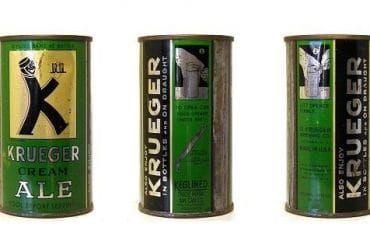
On January 24, 1935, the first canned beer went on sale after decades of experiments and more than ten years of Prohibition, thanks to the Gottfried Krueger Brewing Company in Richmond, Virginia.
The STC-1000 temperature controller lets you manually program a precise temperature range for your fermenter inside a refrigerator, freezer, or appropriately sized cooler.
Traditional SEO is shifting ground. It’s no longer enough to optimize to appear on Google’s first page; the battle is now fought in the responses of large language models (LLMs).
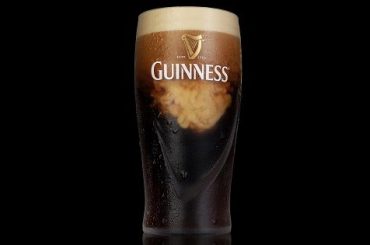
Nitro beer has been dismissed as a passing trend more than once — yet it keeps finding new fans and new formats. From the Guinness widget to nitro Cream Ales and Lagers, here is the science and history behind the nitrogen revolution in beer.
Pressurization with liquid nitrogen enables lighter, thinner PET bottles without compromising structural integrity — reducing plastic use and distribution costs.
A refractometer is an optical instrument that measures the sucrose concentration of a solution based on the refractive index produced by light in that solution.
Bottle openers have become part of our personal toolkit, whether attached to our key ring, in our backpack, or as a basic kitchen utensil when going camping.
The idea was born with the help of social media in 2011, with Ashley Routson and Ryan Ross as its main promoters, quickly spreading globally as one of the most important beer style celebrations.
The PERP framework offers a structural model for understanding how global warming alters the biological cycles of barley and hops, with concrete responses to maintain quality and economic viability.
Google’s algorithm doesn’t always prioritize specialized beer media, but now it allows you to add The Beer Times as a preferred content source in Google Discover in less than a minute.
Tradition holds that Pythagoras, the celebrated mathematician and philosopher who founded his school in Croton, in southern Italy, grew tired of watching some of his disciples abuse wine during symposia.
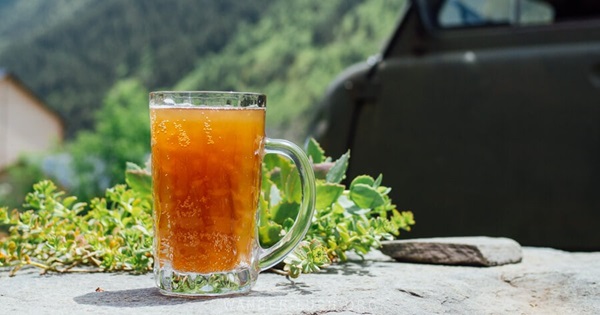
In Tusheti, a remote region of the Georgian Caucasus, the sacred drink is not wine but aludi: a beer brewed with sun-malted barley and wild hops whose recipe has been passed down from grandmother to granddaughter for centuries.