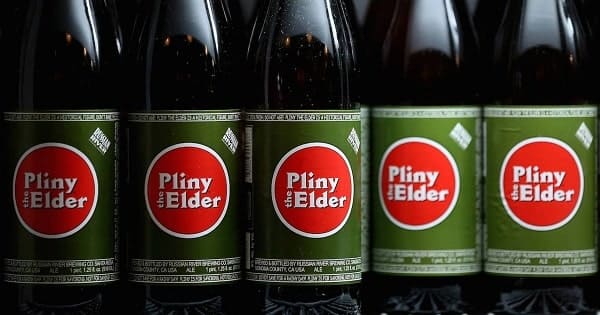
Pliny the Elder was created in 2000 as a special brew for the beer festival organized by Vic Kralj, owner of the Bistro in Hayward, California, in which only 10 breweries took part.

In the late 19th century, Anchor Brewing Company began brewing its famous Steam Beer, using local ingredients and giving up the lager brewing techniques popular at the time.
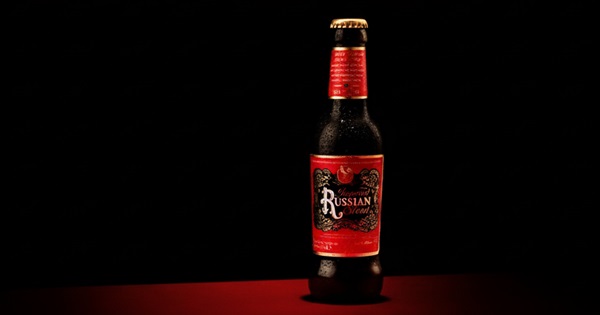
This version, especially the one produced in the 1970s–1990s, became the last direct commercial survivor of the original lineage of 18th-century London Imperial Stouts.
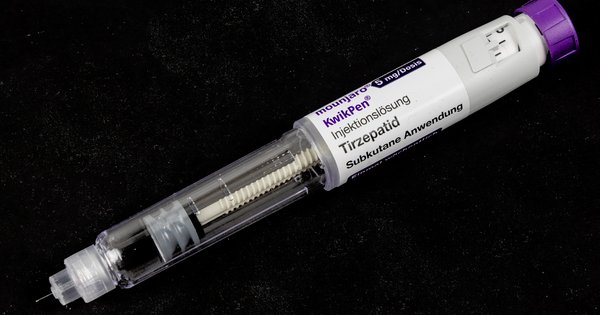
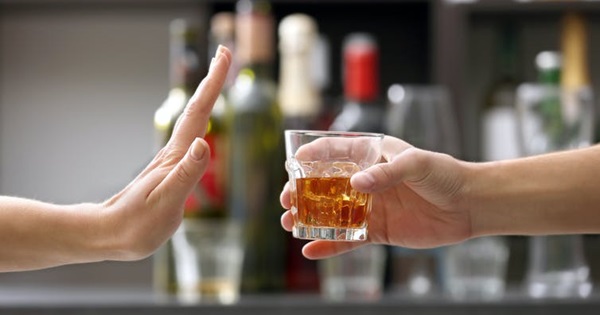
Neither Ozempic nor Mounjaro mentions alcohol in its product information, but Heineken has just warned British pubs and bars that these drugs reduce the desire to drink and that users spend 14% less on beer.
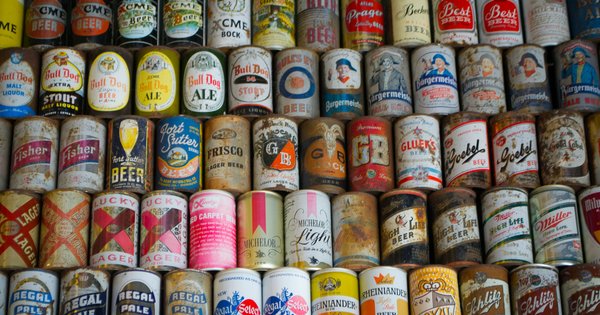
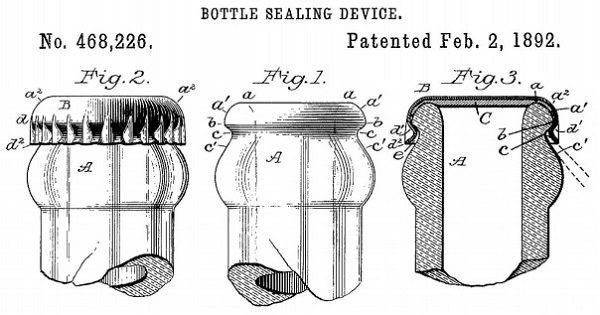
The history of the beer can, from the 1935 steel can to the cone top, aluminum, the pull tab, the Guinness widget and craft beer.
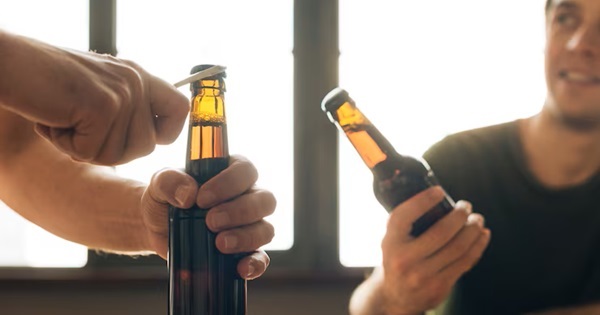
Bottle openers are part of our personal toolkit, on the key chain, in the backpack or packed as a basic utensil when we go camping.
Featured Articles
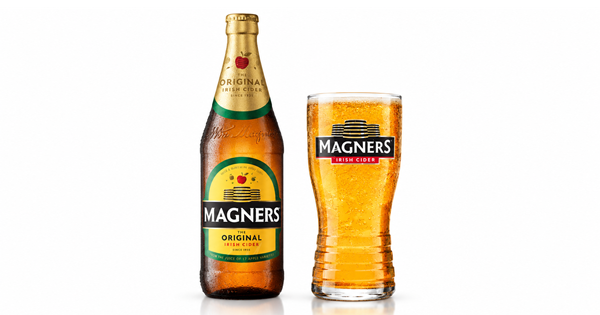
Made in Clonmel since 1935 with 17 apple varieties, Magners Original is the 4.5% semi-sweet Irish cider the brand suggests serving in a pint over ice.
This year’s new feature is a new category, Women Collective of the Year, sponsored by CAMRA. The deadline for submissions closes on August 30.
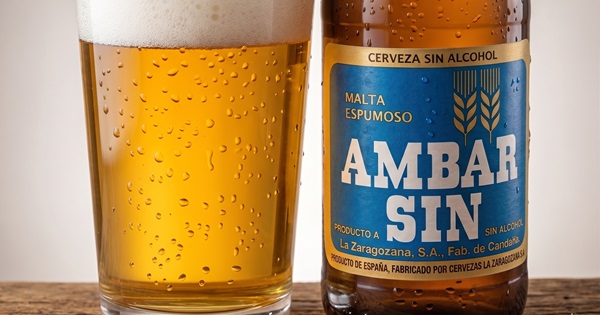
In 1976, La Zaragozana launched Ambar SIN, Spain’s first non-alcoholic beer. Fifty years later, the country leads European consumption at 14% of the market. The story of the inventor, the blue label, and the journey from 4,000 small bottles to global stardom.
With so many options available, it was inevitable that drinkers and drinking habits would naturally stratify into groups based on their behaviors, preferences, and alpha acid concentrations.
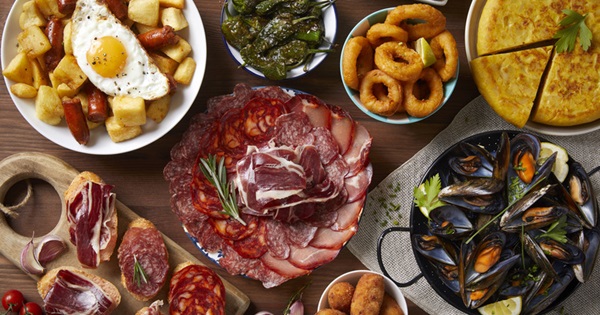
Its designations of origin, the richness of its cured and smoked products, as well as its regional variety—from Atlantic Galician cuisine to Levantine pastry—offer a vast territory to explore the principles of beer pairing.
Pumpkin Ale beers are products developed from the colonization of the North American continent, as part of the discovery of new fruits and vegetables, among them the pumpkin.
Huxley, who wrote ‘Beer… Liquid Poetry. A Manual for Beer Lovers’ and contributed to the Oxford Companion to Beer, argues that good beer doesn’t cause hangovers and encourages people to brew at home to save money.
Acetaldehyde is one of the most relevant chemical compounds in beer production, both for its impact on the sensory profile and for its role as an indicator of fermentation quality.
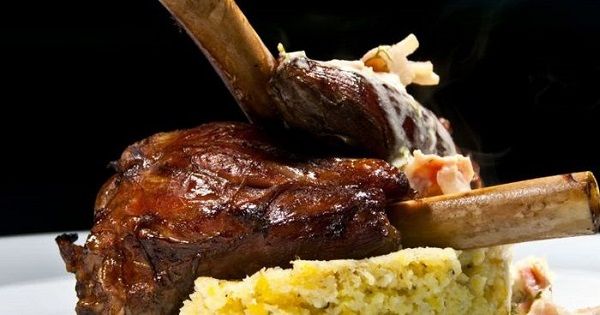
Lamb is one of the stars of international cuisine. This dark beer lamb recipe — braised for three hours in a Porter, Stout or Schwarzbier reduction with honey, soy sauce and aromatic vegetables — delivers melt-off-the-bone tenderness.
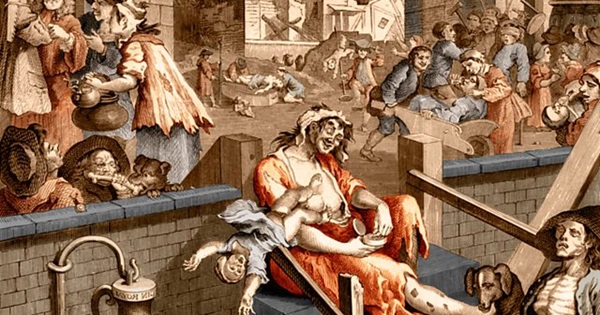
At the beginning of the 18th century, London was not the refined capital that Victorian literature would later suggest; it was a crowded, hungry, growing metropolis, the setting for what historians call the ‘gin craze’.
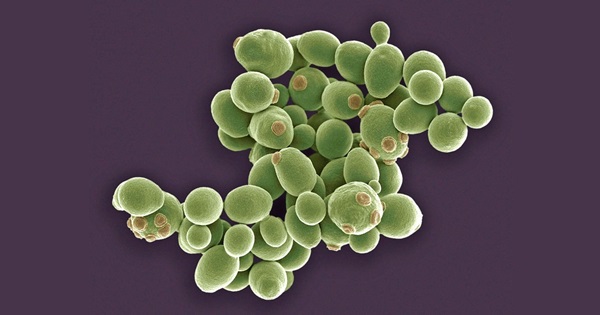
The rise of non-alcoholic or low-alcohol beers has led the brewing industry to explore new yeast strains and fermentation techniques.
Brussels celebrates that recognition with a richer and more diverse beer scene than ever, with over 1,500 varieties, new experience spaces, and entire neighborhoods that have made beer part of their urban identity.
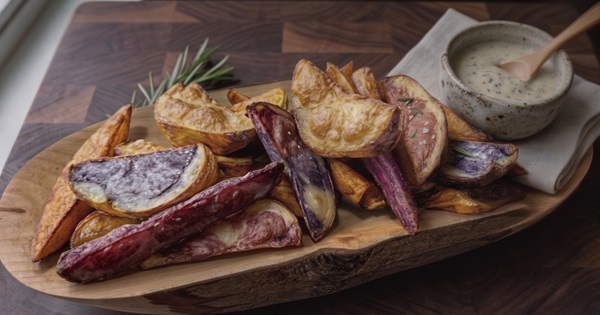
The Belgians point to fishermen from the Meuse River, who fried potato strips when the waters froze in the 17th century. The French point to street vendors at Paris’s Pont Neuf, who popularized them in the late 18th century.
Naturally carbonated mineral spring waters have been known for millennia, being used even as medicinal agents by the ancient Greeks.
Irish moss, or carrageenan, is a red seaweed used to clarify and stabilize beer during the boil. Learn how it works, how to use it, and how it compares to other fining agents.
Valdivia’s brewing tradition began at the Anwandter Brewery, founded in 1851 by Karl August Wilhelm Paschen Anwandter Fick, a German settler who came in 1850.
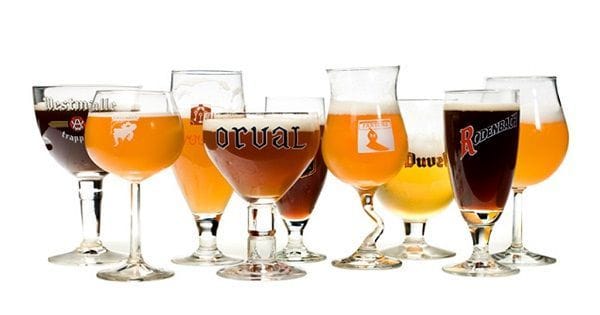
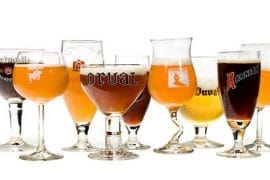
Choosing the best Belgian beers in what is a true paradise for beer lovers is no easy task. Declared an Intangible Cultural Heritage of Humanity, the beers produced by this small country are of unquestionably recognized quality.
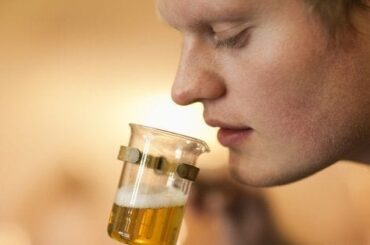
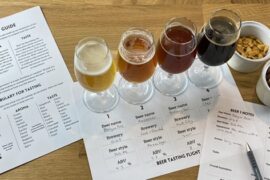
A blind tasting is one where you don’t know which beer you’re tasting, nor its brand, its price, or its label. It lets you judge what is in the glass, not what you expect to find in it.
The term Radler means cyclist in German. As we delve into its history, the origins of these beers date back to 1900, as it may have been created at a bicycle club at the end of the 19th century.
From the first fermentations in Mesopotamia to the craft beer revolution in the United States, beer has evolved and diversified into a variety of styles and traditions that vary enormously from one region to another.
Historically, brewers around the world have used locally available water to brew their beer, leading to the development of beer styles associated with specific mineral water profiles found in those places.
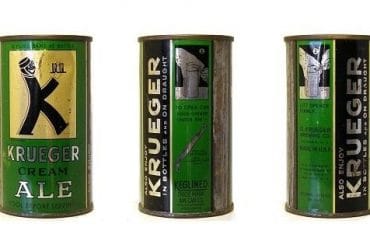
On January 24, 1935, the first canned beer went on sale after decades of experiments and more than ten years of Prohibition, thanks to the Gottfried Krueger Brewing Company in Richmond, Virginia.
From cereal already being fermented 13,000 years ago to the end of Prohibition, this is how beer changed human history, with its facts and its myths.
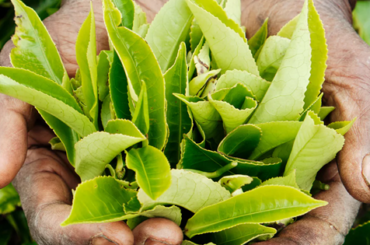
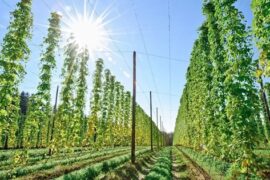
Beer brewing, which has historically used hop flowers to achieve its preservation balance and bitterness, is now undergoing a structural transformation driven by the science of alternative ingredients.
Chimay Bleue is an iconic beer from the Belgian abbey of the same name that, with its wealth of flavors and complexity, has earned a special place in the hearts of beer lovers around the world.
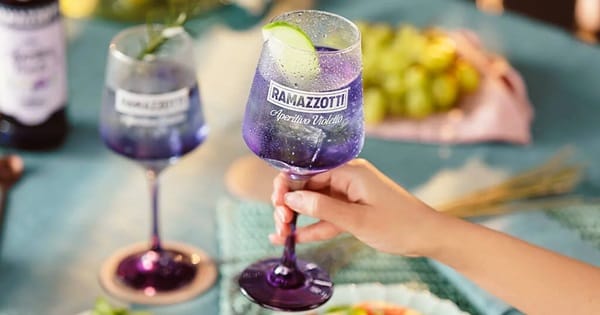
Ramazzotti Violetto is an Italian lavender and elderflower aperitif created for Chile. Step-by-step recipes for the Violetto Tonic and Violetto Spritz.
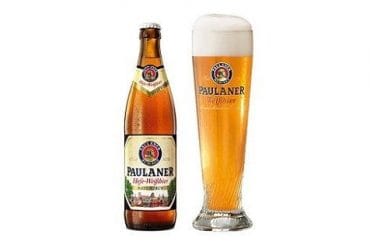
Paulaner Hefe-Weissbier, a German wheat beer with notes of banana, clove, and citrus, is perfect for pairing with Bavarian dishes, fresh cheeses, roasted vegetables, and citrus desserts. Its unique flavor and versatility make it ideal for any occasion.
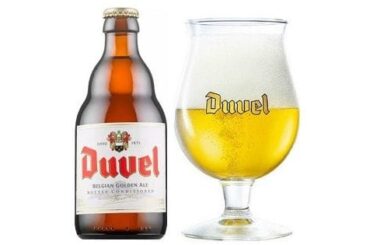
Duvel is an emblematic Belgian beer that, since its creation in the 1920s, has achieved iconic status in the beer world for its complexity and balance.
Hoegaarden Wit is one of the world’s most iconic beers, a Belgian wheat beer whose pale yellow color and natural haze win you over at first sight.
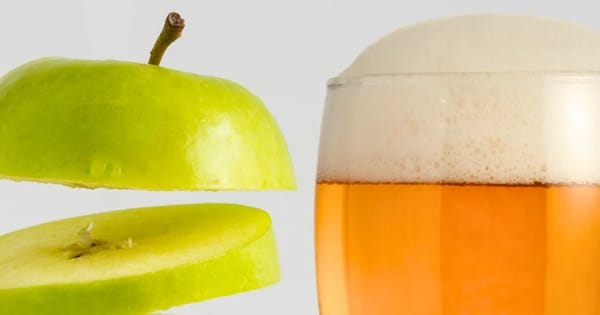
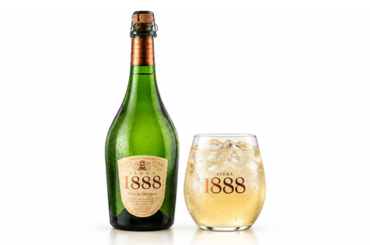
Sidra 1888 is the 5% cider Sáenz Briones makes from red apples in Argentina’s Alto Valle de Río Negro, at a company owned by CCU since 2010.
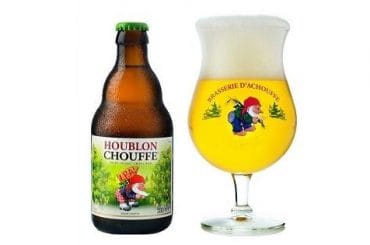
Houblon Chouffe Bière Tripel IPA represents a unique fusion of the English IPA tradition, the American Double IPA revolution, and the Belgian Tripel heritage.
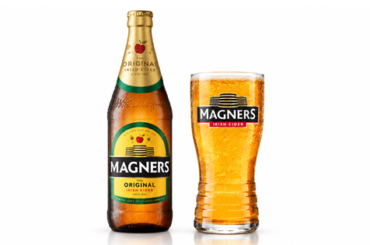
Made in Clonmel since 1935 with 17 apple varieties, Magners Original is the 4.5% semi-sweet Irish cider the brand suggests serving in a pint over ice.
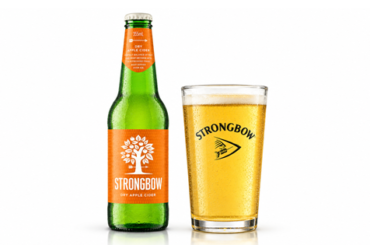
The Original Dry is the 5.3% version the brand bills as export strength for the US and Canada, and it is also sold in the UK in cans and bottles.
Chimay Bleue is an iconic beer from the Belgian abbey of the same name that, with its wealth of flavors and complexity, has earned a special place in the hearts of beer lovers around the world.
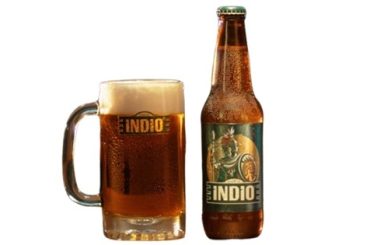
Indio is one of Mexico’s most iconic beers, with a rich history dating back to 1893. It emphasizes the use of local ingredients and traditional brewing techniques.
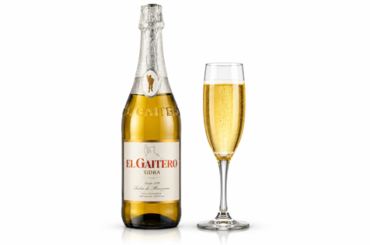
El Gaitero Clásica is the sparkling cider of the Asturian house founded in 1890 in Villaviciosa, extra semi-dry, 4.1%, with ample bubbles and firm acidity.
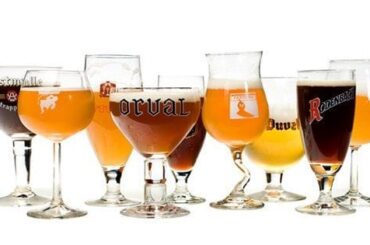
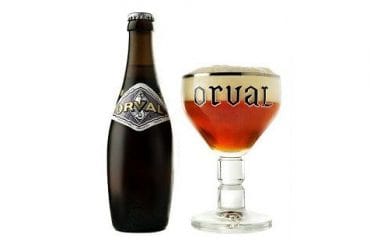
Unlike all other Trappist breweries, Orval produces only one variety of beer for the general public, with just 15% of its total production available for export.
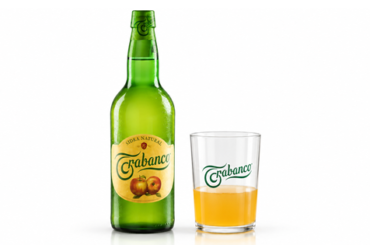
Trabanco Tradicional is the yellow-label natural cider of a Gijón house making cider since 1925, fermented with natural yeasts mostly in chestnut casks.
The idea that beer cleans the kidneys is a myth rooted in many cultures, especially in countries with a brewing tradition.
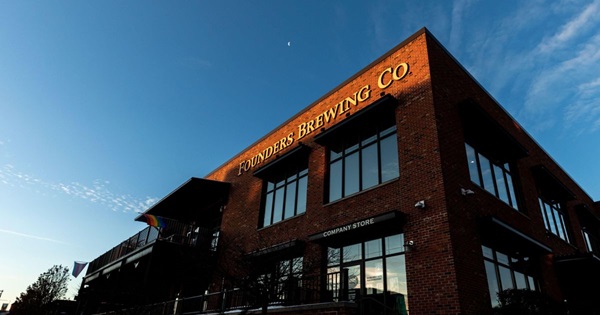
Mahou San Miguel has announced the acquisition of 100% of Founders Brewing, one of the most prestigious craft breweries in the United States, based in Grand Rapids, Michigan.
The decline is especially marked among young people aged 15 to 24, who have reduced their usual consumption by around 60% over the last two decades. Spain is the fifth country in the European Union with the most abstainers.
The best-selling beer in each Latin American country with 2024 to 2026 data, from Brazil and Mexico to Costa Rica, and the brewing groups that control the market.
The big brewers trade on the NYSE, Euronext and the Tokyo Stock Exchange. A guide to investing in AB InBev, Heineken, Carlsberg, Constellation Brands and Molson Coors from Latin America and Spain.
Corona Extra is the world’s most valuable beer brand in 2026, worth $13.9 billion. Brand Finance ranking plus the historic 2018 list.
The beer Pliny the Elder takes its name in honor of the Roman traveler, naturalist, historian, and writer Gaius Minor Plinius Caecilius Secundus, who is credited with having given the first botanical name for hops.
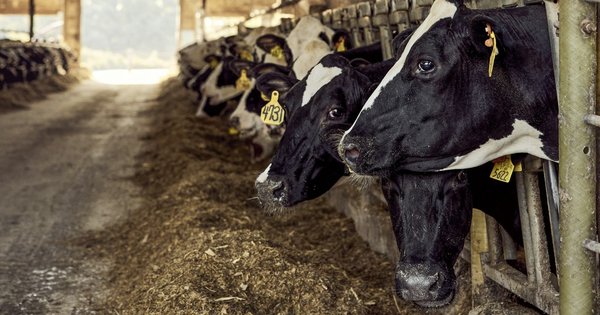
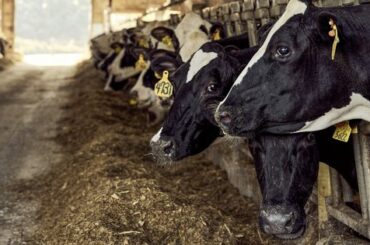
The Brews to Barns Act would give small US breweries 8 cents per pound of spent grain donated to farms, capped at $35,000 a year.
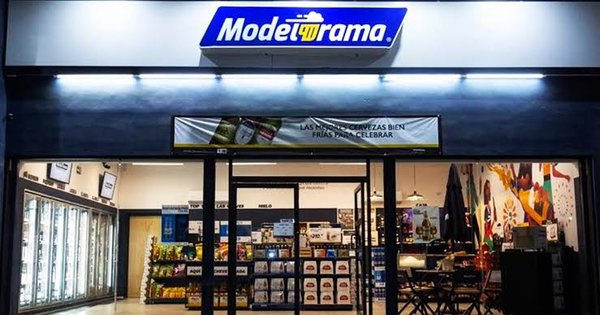
Grupo Modelo hands over the store ready to operate and pays the rent, and the operator puts up an initial investment that starts at 60,000 pesos, according to the company itself, and that goes entirely toward inventory.
Beer is one of the most popular alcoholic beverages among Peruvians, always present at social activities. Discover the most common slang expressions Peruvians use when heading out for beers with friends.
Traditional SEO is shifting ground. It’s no longer enough to optimize to appear on Google’s first page; the battle is now fought in the responses of large language models (LLMs).
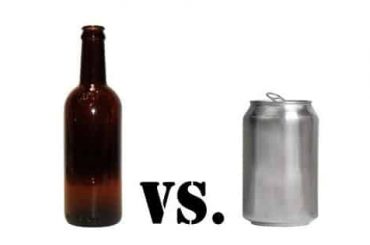
Every consumer already has their preferences: some reject cans while others love the creative designs they can carry. This article cuts through the aesthetics to lay out the objective facts on which format is better depending on the conditions.
When beer is introduced into a rotor spinning at high revolutions, a centrifugal force is generated that can reach between 5,000 and 10,000 times the Earth’s gravity. This acceleration reduces sedimentation time to fractions of a second.
The first thing to understand is that IBU, from a chemical perspective, does not refer to the perceived flavor in beer, but rather to the levels of certain bitter compounds dissolved in the liquid.
This study, published in Foods, represents the first systematic analysis of umami peptides present in lager beer and their multidimensional effects on the sensory properties of the beer body.
The history of the beer can, from the 1935 steel can to the cone top, aluminum, the pull tab, the Guinness widget and craft beer.
Plastic packaging has changed the way we live. It is cheap, can be molded into almost any shape and is generally easy to recycle.
Brewing beer with less than 0.5% alcohol involves stopping fermentation early or removing ethanol afterward, and in both cases more residual fermentable sugar remains in the liquid than in a conventional beer.
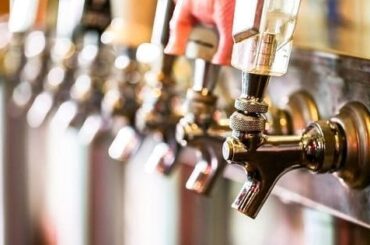
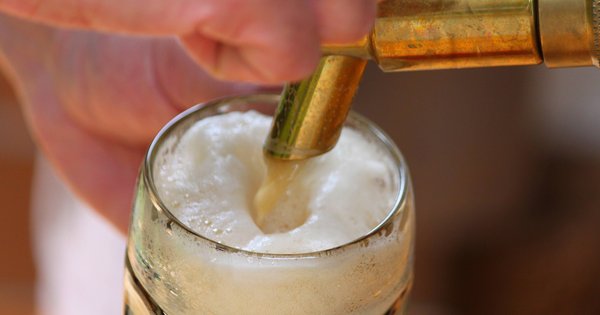
Craft and independent brewers dedicate a great deal of time, effort, and resources to making the best beer possible, but all of this hard work can be ruined in the time it takes the beer to travel from the keg to the pint.
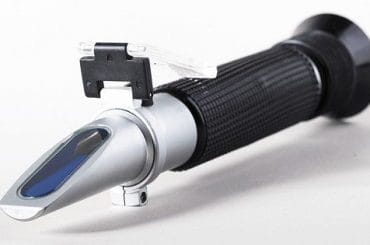
A refractometer is an optical instrument that measures the sucrose concentration of a solution based on the refractive index produced by light in that solution.
On January 24, 1935, the first canned beer went on sale after decades of experiments and more than ten years of Prohibition, thanks to the Gottfried Krueger Brewing Company in Richmond, Virginia.
Bottle openers are part of our personal toolkit, on the key chain, in the backpack or packed as a basic utensil when we go camping.
From regulatory, technical elaboration, chemical composition, or organoleptic profile, understanding this distinction is fundamental to properly valuing this beverage that has gained relevance in recent years.
The Brews to Barns Act would give small US breweries 8 cents per pound of spent grain donated to farms, capped at $35,000 a year.
Grupo Modelo hands over the store ready to operate and pays the rent, and the operator puts up an initial investment that starts at 60,000 pesos, according to the company itself, and that goes entirely toward inventory.
The decline is especially marked among young people aged 15 to 24, who have reduced their usual consumption by around 60% over the last two decades. Spain is the fifth country in the European Union with the most abstainers.
Next Glass acquired BeerAdvocate in February 2020 in a deal that brought under one roof the oldest beer review community on the internet and the world’s most popular consumption tracking app.
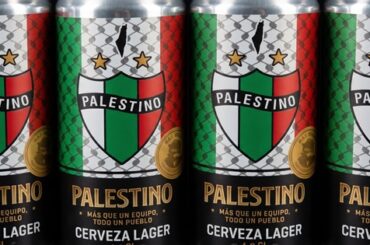
Over 500,000 people of Palestinian descent live in Chile today, where second, third, and fourth-generation families keep alive the language, traditions, and memory of a territory many have never been able to return to.
The big brewers trade on the NYSE, Euronext and the Tokyo Stock Exchange. A guide to investing in AB InBev, Heineken, Carlsberg, Constellation Brands and Molson Coors from Latin America and Spain.
That relationship was described by the English chemist William Henry, and today it rules everything from the bottle cap to the regulator on a keg. That is why a British ale, a weissbier and a Czech pilsner can feel so different in the glass.
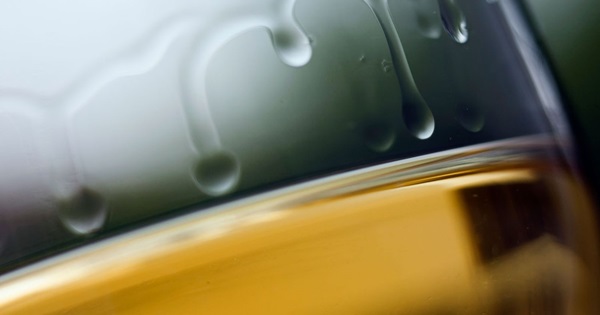
Several mistaken ideas about beer tears are going around, and they come from the world of wine and whisky. That they reveal quality, that glycerol produces them or that they form because alcohol concentrates at the top of the glass.
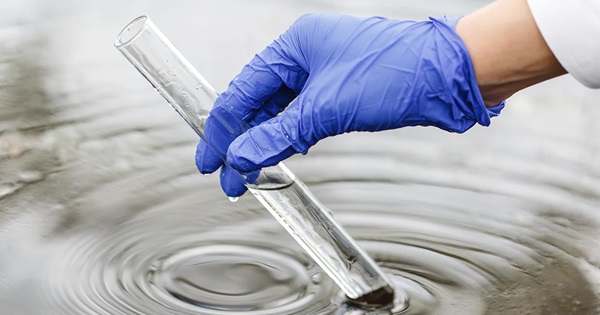
PFAS, per- and polyfluoroalkyl substances, are a large family of synthetic compounds built on carbon-fluorine bonds, among the most stable in chemistry.
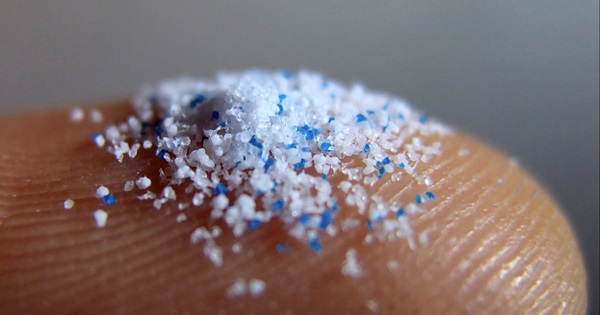
The figures vary widely between countries, from 4 particles per liter in the United States to more than 90 in Spain. Much of that difference lies in how they are measured and understanding that matters as much as the number.
Hops bring their own enzymes that break down dextrins and reactivate the yeast after dry hopping. What hop creep is, how much alcohol and CO₂ it adds and how to stop it.